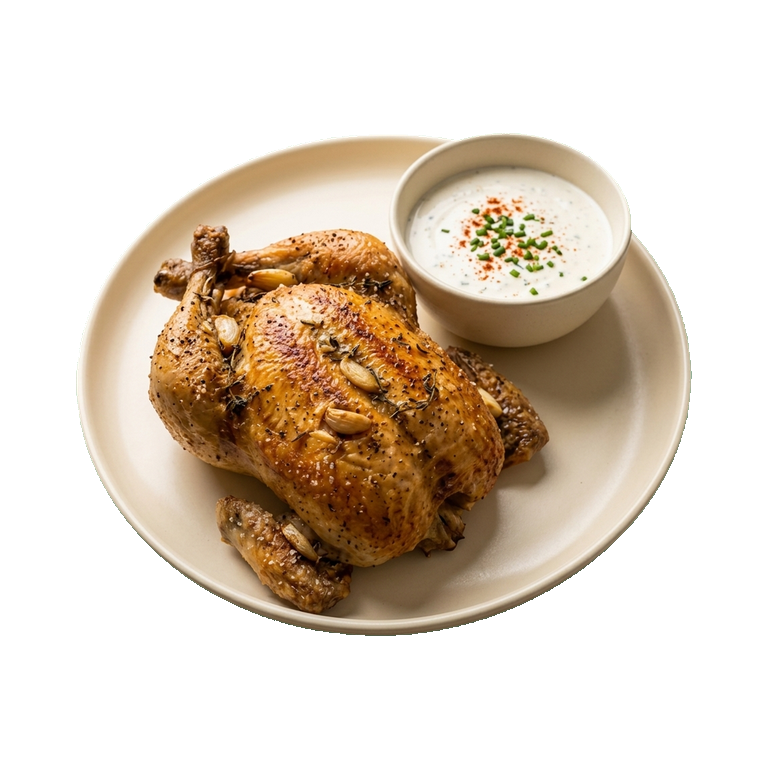
Usuba
Usuba
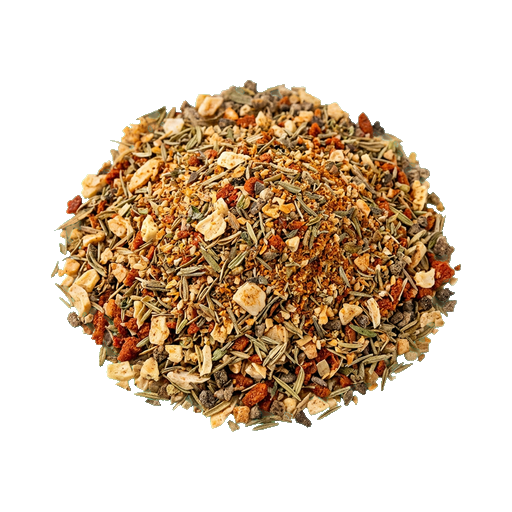
Chicken seasoning
A ready-made spice blend specially developed to enhance poultry flavor, typically containing garlic, paprika, thyme, and other aromatic herbs. This seasoning saves time in dish preparation and ensures consistent results, though the flavor profile may vary depending on the manufacturer. Used for rubbing on poultry before roasting, adding to marinades, or sprinkling over finished meat.
About
What's hidden in a jar of chicken seasoning
Chicken seasoning is a ready-made spice blend that saves time on selecting spices and guarantees a balanced flavor. It typically contains dried herbs, garlic, onion, pepper, and salt, and sometimes includes paprika or ginger. Each manufacturer creates their own mix, so the flavor profiles can vary: one blend tends toward spiciness, while another leans toward delicacy.
The seasoning imparts a warm, spicy background with pronounced notes of garlic and dried herbs. The aroma is immediately recognizable — it smells like a finished dish, not raw spices. The intensity of the flavor depends on the dosage: a pinch creates a subtle background, a generous hand — a pronounced spicy character.
How to use in cooking
The seasoning can be added at any stage of cooking: rub it on chicken before frying, sprinkle it into soup a few minutes before it's ready, or mix it with oil for a marinade. It opens up well when heated, so it's better to add it to hot oil or broth rather than a cold dish.
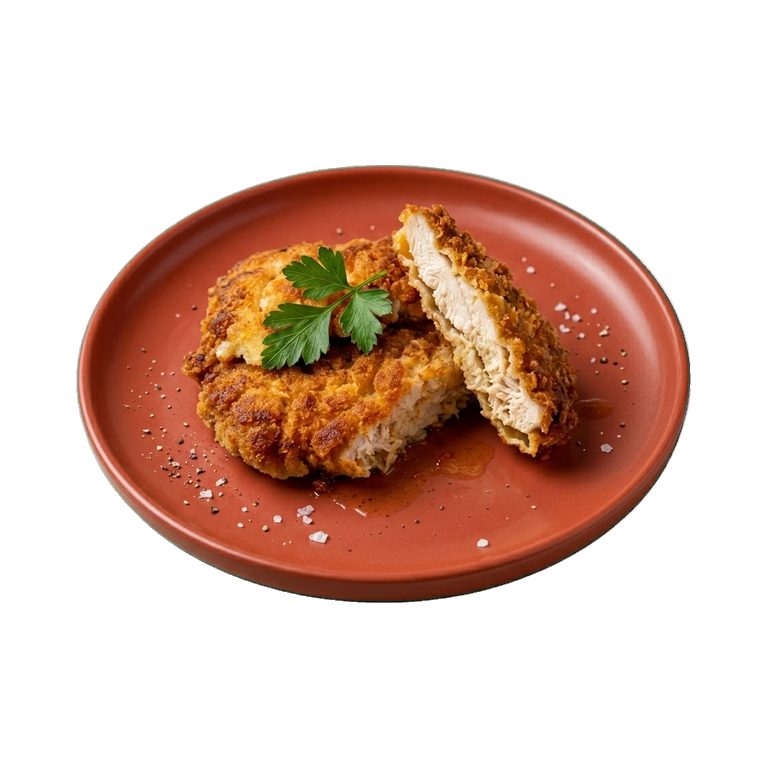
- Fried chicken — rub the carcass or fillet with the mixture before frying
- Chicken soup — add 3–5 minutes before the end of cooking
- Marinade — mix with olive oil and lemon juice
- Baked chicken — sprinkle before baking or mix with softened butter
- Chicken salad — sprinkle over the cooked meat for extra flavor
Dosage and Balance
Start with half a teaspoon per serving and taste. If the seasoning contains salt, keep this in mind when salting the dish — the finished blend is often supplemented with sea salt, so it's easy to oversalt. For a marinade, use one teaspoon per 100 ml of oil. When working with delicate fillets, you can dilute the seasoning with breadcrumbs or sour cream to avoid overpowering the tender flavor of the meat.
Selection and Storage
When purchasing, pay attention to the color — bright herbs indicate the freshness of the mixture. Smell it: the aroma should be clean and fragrant, without mustiness. Check the packaging date: spices lose their potency within a year or two of storage. If the composition includes flavor enhancers or artificial additives, and you prefer natural products, choose blends with a short ingredient list.
Store the spice blend in a tightly sealed jar or bag in a dark, cool place — away from the stove and direct sunlight. Moisture is the enemy of dry mixes, so make sure the spoon is always dry before scooping the spice. With proper storage, the mixture retains its aroma for 6–8 months, after which it becomes less pronounced.
Combinations with other ingredients
Chicken seasoning works well with acidity — lemon, vinegar, or tomatoes highlight its spicy character. Butter and sour cream soften the sharpness if the mixture turns out more intense than expected. With vegetables — carrots, onions, potatoes — the seasoning creates a harmonious background without overpowering their natural flavor. It pairs well with garlic and fresh herbs if you want to enhance the herbal notes.
Nutrition
per 100 g
- Calories
- 250 kcal
- Protein
- 10 g
- Fat
- 5 g
- Carbs
- 40 g
Measures and weight
- 1 tbsp
- 10.5 g
- 1 tsp
- 3.5 g
- 1 cup
- 175 g
Measure calculator
- Weight
- 100 g
- Calories
- 250 kcal