Usuba
Usuba
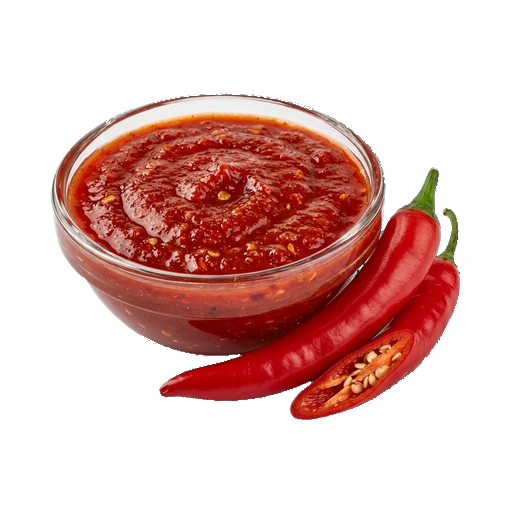
Chili sauce
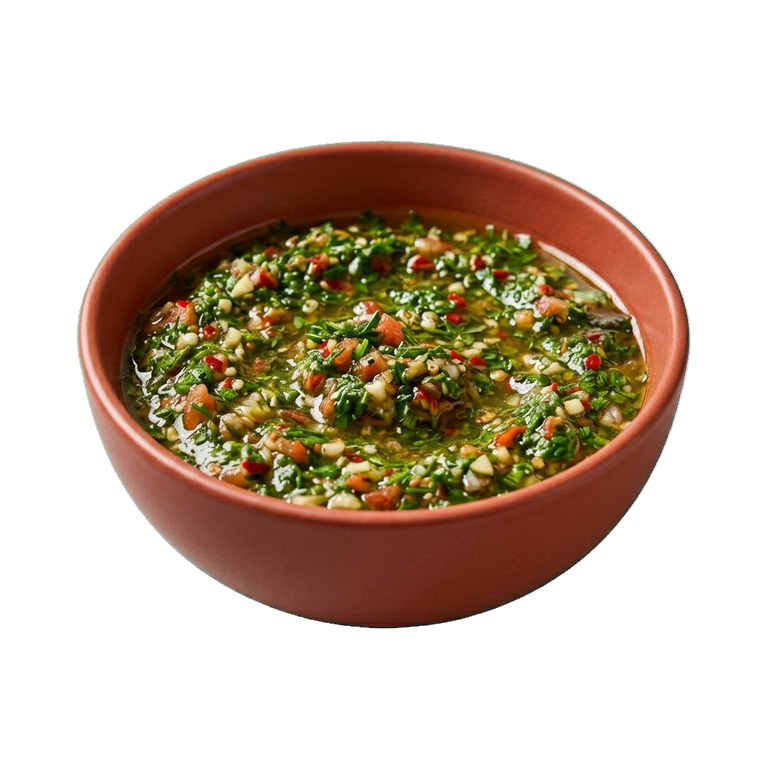
A spicy sauce made from chili peppers, tomatoes, vinegar, and spices that adds heat and deep flavor to dishes. Used as a condiment for meat, fish, rice, and vegetables, and is also a key ingredient in many Asian and Latin American dishes. When choosing, pay attention to the heat level and consistency — thinner sauces work better for marinades, while thicker ones are suitable for dipping and spreading.
About
Chili sauce is a spicy paste or liquid that transforms a dish from ordinary to memorable. The base is always the same: chili peppers combined with acidity, salt, and spices. But there are so many variations that every cook can find their perfect option — from mild and slightly sweet to fiery and hot.
Taste and Heat
The heat level depends on the type of pepper and its quantity. Some sauces provide a mild warmth, barely tickling the tongue, while others require a glass of water nearby. Beyond the heat, a good sauce always reveals other layers: the acidity of vinegar or lemon, sweetness from sugar or tomatoes, and depth from garlic and spices.
The consistency also varies. A liquid sauce flows well over meat or fish, while a thick paste adheres better to toast or serves as a marinade. Your choice depends on how you plan to use it.
Where to use chili sauce
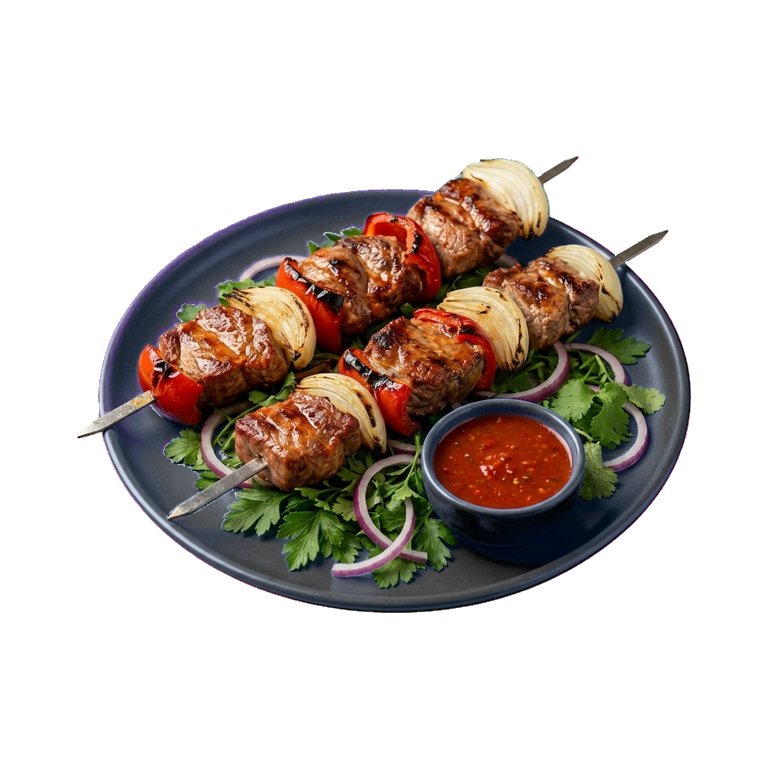
Chili sauce works practically everywhere. It will enhance the flavor of meat when marinating, add spiciness to fish, and bring life to vegetable dishes. On the table, it's great as a seasoning for a finished dish — each guest can add as much as they want.
- Marinade for chicken, beef, pork
- Dip for appetizers and vegetables
- Component of sauces and dressings
- Addition to soups and stews
- Ingredient in Asian dishes
How to Choose and Store
When choosing, look at the list of ingredients — the shorter it is, the better. Ideally, it should contain only pepper, salt, vinegar, and spices. Check the manufacturing date and package integrity. If the sauce is too liquid or, conversely, has separated, this is a sign of improper storage.
Store the sauce in a cool place, protected from direct sunlight. After opening, keep the lid tightly closed. Most commercial sauces store well for several months due to their acidity, but homemade versions should be used more quickly or kept in the refrigerator.
Combinations and pairings
Chili sauce works well paired with acidity — add it to lemon juice or vinaigrette. It also pairs nicely with fat: the heat becomes more pronounced next to oil, sour cream, or butter sauce. If the dish is already spicy, add the sauce carefully to avoid overdoing it.
- With lemon and lime — for seafood
- With soy sauce — for Asian dishes
- With honey — for balancing sweet and spicy
- With garlic and ginger — for intense flavor
Chili sauce is not just a seasoning, but a way to add character to any dish. Start with a mild version if you're unsure about your tolerance for heat, and then experiment. Every cook will find their own level of spiciness and their favorite way to use it.
Nutrition
per 100 g
- Calories
- 100 kcal
- Protein
- 1 g
- Fat
- 0.5 g
- Carbs
- 23 g
Measures and weight
- 1 tbsp
- 16.5 g
- 1 tsp
- 5.5 g
- 1 cup
- 275 g
Measure calculator
- Weight
- 100 g
- Calories
- 100 kcal