Usuba
Usuba
Gorgonzola cheese
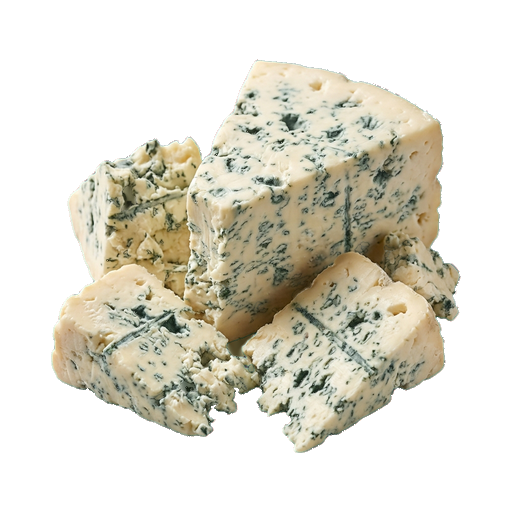
Italian blue cheese distinguished by a sharp, slightly piquant taste with nutty notes and creamy texture. In cooking, it is used for preparing sauces, salad dressings, fillings for pasta and risotto, and also pairs well with desserts featuring pear or honey. When selecting, pay attention to even distribution of blue-green veins and creamy consistency without excessive dryness.
About
Gorgonzola is a soft blue cheese that is difficult to confuse with anything else. Its characteristic veins create a unique appearance, and its taste and aroma leave a lasting impression. It is one of the noblest cheeses of European cuisine, yet at the same time it is not at all temperamental to use.
Taste and Aroma
Gorgonzola offers several taste sensations at once. Its creamy, almost buttery texture contrasts with the sharp, slightly bitter notes of the mold. The longer the cheese matures, the more intense its character becomes — young Gorgonzola is more delicate and refined, while the aged version demands boldness and respect.
The aroma is pronounced and piquant, with earthy and slightly mushroom notes. This is not the kind of cheese that will go unnoticed on a board — its presence is felt immediately.
Where to use
In the kitchen, gorgonzola is a universal helper, although it requires an understanding of its character. You can simply place it on a board with bread and pear, and it will be perfect. But the real magic begins when you use it in hot dishes.
- Add a piece to risotto at the end of cooking — the cheese will create a creamy sauce and give the dish depth
- Use in pasta sauces, especially with walnuts and spinach
- Place between layers of potatoes when baking — you'll get a refined side dish
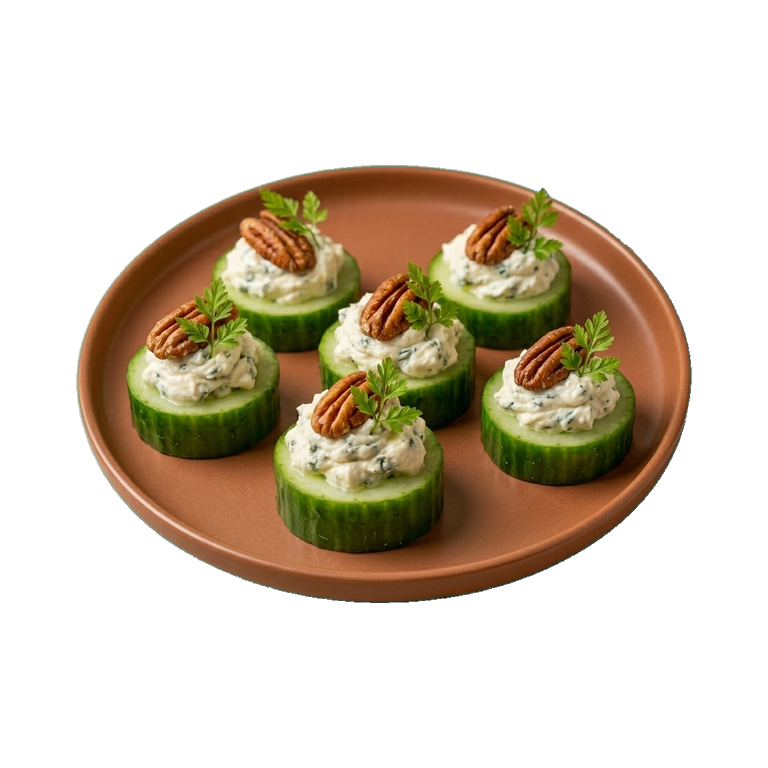
- Mix with butter and herbs for sandwiches and canapés
- Crumble over salads with pears, apples, beets and bitter greens
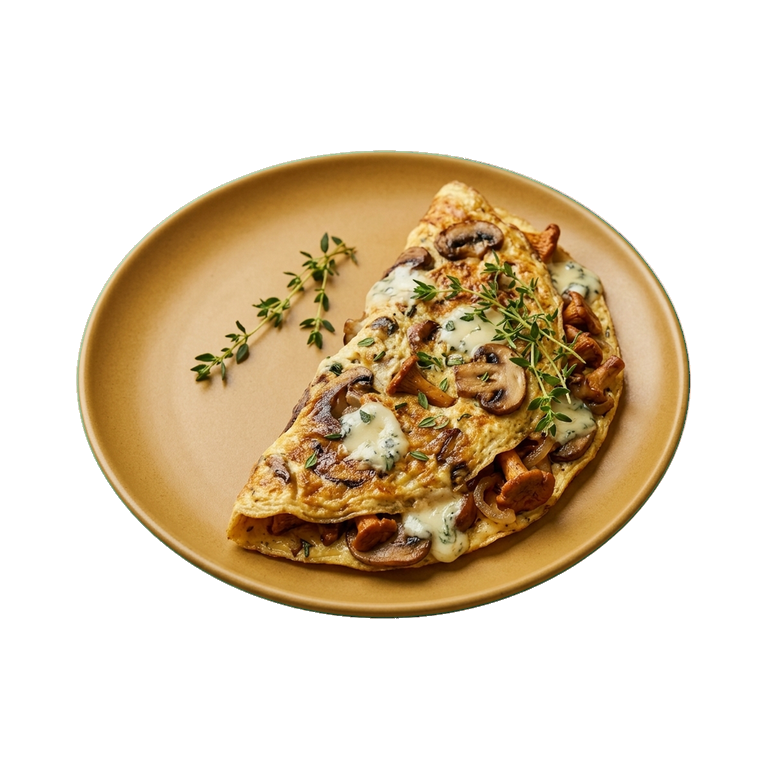
- Use in puree soups made from pumpkin or mushrooms for contrasting sharpness
Perfect Pairings
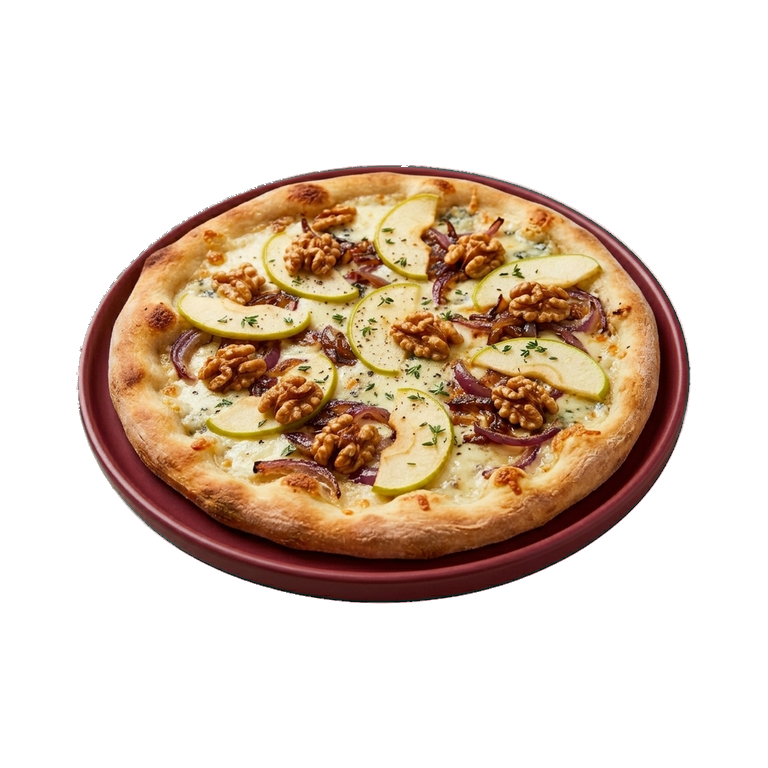
Gorgonzola pairs well with products that can either soften its sharpness or, conversely, accentuate it. Pears and apples are a classic choice, their sweetness balances the pungency of the cheese. Walnuts add an earthy depth, and honey creates a contrast of sweet and salty.
Gorgonzola pairs well on the table with white wines — they don't compete with its aroma, but complement it. Sweet and fortified wines are also suitable, creating an interesting contrast. Ripe tomatoes, fresh spinach, red onion, and balsamic vinegar — these are your faithful companions when composing dishes.
Selection and Storage
When purchasing, pay attention to the even distribution of blue mold — the veins should be visible throughout the cheese. The texture should not be too liquid, but also not chalky. If the cheese looks dried out at the edges, this is a sign of improper storage in the store.
- Store gorgonzola in the refrigerator in its original packaging or wrapped in parchment and foil
- Do not keep it in an airtight container — the cheese needs to breathe
- The ideal storage temperature is 2 to 8 degrees Celsius
- Before serving, take the cheese out 15–20 minutes before putting it on the table so it can fully reveal its aroma
- Shelf life is usually 2–3 weeks, but check the date on the packaging
Gorgonzola is not just an ingredient, it's an invitation to culinary experiments. Its sharp character demands respect, but with the right approach, it will become your favorite kitchen companion. Start with a simple combination of pear and bread, and then let your imagination run wild.
Nutrition
per 100 g
- Calories
- 350 kcal
- Protein
- 19 g
- Fat
- 29 g
- Carbs
- 0 g
Measures and weight
- 1 tbsp
- 13.5 g
- 1 tsp
- 4.5 g
- 1 cup
- 225 g
- 1 slice
- 20 g
Measure calculator
- Weight
- 100 g
- Calories
- 350 kcal