Usuba
Usuba
Ground meat
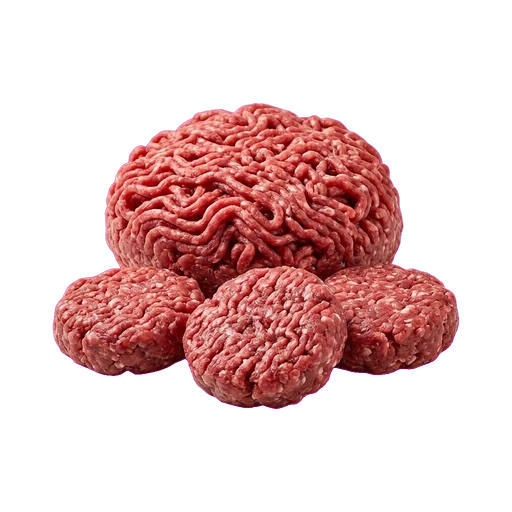
Ground meat is minced meat obtained by passing raw or cooked meat through a meat grinder. It is used as a base for cutlets, meatballs, fillings for dumplings and pierogi, as well as for preparing sauces and gravies. When selecting, pay attention to color and smell — quality ground meat should be pink or light brown, without any off-odors. When substituting one type of meat for another, keep in mind that beef ground meat is denser, pork is fattier and softer, while chicken requires the addition of binding ingredients and seasonings for better consistency.
About
Ground meat is the foundation of quick lunches and festive dishes. Minced meat absorbs the aromas of spices and sauces, becoming a universal canvas for culinary experiments. Ready-made ground meat saves time in the kitchen, but requires understanding how to choose and prepare it so that the dish turns out juicy and delicious.
Aroma, taste and texture
The quality of ground meat depends on which meat was used and how it was ground. Beef mince has a rich, slightly iron-like taste and dense texture. Pork is fattier and more tender, with a mild flavor. Chicken mince is dietary but requires the addition of fat or moist ingredients to prevent the dish from becoming dry. Mixed mince combines the best qualities: the aroma from beef and the juiciness from pork.
Fresh ground meat has a uniform color without gray or brown spots. When pressed with a finger, it should return to its original shape rather than remain indented. The smell should be clean and meaty, without sourness or foreign notes.
Where the minced meat reveals itself fully
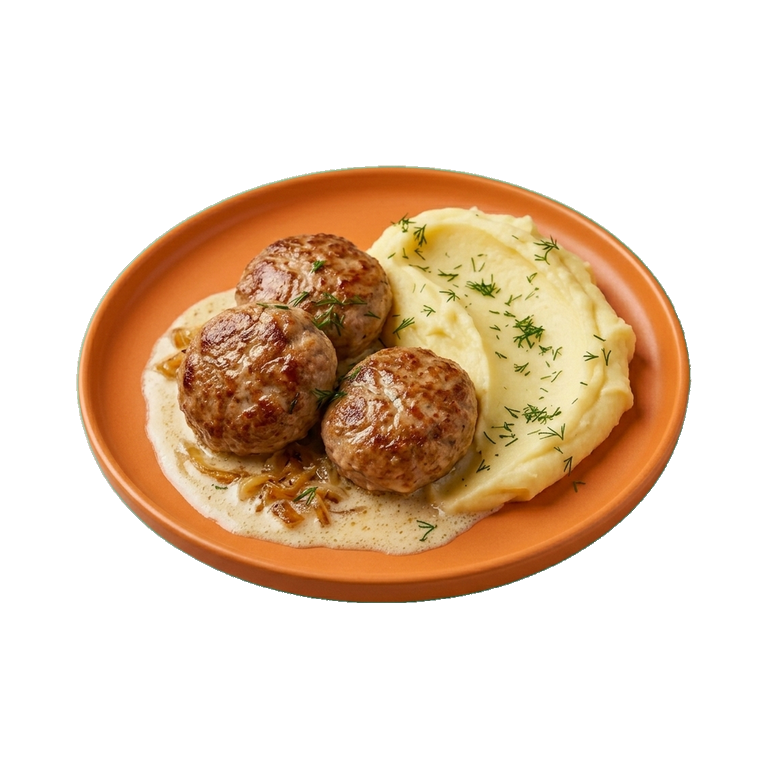
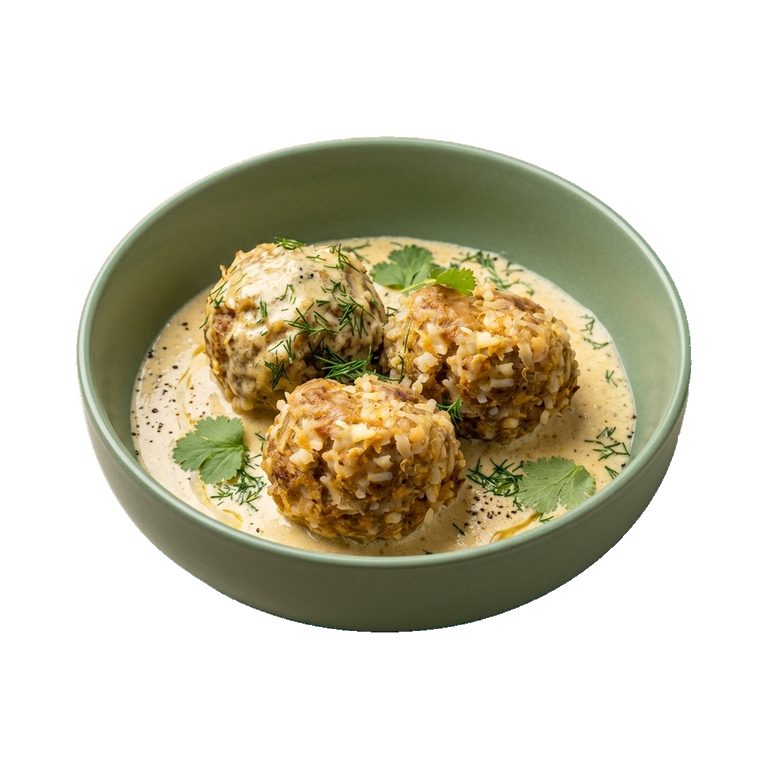
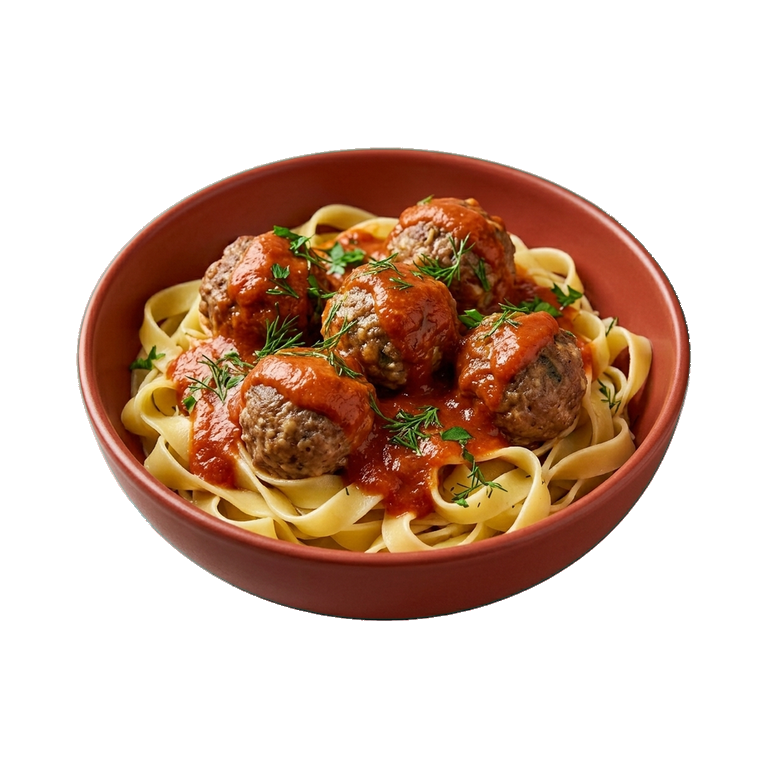
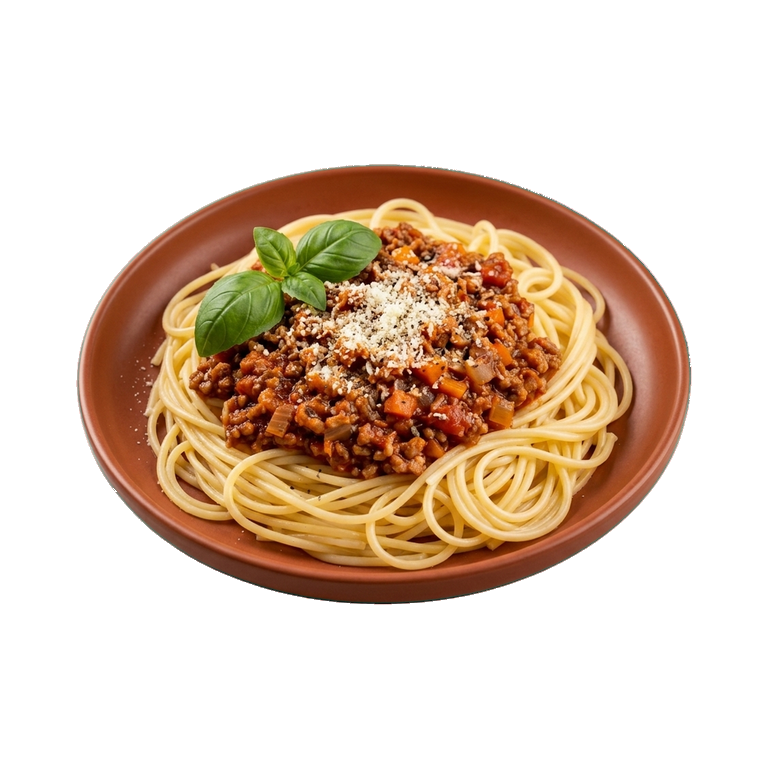
Ground meat is versatile: it is used to make cutlets, meatballs, fricadelles, fillings for pies and dumplings. It works well in sauces for pasta, in soups and stews. Spices and aromas cook quickly in ground meat, making it ideal for dishes where you need a deep, rich flavor without long stewing.
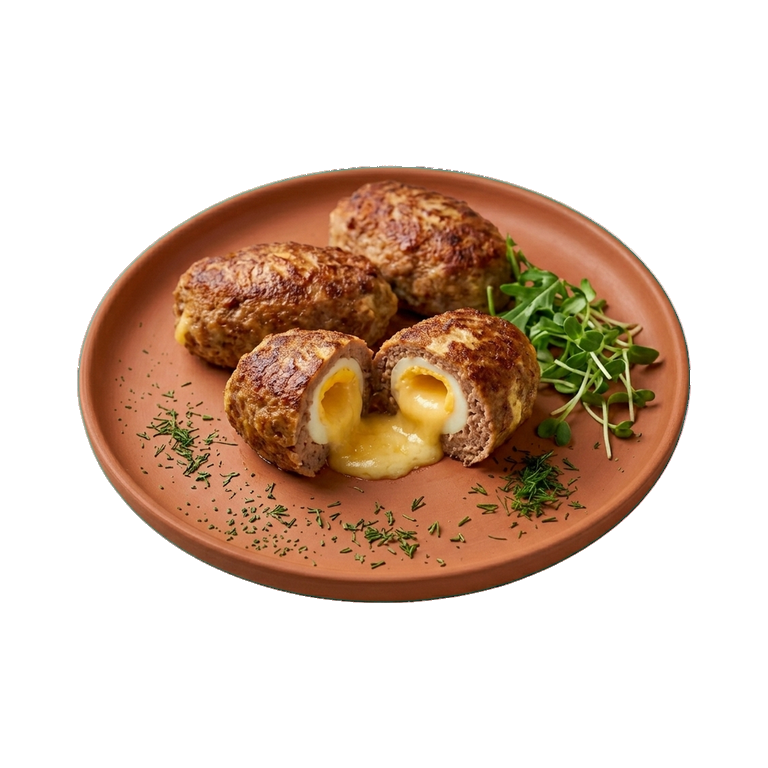
- Cutlets and meatballs — a classic where ground meat holds its shape thanks to eggs and bread
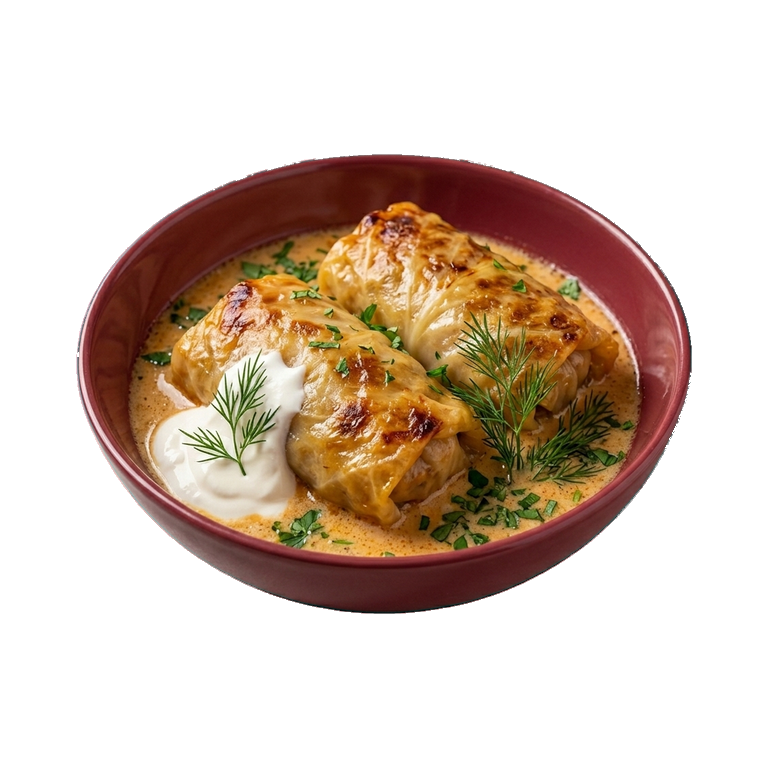
- Fillings for dumplings, pelmeni, pies — ground meat should be denser so it doesn't fall apart
- Sauces and gravies — ground meat dissolves in liquid, creating texture and flavor
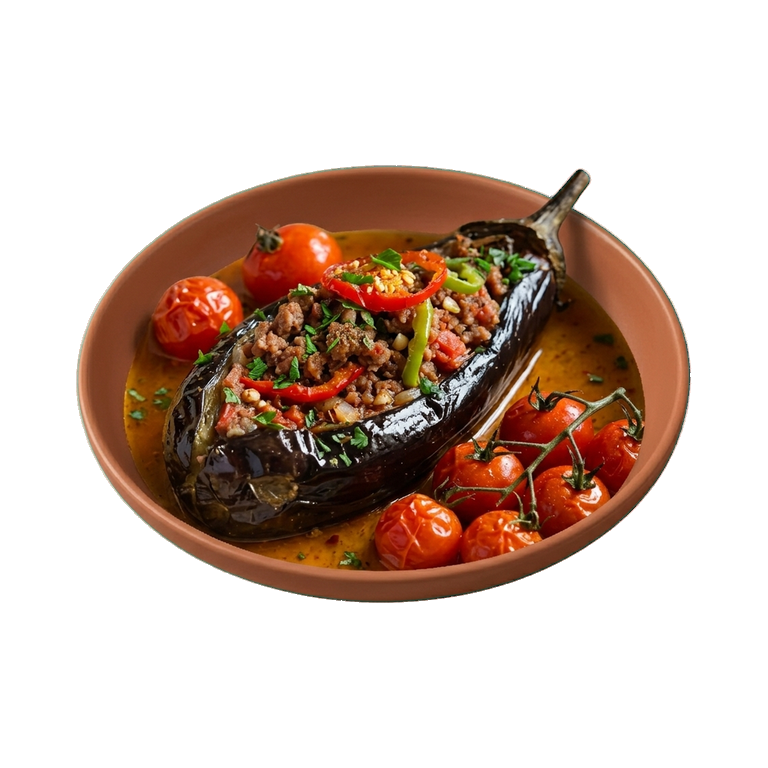
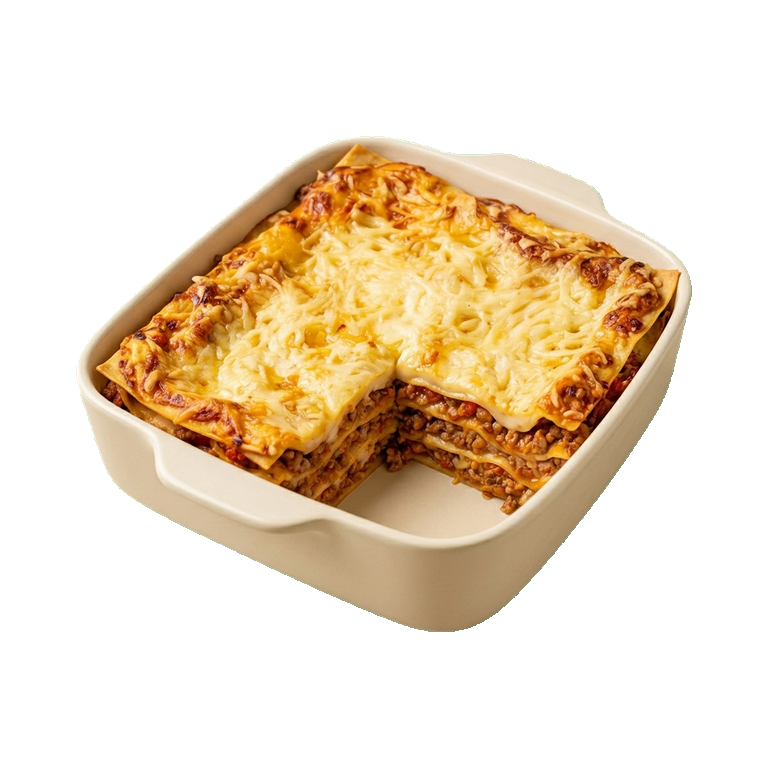
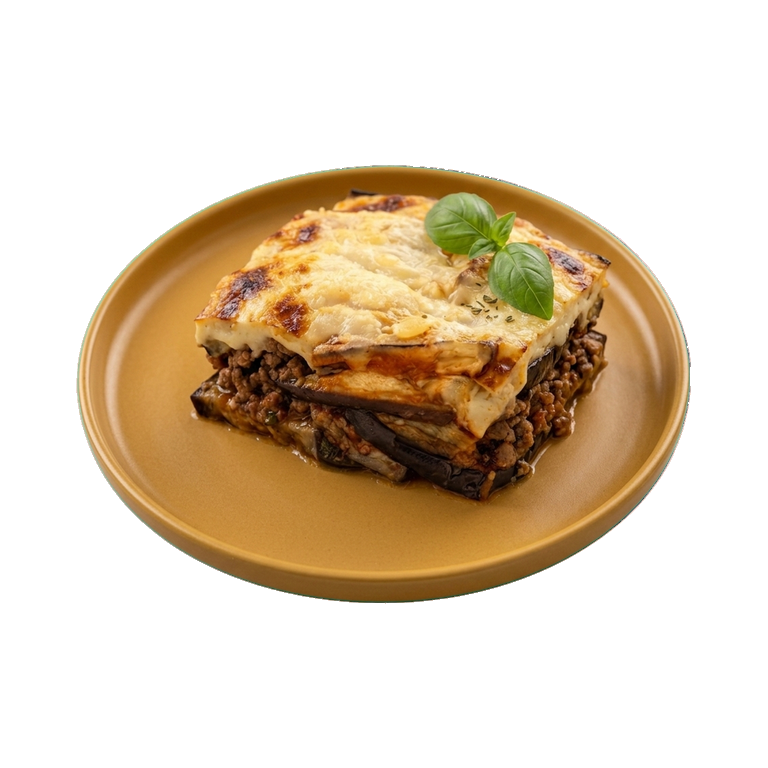
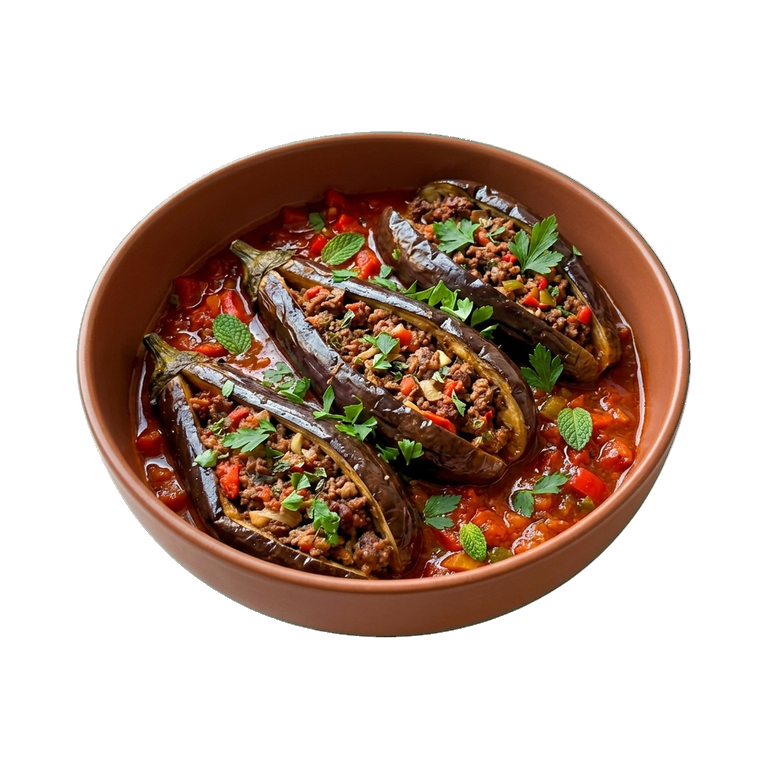
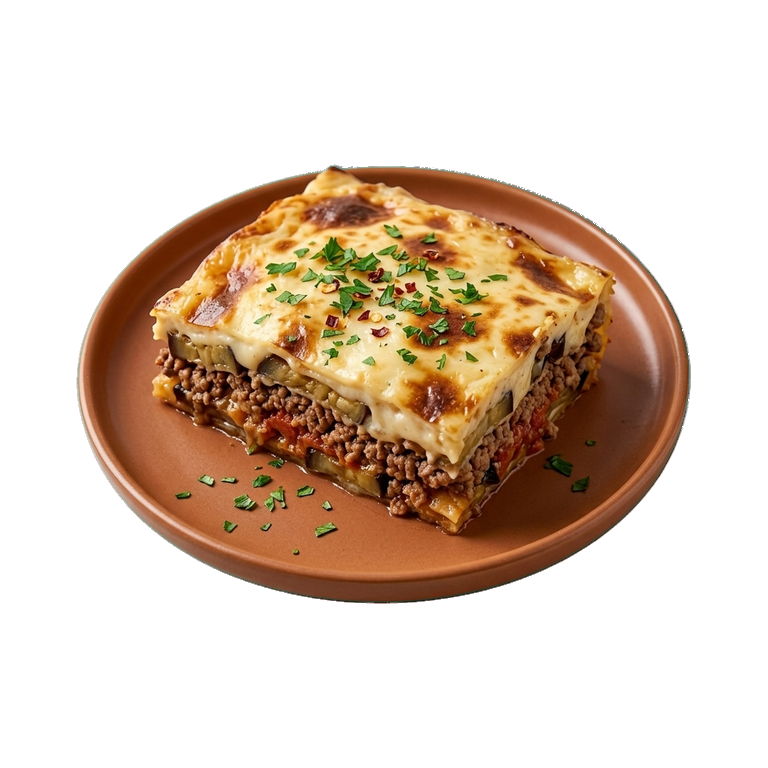
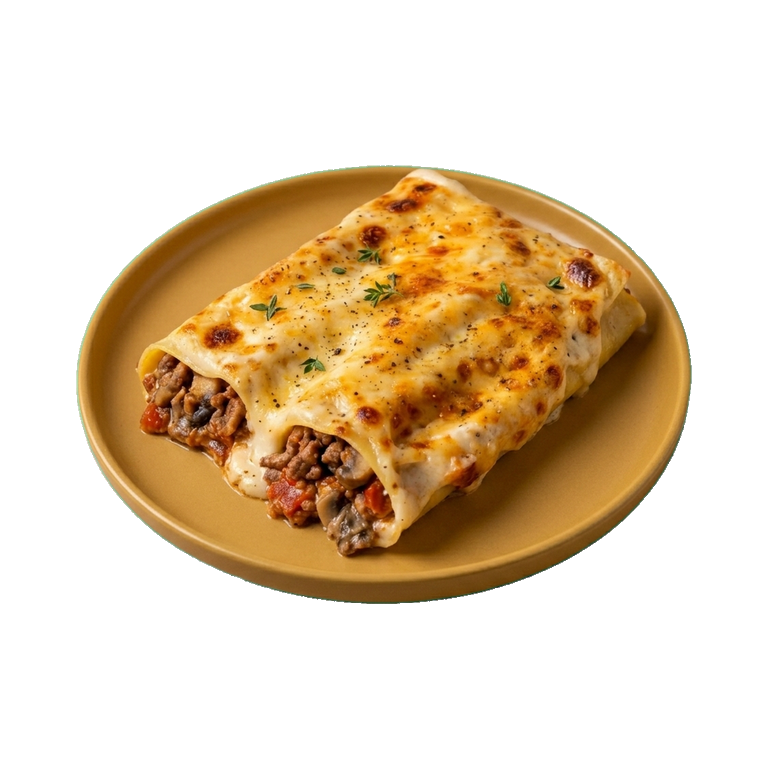
- Baked dishes — lasagna, moussaka, meatloaf — ground meat serves as the main component
Combinations that work
Ground meat loves moist ingredients: onions, garlic, tomatoes, cream. They prevent drying out and add flavor layers. Spices — black pepper, paprika, cumin, oregano — enhance the meat aroma. Fresh herbs (parsley, dill, cilantro) bring freshness and contrast to the density of the meat.
- Ground beef pairs well with tomatoes, red wine, rosemary
- Ground pork shines with ginger, soy sauce, green onions
- Ground chicken needs bright partners: lemon, garlic, herbs, spicy spices
Selection and Storage
Buy ground meat at the last moment before cooking or freezing. If you notice that the meat in the ground meat is too light in color or is separating, this is a sign that it has been frozen and thawed several times. It's better to choose ground meat that was ground right before sale.
Fresh ground meat should be stored in the refrigerator for no more than one to two days on the coldest shelf. For long-term storage, freeze it in small portions in bags or containers — this way you can quickly thaw the amount you need. When thawing, it's better to transfer the ground meat to the refrigerator overnight rather than letting it thaw at room temperature.
- Refrigerator: 1–2 days on the coldest shelf
- Freezer: up to 3–4 months in airtight packaging
- Do not refreeze after thawing
The main rule when cooking
Don't overwork the ground meat when forming cutlets or adding it to the sauce. Excessive mixing makes the meat dense and tough. Add ingredients gently, turning the meat over with a spatula a few times rather than mashing it.
If the ground meat seems dry, add a little ice water, milk, or cream — this will help retain moisture during cooking. For cutlets, it's useful to chill the ground meat before shaping so they hold their form better.
Nutrition
per 100 g
- Calories
- 215 kcal
- Protein
- 18.5 g
- Fat
- 15.5 g
- Carbs
- 0 g
Measure calculator
- Weight
- 100 g
- Calories
- 215 kcal