Usuba
Usuba
Meat broth
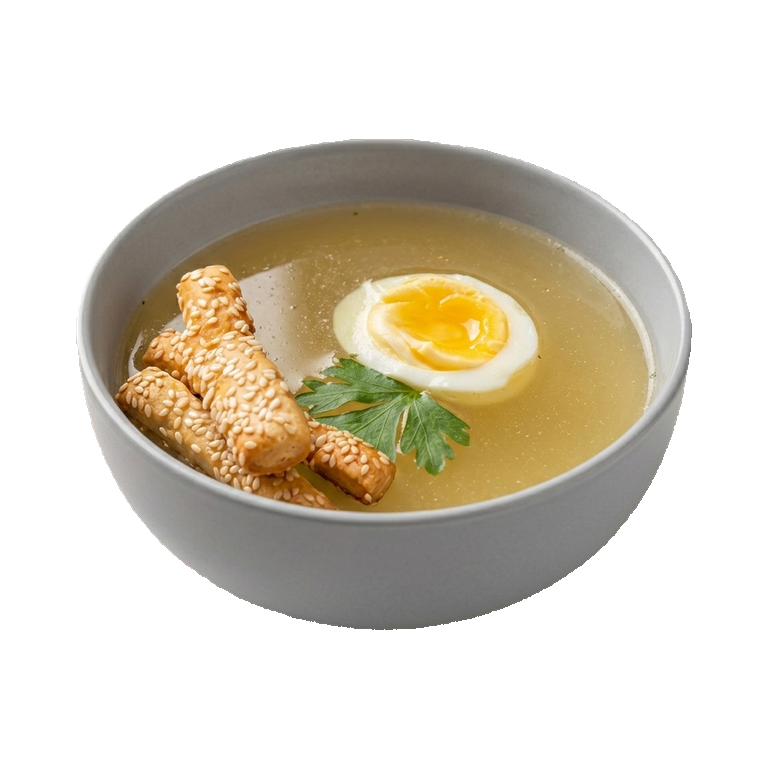
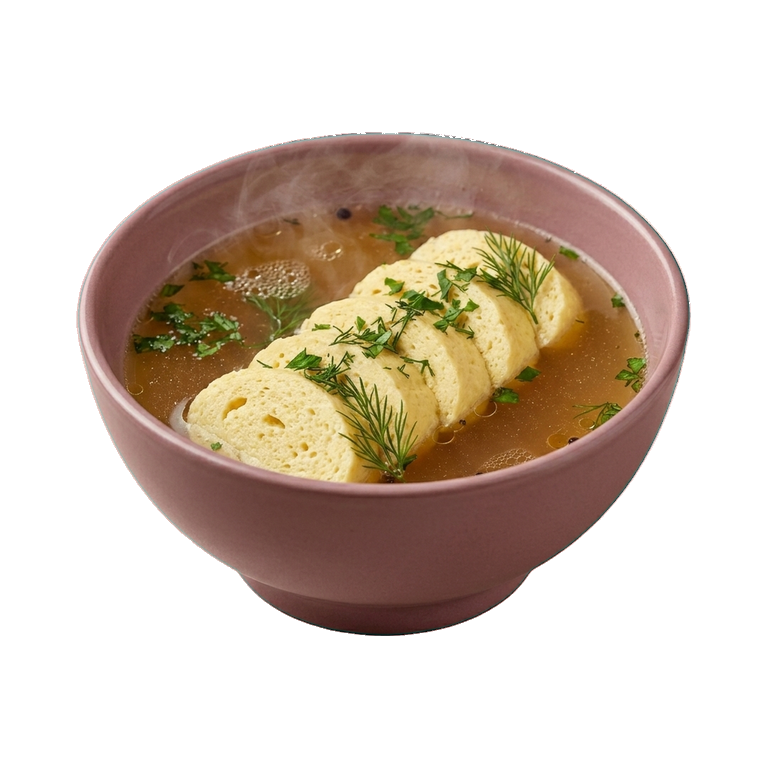
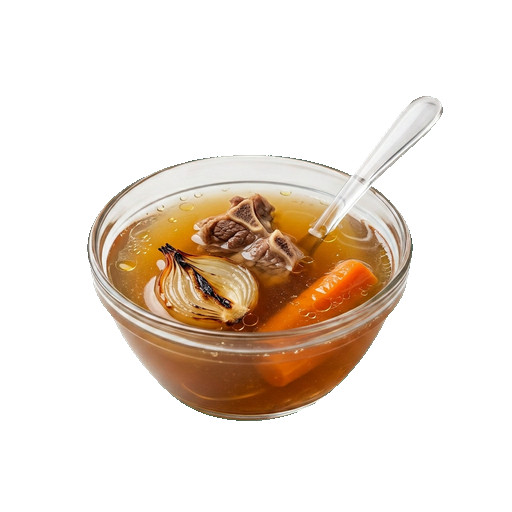
A clear aromatic broth obtained by long simmering of meat with bones, vegetables, and spices, serving as the foundation for soups, sauces, and risotto. Its rich meaty flavor and gelatinous consistency give dishes depth and cohesion, while also helping to bring out the taste of other ingredients. When selecting, it is important to pay attention to the quality of the raw materials and cooking time — homemade broth simmered for several hours far surpasses quick alternatives in flavor.
About
Meat broth is the foundation on which half of the kitchen is built. When people talk about healthy eating and delicious food, they often forget that everything starts with good broth. It is not just a liquid in which meat was boiled: it is concentrated flavor, aroma and nutrition that work in every dish where it appears.
Taste and Aroma
Real meat broth has a deep, rich flavor — slightly sweet, with a light saltiness from bones and meat. Its smell is recognizable: warm, homely, with barely perceptible notes of roasted meat and vegetables, if carrots, onions, or celery were added to the broth.
The quality of broth depends directly on how it was cooked. Long cooking over low heat produces a clear, light broth with a clean taste. Quick cooking or boiling creates a cloudy broth with a less pronounced aroma. Fat content is another indicator: good broth has a thin layer of fat on the surface, which gives it a rounded flavor and helps better reveal spices and herbs.
Where to use it
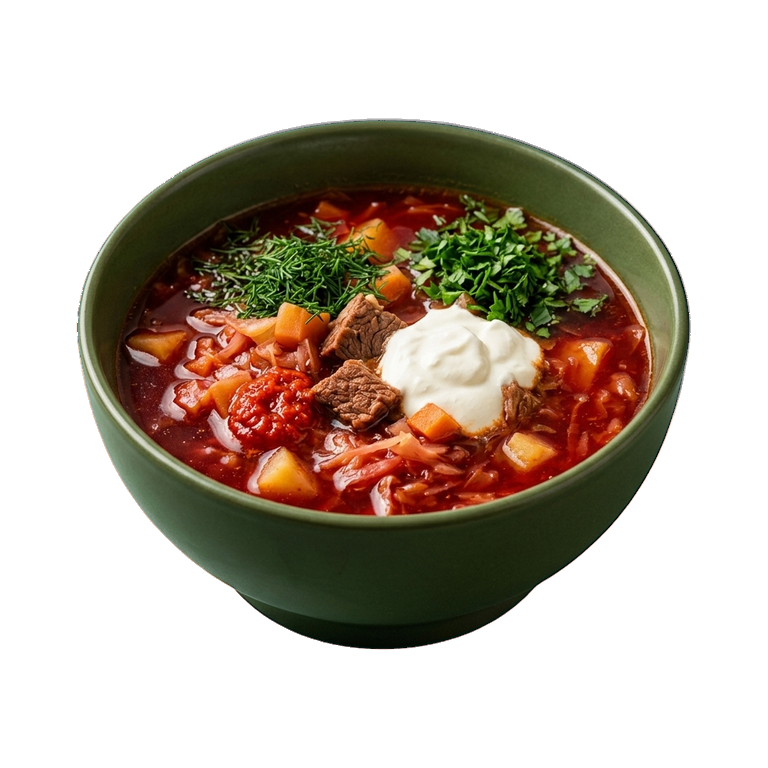
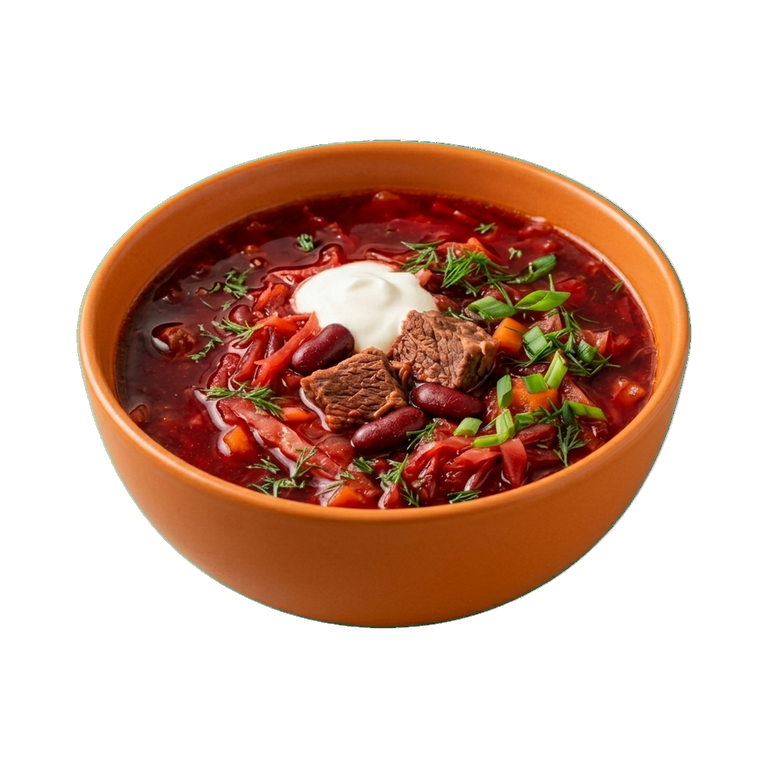
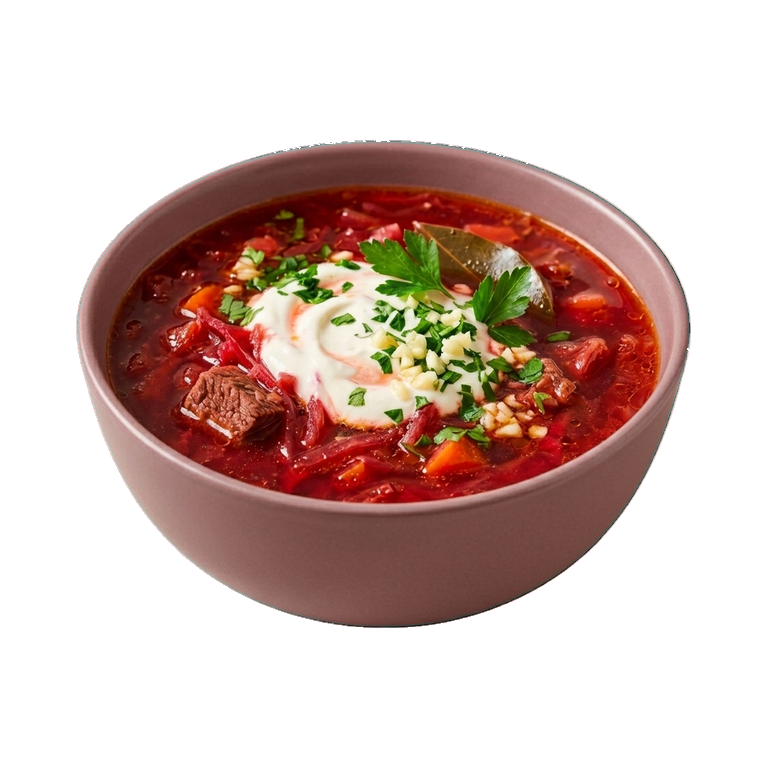
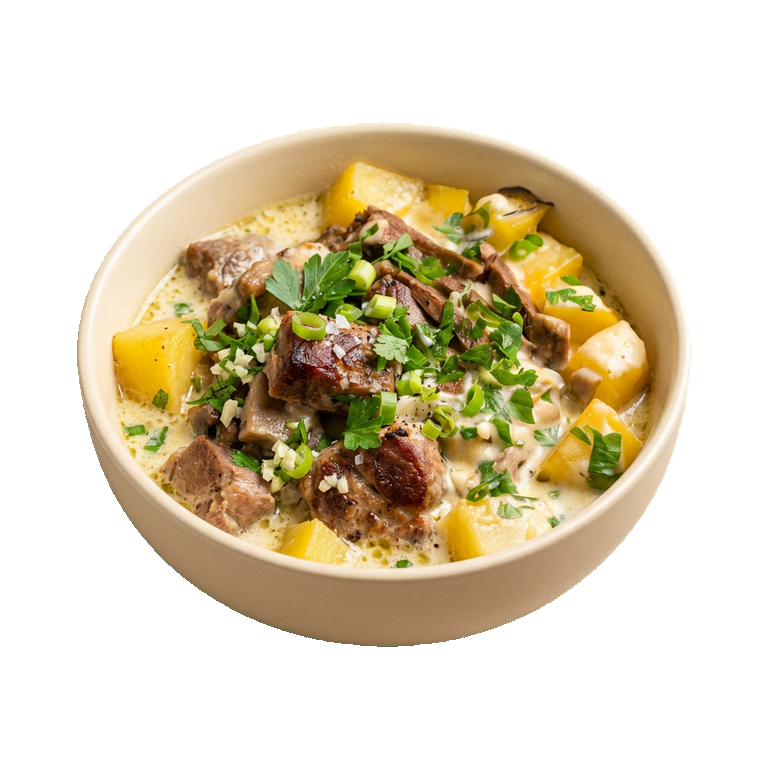
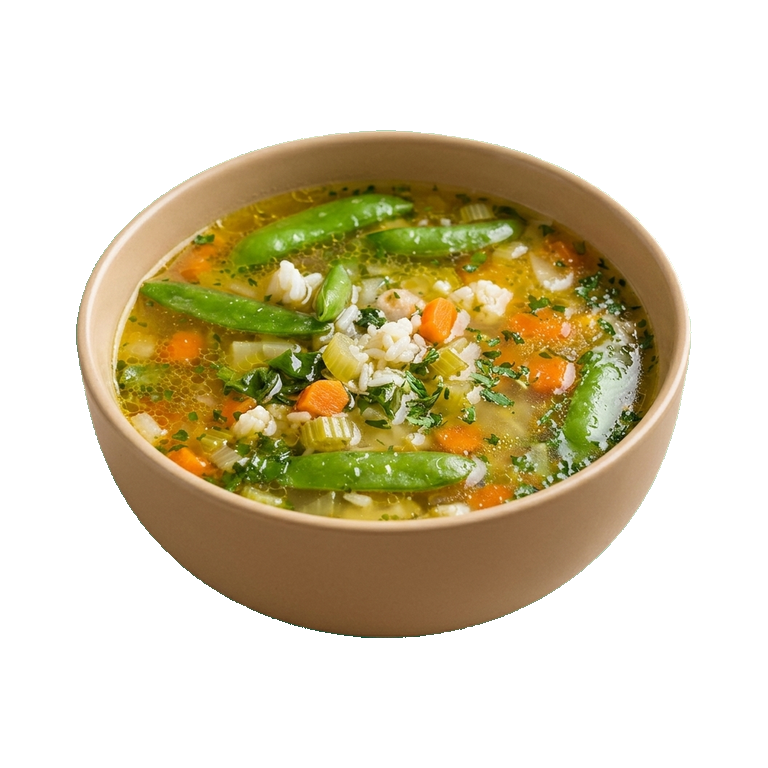
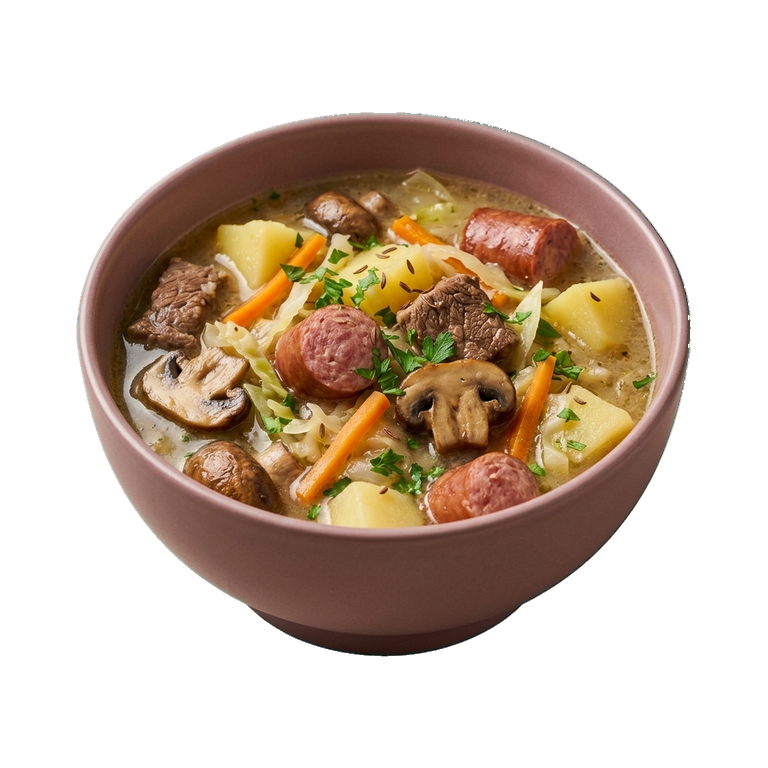
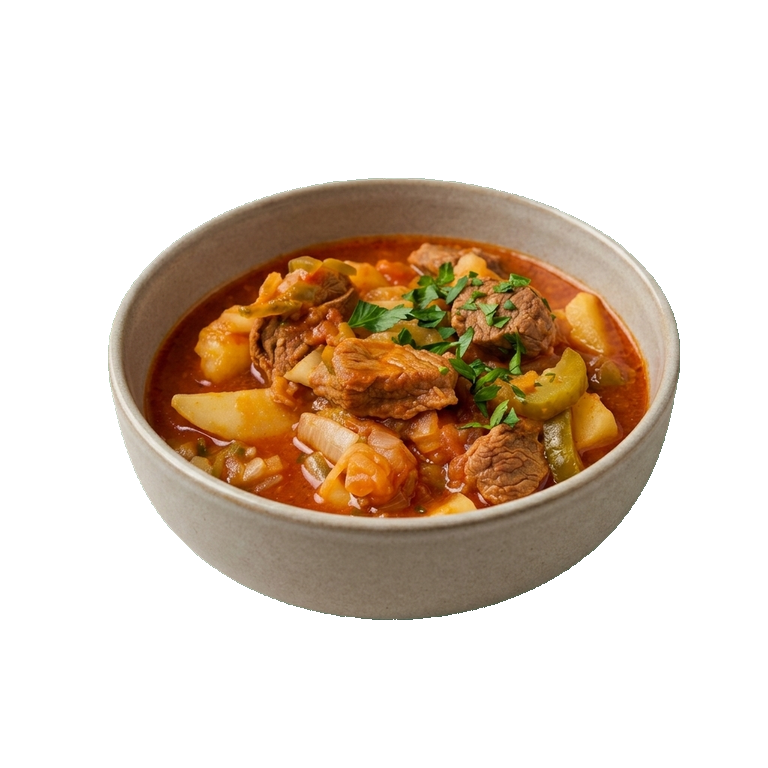
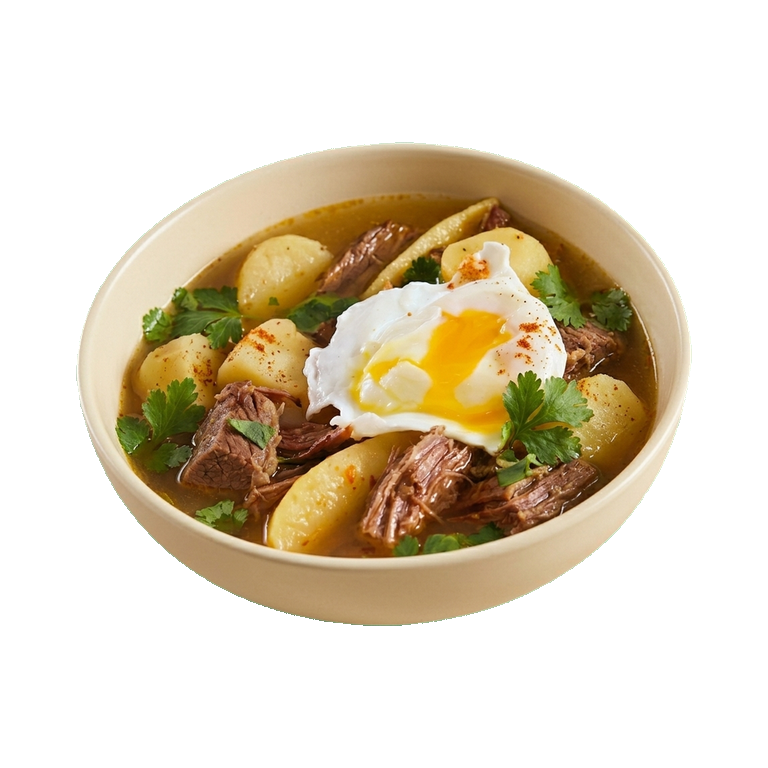
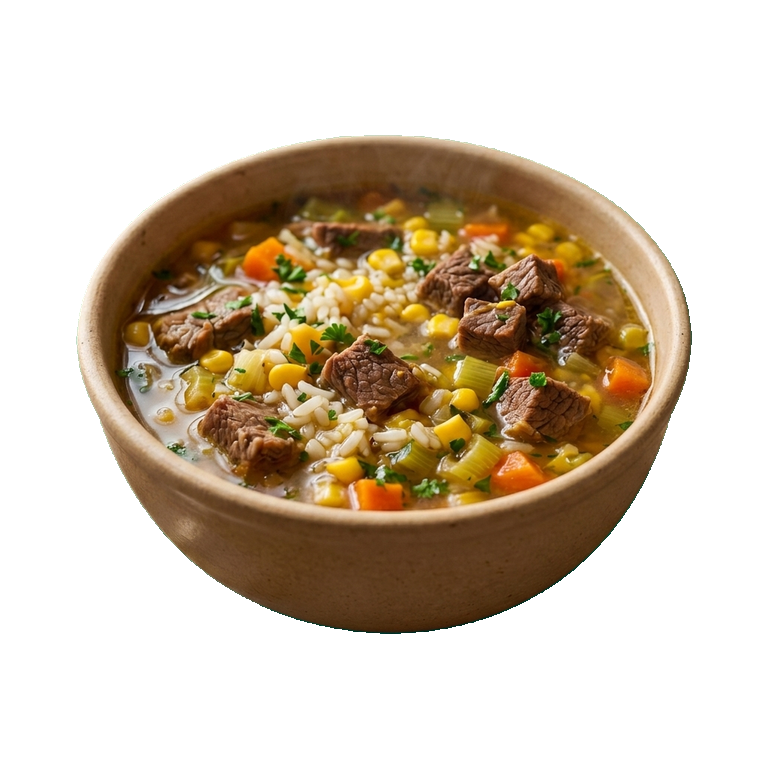
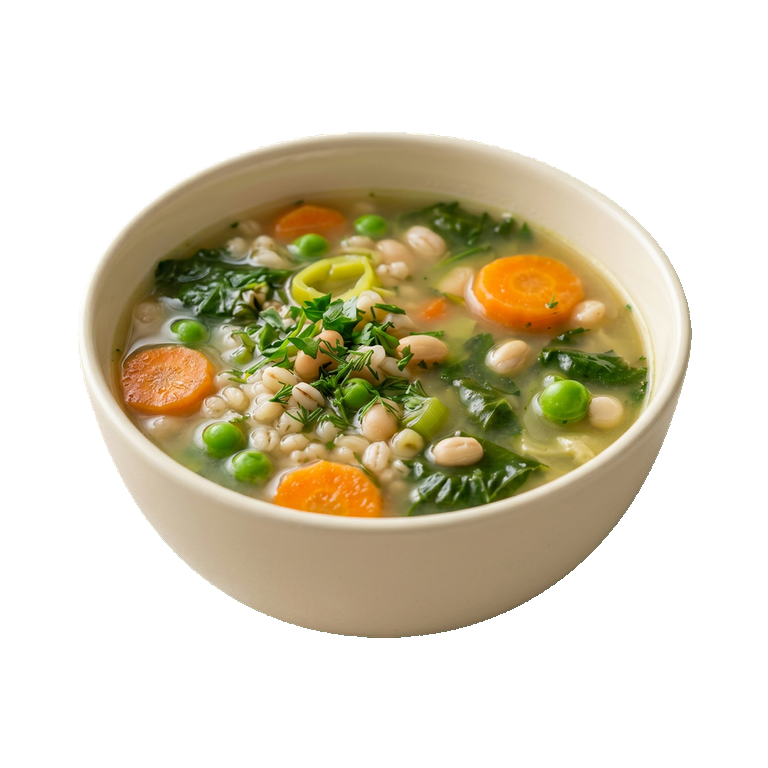
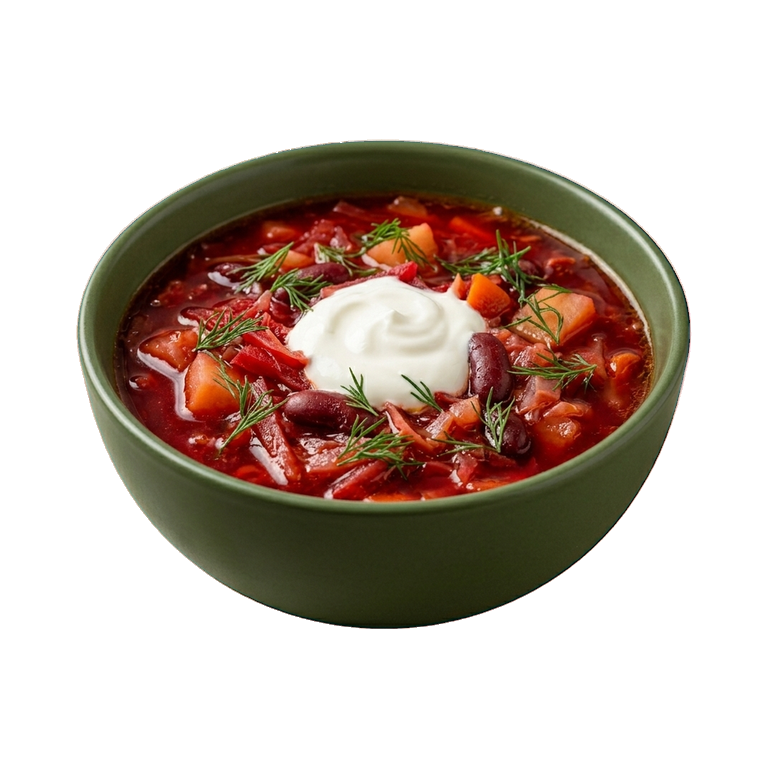
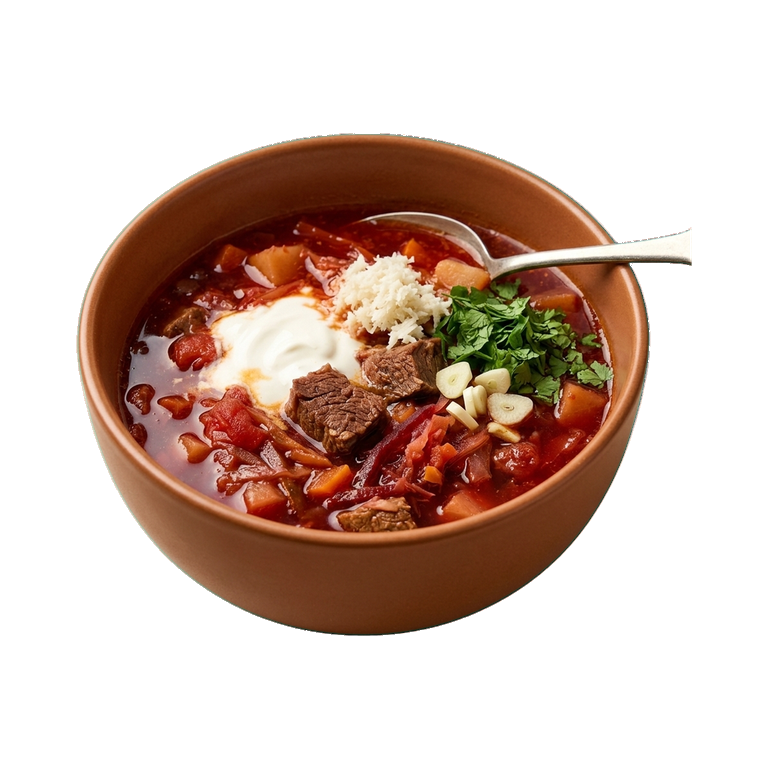
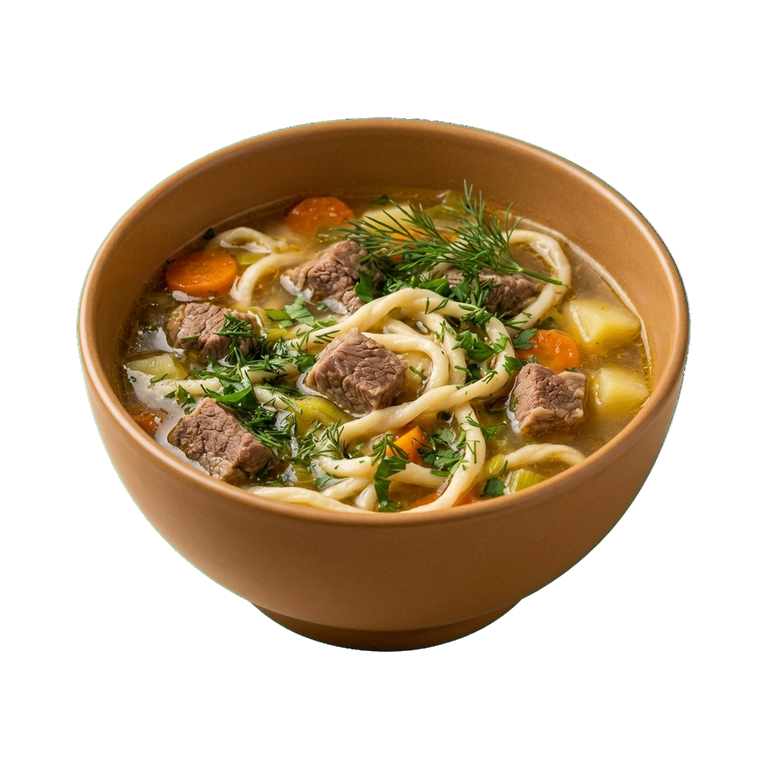
Meat broth is a universal helper. It is the base for soups: borscht, shchi, rassolnik, solyanka. It is used to prepare risotto, pilaf, porridge — any dish that needs moisture and flavor. Even in sauces it works: red sauce, demi-glace, gravy — everywhere meat broth makes the taste deeper and richer.
- Soups and broths — main ingredient
- Garnishes made from cereals and pasta
- Sauces and gravies for meat dishes
- Rice and pasta that need special tenderness
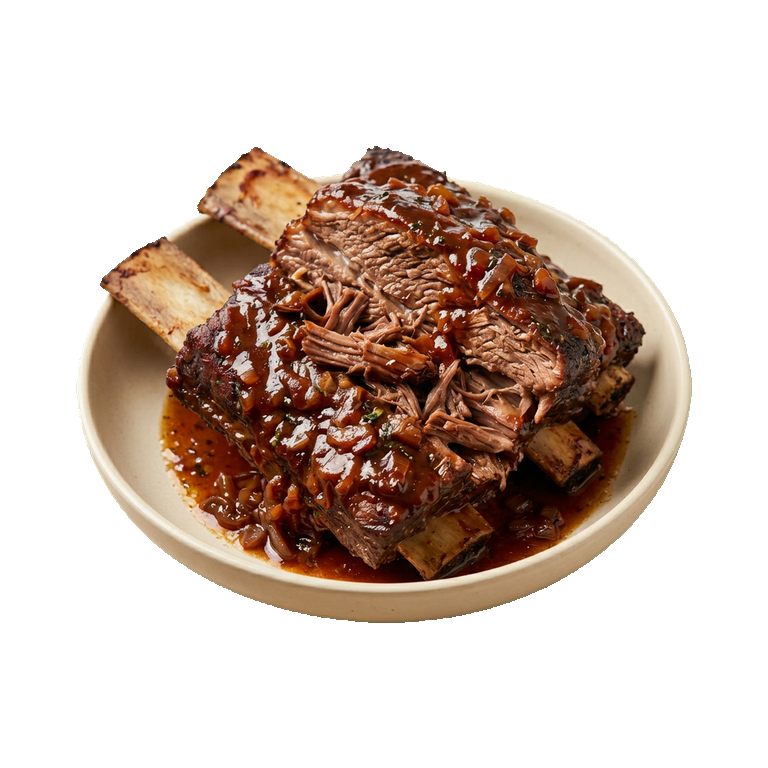
- Stewing meat and vegetables instead of water
How to Choose and Store
If you are buying ready-made broth, pay attention to the composition: it should not contain preservatives and unnecessary additives. Good broth is transparent or slightly cloudy (which is normal), with a fat film on the surface. The smell should be meaty, without any foreign chemical notes.
The best option is to make broth yourself. Take bones with meat (beef, pork, or chicken), cover with cold water, bring to a boil, skim off the foam, reduce heat, and simmer for 2–4 hours depending on the type of meat. Add carrot, onion, celery, black pepper, and bay leaf an hour before the end of cooking.
Ready-made broth can be stored in the refrigerator for 3–4 days in an airtight container. For long-term storage, freeze it in ice cube trays or containers — this way it will take up less space and be convenient to use. Frozen broth maintains its quality for up to three months.
Practical tips
- Do not salt the broth while cooking — add salt to the finished dish. This way you will avoid over-salting if the broth reduces
- Do not discard the fat from the surface of the broth — it is a valuable ingredient for frying vegetables and meat
- If the broth turns out too thin, reduce it over high heat without a lid to the desired concentration
- Mix different types of broths: beef with chicken, pork with beef — this makes the flavor more interesting
Nutrition
per 100 ml
- Calories
- 15 kcal
- Protein
- 1.9 g
- Fat
- 0.5 g
- Carbs
- 0.5 g
Measures and weight
- 1 tbsp
- 15 g
- 1 tsp
- 5 g
- 1 cup
- 250 g
Measure calculator
- Weight
- 100 g
- Calories
- 15 kcal