Usuba
Usuba
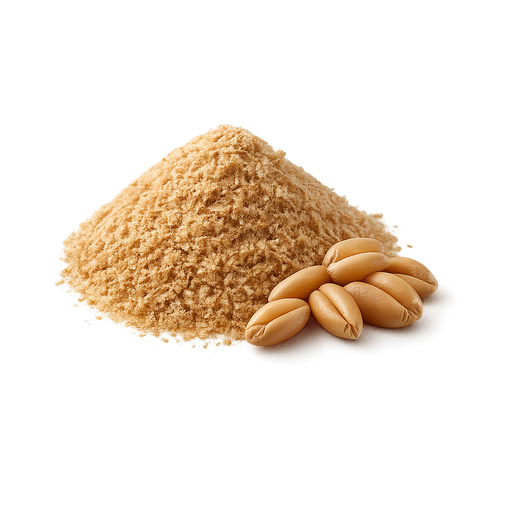
Bran
Bran is the hard outer shell of cereal grains that remains after flour separation. It is rich in fiber and has a neutral, slightly nutty flavor with a light bitterness. In cooking, bran is added to bread, cereals, baked goods, and smoothies to increase nutritional value and texture, and when substituting other ingredients, it should be noted that bran absorbs more liquid and can make a dish denser.
About
Bran is what remains after grain processing. When flour is separated from the husk and germ, this product is obtained. In cooking, bran was long considered a byproduct, but today it is a full-fledged ingredient that works in both sweet and savory dishes.
Taste and texture
Bran has a slightly nutty, grainy flavor with a hint of bitterness — this is normal and valued in recipes. Its texture is coarse, crunchy, almost sandy. When you add bran to dough or cereals, it doesn't dissolve completely but creates an interesting contrast with the soft base. This sensation of wholesomeness in your mouth — not intrusive, but pleasant.
Where to use them
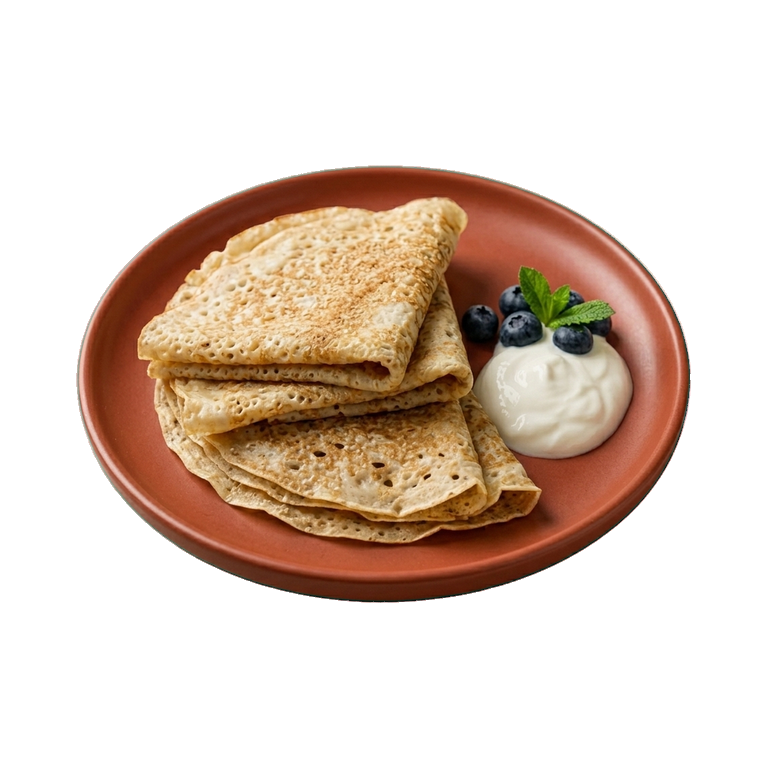
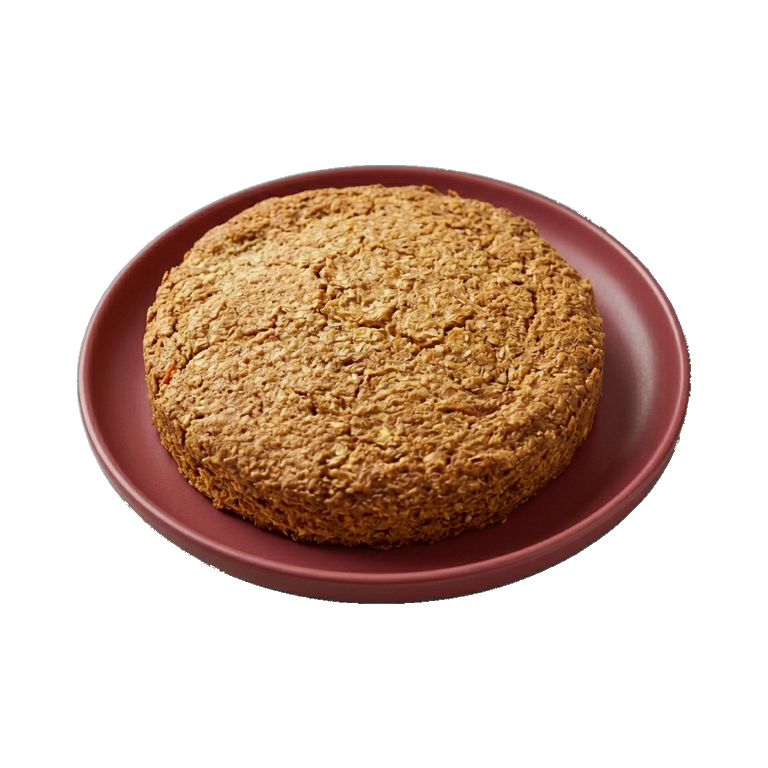
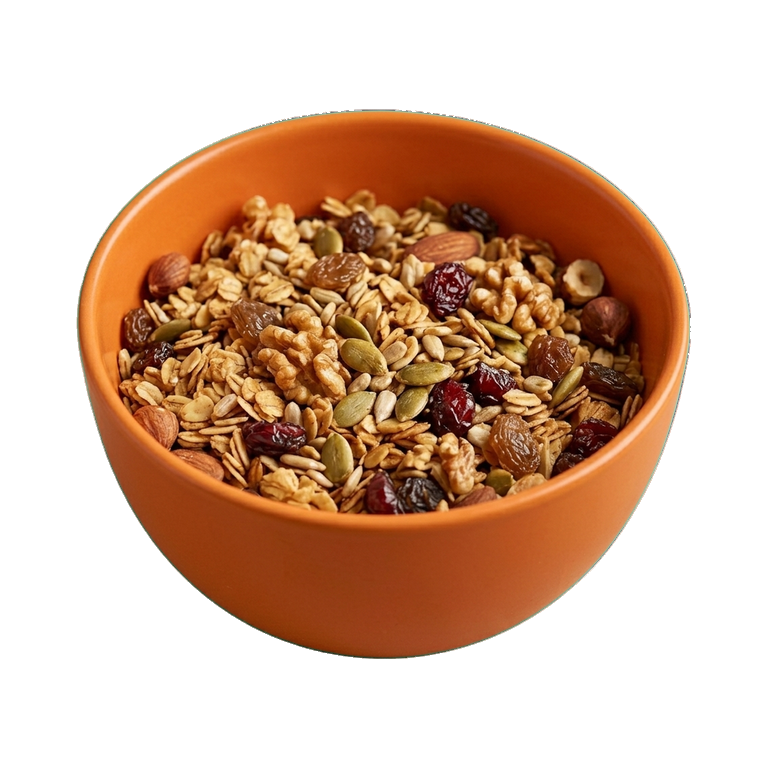
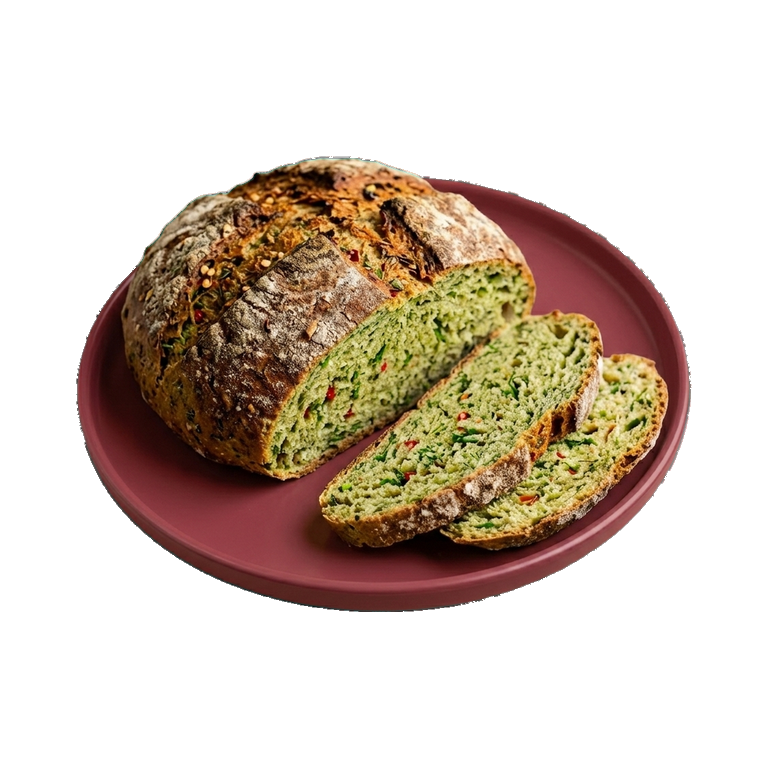
Bran works well in baking: add it to bread dough, buns, cookies — it will make the crumb more interesting. Add bran to porridges and muesli for texture and nutrition. It retains moisture, so baked goods with bran stay fresh longer. You can sprinkle it over yogurt, cottage cheese, add it to smoothies or use it in dry breadcrumb mixtures.
- Wheat bran — the most versatile, suitable almost everywhere
- Rye bran has a more pronounced flavor, great in dark bread
- Oat bran is softer and sweeter, better for cereals and beverages
- Rice bran is more delicate, suitable for Asian cuisine and baking
Selection and Storage
Choose bran with a uniform color without lumps and foreign odors. It should be dry to the touch. Pay attention to the packaging date — freshness affects the taste. Store bran in a tightly closed container in a cool place, preferably in the refrigerator or freezer, since it contains a lot of oils that can oxidize over time and become bitter.
If you are adding bran to a dish for the first time, start with small amounts — approximately 10–15% of the flour weight in baked goods. Bran absorbs liquid, so when replacing part of the flour with bran, you may need slightly more liquid in the dough. Don't be afraid to experiment: bran pairs well with honey, nuts, dried fruits, and spices.
Nutrition
per 100 g
- Calories
- 206 kcal
- Protein
- 15.6 g
- Fat
- 4.3 g
- Carbs
- 64.3 g
Measures and weight
- 1 tbsp
- 6.8 g
- 1 tsp
- 2.3 g
- 1 cup
- 112.5 g
Measure calculator
- Weight
- 100 g
- Calories
- 206 kcal