Usuba
Usuba
Pasta
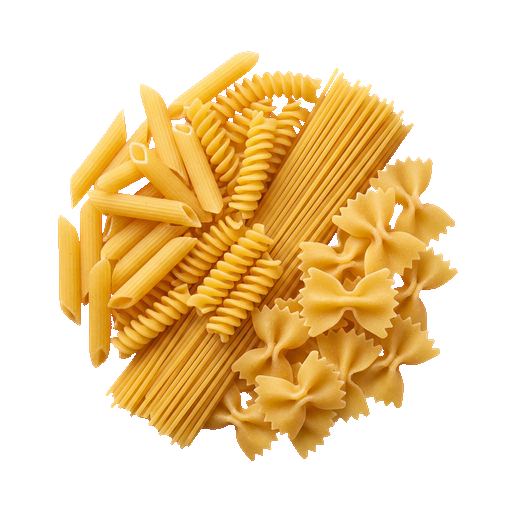
Pasta is an Italian pasta product made from flour and water, sometimes with the addition of eggs, in a variety of shapes and sizes. It serves as the base for many dishes and absorbs sauces well thanks to the porous structure of its surface. When choosing pasta, pay attention to the quality of the flour — pasta made from durum wheat holds its shape better and doesn't become overcooked, while the cooking time is indicated on the package and depends on the thickness and shape of the product.
About
Pasta is not just a pasta product, it is the foundation on which a vast layer of culinary traditions is built. When you cook pasta, you work with a product that holds a light sauce equally well or absorbs a rich ragù. Each shape — from thin spaghetti to large rigatoni tubes — is chosen for a reason: it determines how the dish will feel on your tongue and how the sauce will be distributed on the plate.
Forms and Their Purpose
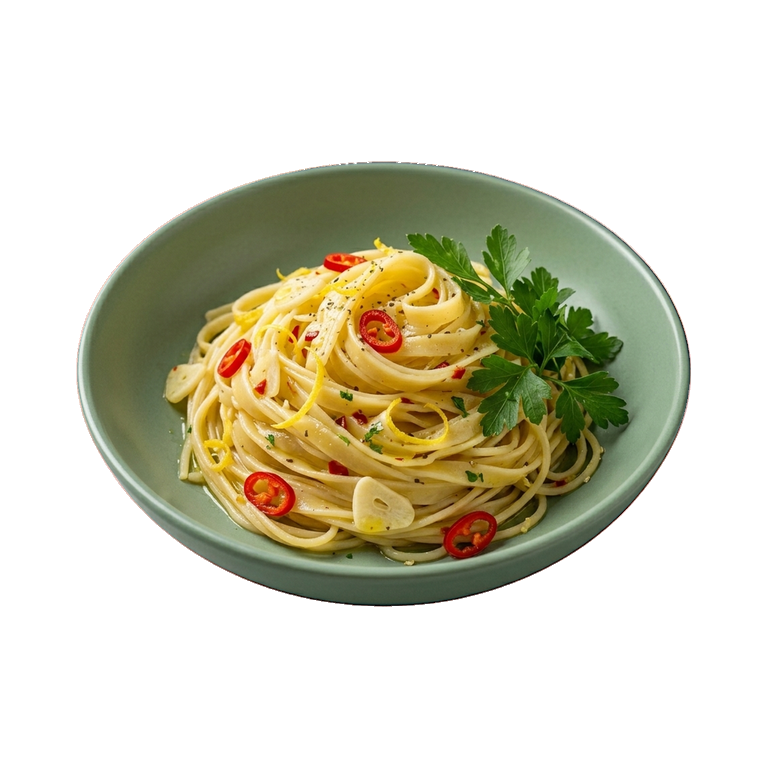
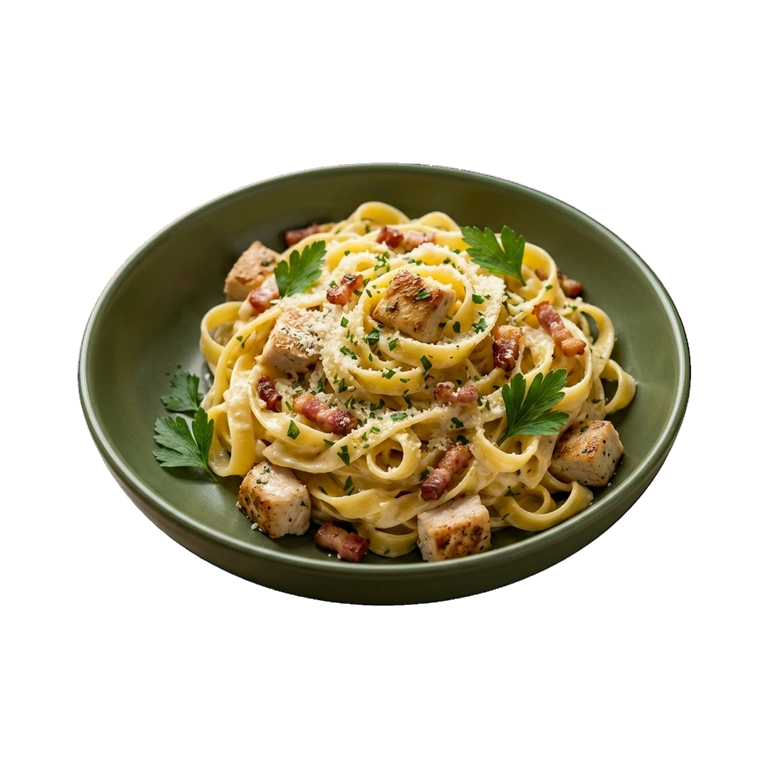
- Long thin pasta (spaghetti, linguine, fettuccine) works best with light buttery sauces or tomato gravies — they catch the sauce along their entire length
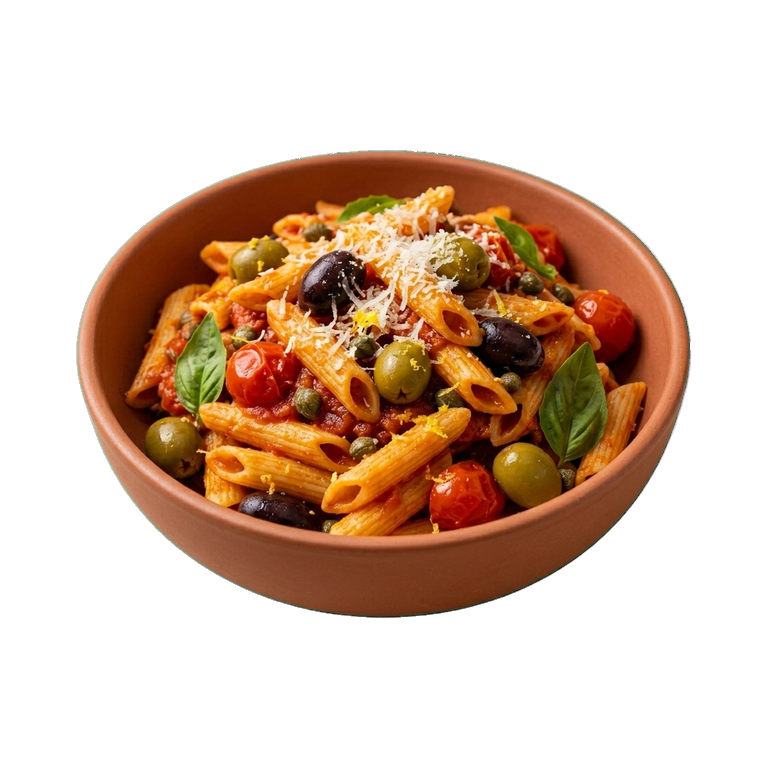
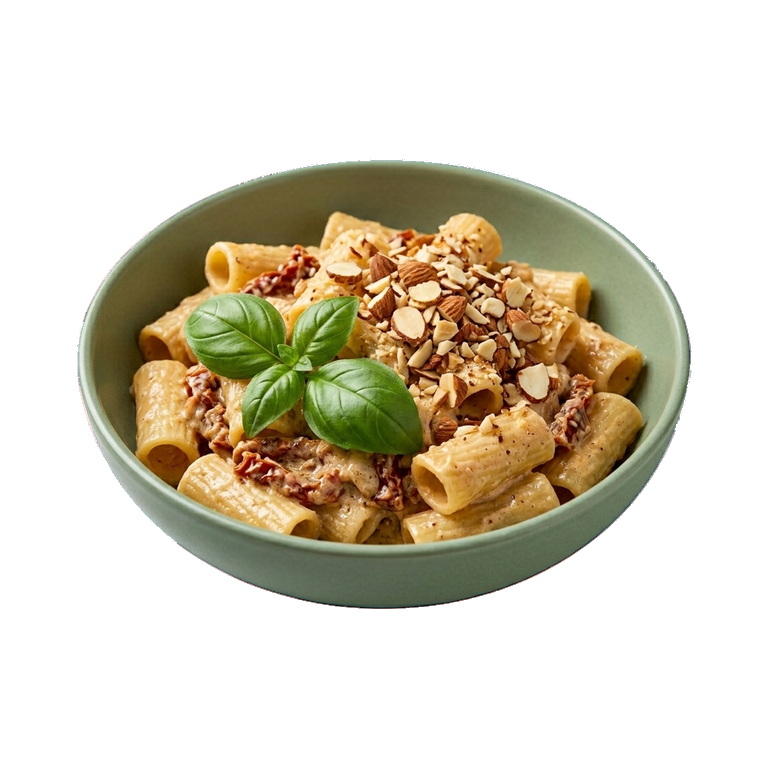
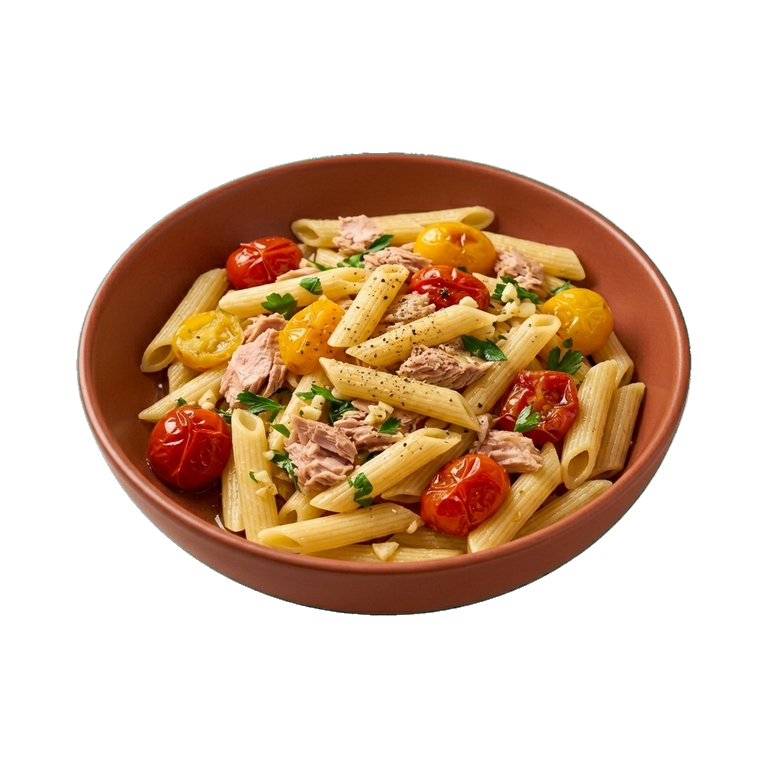
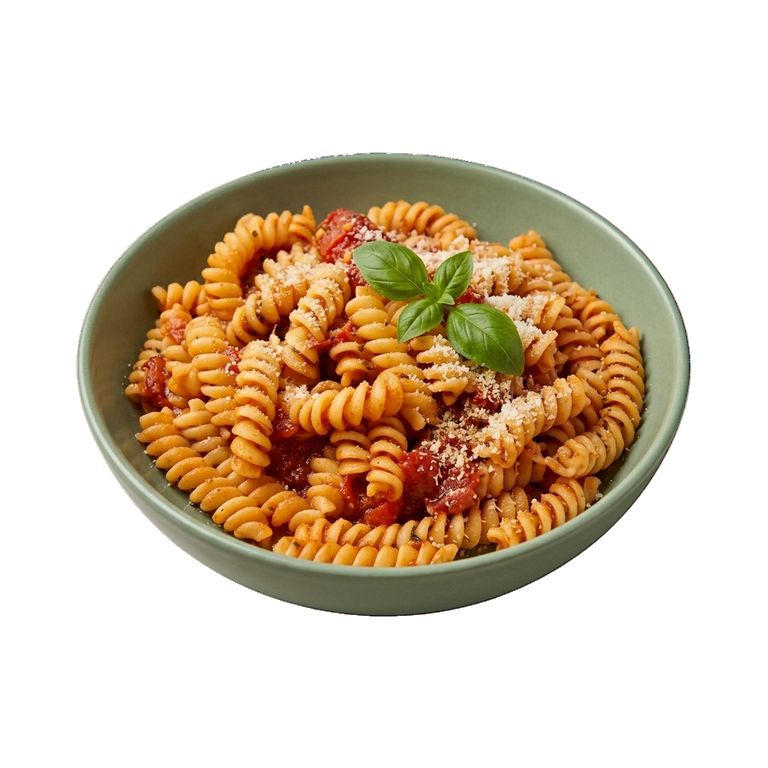
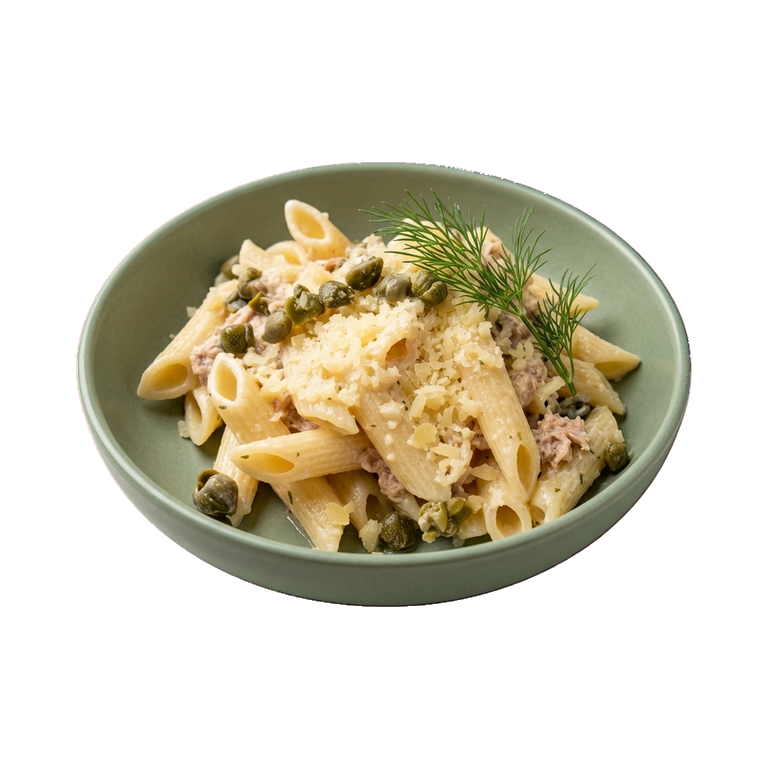
- Short tubes and spirals (penne, rigatoni, fusilli) are ideal for thick ragù and creamy sauces, as the sauce gets inside and clings to the surface
- Small shapes (orzo, ditalini) are suitable for soups and casseroles where compactness is needed
- Sheet pasta (lasagna) is designed for layered dishes with sauces and fillings
Quality and Selection
When choosing pasta, pay attention to the composition: pasta made from durum wheat holds its shape better and doesn't turn into mush. The color should be even, light yellow or cream, without spots or darkening. Good pasta releases starch gradually during cooking, not all at once — this helps the sauce stick better to the pasta.
How to Cook Properly
- Use plenty of water — at least one liter per 100 grams of pasta. The pasta should float freely, otherwise it will stick together
- Add salt to boiling water before the pasta — it should be slightly salted, like sea water
- Stir during the first two minutes of cooking, then periodically check for doneness
- Remove the pasta a minute earlier than indicated on the package — it will finish cooking in the pan with sauce
- Reserve a cup of starchy water before draining — it will help the sauce coat the pasta better
Storage
Store dry pasta in a tightly sealed container in a cool place — it can last for years without losing quality. Fresh pasta, if you make it at home, keep in the refrigerator for a maximum of two days or freeze for months. Ready-made pasta with sauce is better not to store — it softens and loses texture, but in a pinch an airtight container in the refrigerator will keep the dish for a day.
Combinations and Experimentation
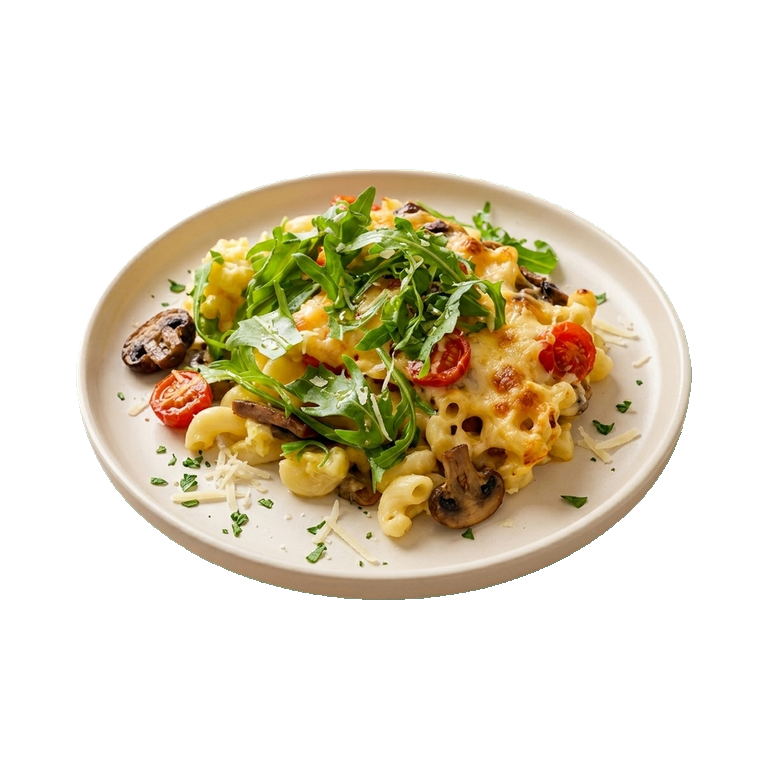
Pasta is versatile: it works with vegetables, seafood, meat, cream and tomato sauces. Try changing shapes depending on the ingredients — for example, fusilli goes well with broccoli pieces, and thin spaghetti pairs beautifully with delicate scallops. Pasta is also great in cold salads, casseroles, and even soups. The main thing is not to be afraid to experiment and remember that the shape and quality of pasta affect the final result.
Nutrition
per 100 g
- Calories
- 371 kcal
- Protein
- 13 g
- Fat
- 1.1 g
- Carbs
- 75 g
Measure calculator
- Weight
- 100 g
- Calories
- 371 kcal