Usuba
Usuba
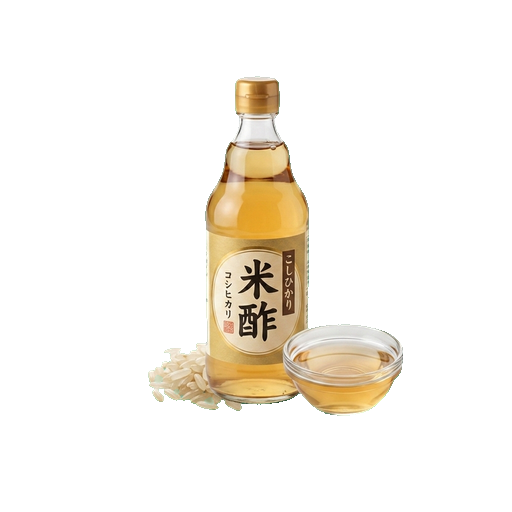
Rice vinegar
Rice vinegar is a mild and delicate vinegar with a subtle hint of sweetness, derived from fermented rice. It is significantly less acidic than wine or apple vinegar, so it doesn't overpower the dish's flavor and works well for Asian cuisine — sushi, marinades, dressings, and sauces. When substituting with another vinegar, keep in mind that rice vinegar should be used in greater amounts or diluted with water to avoid over-acidifying the dish.
About
Delicate vinegar with a subtle character
Rice vinegar is one of the mildest and most balanced vinegars in cooking. Unlike aggressive wine or table vinegar, it has a delicate, slightly sweet taste and doesn't cut the tongue with sharp acidity. This mildness makes it a versatile kitchen helper, especially when you need to add acidity without overpowering the other flavors of the dish.
Taste and aroma
Rice vinegar has a pleasant, almost fruity aroma with subtle honey notes. The taste is well-rounded, without sharp edges — acidity here works not as a dominant feature, but as a delicate accent. This makes it ideal for delicate dishes where harsh acidity would be a mistake.
Where to use it
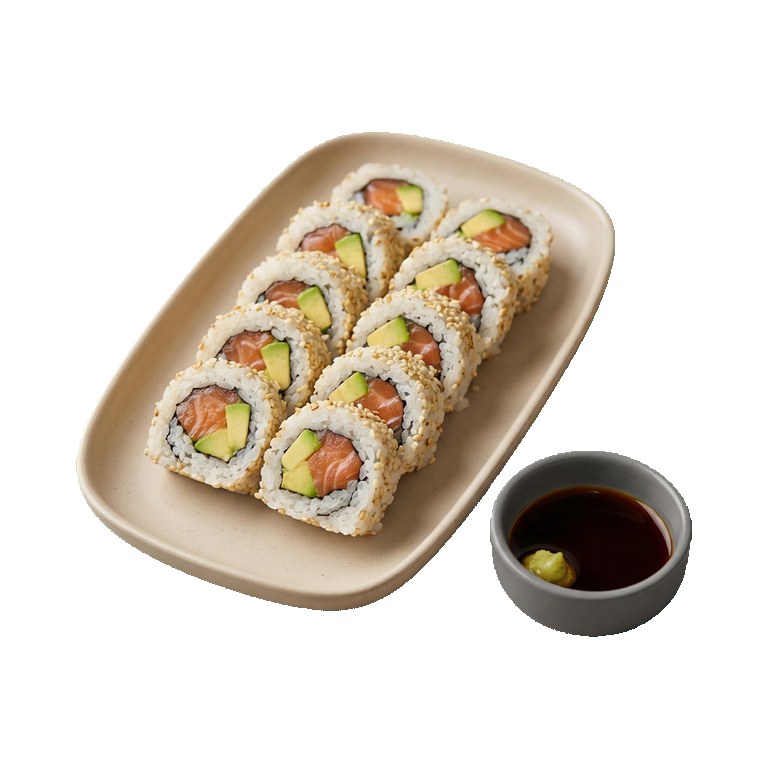
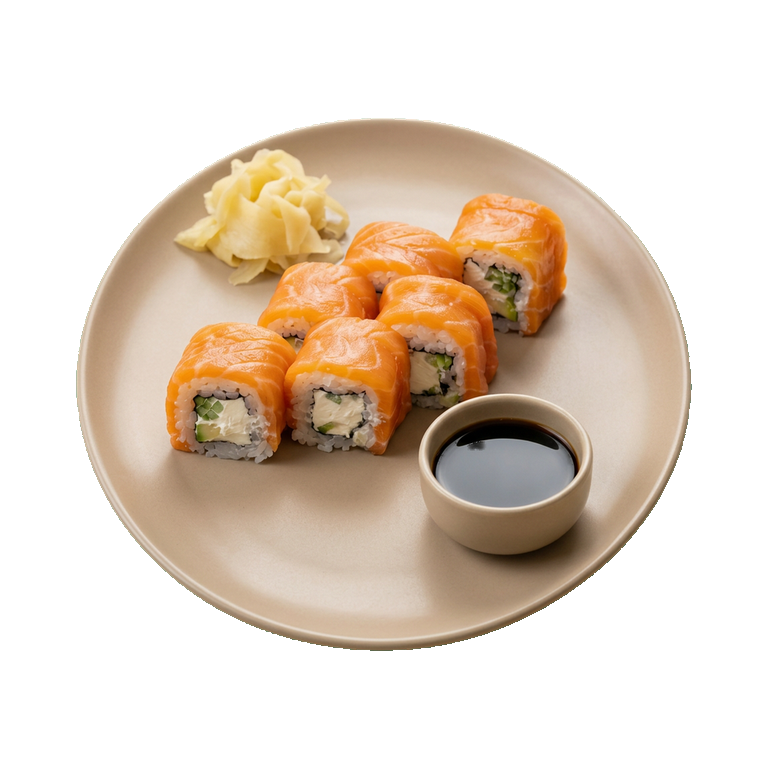
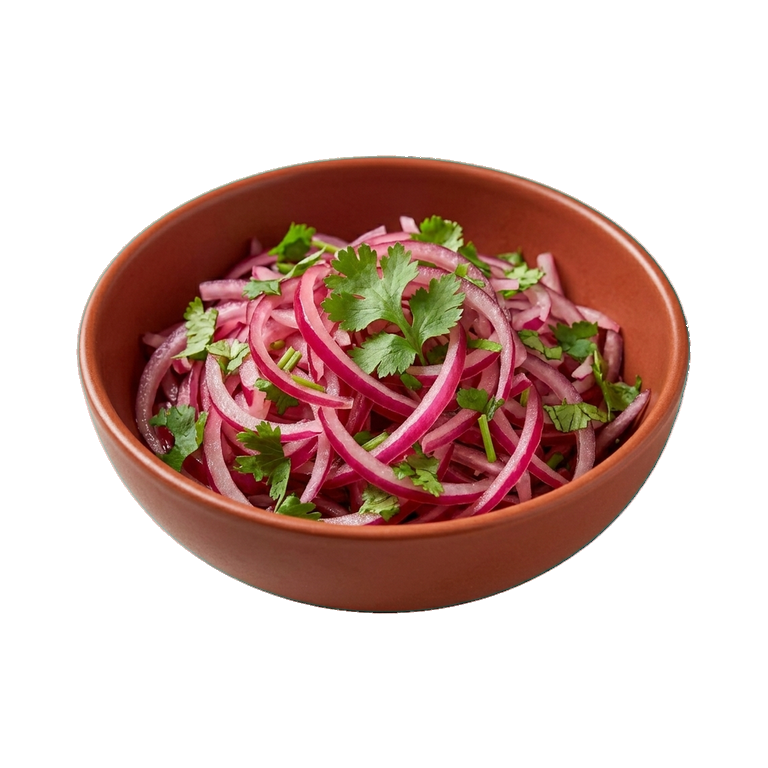
Rice vinegar is an indispensable component in Asian cuisine. It is added to rice for sushi to give it a subtle acidity and characteristic shine. It is included in marinades for vegetables, giving them freshness without harshness.
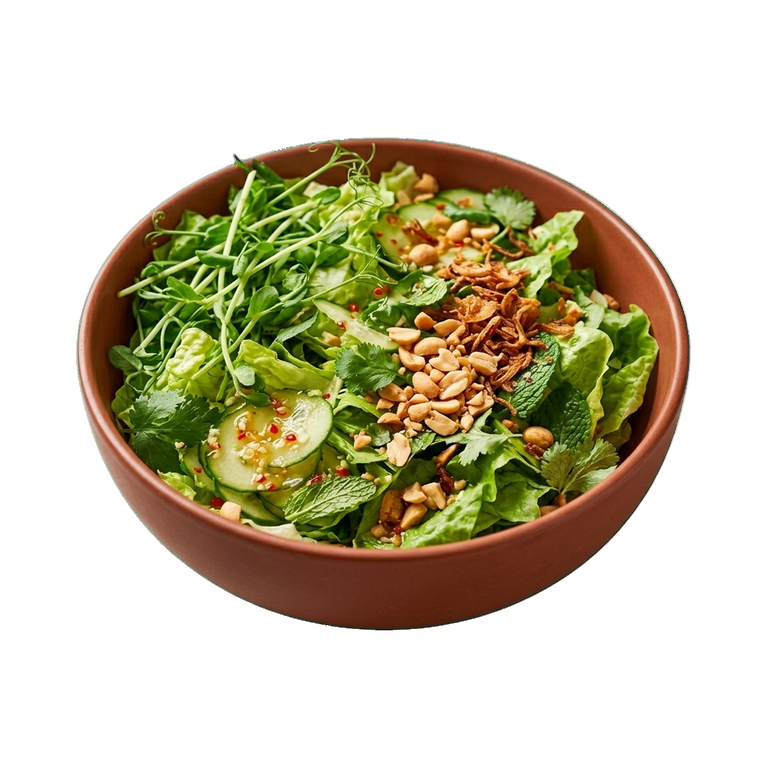
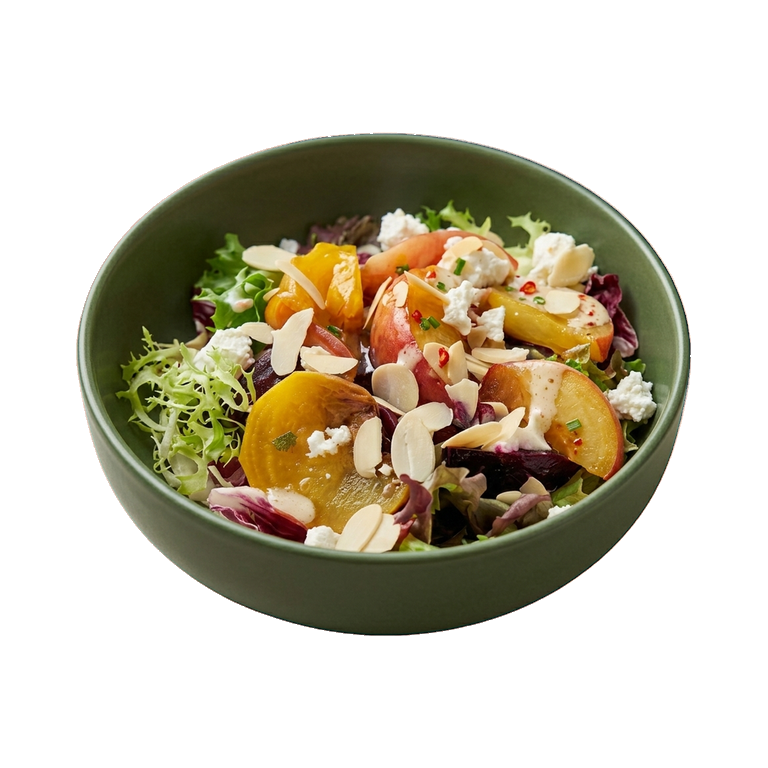
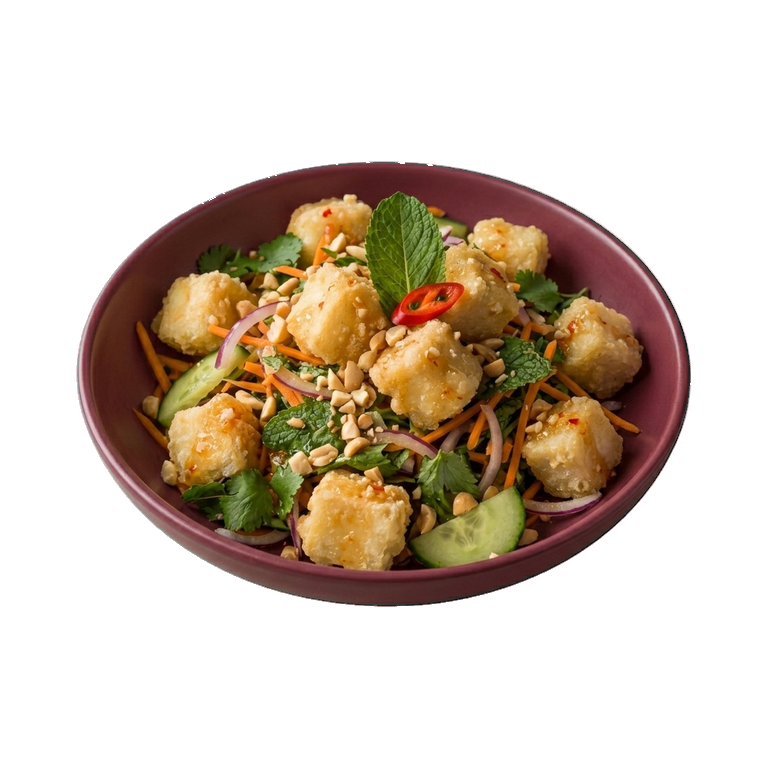
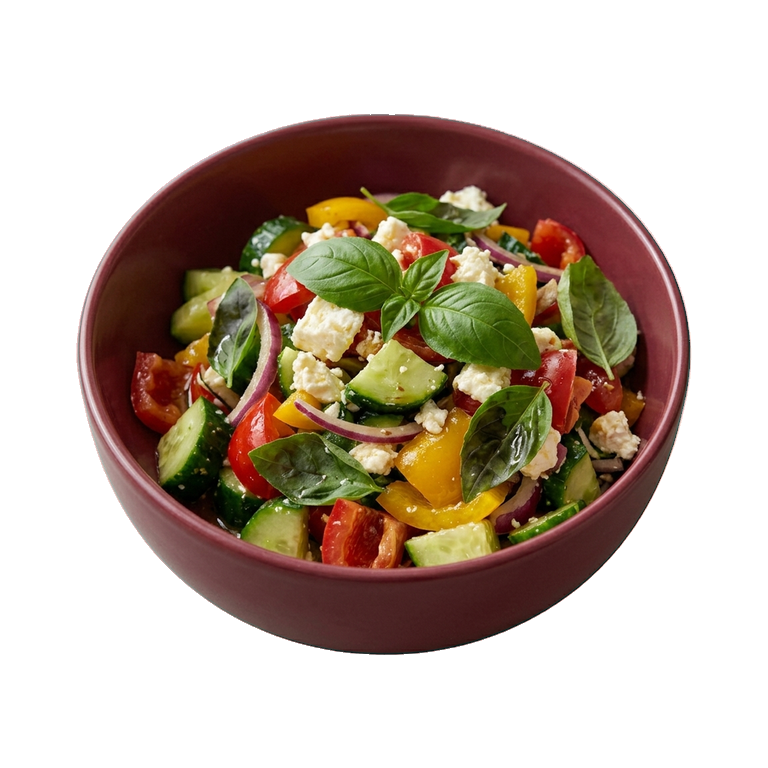
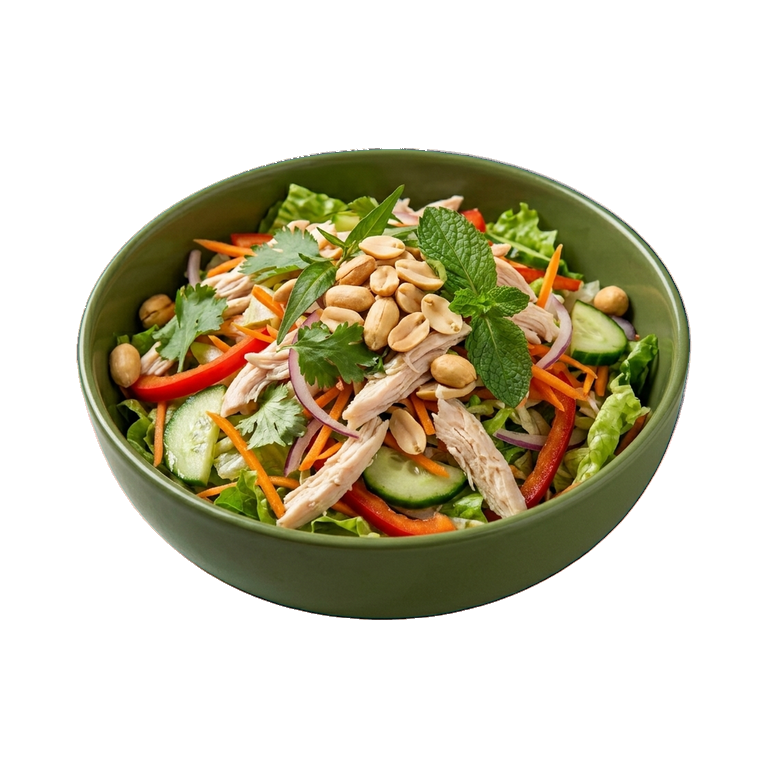
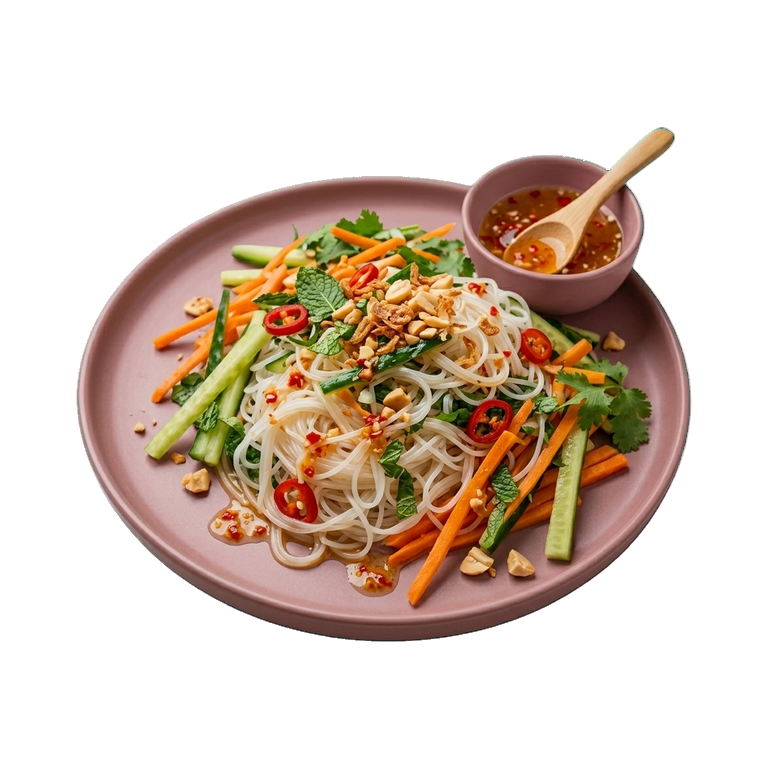
- Dressings for salads and vegetable mixes
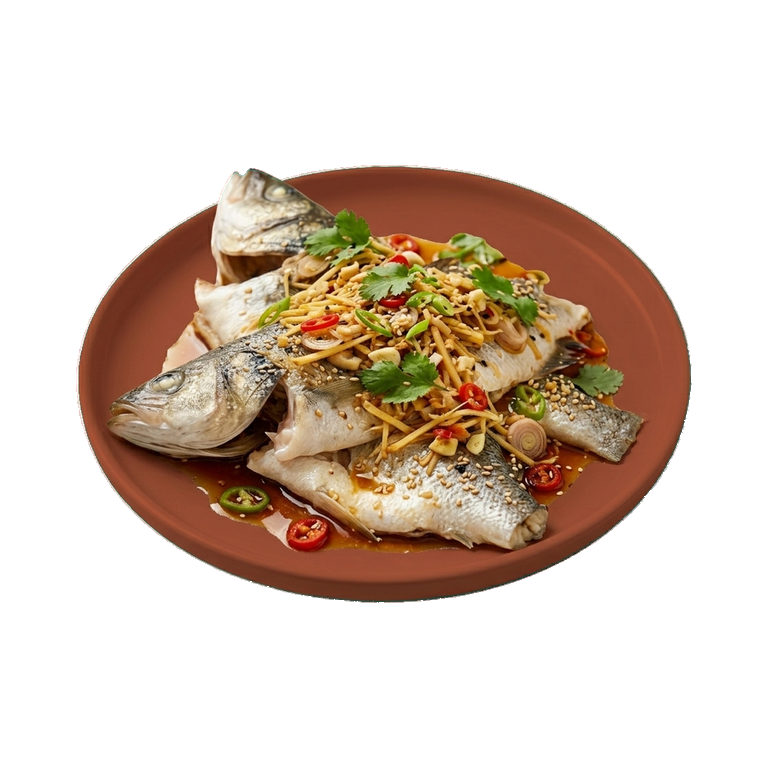
- Marinades for fish and seafood
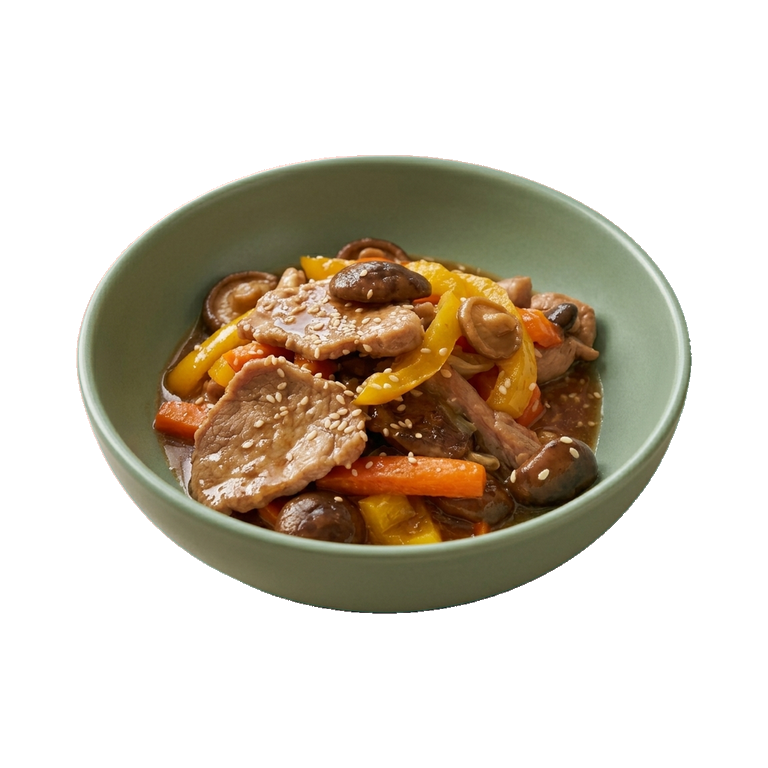
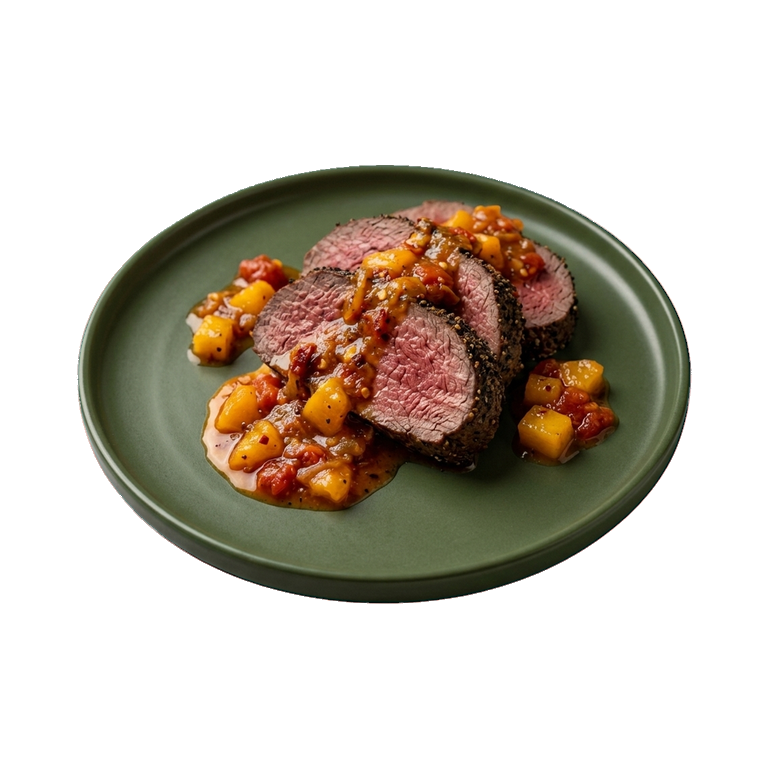
- Sweet and sour sauces for meat and vegetables
- Pickled vegetables and ginger
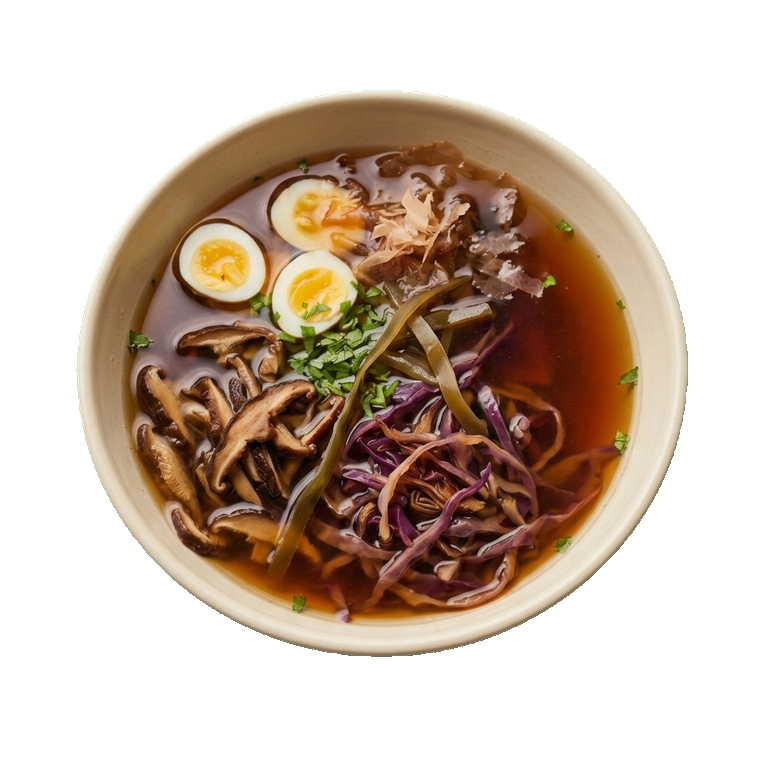
- Soups and broths that need a light acidic note
Successful Combinations
Rice vinegar works well with ginger, garlic, and soy sauce — a classic trio of Asian cuisine. It pairs nicely with sesame oil, adding depth to dressings. The mild acidity of the vinegar doesn't conflict with delicate vegetables, seafood, and white fish.
If you don't have rice vinegar on hand, you can replace it with a mixture of white wine vinegar with a drop of honey or sugar — this will approximate the flavor profile. However, you won't achieve complete identity: rice vinegar has its own character that is difficult to reproduce.
How to Choose and Store
When choosing, pay attention to the color — quality rice vinegar is usually transparent or has a light golden tint. Check the ingredients: ideally, it should contain only rice, water, and salt, without added sugar and preservatives. More expensive versions often have a more complex, multi-layered flavor.
Rice vinegar keeps well for a long time — in a cool, dark place it retains its properties for years. A sealed bottle protects it from oxidation and evaporation. After opening, you can safely store it in your kitchen cabinet, but it's better to keep it away from direct sunlight.
Dosage and Practical Tips
Due to the mildness of rice vinegar, you can be more generous with the dosage than with regular table vinegar. For a salad dressing for four people, one to two tablespoons is enough. For a marinade for fish or vegetables — approximately a quarter cup per kilogram of product. Always add vinegar at the end of cooking or to the finished dish to avoid losing its delicate aroma when heated.
If the dish turns out too sour, don't rush to fix it — rice vinegar often opens up and softens over a few hours as the flavors blend well together. This is yet another advantage of its delicate character.
Nutrition
per 100 ml
- Calories
- 18 kcal
- Protein
- 0.1 g
- Fat
- 0 g
- Carbs
- 0.4 g
Measures and weight
- 1 tbsp
- 15 g
- 1 tsp
- 5 g
- 1 cup
- 250 g
Measure calculator
- Weight
- 100 g
- Calories
- 18 kcal