Usuba
Usuba
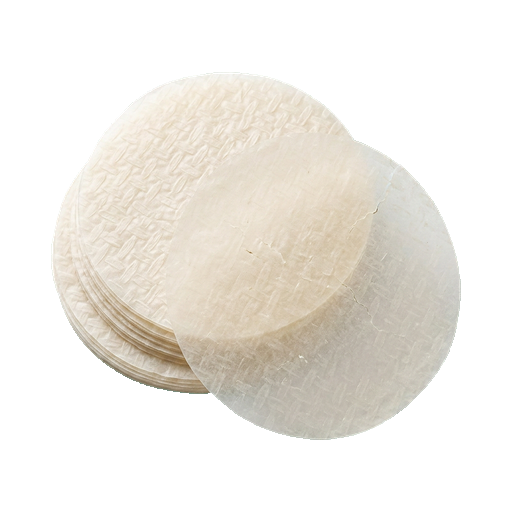
Rice paper
A thin translucent sheet made from rice flour and water, used in Asian cuisine for preparing spring rolls, summer rolls, and other appetizers. When moistened, the paper becomes elastic and sticky, allowing you to wrap fillings easily, and when fried, it acquires a crispy texture. Choose thicker paper for cooked dishes and thinner paper for fresh rolls, keeping in mind that it dries quickly and may crack — keep it under a damp towel while working.
About
Rice paper is a thin, semi-transparent sheet made from rice flour and water that has become an indispensable kitchen helper. Its main feature is that it's soft, flexible, and literally melts in your mouth, creating a delicate texture. When you dip it in hot water for a few seconds, it softens and becomes pliable — perfect for wrapping fillings.
Where to use it
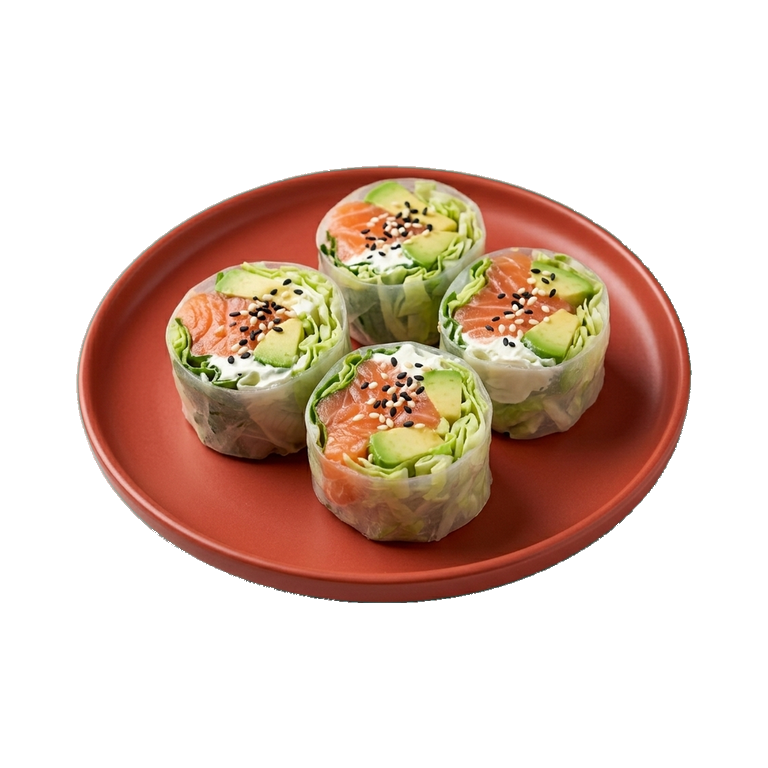
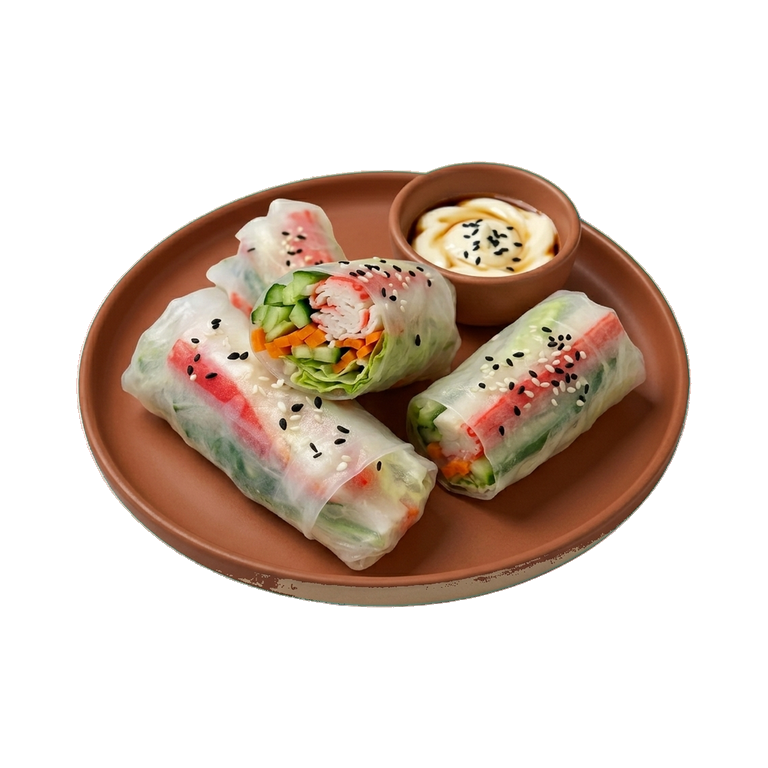
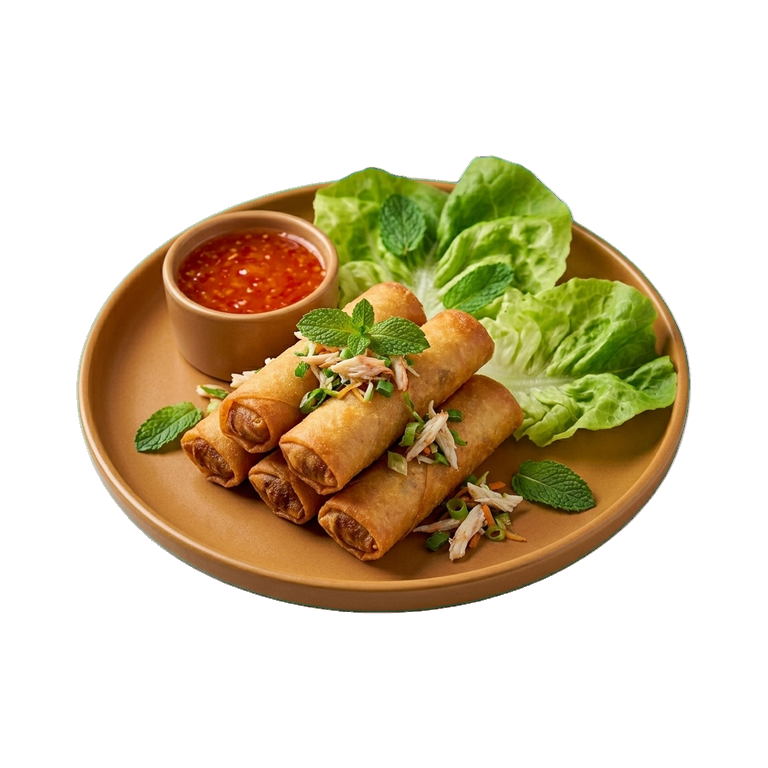
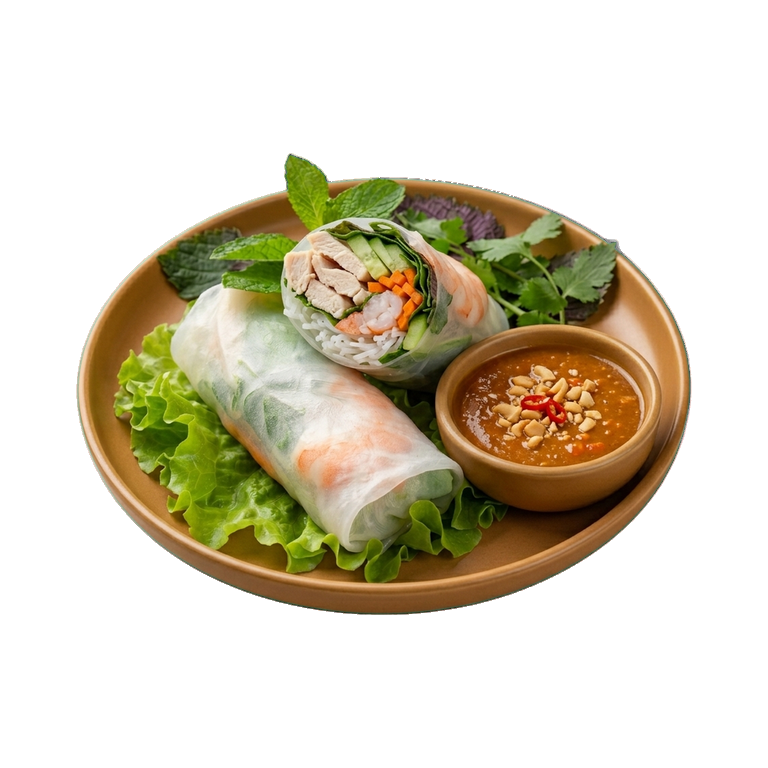
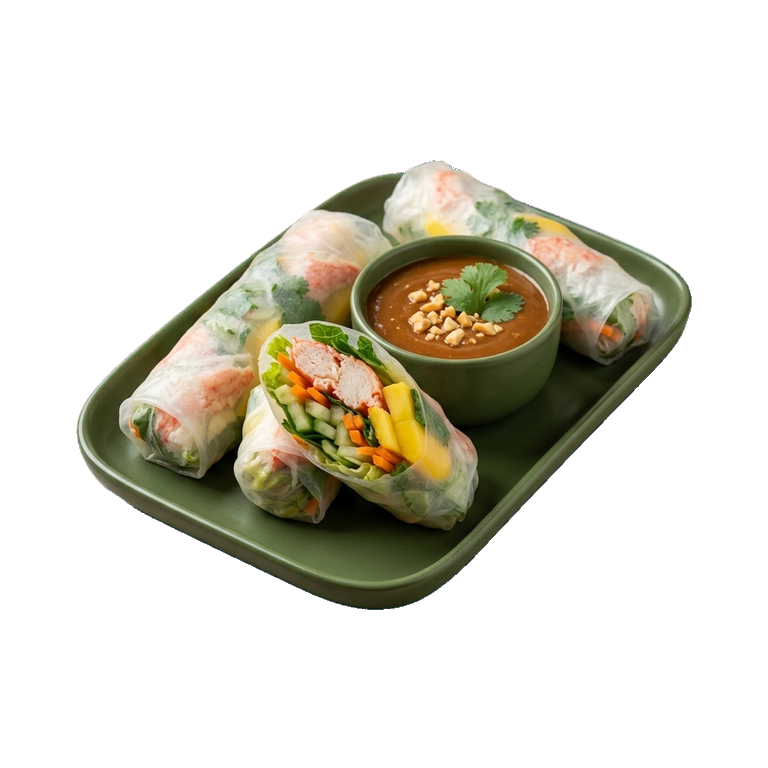
Rice paper is the base for Vietnamese spring rolls and summer rolls. It is wrapped around vegetables, shrimp, noodles, or meat, creating a light, transparent dish that holds its shape well. It works for both hot and cold appetizers.
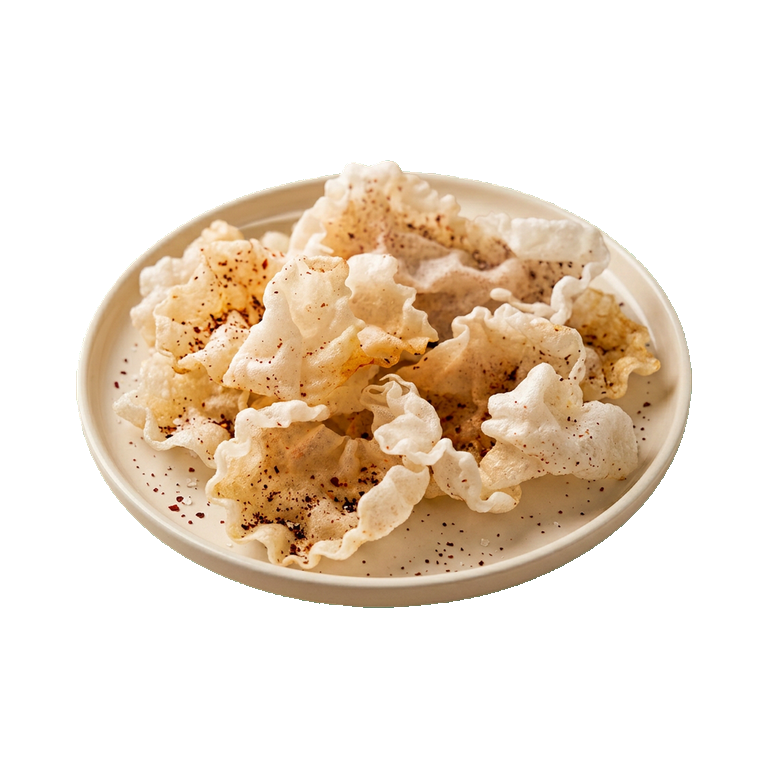
But spring rolls are not the only option. Rice paper is cut into strips and added to soups, used as a base for crispy chips (deep-fried), or laid under fillings instead of traditional leaves. Some chefs even use it as a platter base when serving dishes — it looks beautiful and is edible.
How to Work with Rice Paper
The main rule: don't over-soak. Pour warm water into a wide bowl, dip a sheet of rice paper for 2–3 seconds — it should remain slightly firm, not turn into mush. Take it out, place it on a damp towel or board, and start filling it immediately.
- Water should be warm (30–40 degrees), not boiling
- Keep the sheet in water for no more than 3 seconds — over-soaked paper tears
- If the sheet has dried slightly and become brittle, quickly dampen it on both sides
- Lay the filling not all the way to the edges — leave 2–3 centimeters for rolling
Selection and Storage
When purchasing, pay attention to the thickness. Thin rice paper (0.5 mm thickness) is good for spring rolls, while thicker varieties are suitable for frying. Check the packaging for integrity — sheets should not be broken or crumbly. Quality paper is translucent, without a yellow tint and foreign odors.
Rice paper should be stored in a dry place at room temperature. Moisture is its enemy: even in a closed package, it can soften and stick together. It's best to keep it in an airtight container or transfer it to a resealable bag. The shelf life is usually 1–2 years, but with proper storage, it remains usable much longer.
Pairings and Tips
Rice paper works well with light, fresh fillings: leafy greens, cucumber, carrot, shrimp, chicken breast. Its neutral flavor doesn't compete with sauces — peanut sauce, fish sauce, or spicy salsa enhance the taste without overpowering the texture.
- If you're preparing spring rolls in advance, wrap them in a damp towel and keep them in the refrigerator — they won't dry out
- When deep frying, cut the paper before processing — in hot oil it becomes crispy instantly
- If the sheet tears while filling, don't worry — place a second sheet overlapping it and continue
Nutrition
per 100 g
- Calories
- 350 kcal
- Protein
- 8 g
- Fat
- 0.3 g
- Carbs
- 80 g
Measures and weight
- 1 pcs
- 3 g
Measure calculator
- Weight
- 100 g
- Calories
- 350 kcal