Usuba
Usuba
Napa cabbage
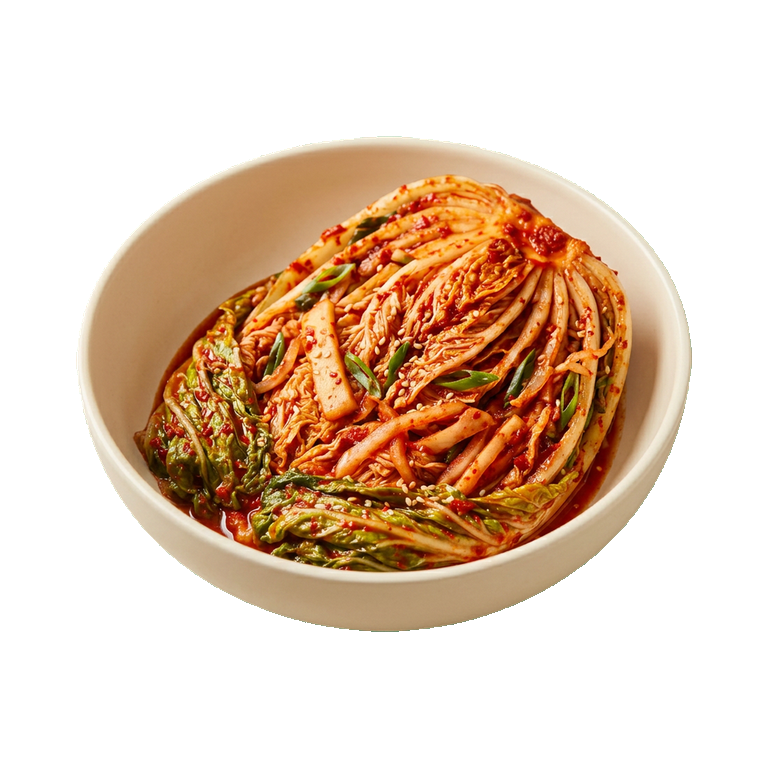
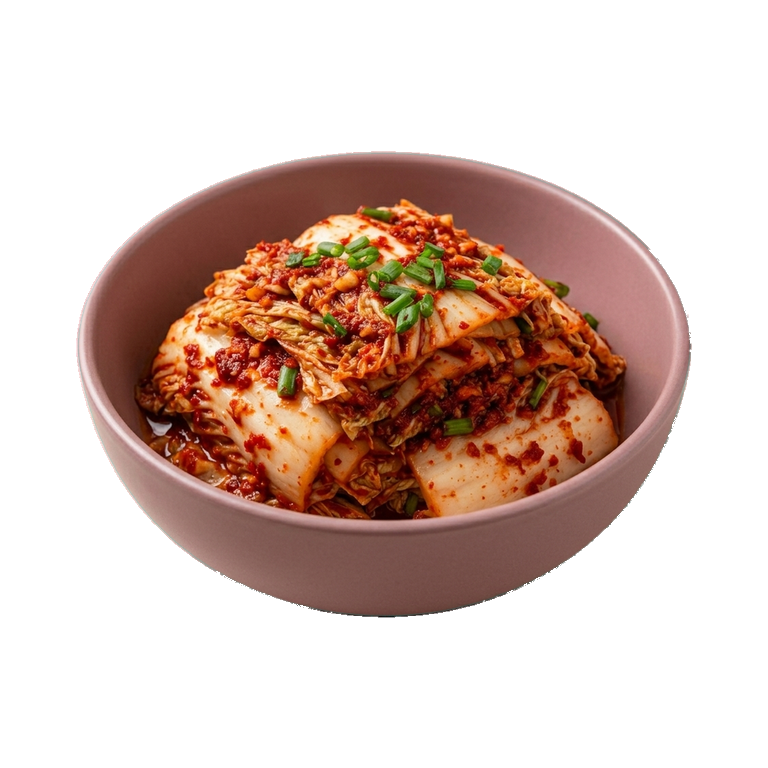
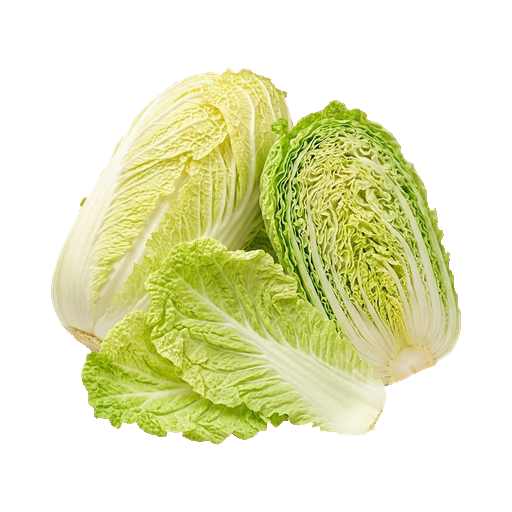
Napa cabbage is an elongated head with tender, slightly wavy leaves of pale green or yellowish color that fit more tightly together than regular cabbage. It has a milder and sweeter taste than white cabbage, with a barely noticeable bitterness, making it perfect for fresh salads, quick stir-frying, and Asian dishes. When selecting, look for a firm head without darkening or soft spots, and store in the refrigerator in a plastic bag to keep the leaves crisp and juicy.
Micronutrients
per 100 g
About
What is Chinese cabbage and how to identify it
Napa cabbage is a vegetable with an elongated head that is difficult to confuse with other types of cabbage. Its leaves are thin, wavy at the edges, and light yellow or pale green in color. Inside, the head is dense but not as hard as white cabbage. On the cut surface, cream or white veins are visible. The weight usually ranges from 400 grams to one and a half kilograms.
The taste of napa cabbage is delicate and slightly sweet, without the bitterness that sometimes occurs in white cabbage. The aroma is barely noticeable, with a green note. The texture of the leaves is crispy, especially in the outer layers, while closer to the center of the head they become softer and juicier. This cabbage absorbs the flavors of neighboring ingredients well, which makes it versatile in cooking.
Where to use in the kitchen
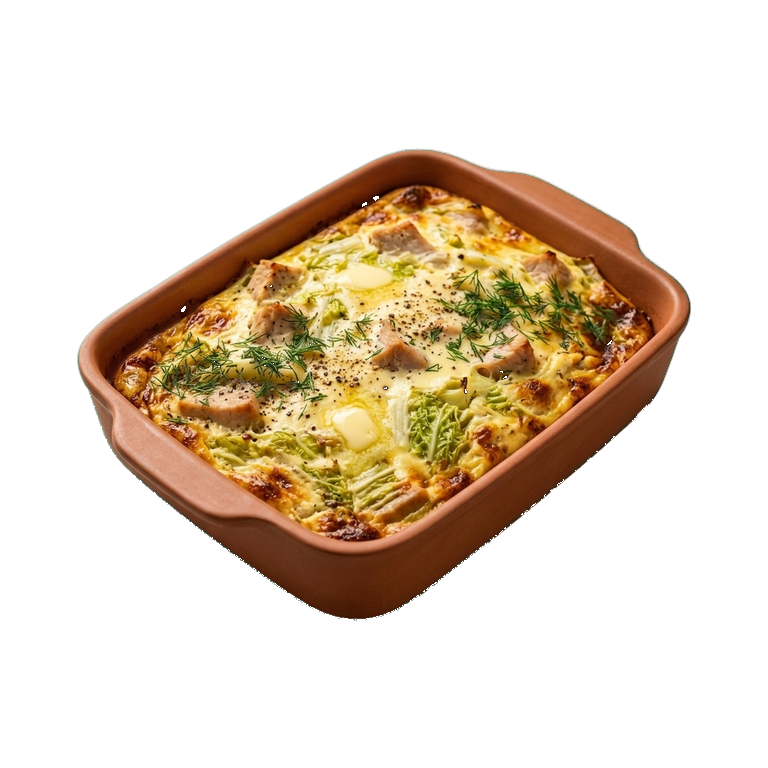
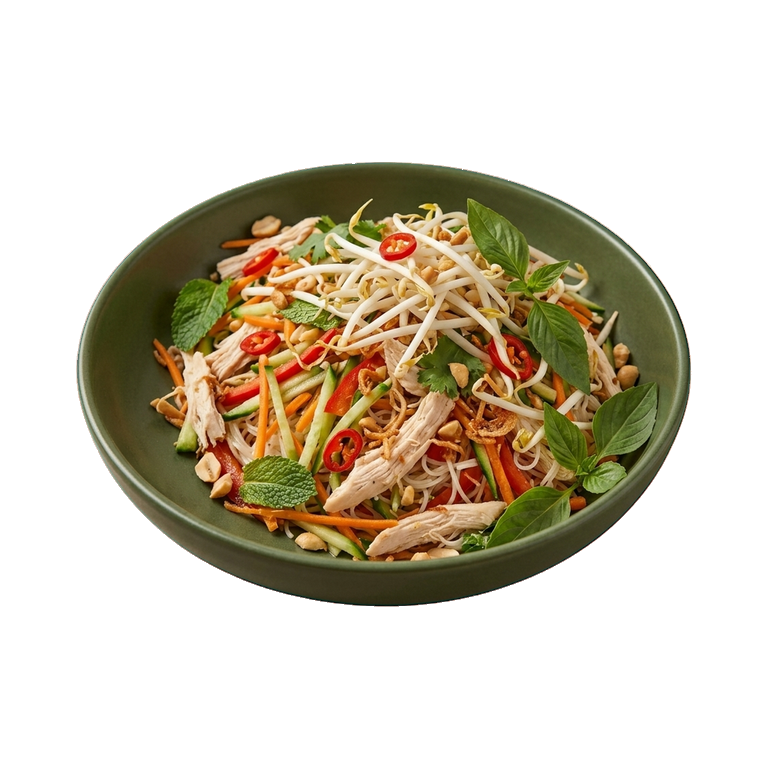
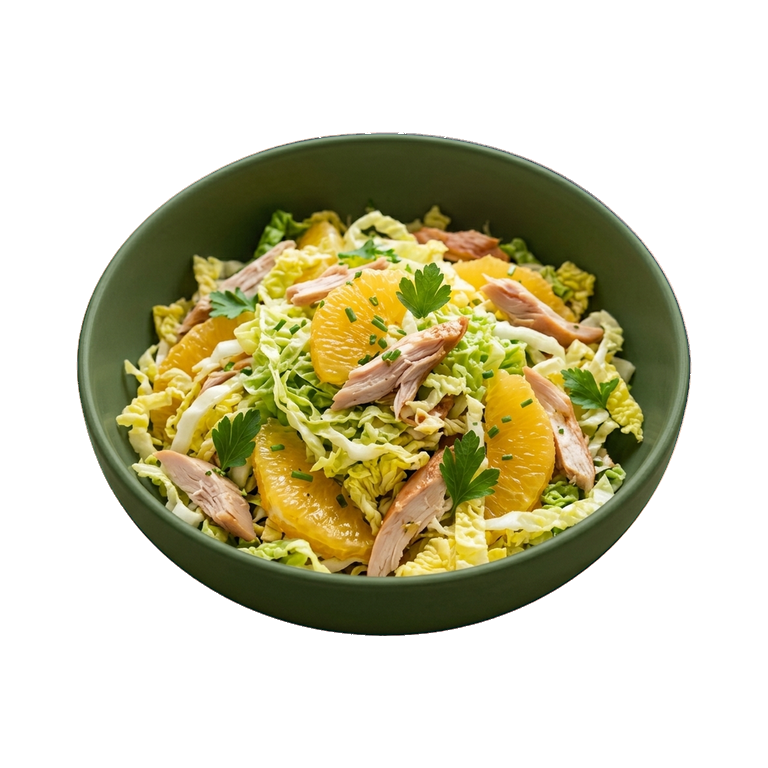
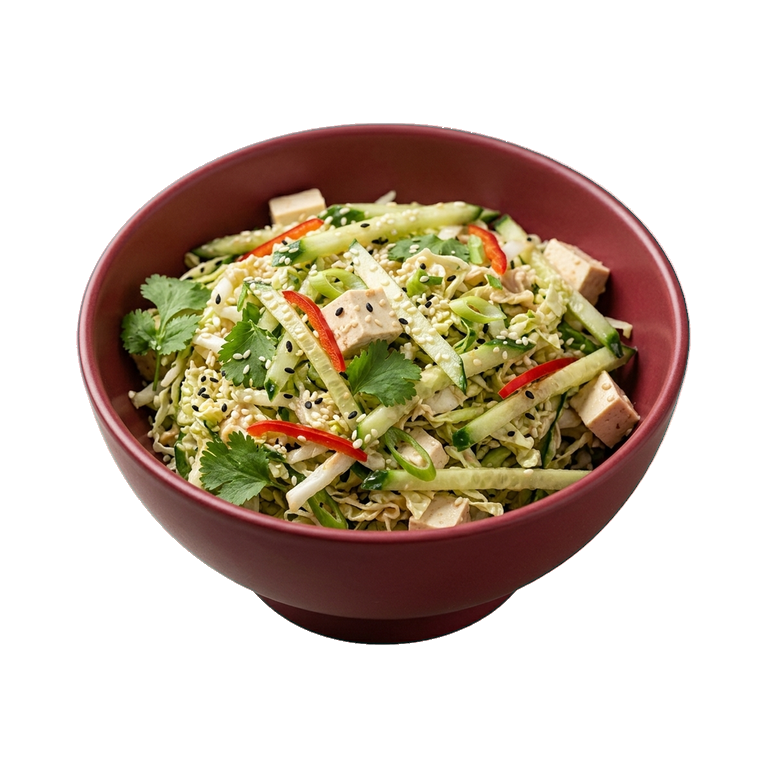
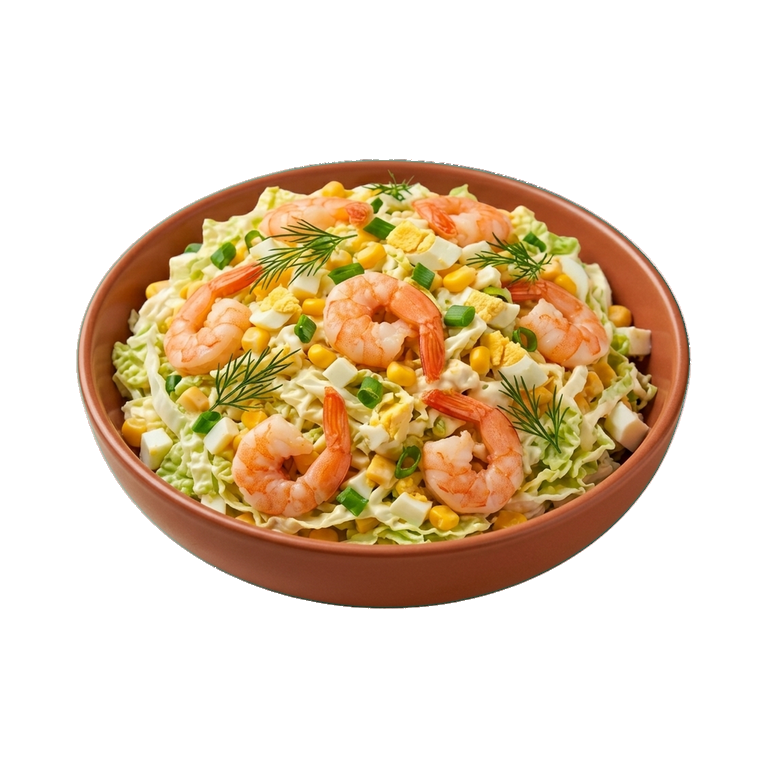
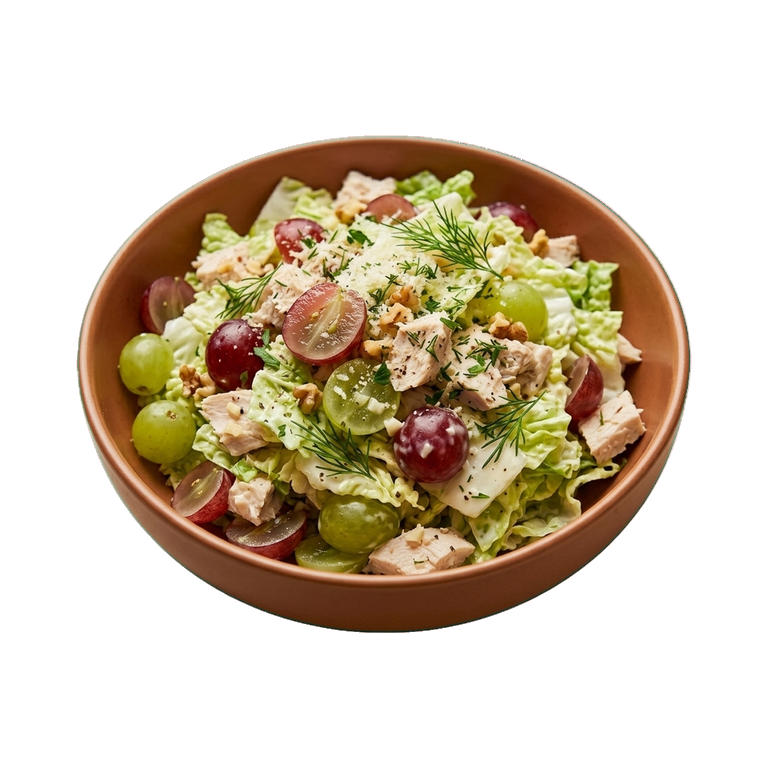
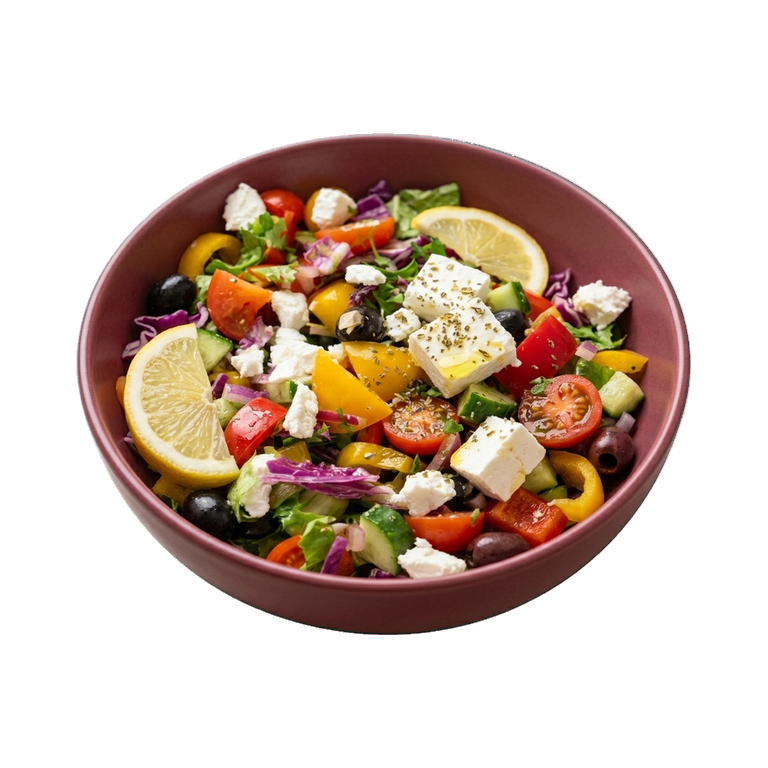
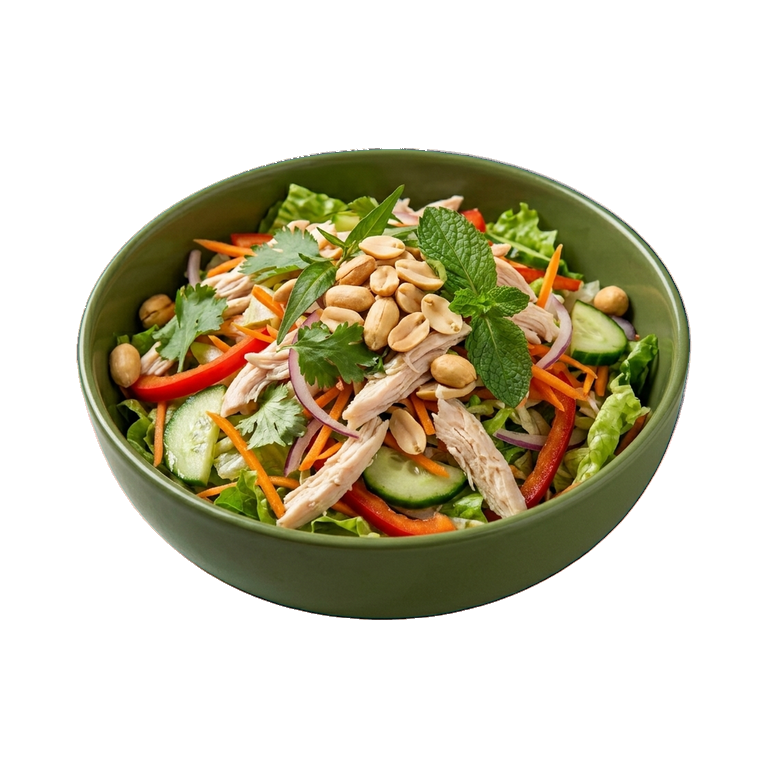
Napa cabbage is the queen of salads. Its tender leaves don't require long marinating like regular cabbage, and in just 15–20 minutes they absorb the dressing while maintaining their crunch. Use it in Asian salads with sesame and ginger, in light vegetable mix salads with carrots and radishes, combined with citrus dressings.
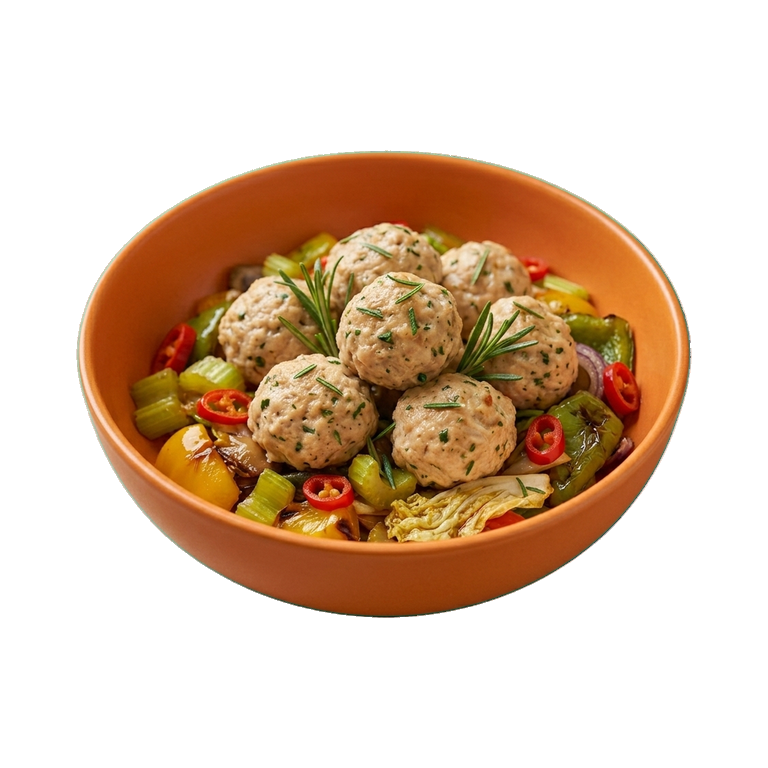
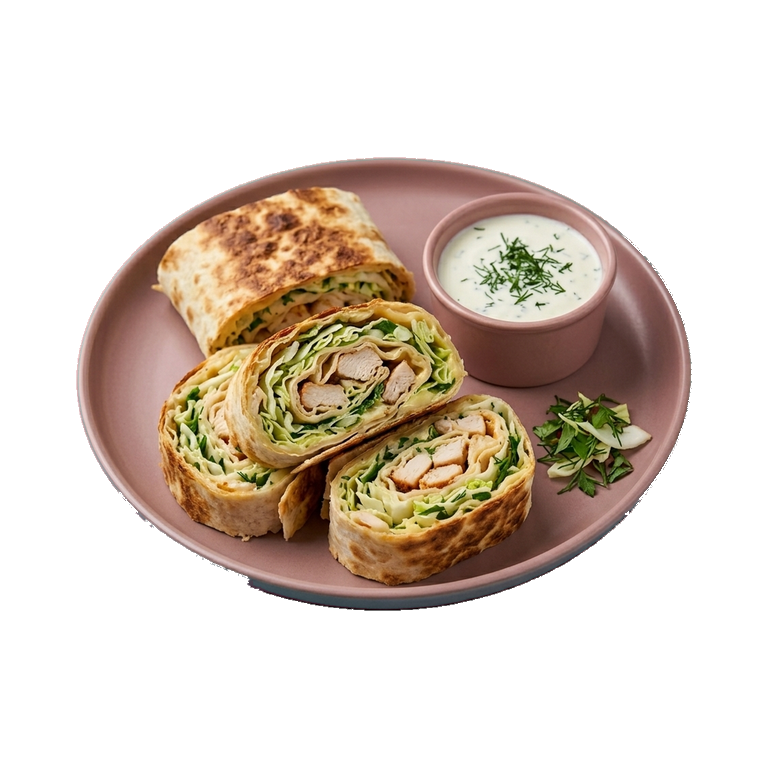
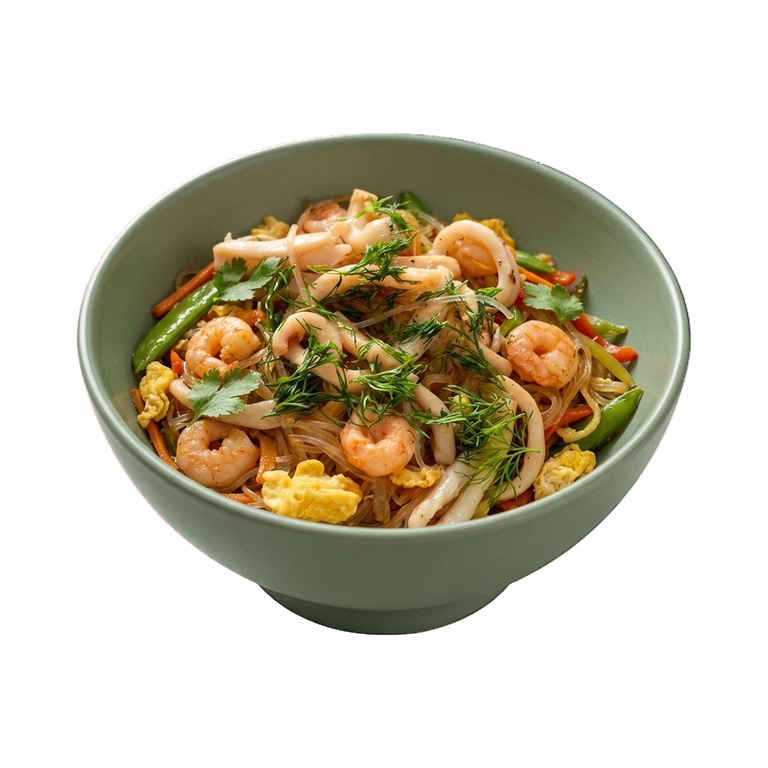
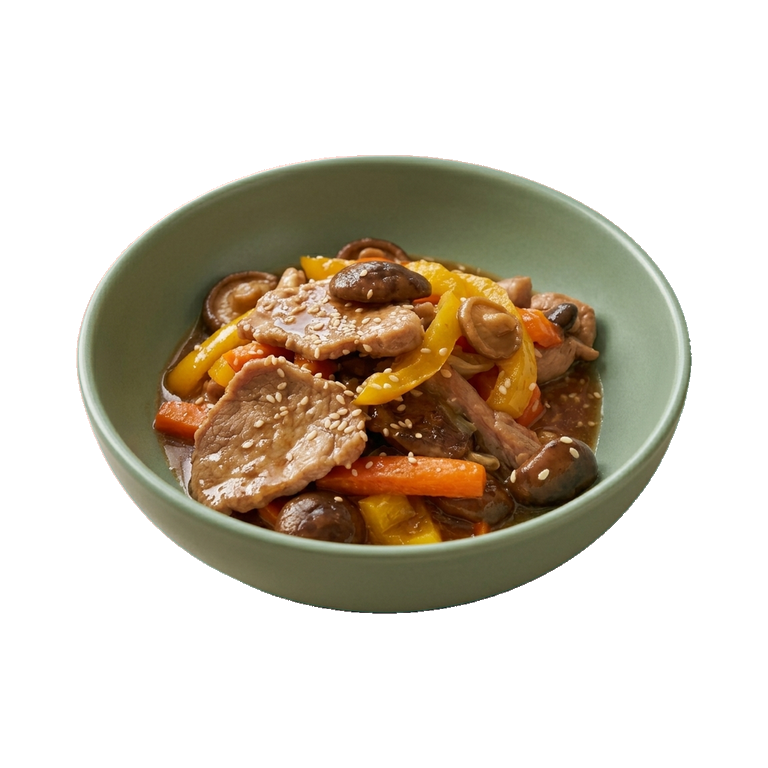
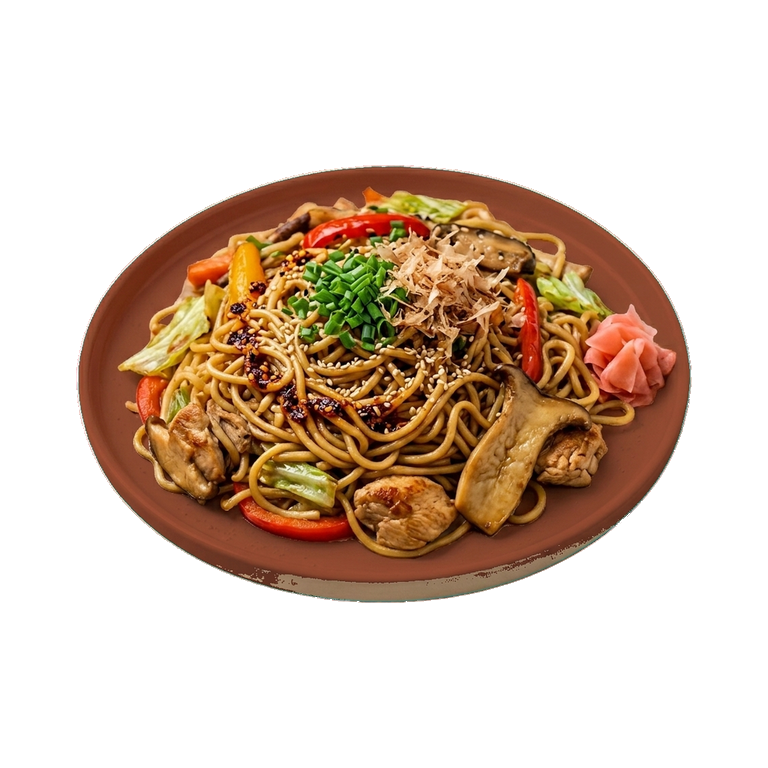
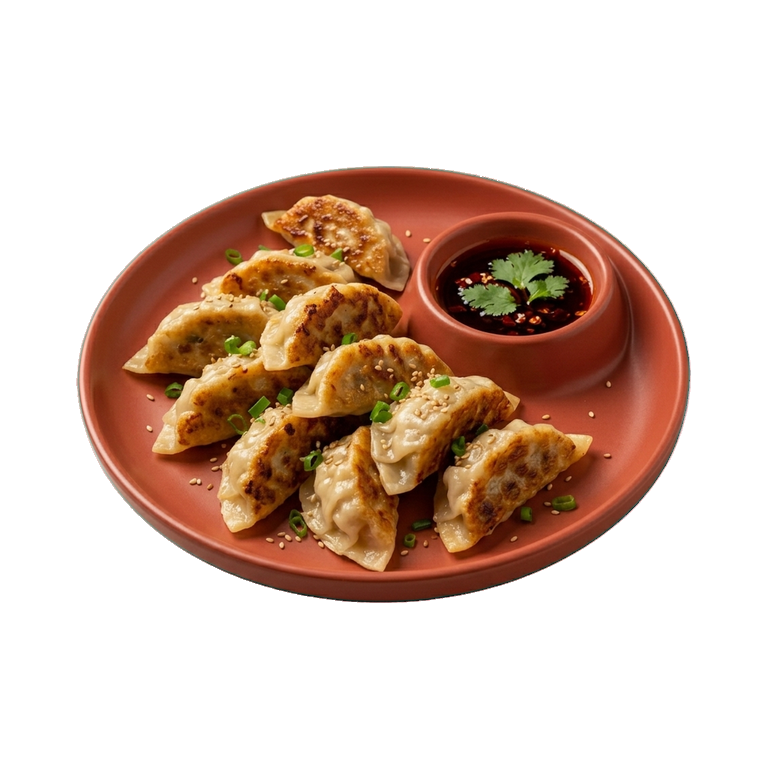
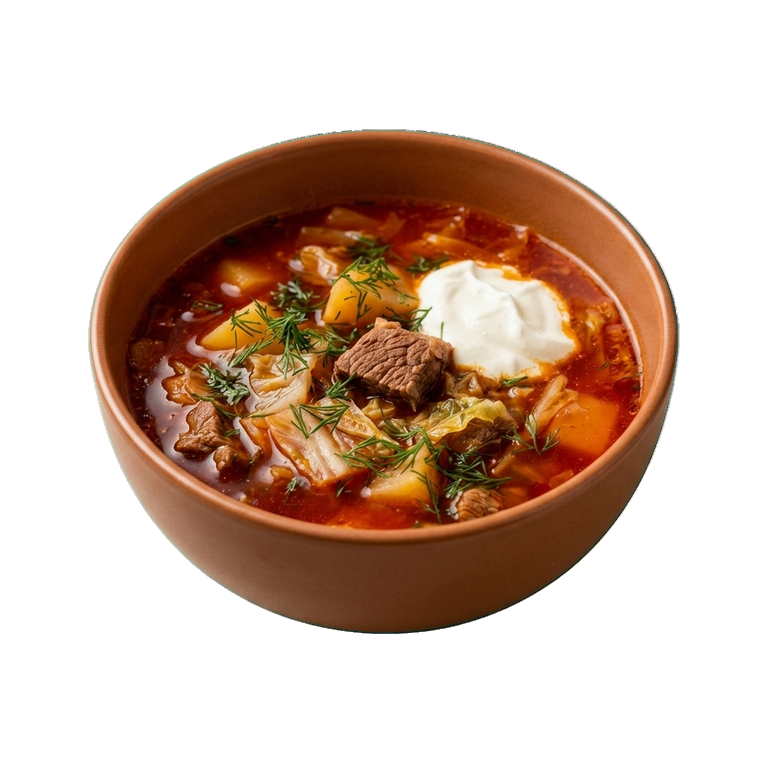
Cabbage responds well to heat treatment: it can be stewed, fried, added to soups and stews. During cooking, the leaves become softer but don't turn into mush if you don't overcomplicate the process. It's especially good in Asian dishes — in noodles, rice bowls, in dumpling and dim sum fillings. Quickly stir-fried over high heat with garlic and soy sauce makes a ready-made side dish.
What pairs well
- Asian spices: soy sauce, oyster sauce, ginger, garlic, sesame
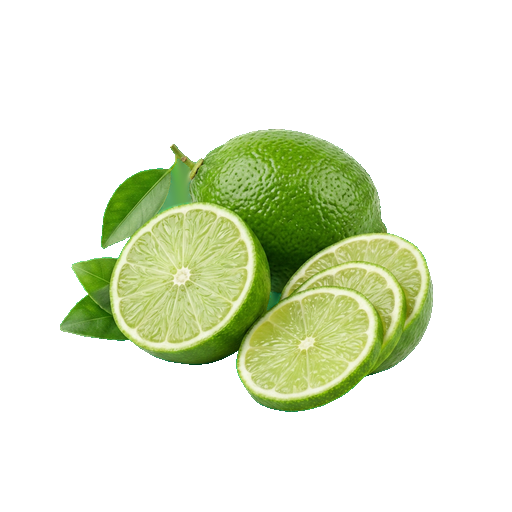
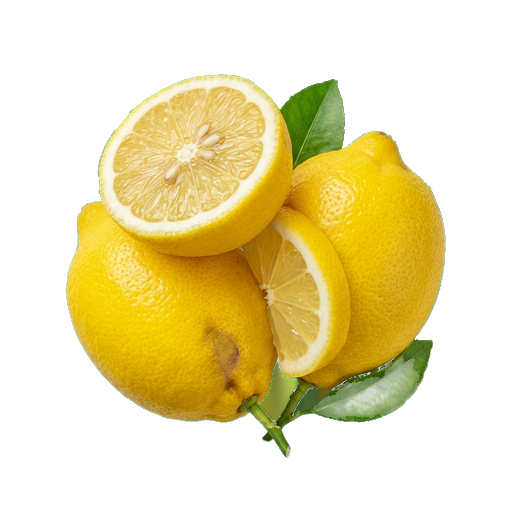
- Citrus: lemon, lime, orange in dressings
- Proteins: chicken, seafood, tofu, egg
- Nuts: cashews, peanuts, pine nuts
- Oils: sesame, peanut, olive
- Vegetables: carrot, radish, bell pepper, mushrooms
How to Choose and Store
When choosing, pay attention to the density of the head — it should be firm, but not rock-hard. The leaves should not be wilted or have brown spots. A good head of cabbage has a uniform light color without dark areas. Smell the cut — the smell should be fresh, green, without mustiness.
Napa cabbage keeps in the refrigerator longer than lettuce, but not as long as regular cabbage. Wrap the head in plastic wrap or place it in a perforated bag — this will prevent it from drying out and absorbing odors. At temperatures of 0–4 degrees Celsius, it will last for 2–3 weeks. Sliced cabbage is best used on the day it is cut, otherwise the cut edges will darken and the leaves will begin to wilt. If the cabbage has started to soften, you can still save it by placing the head in cold water for an hour.
Nutrition
per 100 g
- Calories
- 16 kcal
- Protein
- 1.2 g
- Fat
- 0.2 g
- Carbs
- 2.2 g
Micronutrients
per 100 g
Macronutrients
- Fiber
- 1.2 g
- Water
- 94.24 g
Minerals
- Sodium
- 12.65 mg
- Potassium
- 234.6 mg
- Calcium
- 35.05 mg
- Magnesium
- 11.26 mg
- Phosphorus
- 34.38 mg
- Iron
- 0.26 mg
- Zinc
- 0.25 mg
- Copper
- 0.02 mg
- Manganese
- 0.2 mg
Vitamins
- Vitamin B6
- 0.09 mg
Measures and weight
- 1 head
- 1500 g
- 1 bunch
- 500 g
Measure calculator
- Weight
- 100 g
- Calories
- 16 kcal