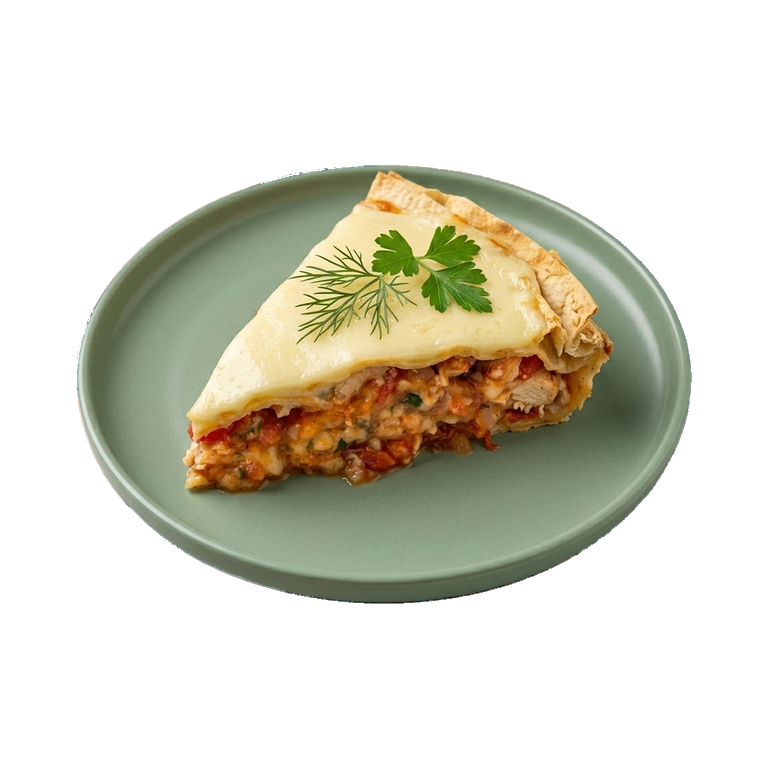
Usuba
Usuba
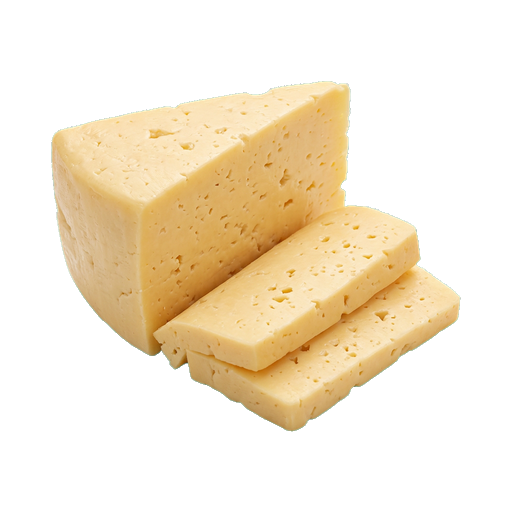
Russian cheese
A hard cheese with a tender texture and mild creamy flavor that melts well and is suitable for sandwiches, casseroles, and hot dishes. Thanks to its moderate saltiness and absence of sharp notes, it is versatile in cooking and easily combines with other ingredients. When choosing, pay attention to the uniformity of the structure and a pleasant milk aroma without any foreign odors.
About
Russian cheese is a semi-hard cheese with a soft, creamy character that has earned its place on tables thanks to its accessibility and versatility. It makes no claims to complexity, but it is precisely this simplicity that makes it a reliable helper in the kitchen. Its fat content, dense structure, and delicate flavor allow it to be used both in everyday dishes and in more ambitious recipes.
Taste and Aroma
On the cut, this cheese looks light, almost creamy, with occasional holes. The taste is mild, without sharp notes — rather milky, with barely noticeable saltiness. The aroma is unobtrusive, calm, which makes the cheese a convenient pairing with other ingredients. It melts readily, does not separate into layers, and holds its shape on the table.
Where to use it
Russian cheese works well everywhere you need a reliable base. On a sandwich, in an omelet, on top of soup — it won't compete with other flavors, but will create a soft backdrop. In casseroles and hot dishes it melts evenly, leaving no greasy streaks. It pairs well with smoked meats, vegetables, herbs, and even fruits.
Successful Combinations
- With tomatoes and basil in an appetizer or salad
- With ham and mustard in a hot sandwich
- With bacon in an omelet or on pizza
- With cucumbers and dill in plain raw form
- In a potato casserole with onions and sour cream
How to Choose and Store
When purchasing, pay attention to the color — it should be uniform, creamy, without dark spots or mold. The packaging should be intact, with no signs of leakage. Good Russian cheese should not have a sharp ammonia or mold smell.
Store cheese in the refrigerator in its original packaging or wrapped in parchment paper — this will protect it from drying out and absorbing unwanted odors. If the cheese is sliced, place it in an airtight container. With proper storage, it maintains freshness for 2–3 weeks. Before using, let it sit at room temperature for 15–20 minutes — this will allow the flavor to fully develop.
Nutrition
per 100 g
- Calories
- 363 kcal
- Protein
- 23.2 g
- Fat
- 29.5 g
- Carbs
- 0.3 g
Measures and weight
- 1 slice
- 20 g
Measure calculator
- Weight
- 100 g
- Calories
- 363 kcal