Usuba
Usuba
Barbecue sauce
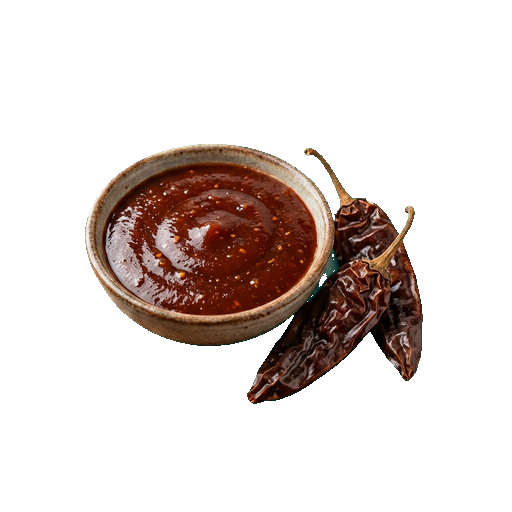
A tangy and sweet sauce based on tomato paste with added vinegar, spices, and smoky aroma that gives dishes a characteristic grilled flavor. Used for marinating, glazing, and serving with meat, poultry, and vegetables, especially when cooking over an open flame. When choosing, pay attention to the balance of acidity and sweetness — some versions contain a lot of sugar, which can lead to burning at high temperatures.
About
Barbecue sauce is a thick, sweet and spicy paste that transforms a simple dish into a festive masterpiece. Its foundation is built on tomato puree, vinegar, and spices, but each manufacturer adds their own notes of smoke, heat, and caramel sweetness. In the kitchen, barbecue sauce works as a universal helper: it is simultaneously a marinade, a glaze, and a dipping sauce.
Aroma and Taste
The first thing you notice is a smoky, slightly smoked note combined with a sweet and sour aftertaste. Tomato here is not just a background, but the main player, but it is supported by brown sugar, honey or molasses, which add depth. The heat can vary: from barely noticeable to frankly burning — it all depends on the amount of pepper and mustard in the composition.
The aroma of the sauce is usually intense and appetizing — spicy, with a hint of fried notes. When the sauce is heated on a grill or in the oven, these aromas become even more expressive, creating the atmosphere of a street feast even in a home kitchen.
Role in dishes
Barbecue sauce works in three capacities. As a marinade — it penetrates the meat over several hours, tenderizing it and infusing it with flavor. As a glaze — it's applied at the end of cooking to create a crispy, caramelized crust. And as a finishing sauce — it's served separately at the table so each guest can add the desired amount.
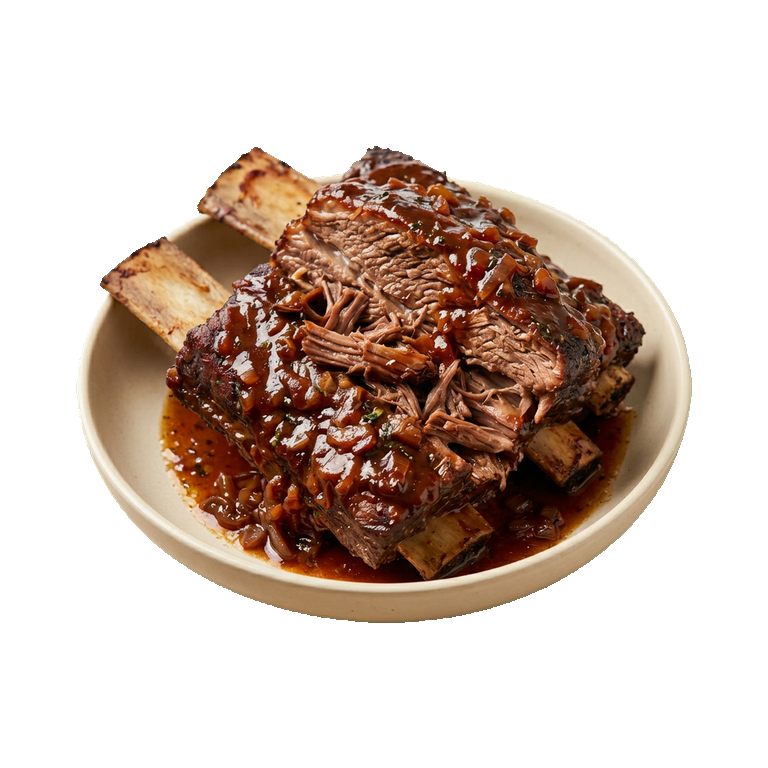
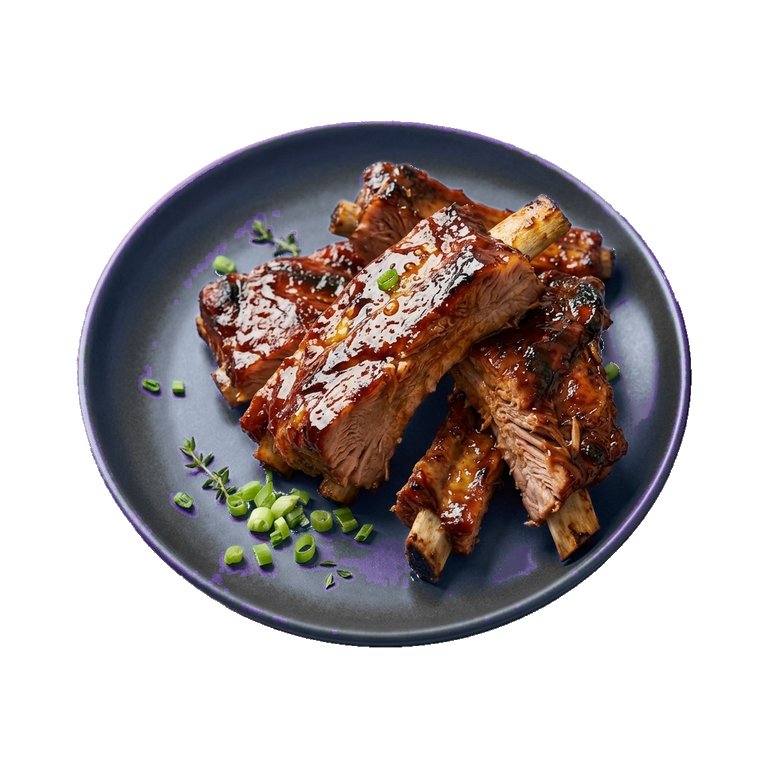
- Ribs and brisket on the grill — a classic where the sauce shines in all its glory
- Chicken and pork — the meat absorbs sweetness and smokiness while retaining juiciness
- Grilled vegetables — tomatoes, bell peppers, eggplants gain a deep, piquant layer
- Burgers and sandwiches — the sauce becomes the binding note that brings all components together
- Baked beans and french fries — the sauce transforms the side dish into a standalone meal
Combinations and Experiments
Barbecue works well with acidic components — lemon juice, lime, or vinegar. If the sauce seems too sweet, thin it with mustard or add freshly ground black pepper. With coconut milk, you'll get an Asian variant, with smoked paprika — a Spanish accent.
Try mixing barbecue sauce with mayonnaise for a wing sauce, or dilute it with water and use it as a braising liquid. The sauce pairs well with garlic, ginger, and fresh herbs — they add freshness and prevent excessive sweetness.
Selection and Storage
When choosing, pay attention to the consistency — a good sauce should be thick but not lumpy, so it spreads easily over the meat. Check the ingredients list: a quality sauce will contain tomatoes, spices, and natural sweeteners, not a long list of chemical additives.
An opened bottle is stored in the refrigerator for 3–4 weeks. Homemade sauce, if you decide to prepare it, can last longer thanks to vinegar, which acts as a preservative. Always stir before use — the ingredients tend to separate.
Do not add sauce at the beginning of cooking over an open flame — it will burn quickly. Apply it in the last 10–15 minutes so it caramelizes but does not char.
Nutrition
per 100 ml
- Calories
- 120 kcal
- Protein
- 0.5 g
- Fat
- 0.3 g
- Carbs
- 28 g
Measures and weight
- 1 tbsp
- 16.5 g
- 1 tsp
- 5.5 g
- 1 cup
- 275 g
Measure calculator
- Weight
- 100 g
- Calories
- 109 kcal