Usuba
Usuba
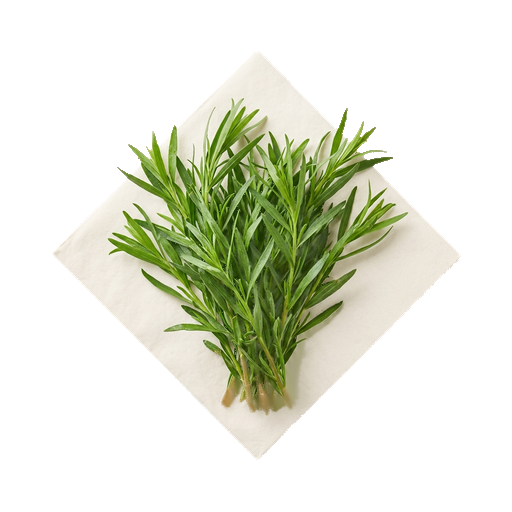
Tarragon
Tarragon is a perennial plant with narrow leaves and a delicate, slightly anise-like aroma, widely used in European cuisine, especially French. Fresh leaves are added to sauces, vinaigrettes, fish dishes, and marinades, imparting a refined tangy flavor with a barely noticeable bitterness. When selecting, prefer fresh tarragon with firm leaves, and when substituting dried tarragon, remember that its aroma is more concentrated, so the quantity should be reduced by two to three times.
About
Tarragon is an herb with a delicate, slightly anise-like aroma and a sharp, peppery taste. In cooking, it is valued for its ability to add depth and sophistication to dishes without overpowering the main flavors. Fresh tarragon smells fresh with a hint of lemon tartness, and when dried it becomes more concentrated and slightly bitter.
Aroma and Taste
The main thing to know: tarragon works delicately. Its aroma reminds of a soft blend of fennel and dill, but more refined. The taste has a light sweetness, spice, and a barely perceptible bitterness. This combination makes it ideal for delicate sauces and subtle dishes where support is needed, not dominance.
Where and how to use
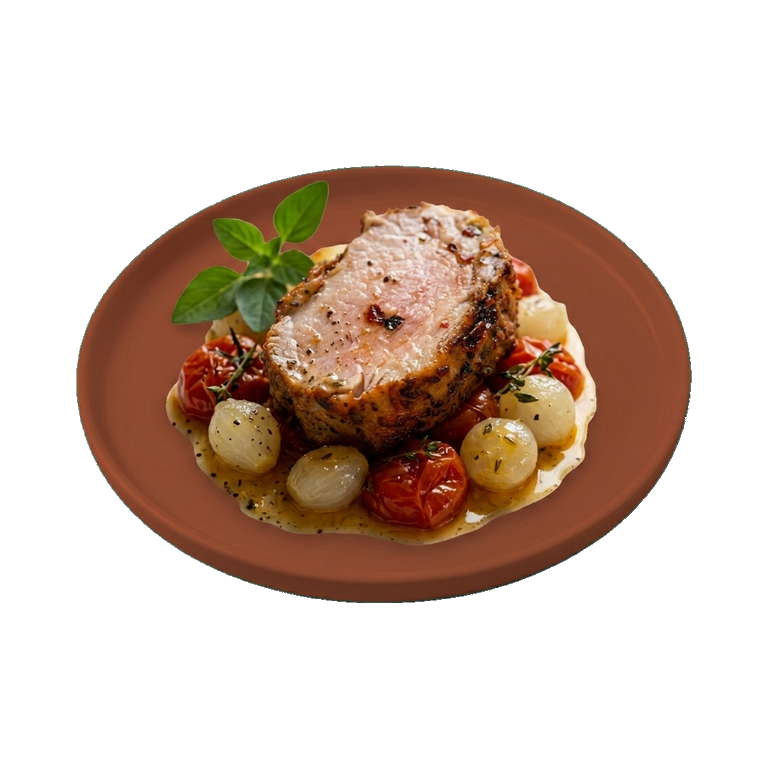
Tarragon is an indispensable component of French cuisine. It is added to the classic béarnaise sauce, vinaigrettes, and salad dressings. With fish and seafood, it creates especially harmonious pairings — try adding a sprig to the broth when cooking fish or sprinkle fresh herbs on the finished dish.
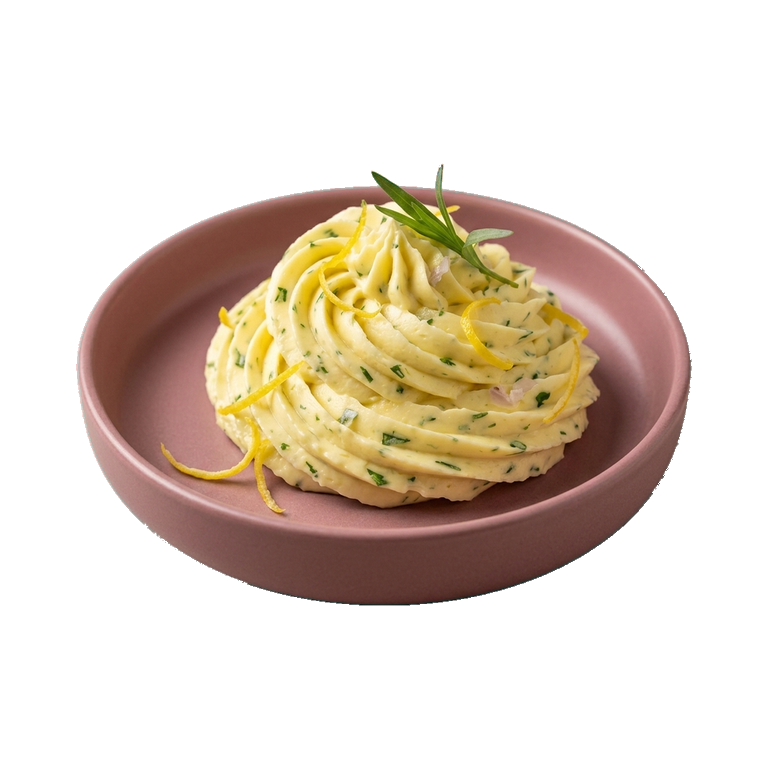
- Butter and vinegar-based sauces — béarnaise, tarragon hollandaise
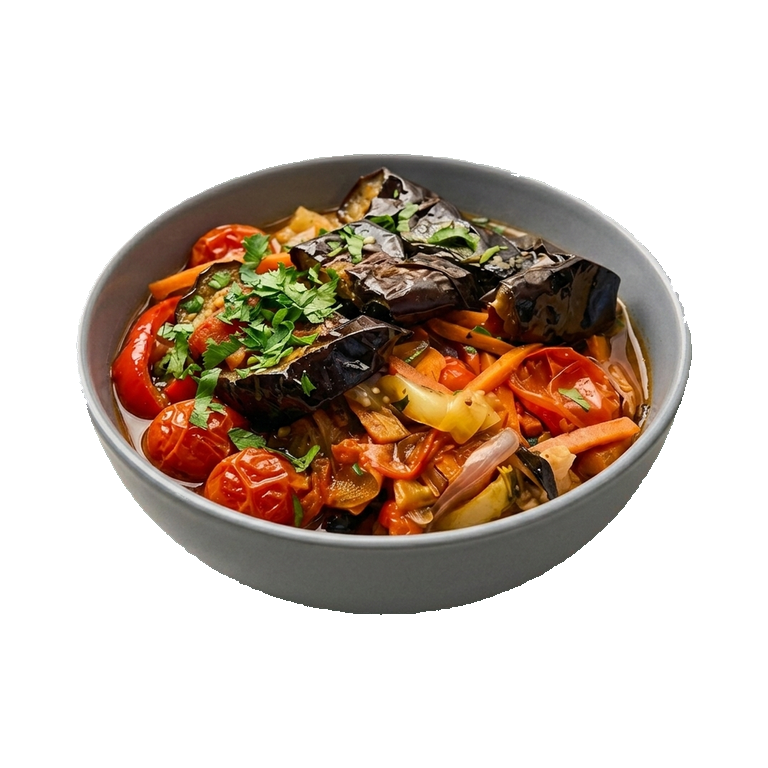
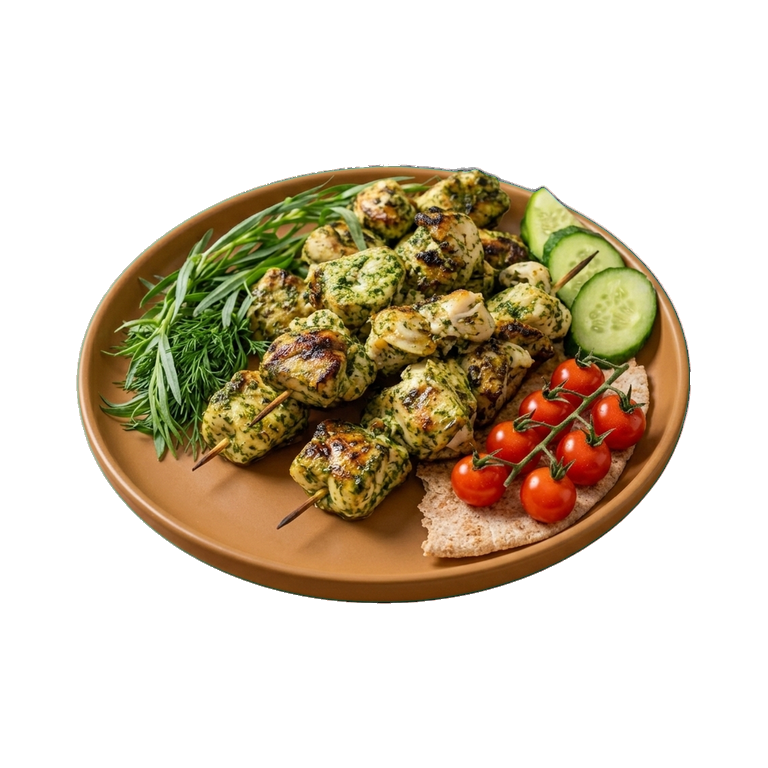
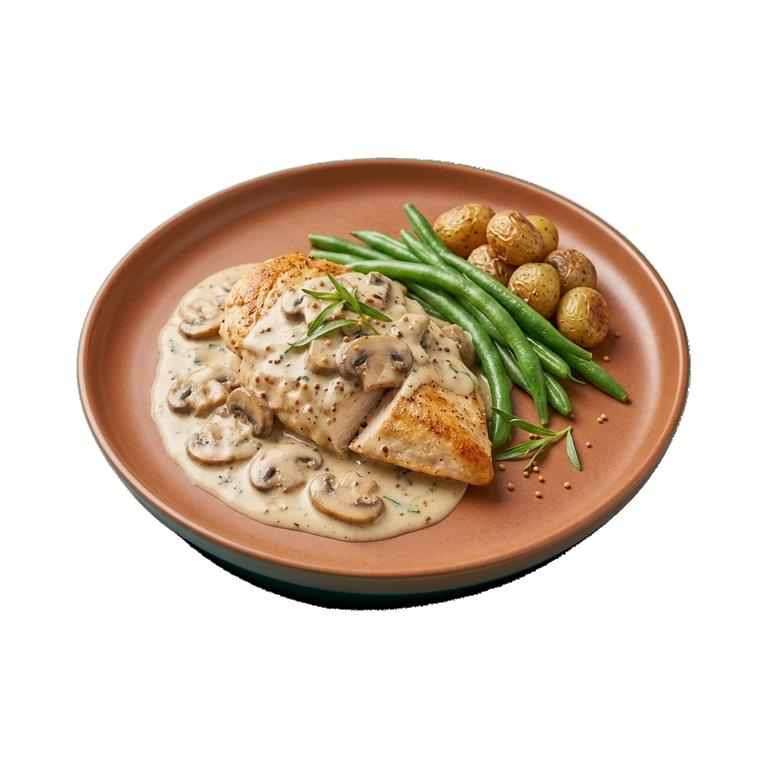
- Marinades for chicken, fish and vegetables
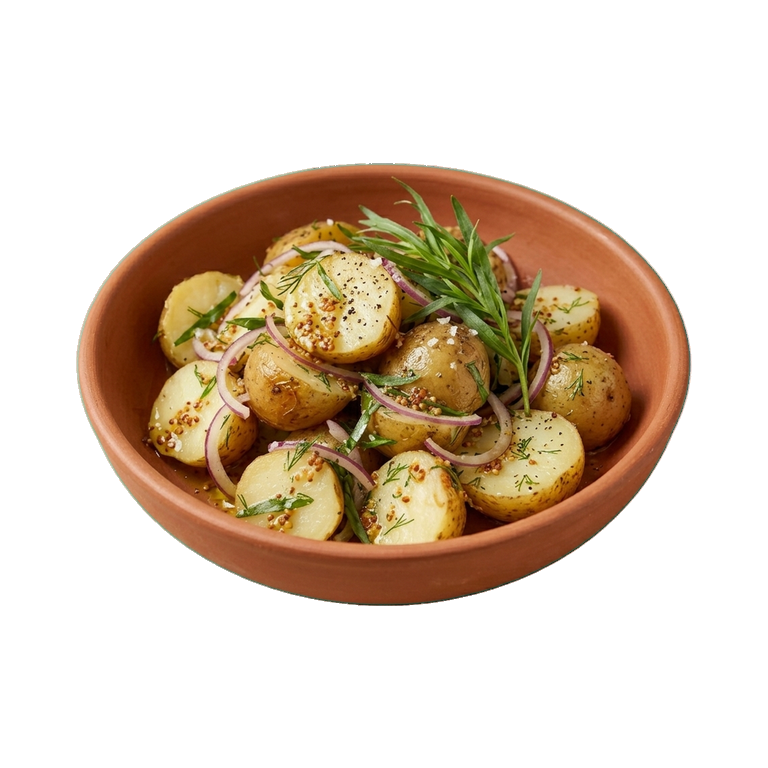
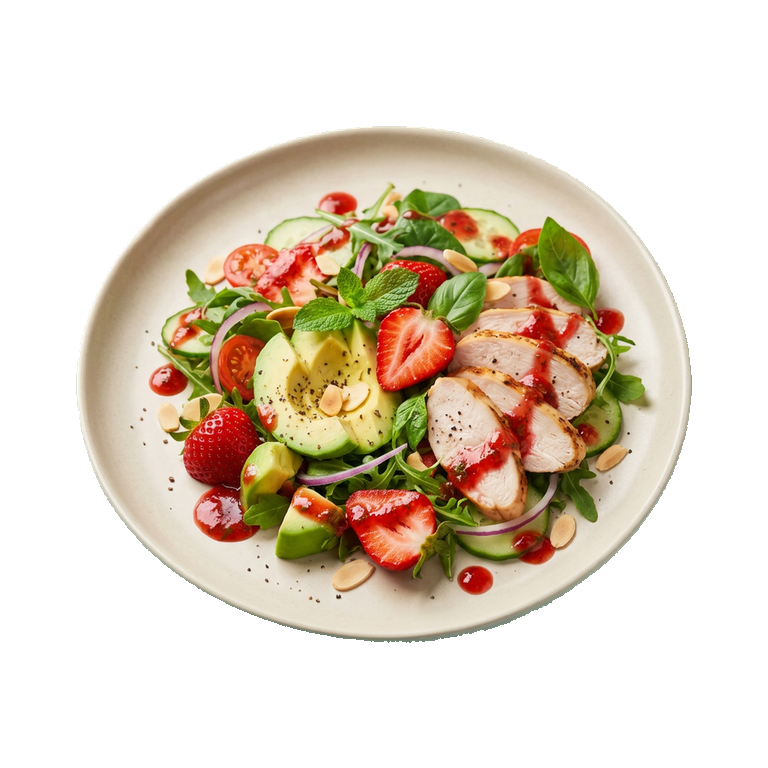
- Salads with light dressings and vegetables
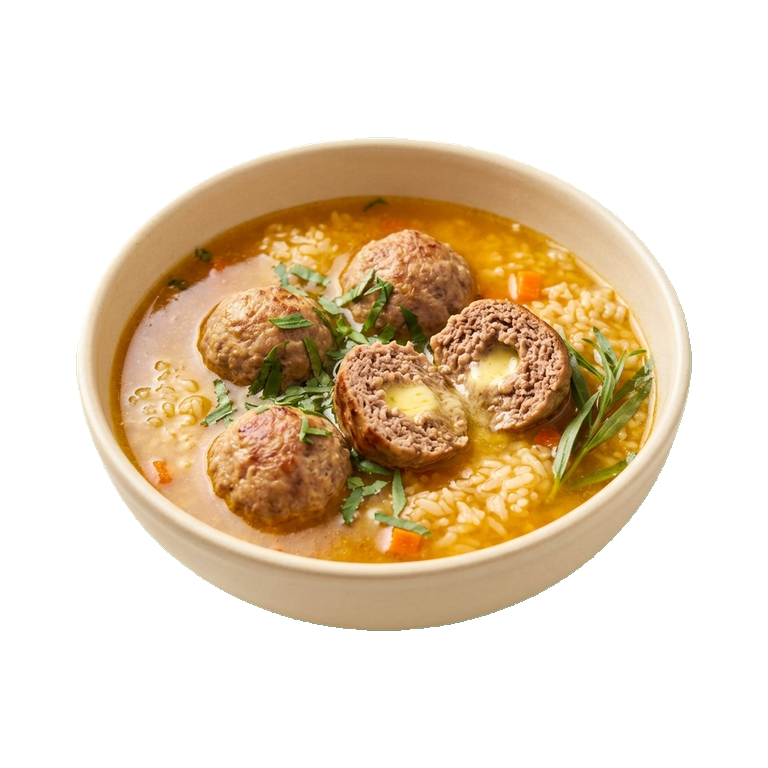
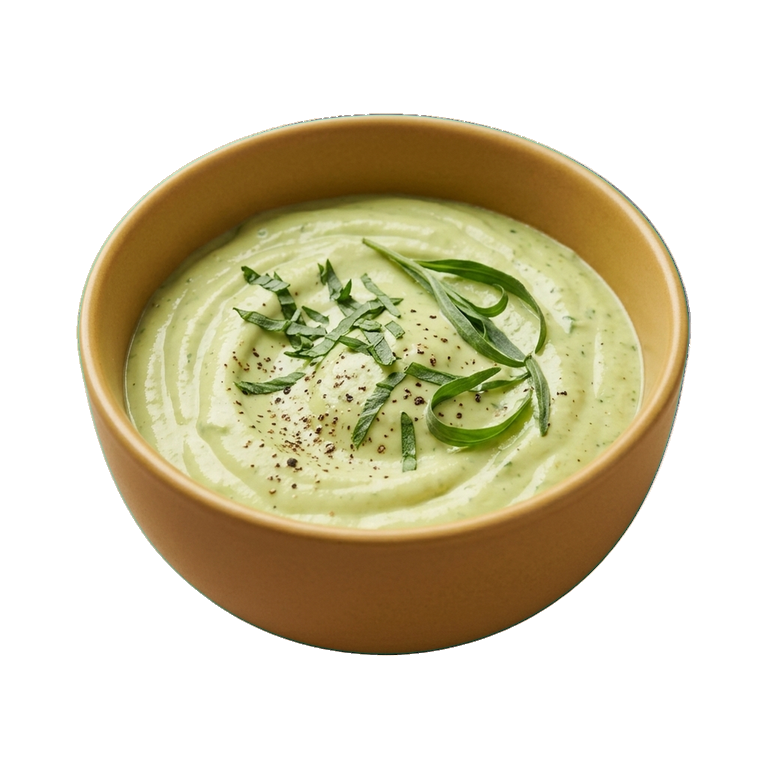
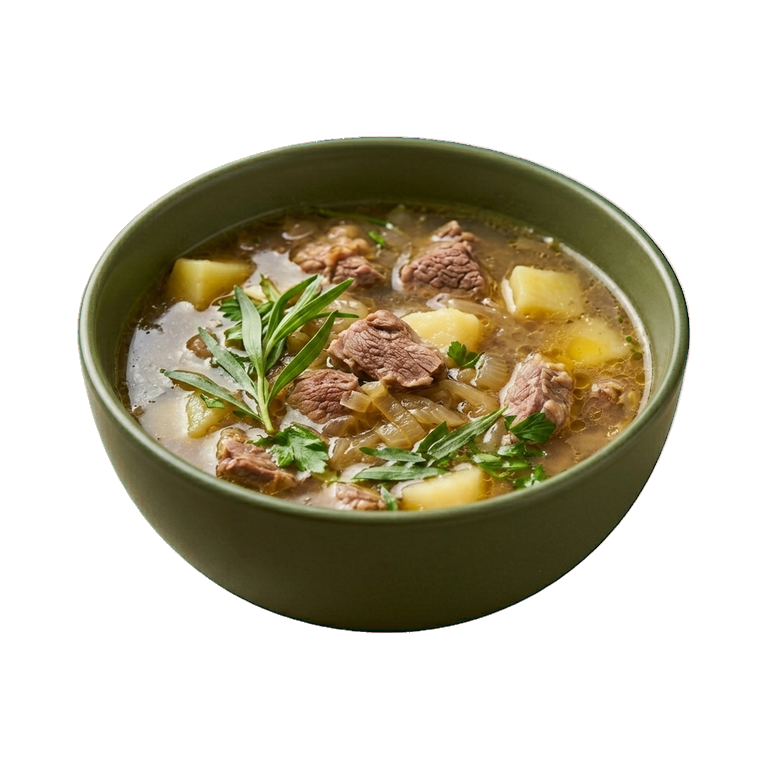
- Soups, especially vegetable and seafood
- Egg dishes — omelets and hard-boiled eggs
- Vinegars and mustards for home preserves
Successful Combinations
Tarragon pairs well with lemon, white wine, and butter — this trio forms the foundation for many sauces. It works well with parsley, dill, and chives as part of a bouquet garni. Use garlic cautiously: tarragon can be overshadowed by its flavor if you overdo it.
Fresh or dried
Fresh tarragon is a completely different product than dried tarragon. Fresh leaves are delicate and aromatic; they are added at the end of cooking or sprinkled over the finished dish. Dried tarragon is more intense and should be added at the beginning of preparation so the flavor can fully develop. If a recipe calls for fresh tarragon but you only have dried, use three times less — the concentration is much higher.
Selection and Storage
When selecting fresh tarragon, look for bright, firm leaves without darkening or wilting. The smell should be fresh and pleasant, without any moldy or musty notes. Store fresh herbs in the refrigerator, wrapped in a damp towel or with stems placed in a glass of water under a bag — this way it will last a week.
- Store dried tarragon in an airtight container in a cool dark place for up to a year
- Freeze fresh leaves in ice with water or oil — convenient for winter
- You can make tarragon vinegar by steeping sprigs in white wine vinegar for two weeks
Add fresh tarragon at the end of cooking to preserve its delicate aroma and tender flavor. Dried tarragon can be added earlier so its taste has time to fully develop in the dish.
Nutrition
per 100 g
- Calories
- 295 kcal
- Protein
- 2.3 g
- Fat
- 0.5 g
- Carbs
- 50.2 g
Measures and weight
- 1 tbsp
- 2.3 g
- 1 tsp
- 0.8 g
- 1 cup
- 37.5 g
- 1 bunch
- 25 g
- 1 sprig
- 3 g
Measure calculator
- Weight
- 100 g
- Calories
- 295 kcal