Usuba
Usuba
Tofu
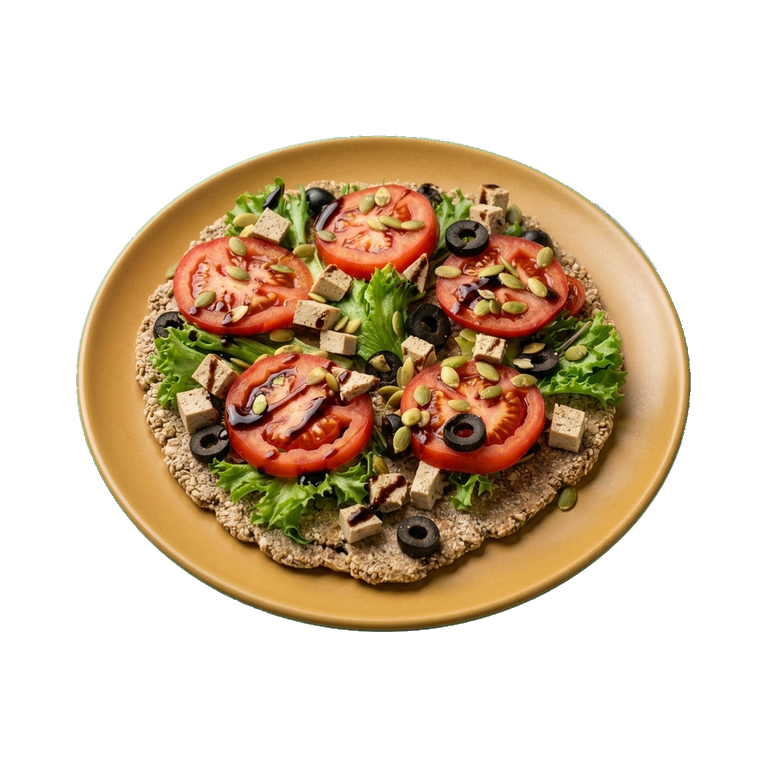
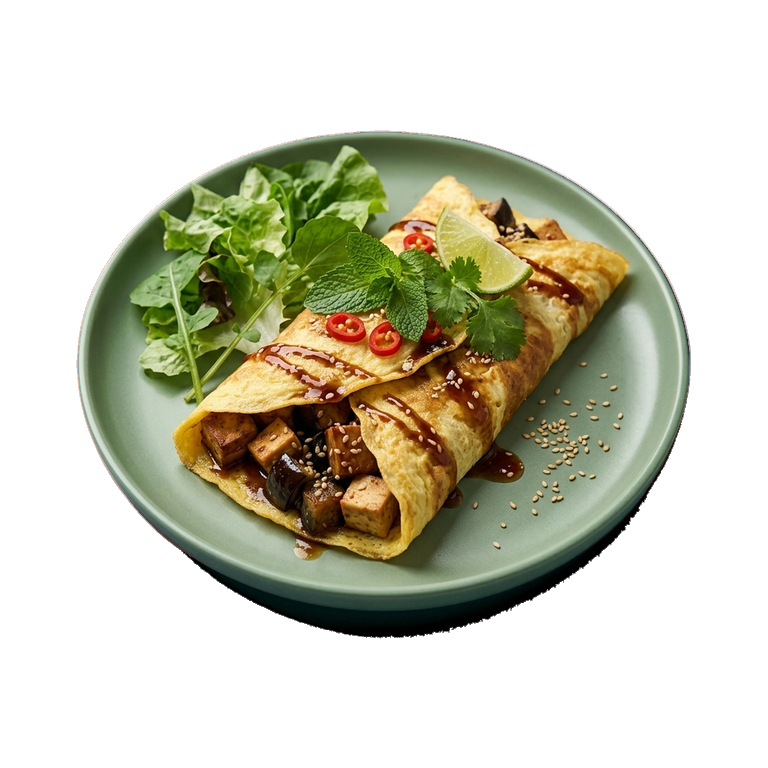
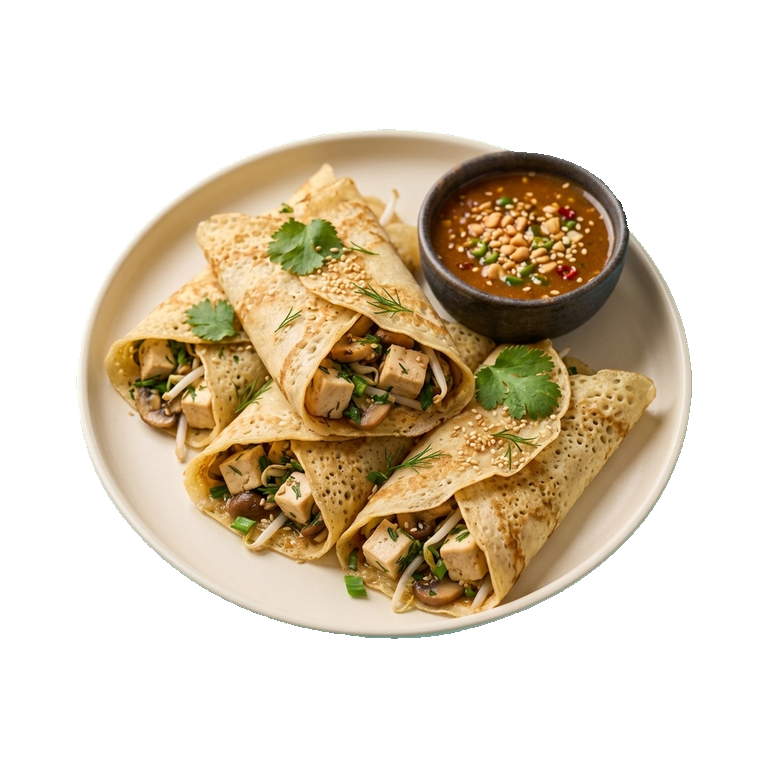
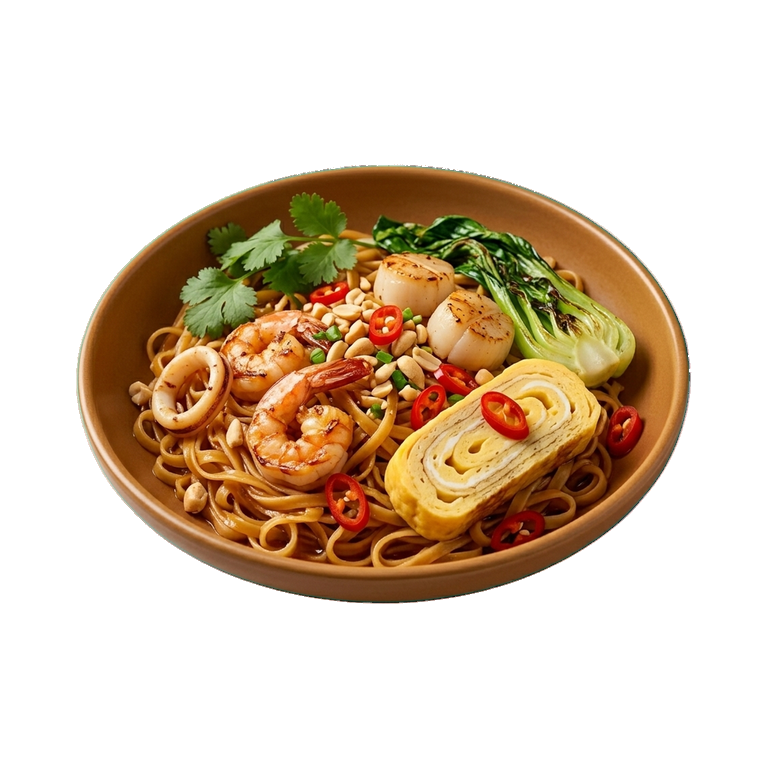
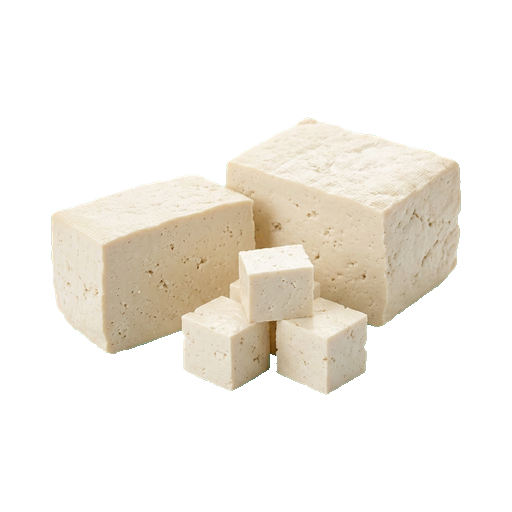
Tofu is soy curd with a neutral flavor and soft texture that easily absorbs the aromas of neighboring ingredients. Thanks to its high protein content and low calorie value, it has become a staple of Asian cuisine and a popular meat substitute in vegetarian dishes. When choosing tofu, pay attention to its firmness: soft tofu works well in soups and sauces, while firm tofu holds its shape well during frying and grilling.
About
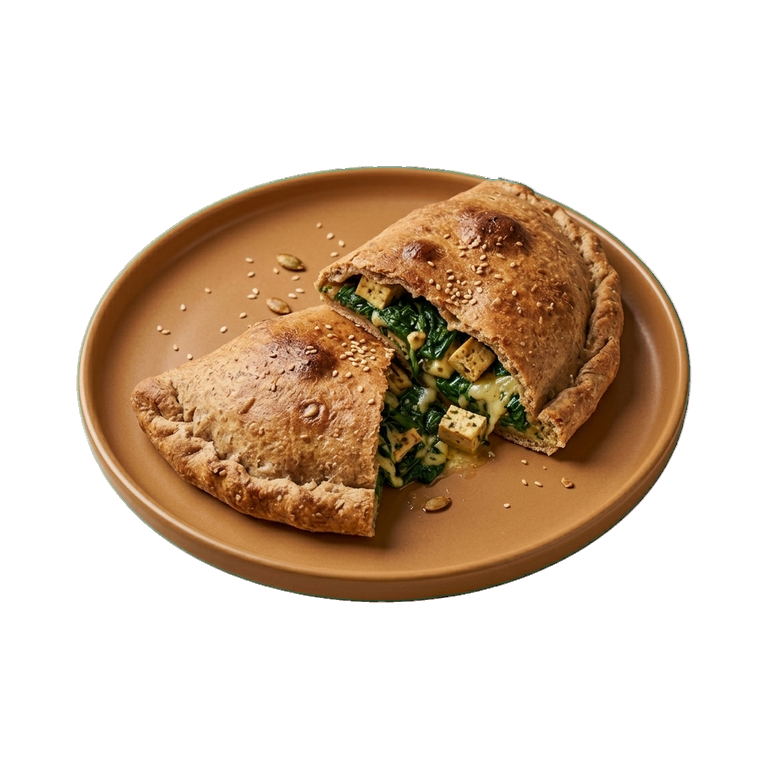
Tofu is a product made from soy milk that is created through coagulation and pressing. In short: soy becomes curd. Outwardly it looks like a white or creamy block, but in taste and texture it is a completely neutral canvas that absorbs any flavors and spices with which it is prepared. This is precisely why tofu is so versatile in the kitchen.
Texture and Consistency
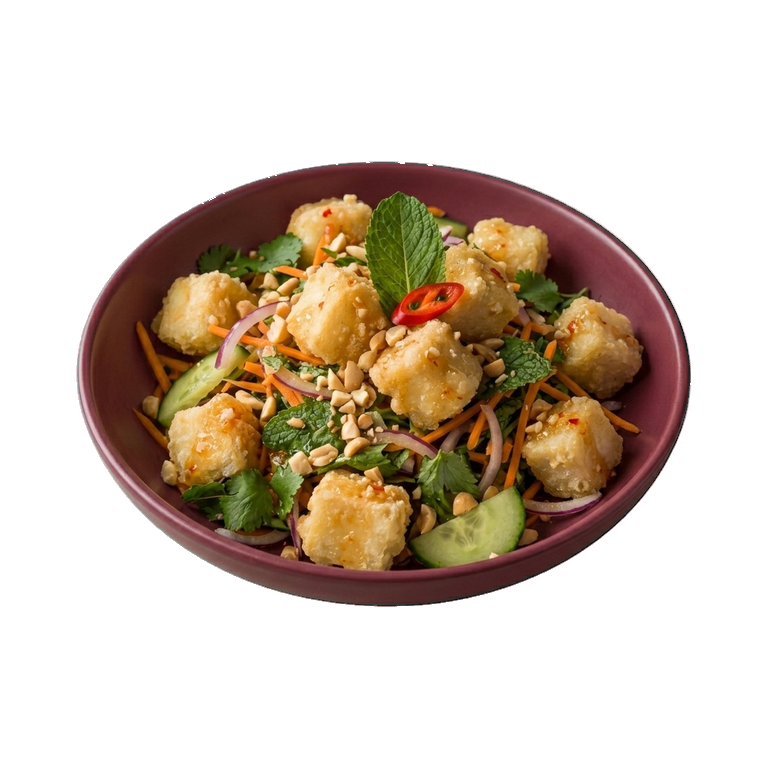
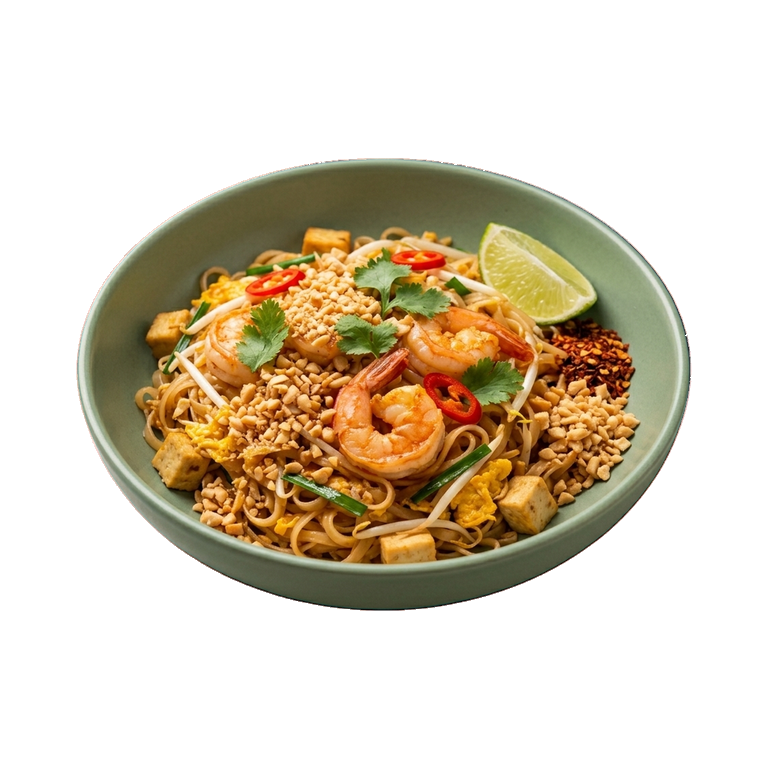
You will find several options in stores. Silken tofu is soft, almost creamy — it's ideal for smoothies, desserts, and delicate sauces. Regular tofu is denser and holds its shape well when frying. Firm tofu is the most pressed, it hardly breaks and is perfect for cubes in soups or for frying in a pan until crispy.
- Silken tofu: soups, sauces, desserts, smoothies
- Regular tofu: frying, stewing, marinating
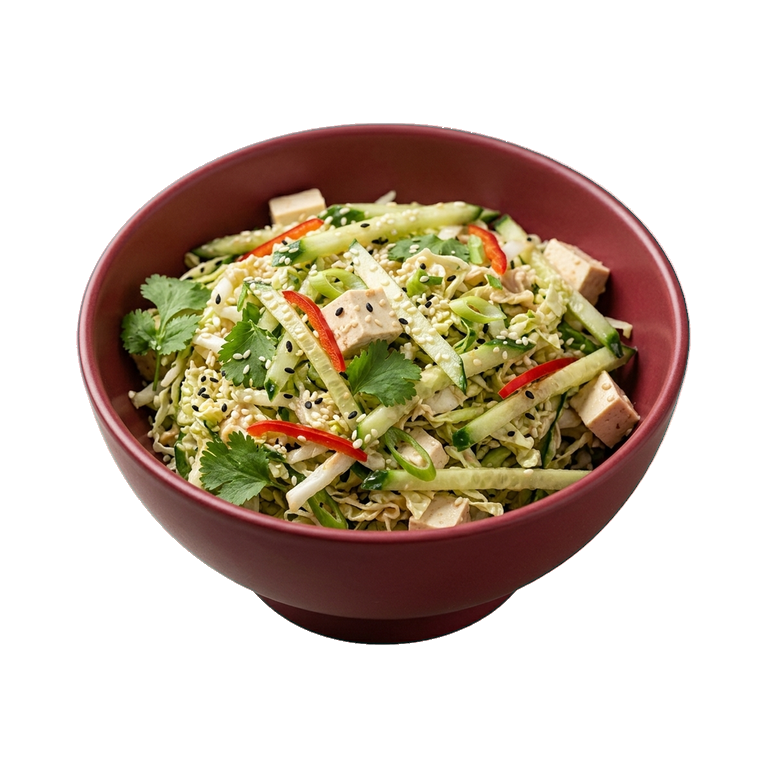
- Firm tofu: grilling, deep frying, salads, stir-fry
Aroma and taste
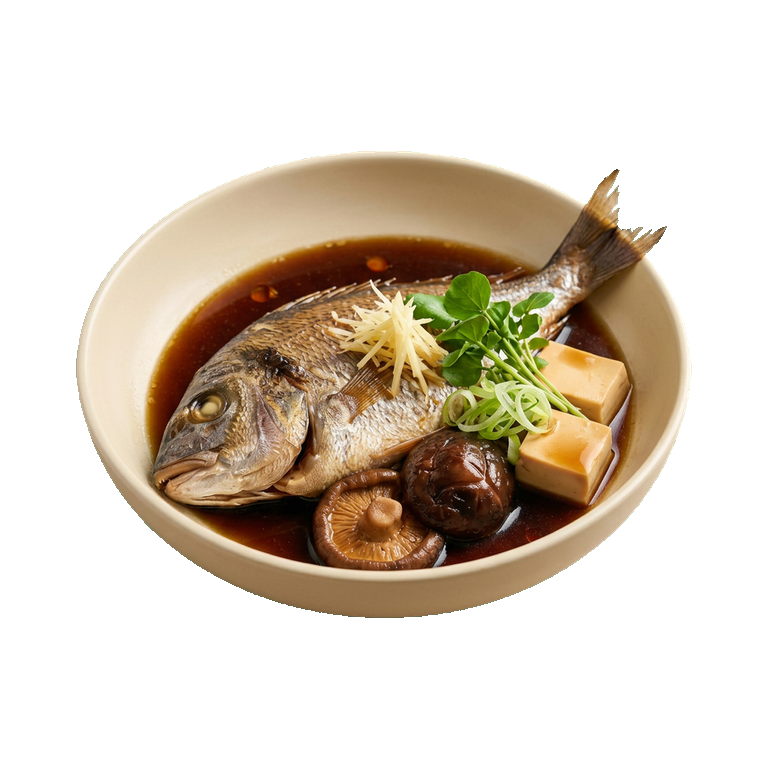
Tofu itself has a barely noticeable, mild nutty flavor and is practically odorless. This is its main advantage: it becomes whatever you turn it into. Marinate it in soy sauce and ginger — you'll get an Asian dish. Treat it with olive oil, lemon, and herbs — it will become Mediterranean. Add spicy spices — tofu will take on the character of Indian or Mexican cuisine.
How to cook
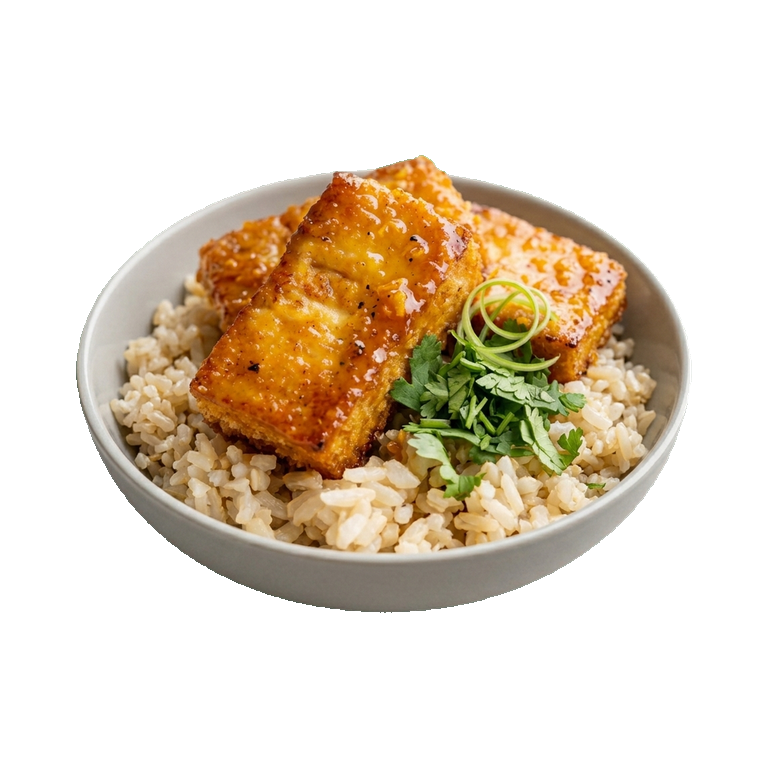
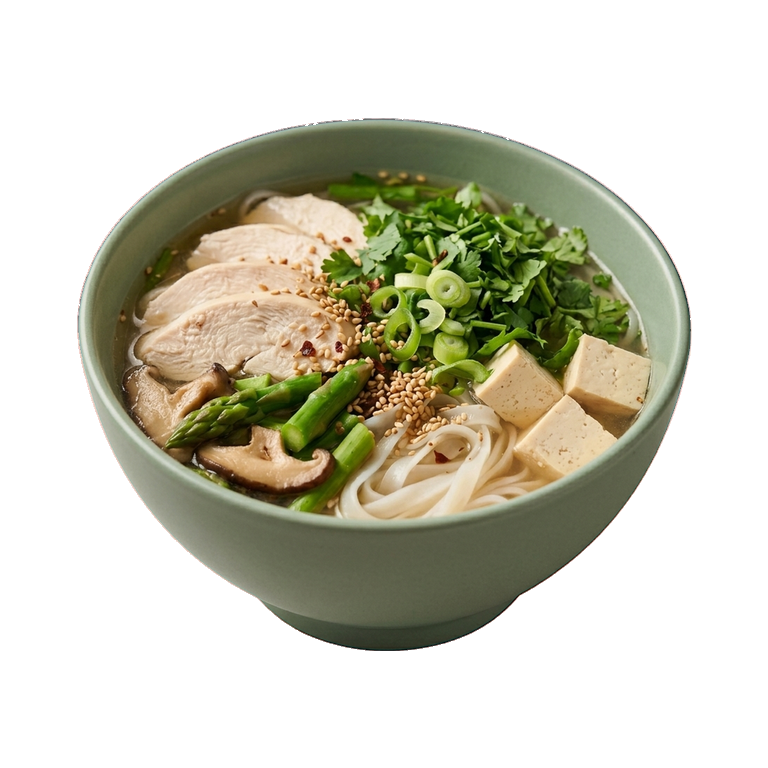
Before cooking tofu, it needs to be pressed. Place the block between clean kitchen towels or paper napkins and press it down with something heavy for 15–30 minutes. This will remove excess moisture, and the product will better absorb the marinade and get a crispier crust when frying. Firm tofu can be cut into cubes and fried in oil until golden, soft tofu should be added to hot soup at the very end of cooking so it doesn't fall apart.
Successful Pairings
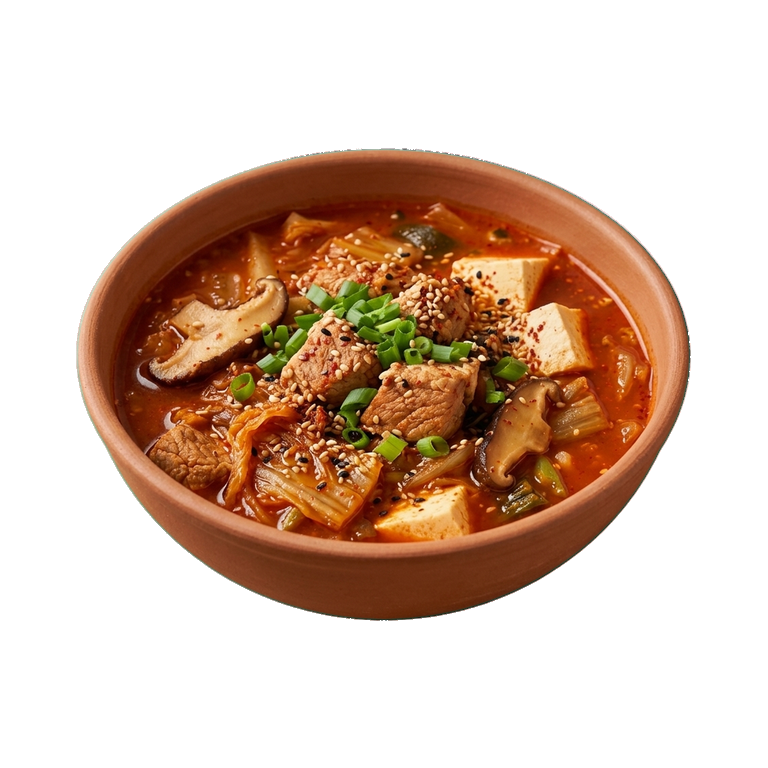
- With soy sauce, sesame and green onion
- With vegetables: broccoli, carrot, mushrooms, bell pepper
- With hot sauces: chili, Sichuan pepper, wasabi
- With herbs: cilantro, parsley, basil, mint
- With acid: lemon juice, vinegar, miso
Selection and Storage
Look for tofu in the refrigerated section of the supermarket. The package should be intact, without cracks or damage. The manufacturing date is your main guide: fresh tofu keeps in the refrigerator for 3–5 days after opening the package. Store it in a container with water, which you need to change daily, or in an airtight bag. Open tofu quickly absorbs odors from neighboring products, so keep it separate. If you don't plan to use it soon, freeze it: after thawing, the texture will become more porous and will better absorb marinades, which is sometimes even beneficial for certain recipes.
Tofu is an ingredient worth trying even if you're not vegetarian. It's economical, cooks quickly, and opens up a huge range of culinary possibilities. Start simple: stir-fry firm tofu with vegetables and soy sauce. If you like it, experiment further.
Nutrition
per 100 g
- Calories
- 76 kcal
- Protein
- 8.1 g
- Fat
- 4.8 g
- Carbs
- 1.9 g
Measures and weight
- 1 pcs
- 200 g
Measure calculator
- Weight
- 100 g
- Calories
- 76 kcal