Usuba
Usuba
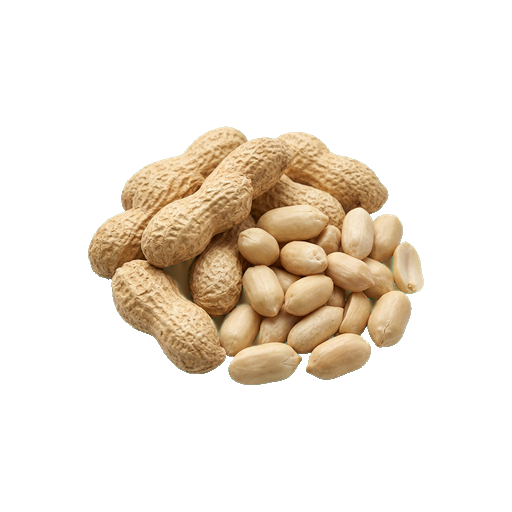
Peanut
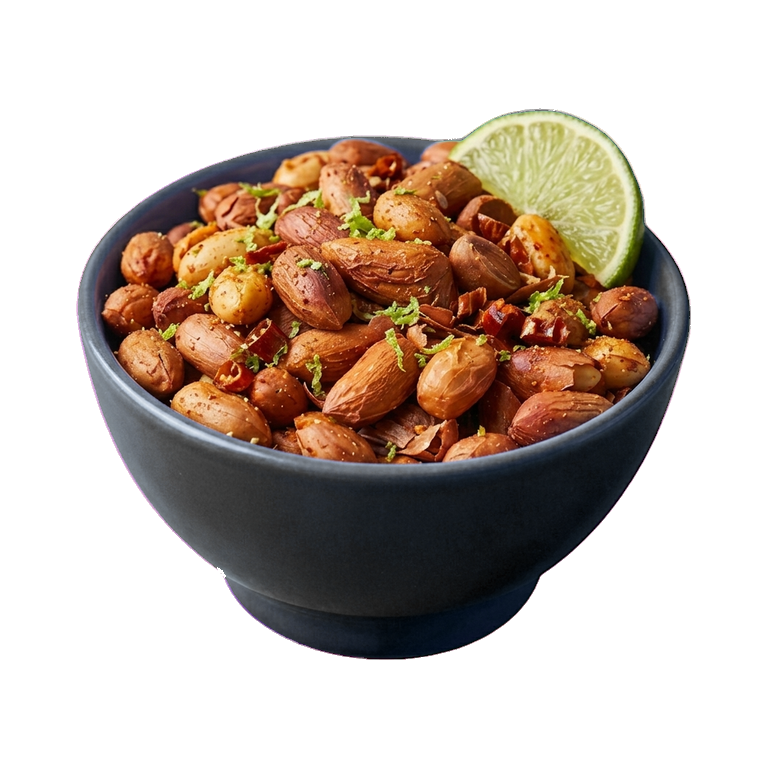
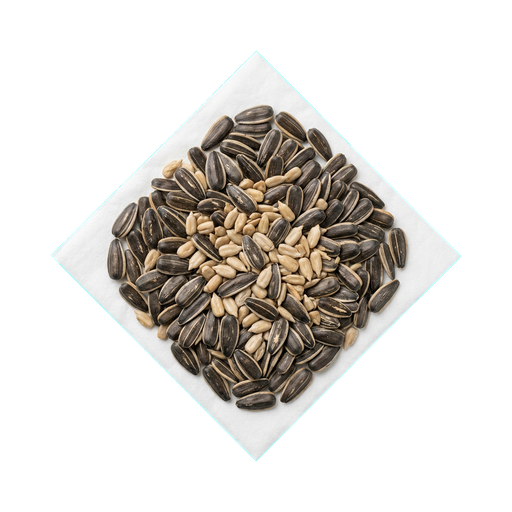
Peanut with a delicate, slightly sweet flavor and oily texture is used in cooking both raw and roasted. In Asian cuisine, peanuts are often ground into paste or added to sauces for meat and vegetables, as well as used as a topping for desserts and snacks. When selecting, look for nuts without mold and musty odor, as peanuts are prone to accumulating aflatoxins; store them best in an airtight container in a cool place.
Micronutrients
per 100 g
About
Peanut is not a nut, but a legume, though in culinary terms it is commonly called a groundnut. In the kitchen, it serves as a universal helper: from appetizers to sauces, from sweets to spicy dishes. Its oily texture and rich flavor make it indispensable in Asian cuisine, American desserts, and experimental cooking.
Taste and Aroma
Raw peanuts have a soft, slightly sweet taste with grassy notes. But their true potential is revealed when roasted — a deep, nutty, almost caramel-like aroma emerges. The degree of processing affects the intensity: lightly roasted peanuts retain lightness, while heavily roasted ones become dark and expressive.
Forms and Use Cases
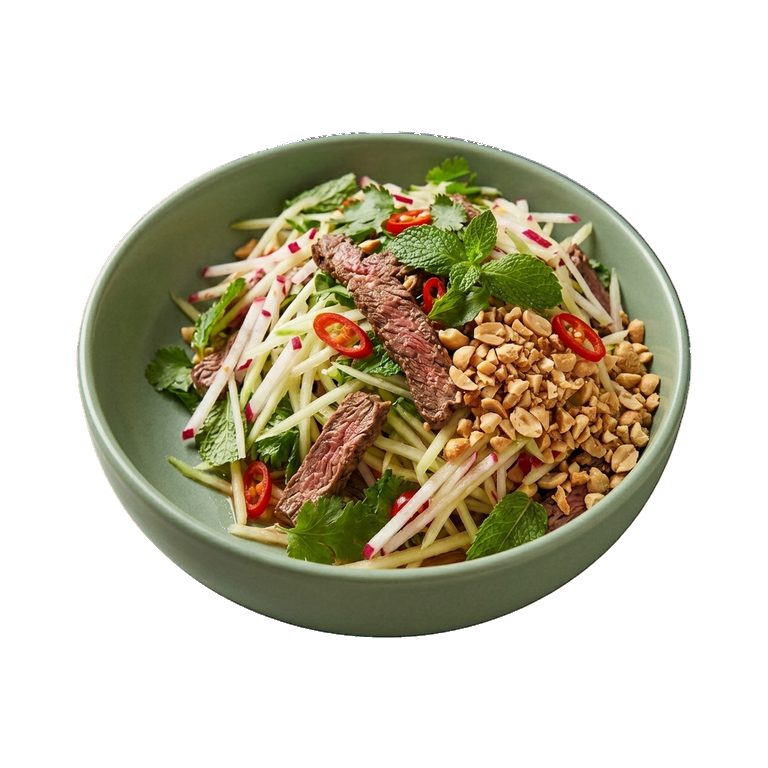
- Whole kernels — for appetizers, adding to salads, garnishing dishes
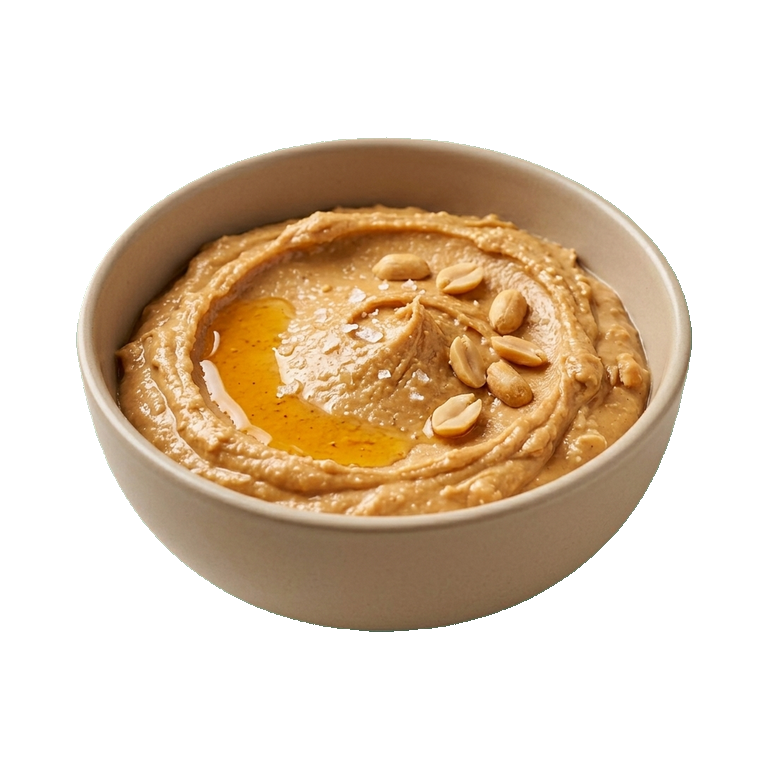
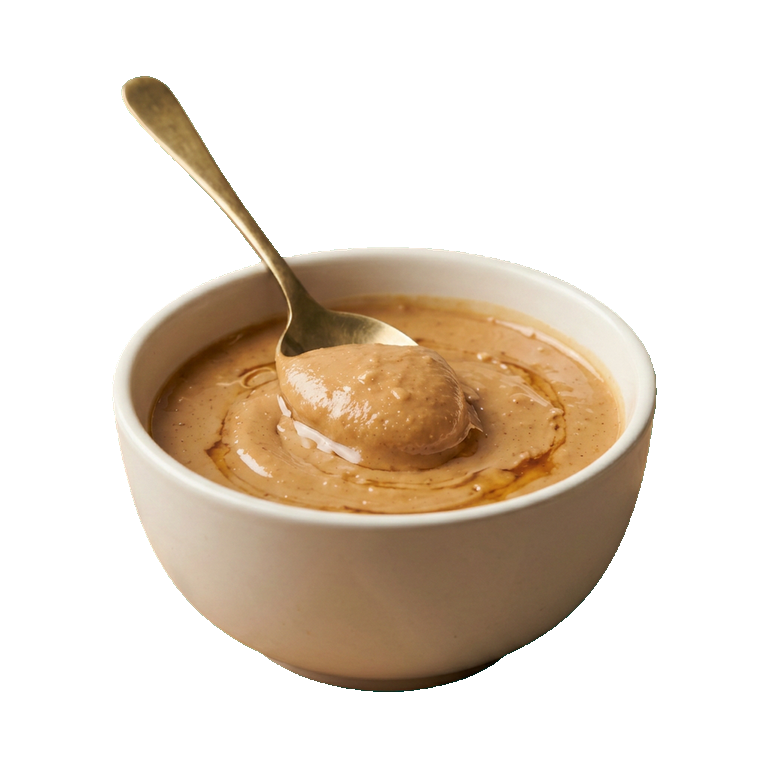
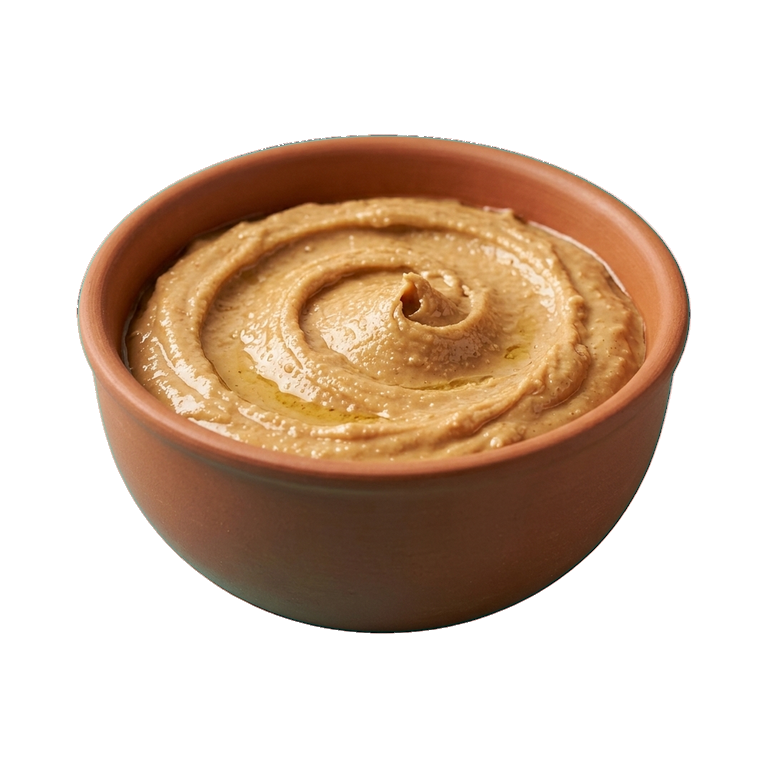
- Peanut butter — base for sauces, fillings, desserts and drinks
- Ground peanuts — thickener for spicy sauces, breading component
- Peanut oil — for frying, dressings, finishing touch
In dishes and combinations
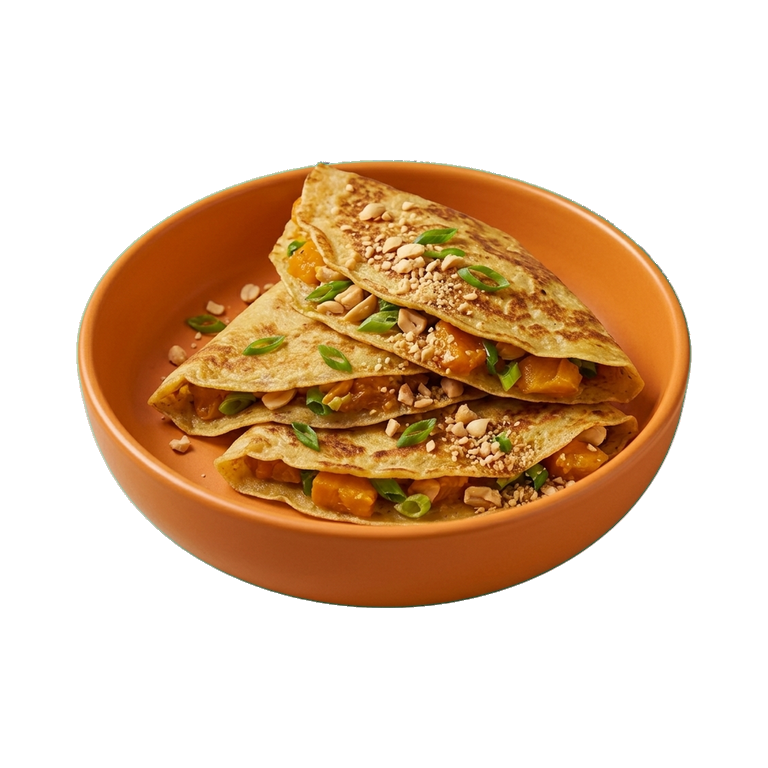
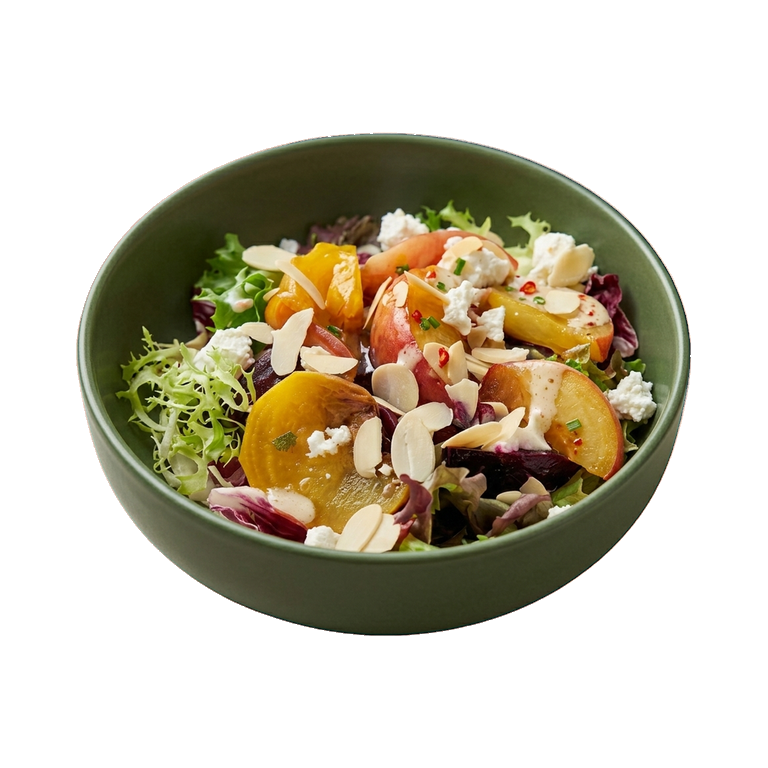
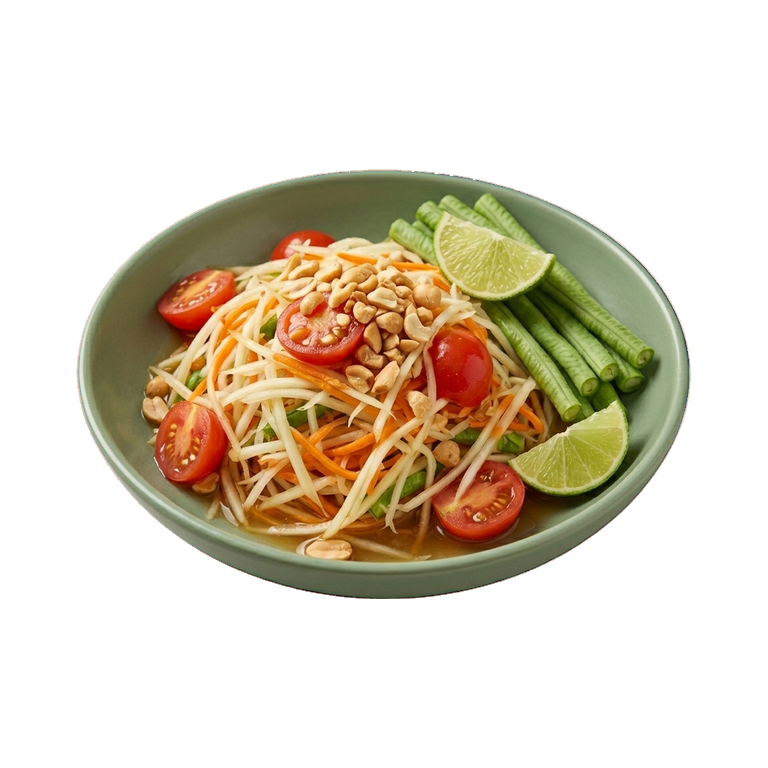
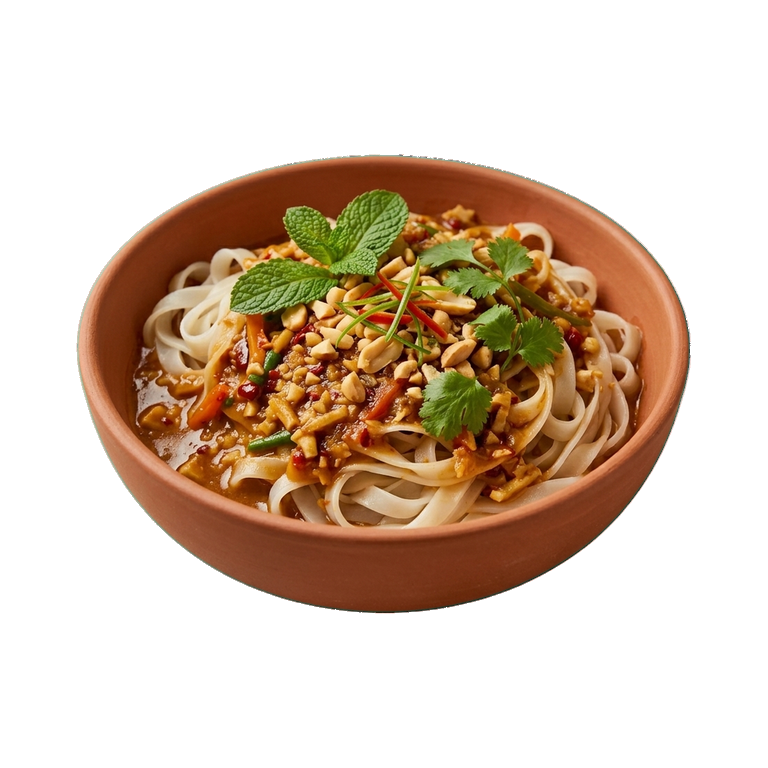
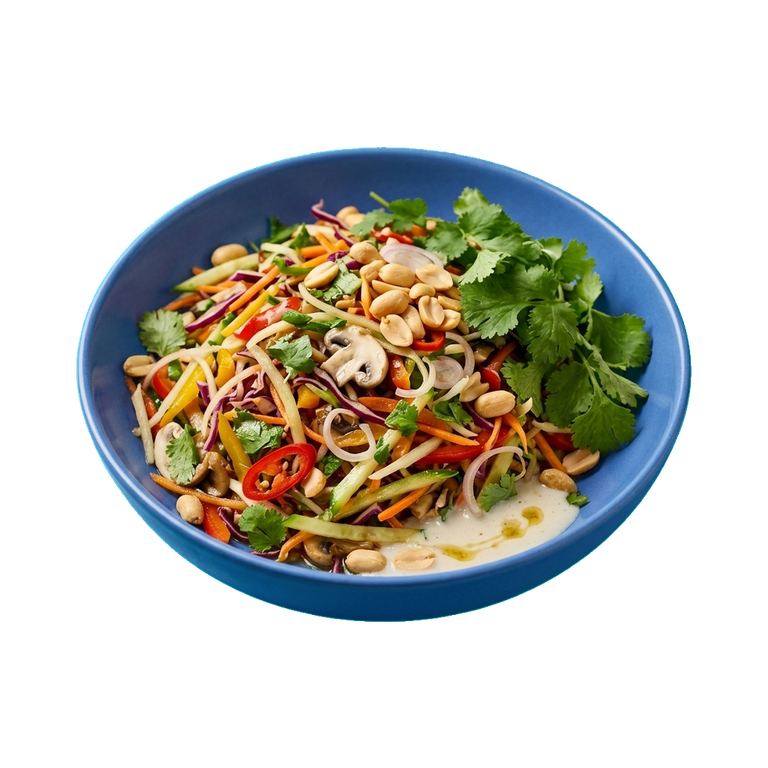
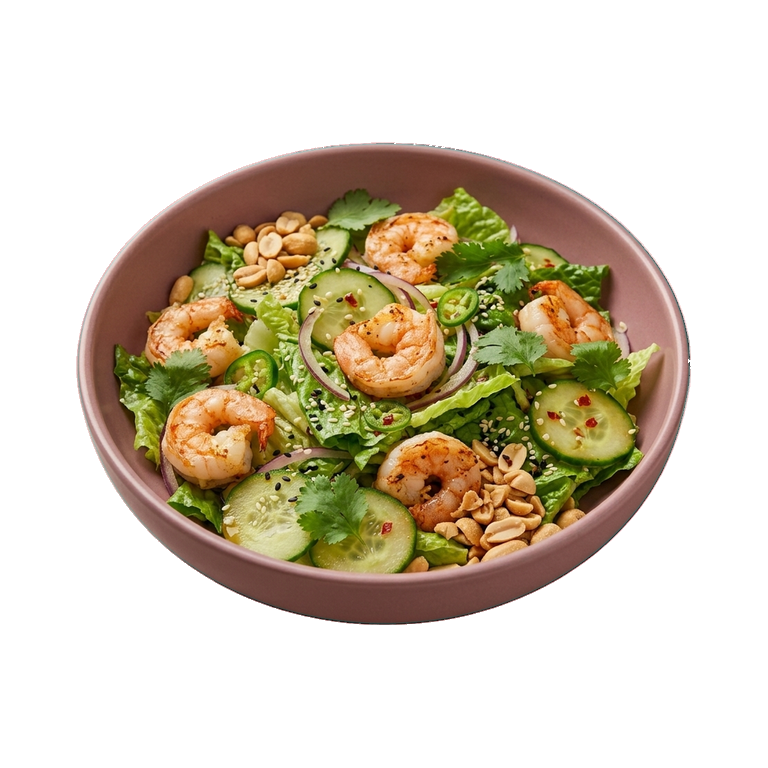
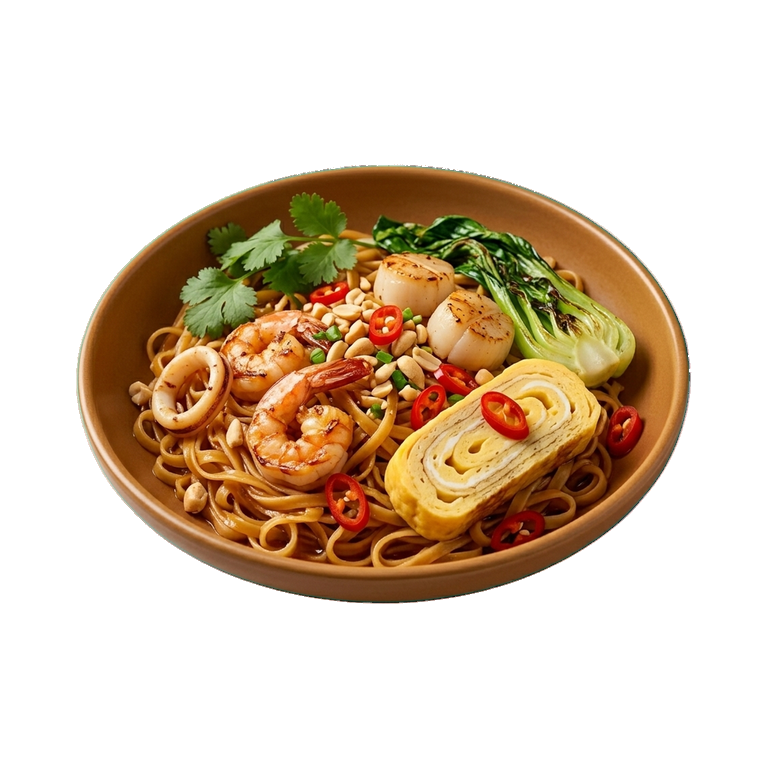
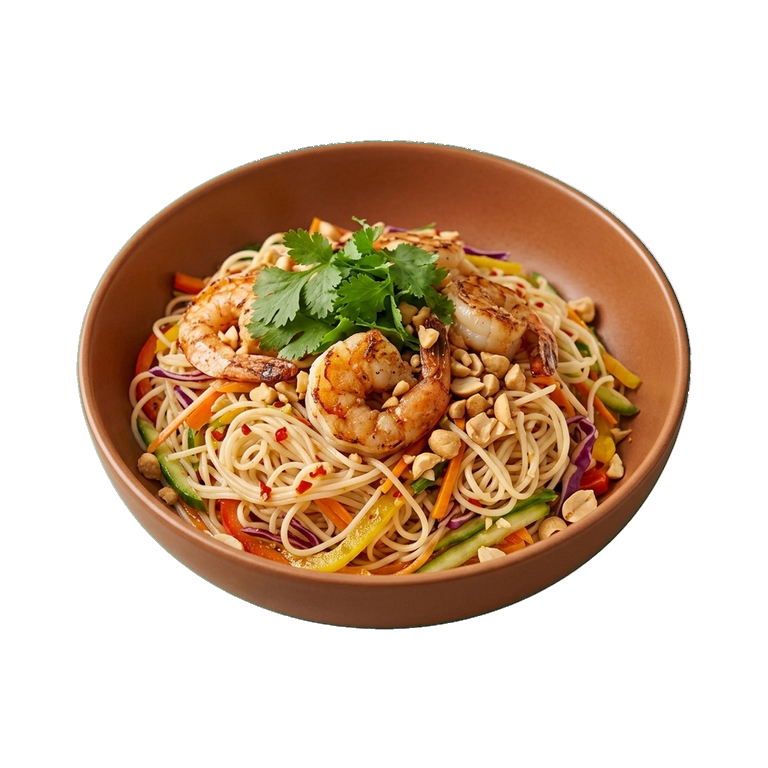
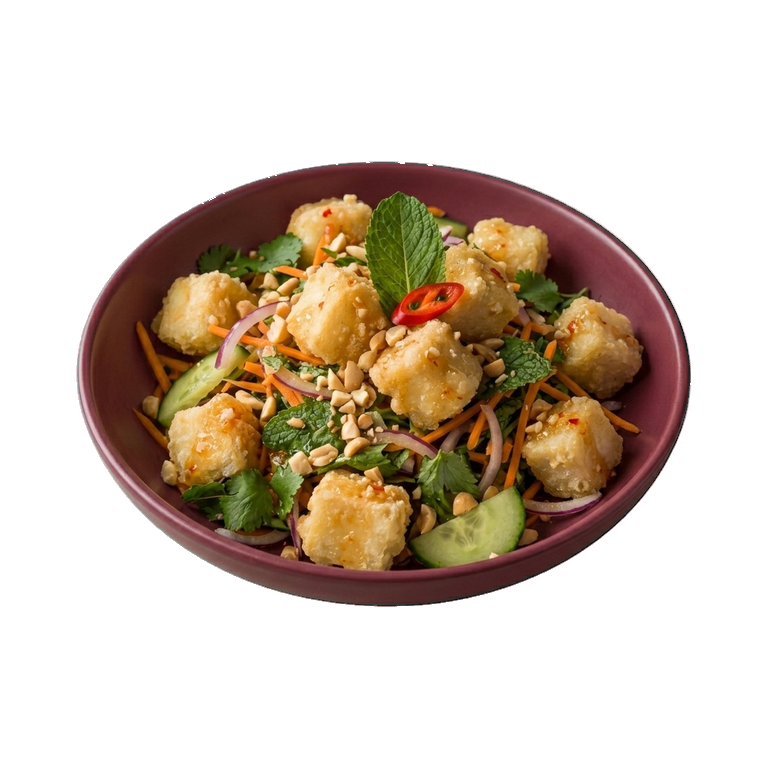
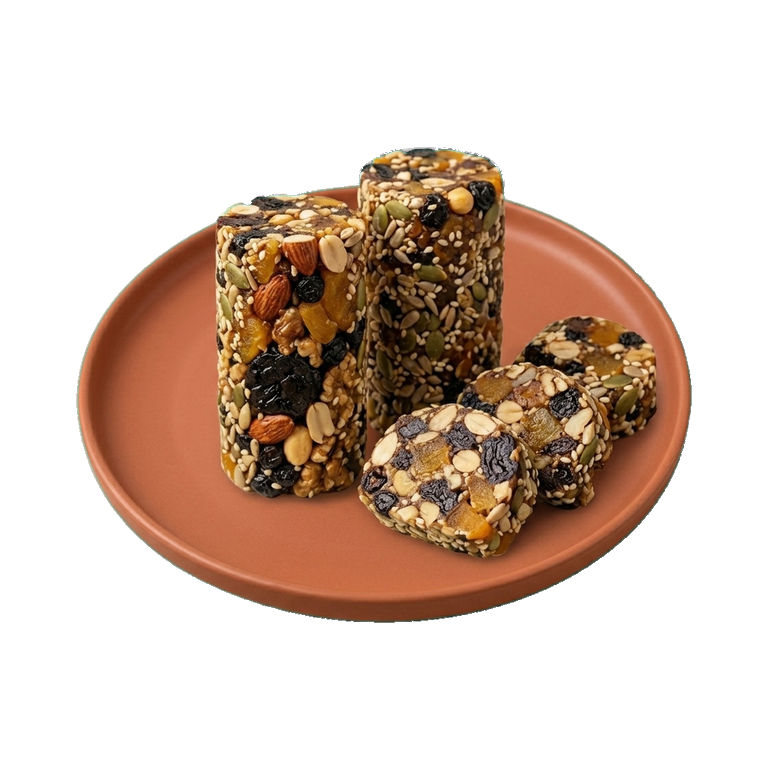
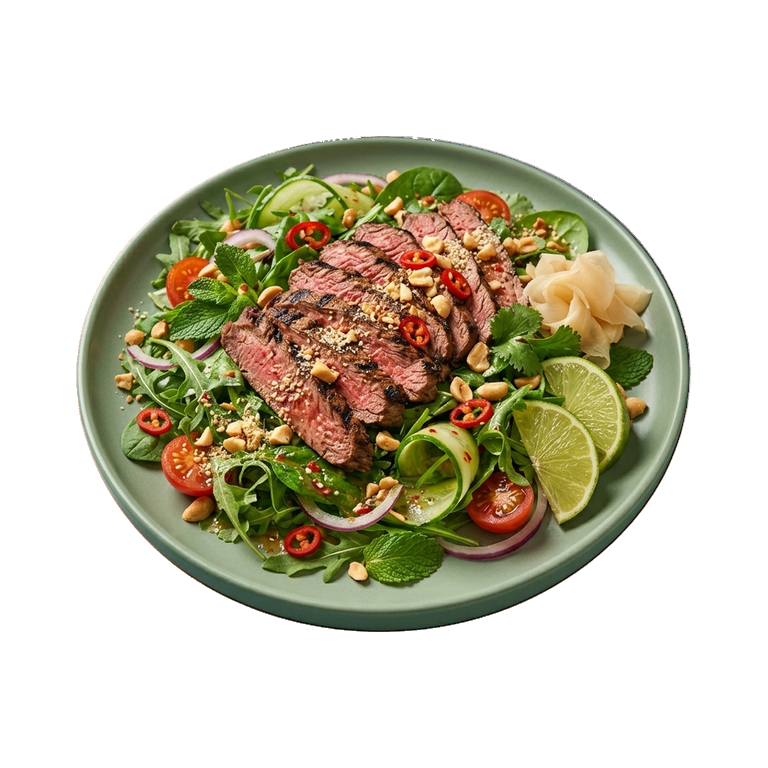
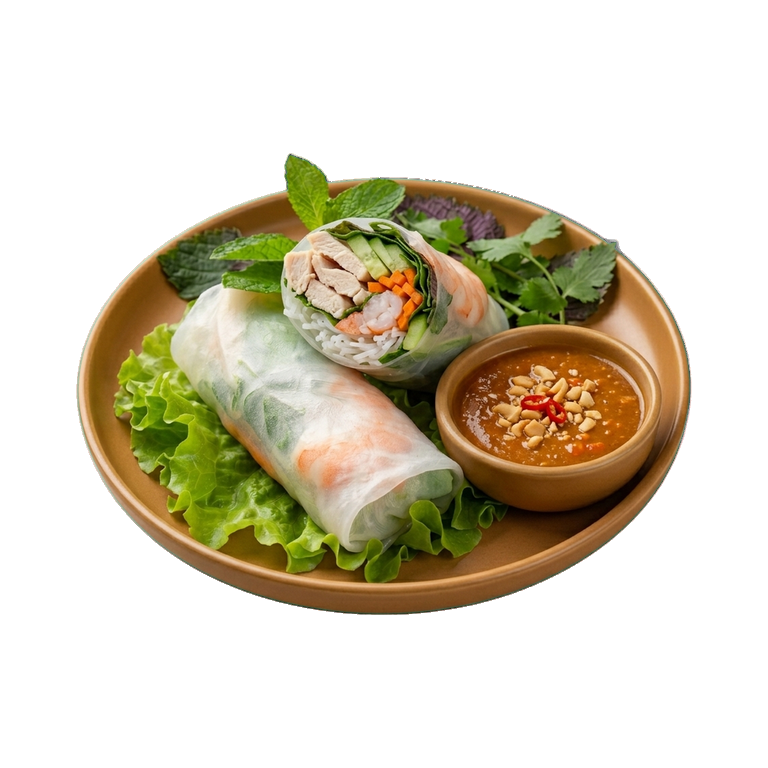
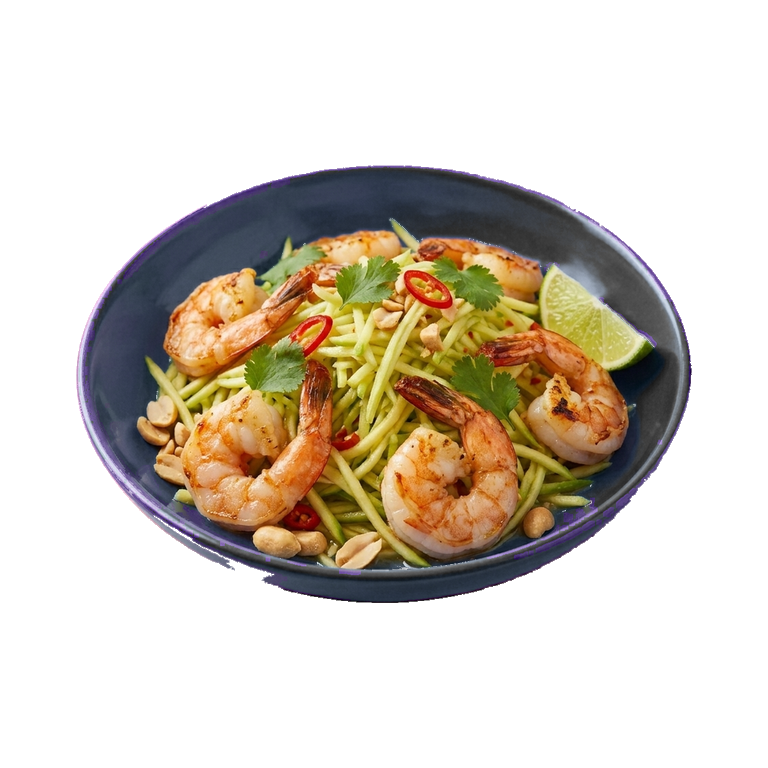
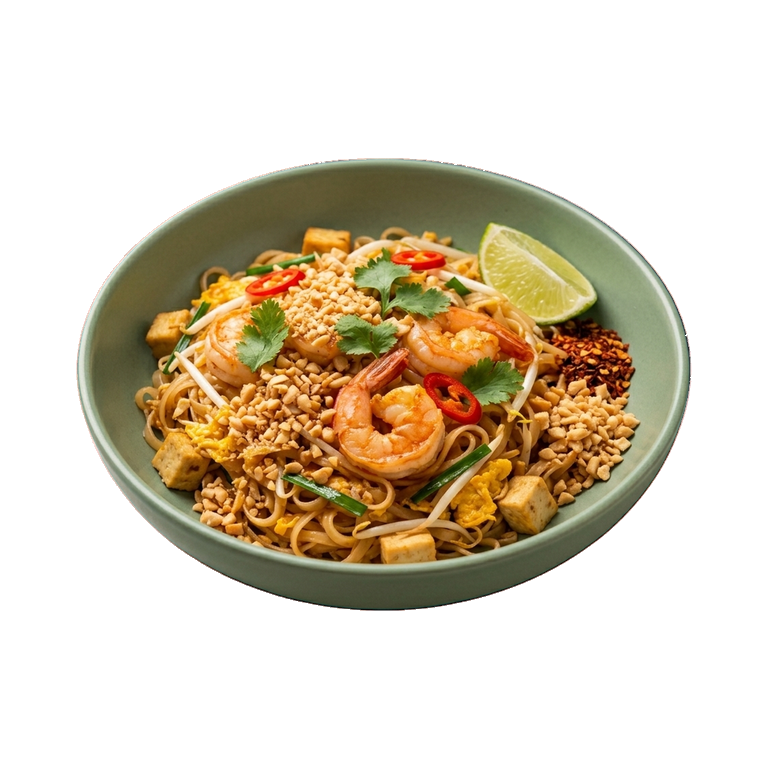
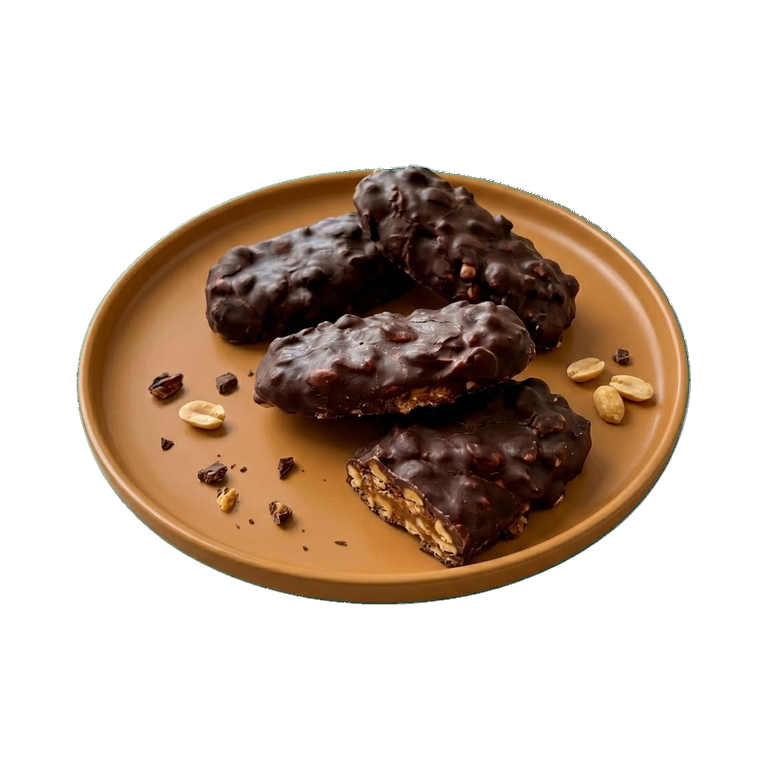
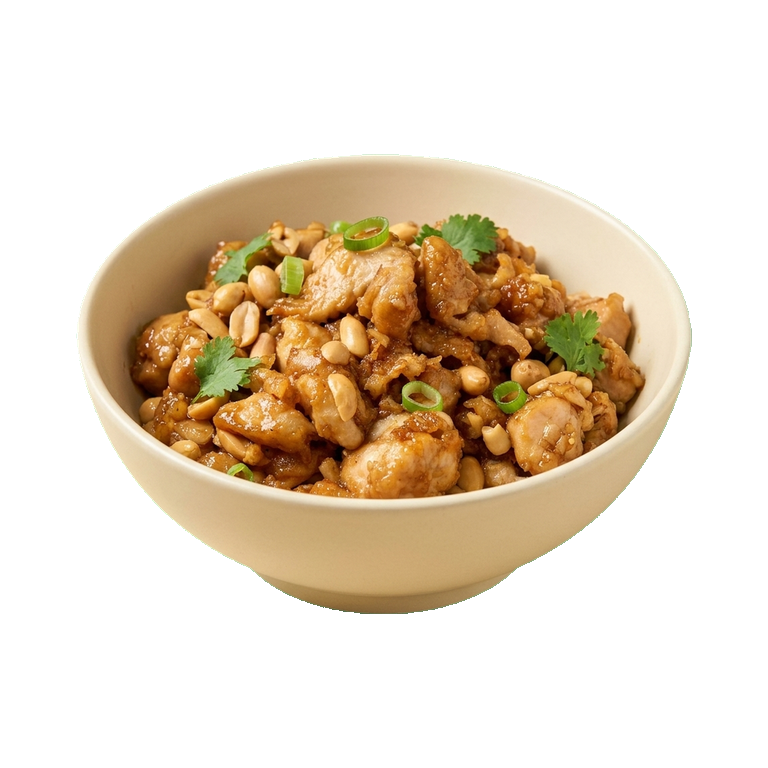
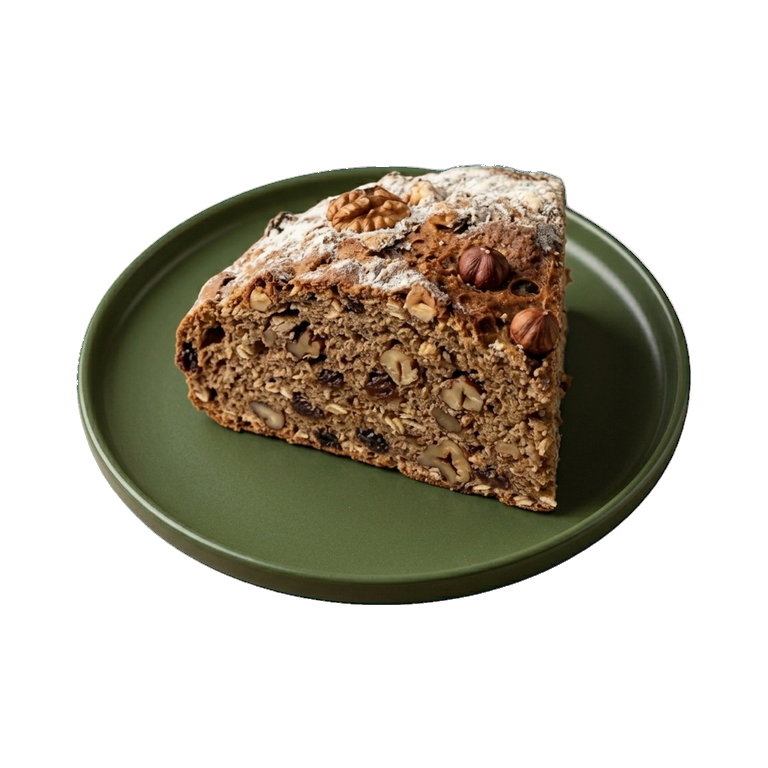
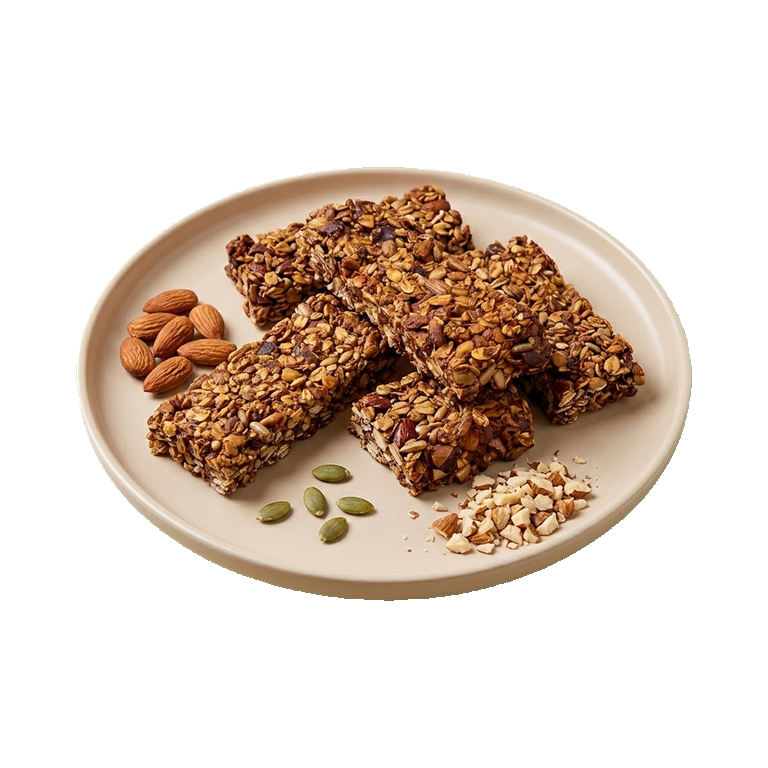
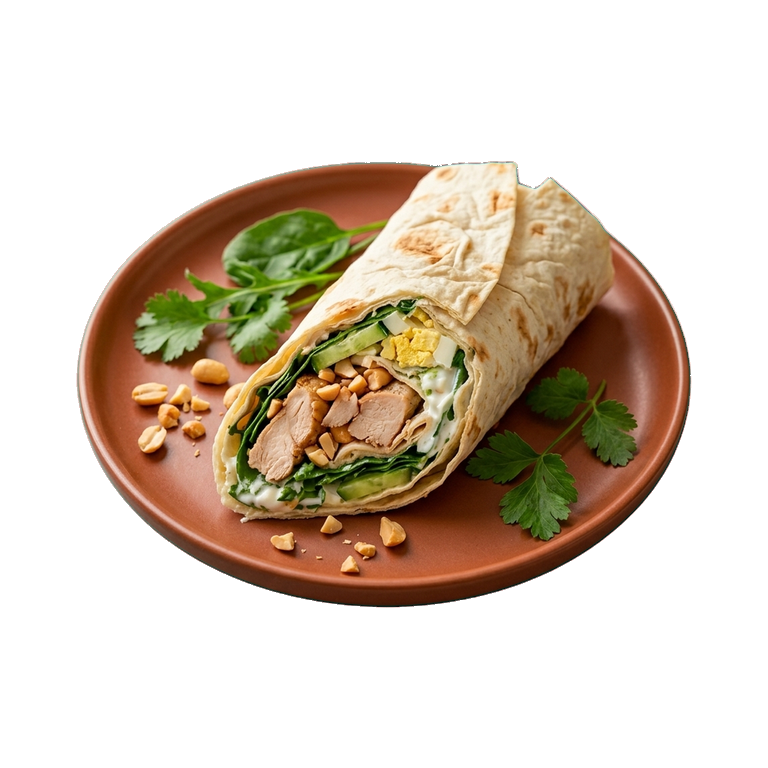
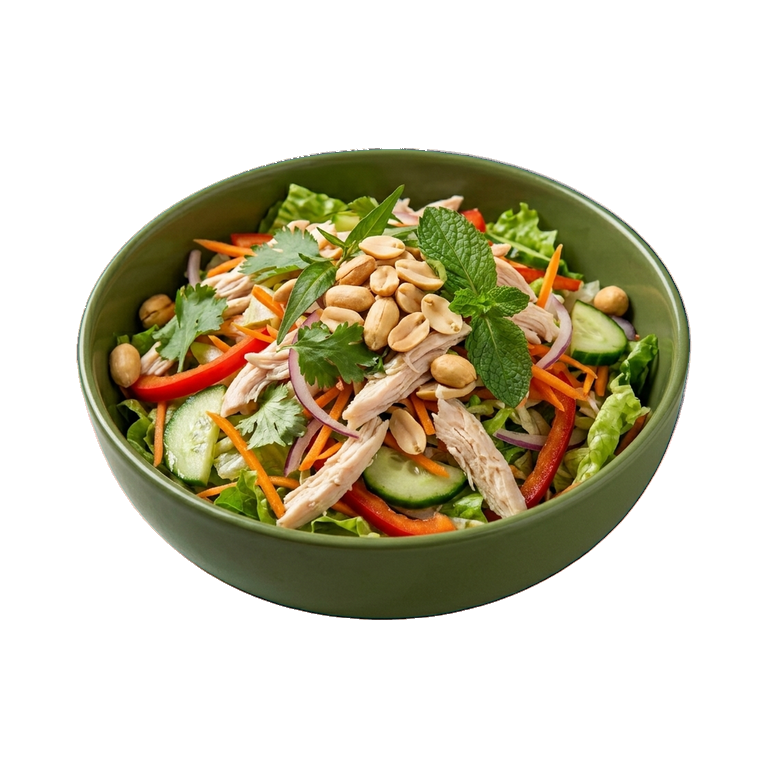
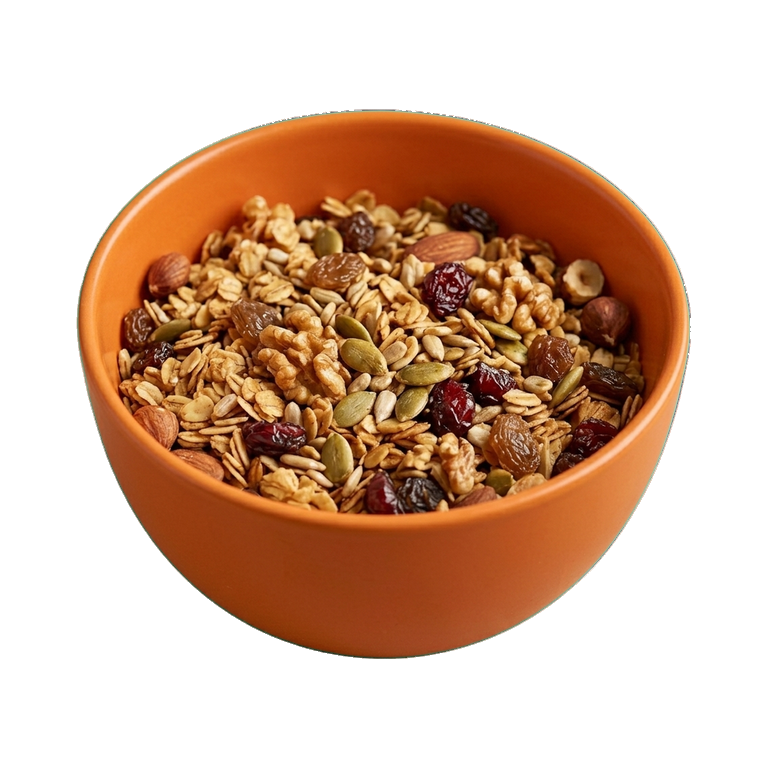
Peanuts work excellently in contrasting combinations: with spicy (chili, ginger), sour (lime, vinegar), and sweet (honey, brown sugar). They are essential in Asian sauces for noodles and vegetables, featured in American cookies and candies, and add depth to African stews. Even in European cuisine, they find their place — in salads with chicken, in breadcrumbs for meat, or as a component of homemade granola.
Selection and Storage
When buying whole peanuts, pay attention to color uniformity and the absence of a moldy smell — these are signs of improper storage. Peanuts should be dry to the touch. Good quality paste contains a minimum of ingredients: peanuts themselves, salt, and sometimes oil. Avoid options with hydrogenated oils.
- Whole kernels are stored in an airtight container in a cool place for up to three months
- Paste lasts in the refrigerator after opening for 2–3 months; natural paste may separate — this is normal
- Peanut butter in a dark bottle keeps its freshness longer
- Freezing extends the shelf life for several months, taste does not suffer
If peanuts start to taste bitter or smell musty, this is a sign of rancidity — such a product is better not to use. Fresh peanuts have a clean, pleasant smell.
Nutrition
per 100 g
- Calories
- 567 kcal
- Protein
- 26.3 g
- Fat
- 49.2 g
- Carbs
- 16.1 g
Micronutrients
per 100 g
Macronutrients
- Fiber
- 8.014 g
- Water
- 4.816 g
Minerals
- Sodium
- 1.49 mg
- Potassium
- 635.6 mg
- Calcium
- 49.13 mg
- Magnesium
- 179.7 mg
- Phosphorus
- 380.4 mg
- Iron
- 1.55 mg
- Zinc
- 2.78 mg
- Copper
- 0.46 mg
- Manganese
- 1.68 mg
- Selenium
- 17.8 mcg
Measures and weight
- 1 tbsp
- 9.8 g
- 1 tsp
- 3.3 g
- 1 cup
- 162.5 g
- 1 pcs
- 1.2 g
Measure calculator
- Weight
- 100 g
- Calories
- 567 kcal