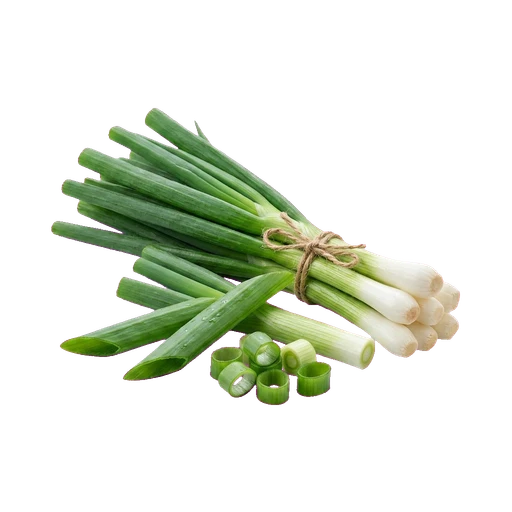
Usuba
Usuba
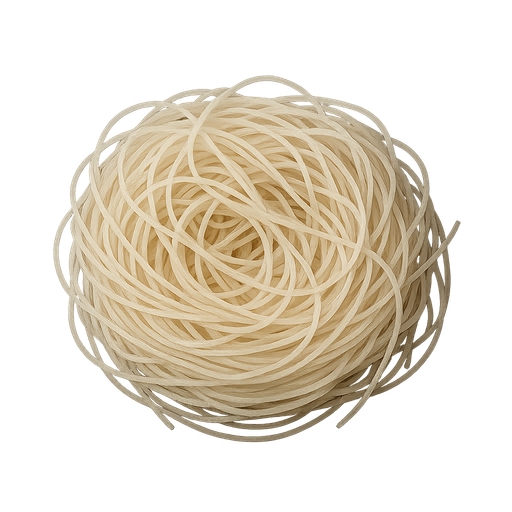
Rice noodles
Thin rice flour noodles with a neutral flavor and smooth texture that quickly absorbs sauces and seasonings. They are used in Asian cuisine for soups, salads, and stir-fried dishes, as they remain tender and don't overcook with proper handling. When selecting, pay attention to the expiration date and package integrity, as the noodles are fragile and may crumble.
Micronutrients
per 100 g
Minerals
About
Rice noodles are thin, delicate strands made from rice flour and water that cook in just seconds. In their dry form, they are almost weightless and take up minimal space in the kitchen, but once you pour hot water over them, they transform into a tender base for soups, salads, and stir-fried dishes. They are one of the most versatile carbohydrates in Asian cuisine, and their popularity is easily explained: they work wherever noodles are needed, but when you want something more delicate than wheat pasta.
Texture and neutral taste
The main advantage of rice noodles is their delicacy. They don't overpower a dish with their own flavor, but instead become a neutral vehicle for sauces, broths, and ingredients. When cooked properly (usually 4–5 minutes in boiling water or simply soaked in hot water), the noodles remain slightly firm but not hard. If overcooked, they become mushy, so it's important to monitor the cooking time and immediately cool the finished noodles in cold water.
Where to use
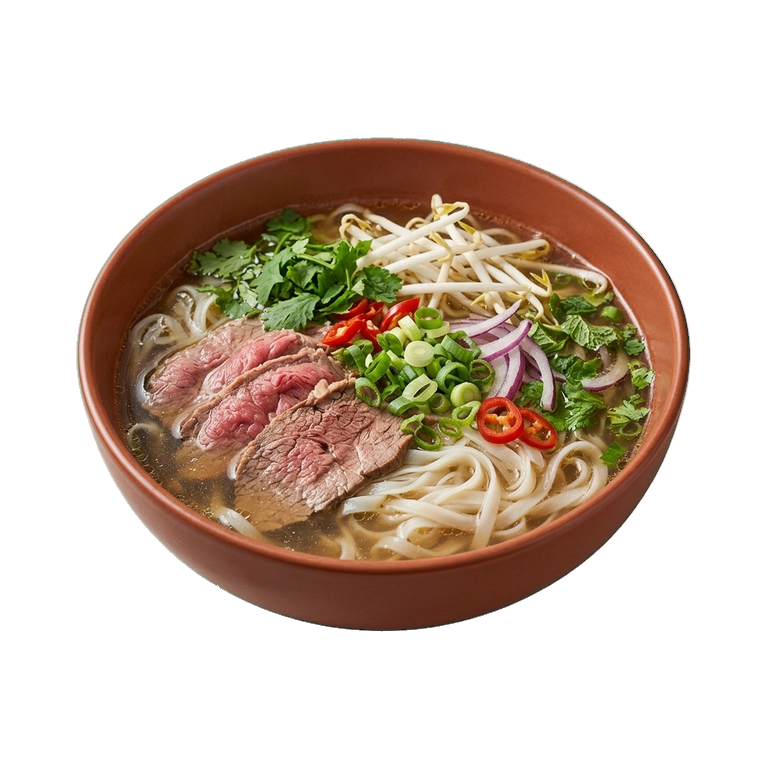
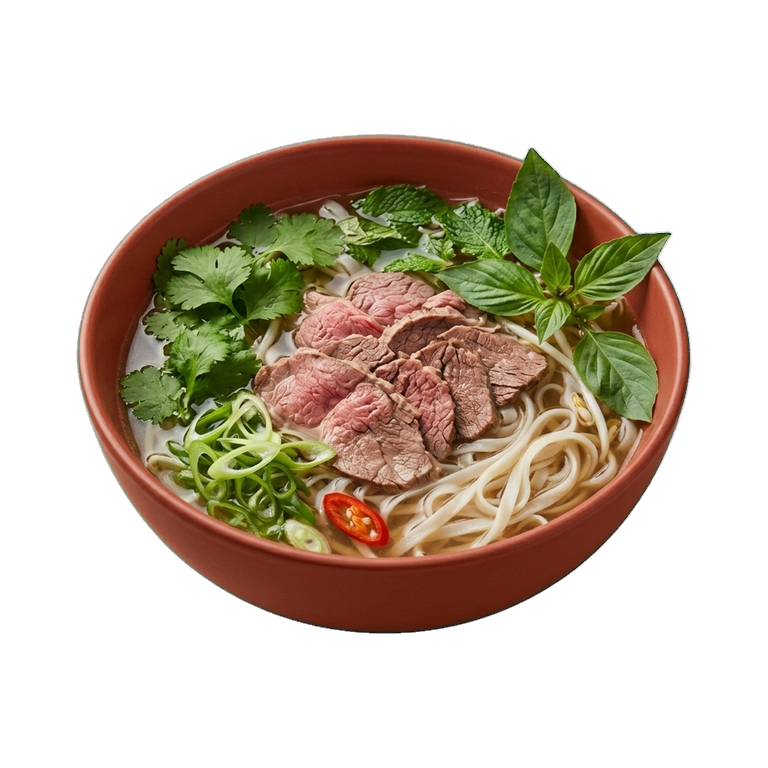
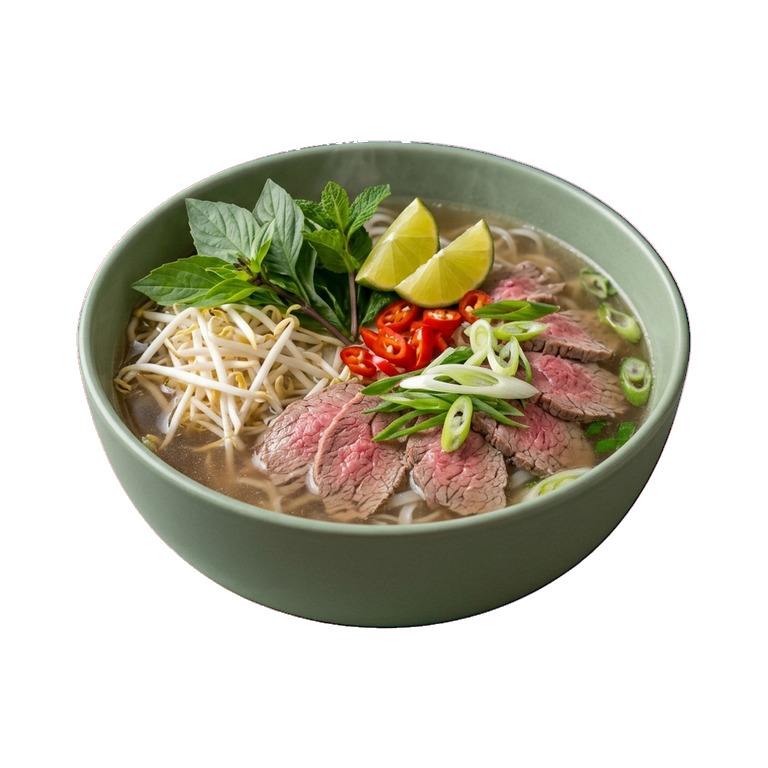
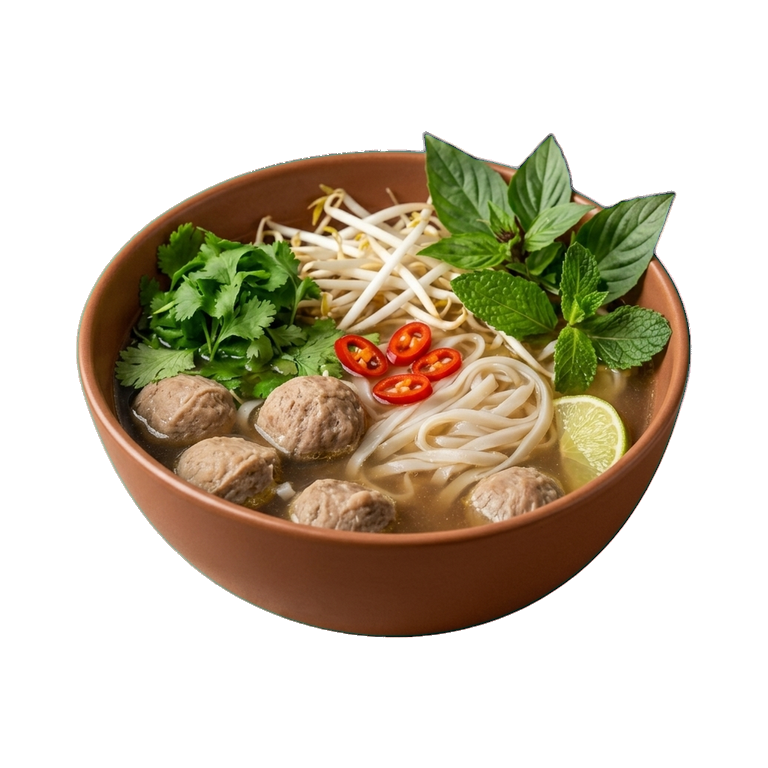
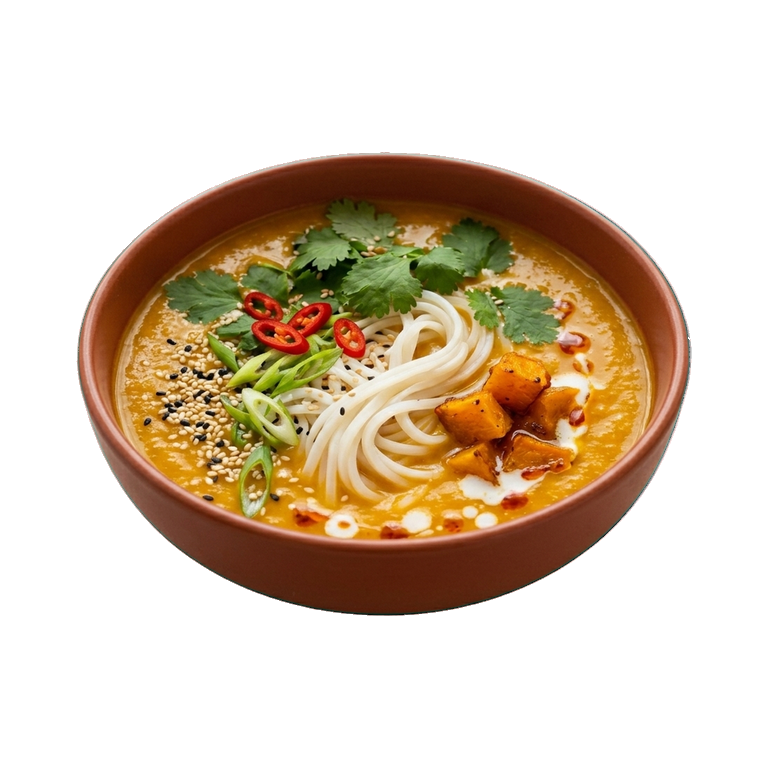
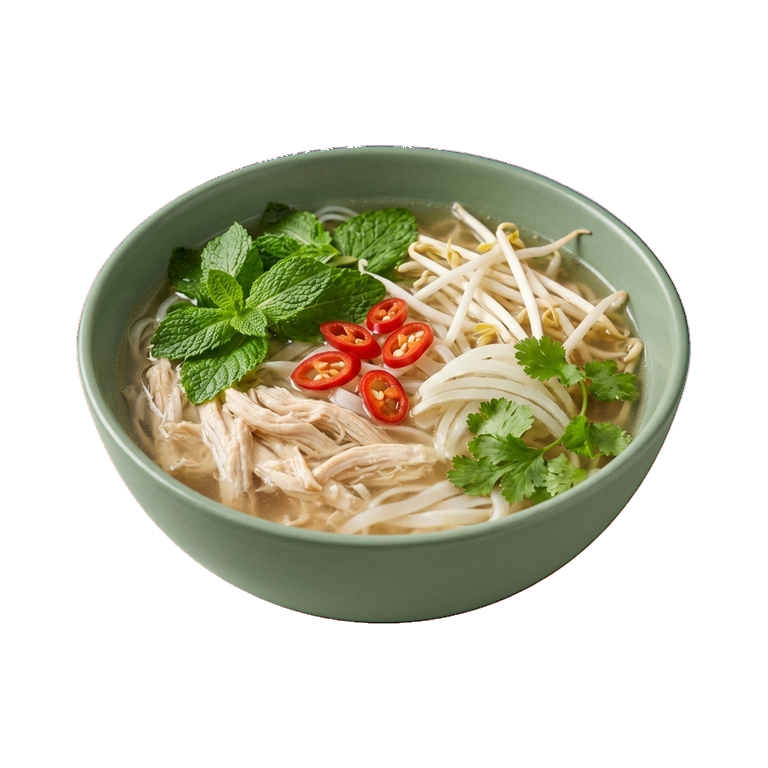
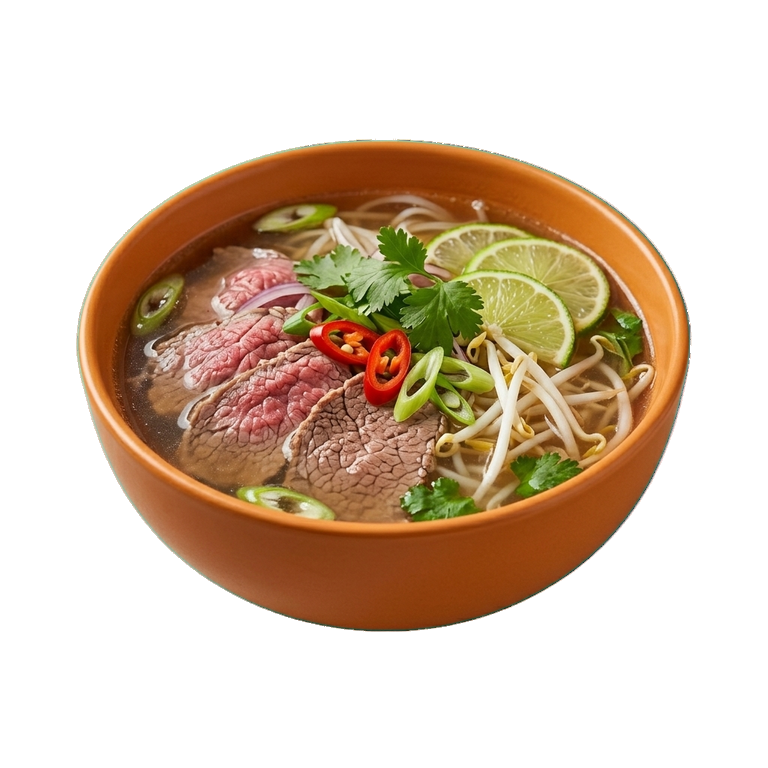
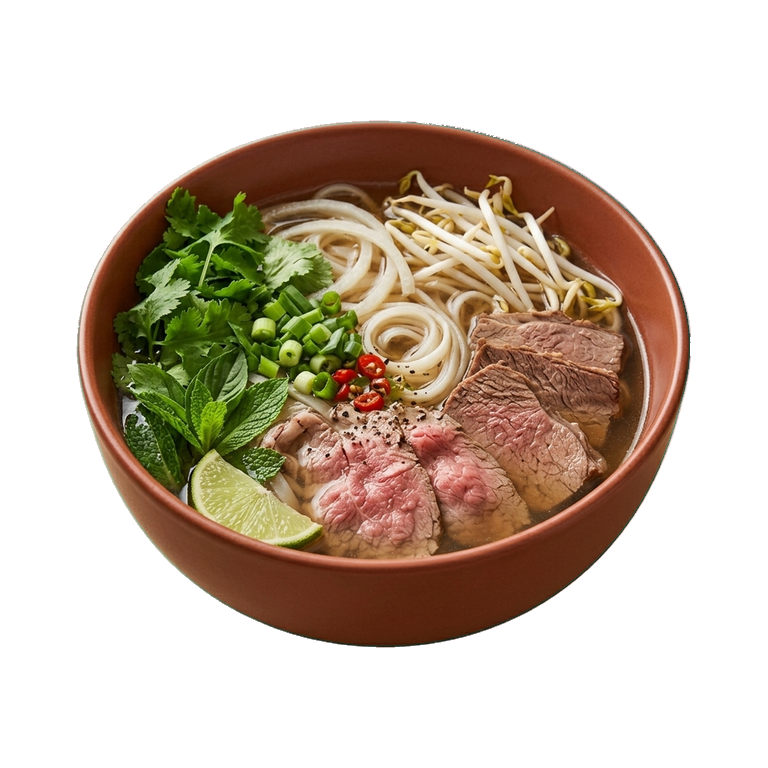
- Asian soups: pho, ramen, miso soup with noodles
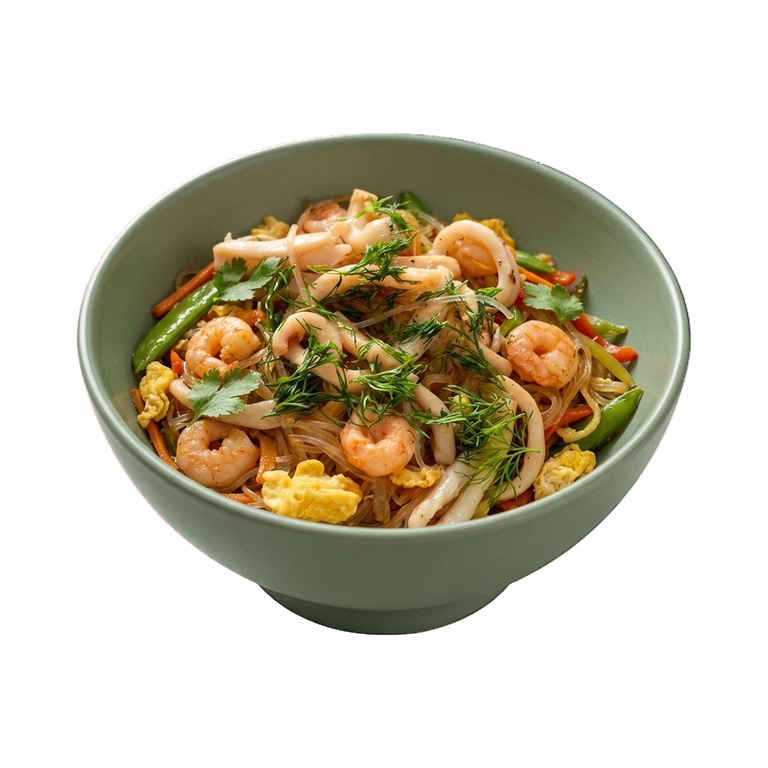
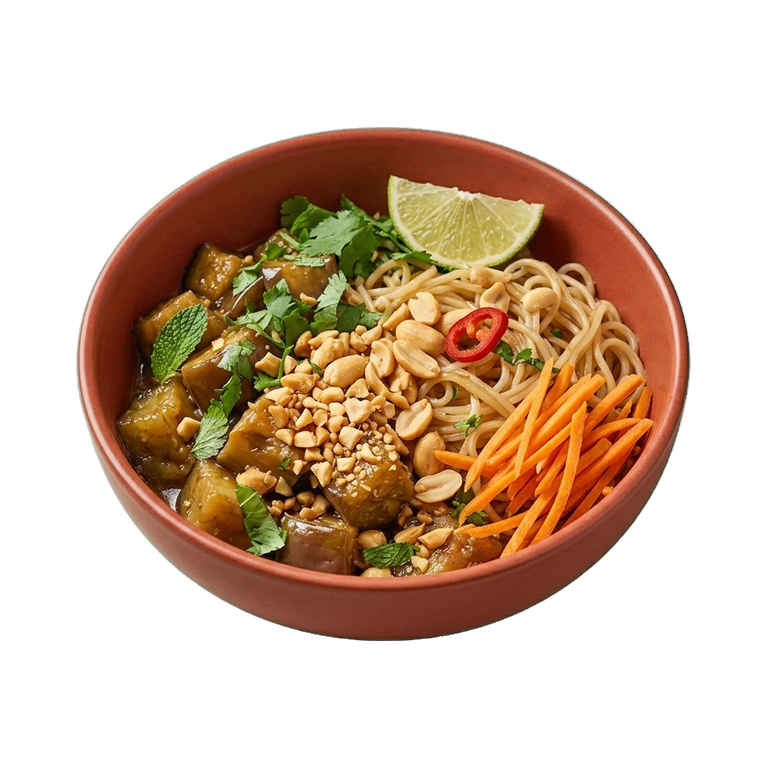
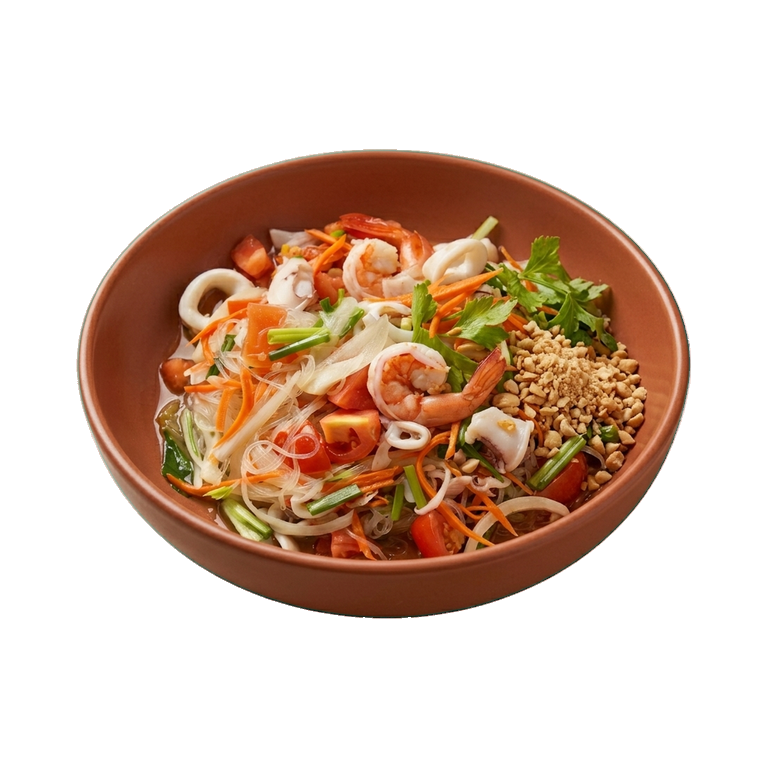
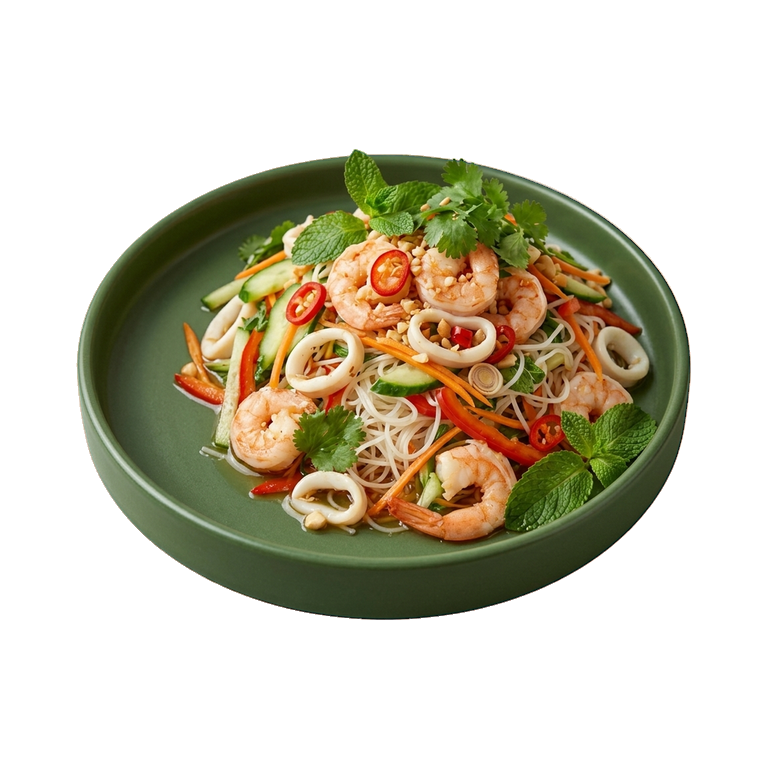
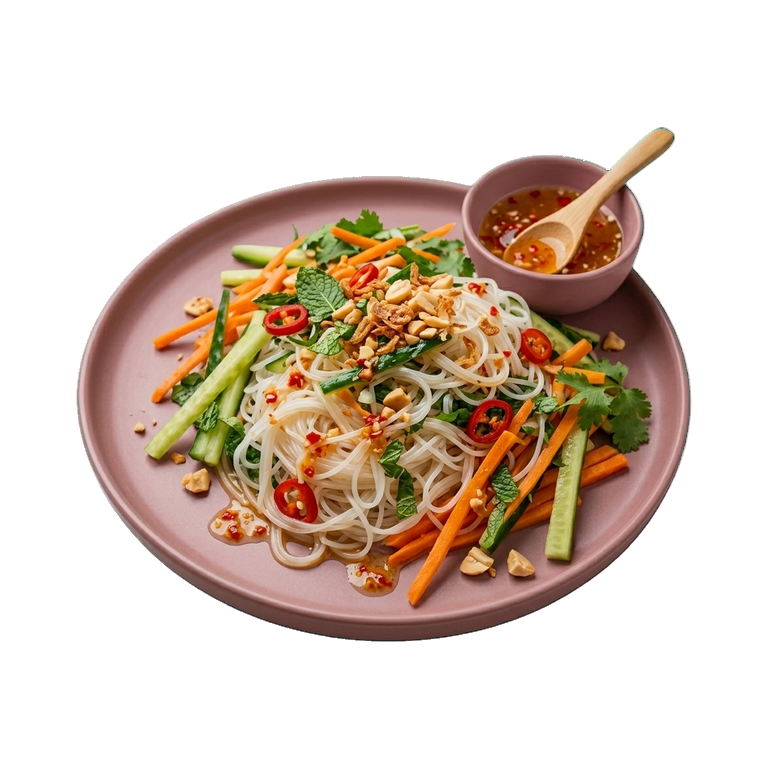
- Salads: cold salads with vegetables, peanut sauce or lemon dressing
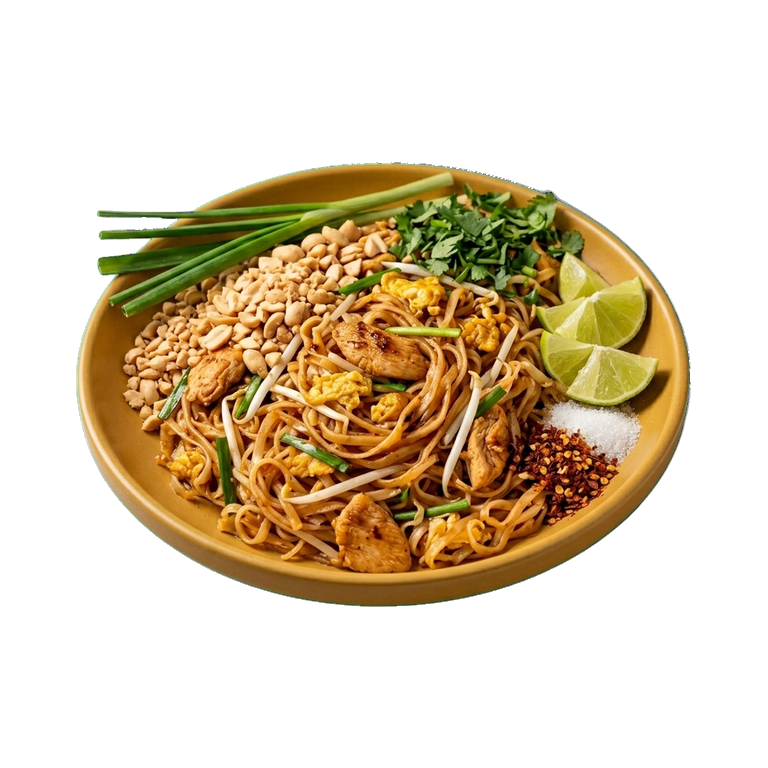
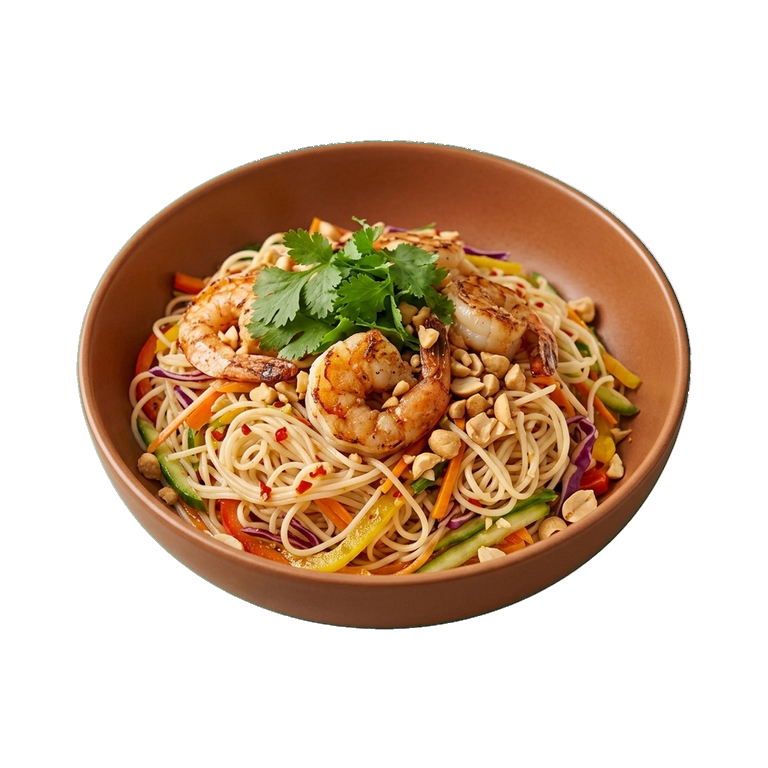
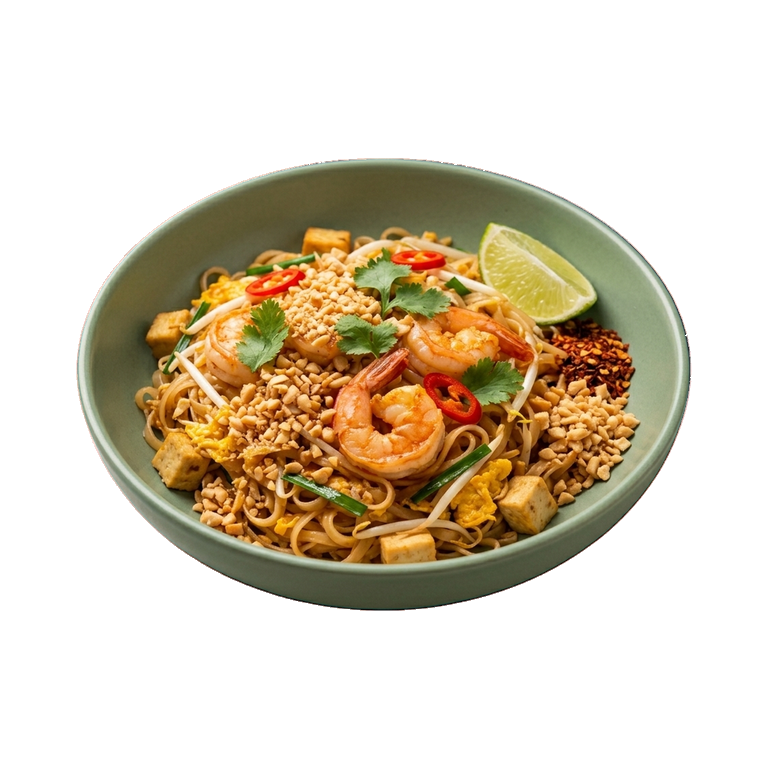
- Fried dishes: pad thai (Thai fried noodles), which turns out crispy on the outside and soft on the inside
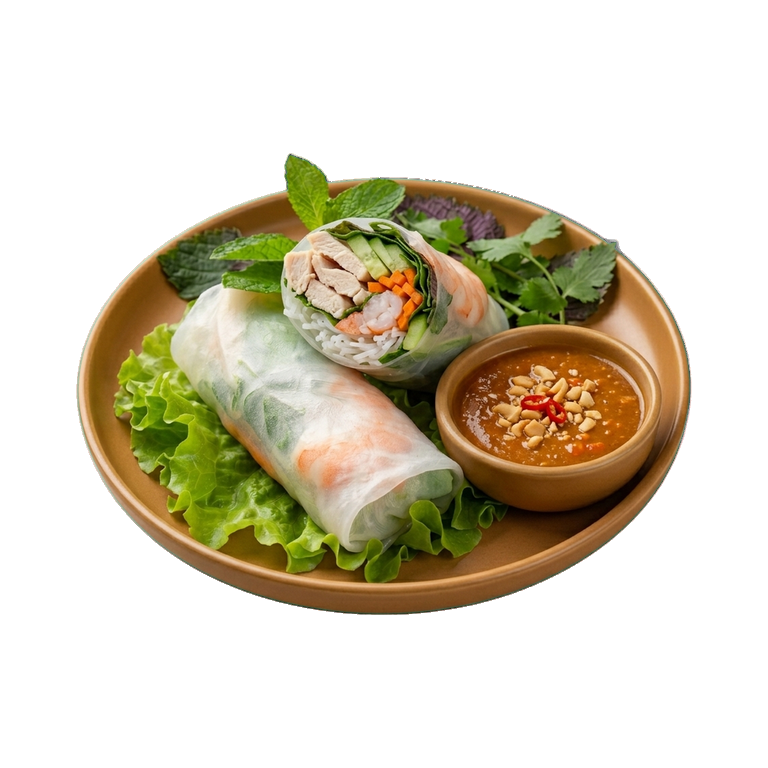
- Rolls and wraps: rice noodles hold their shape well in dishes like spring rolls
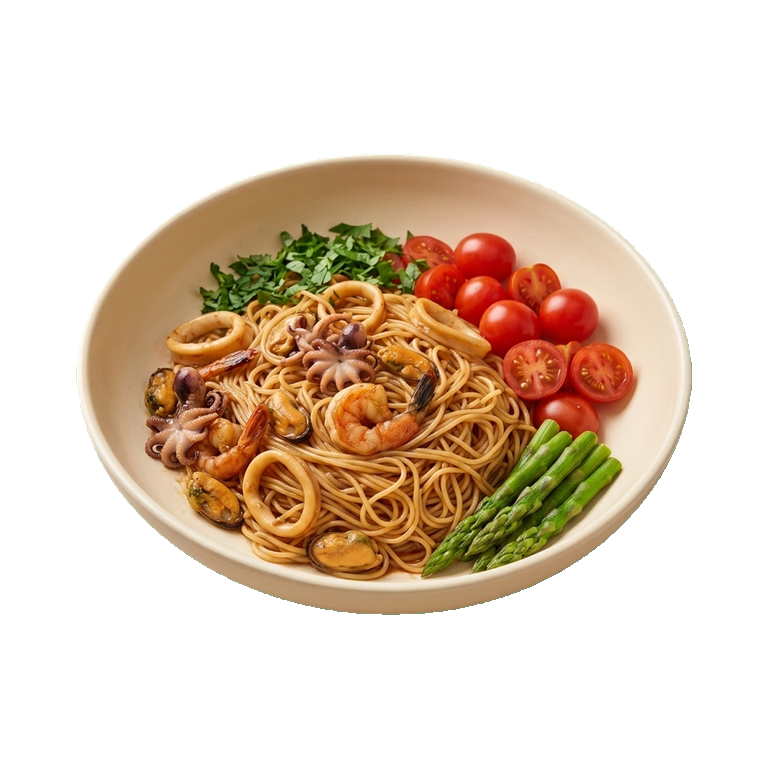
- Light side dishes: instead of rice or potatoes to serve with meat and fish
How to Cook Properly
The simplest way is to pour dry noodles with boiling water and let them steep for 4–5 minutes under a lid. You don't need to boil them in a large volume of water like pasta. If the noodles are needed for frying or adding to soup at the last moment, you can soak them in hot water for just 2–3 minutes to keep them slightly more firm. After soaking, immediately transfer the noodles to cold water — this will stop the cooking process and prevent them from sticking together.
Selection and Storage
Look for noodles in the Asian foods section. Good rice noodles are light, almost white, without yellow tint or foreign odors. Check the package for integrity — noodles are very fragile and can be crushed during transportation. They store in a dry place at room temperature for years, so you can safely buy several packages. After opening the package, transfer the noodles to an airtight container so they don't absorb moisture and odors.
Successful Combinations
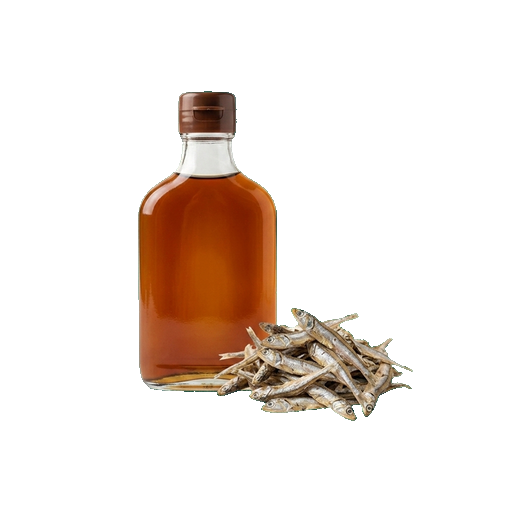
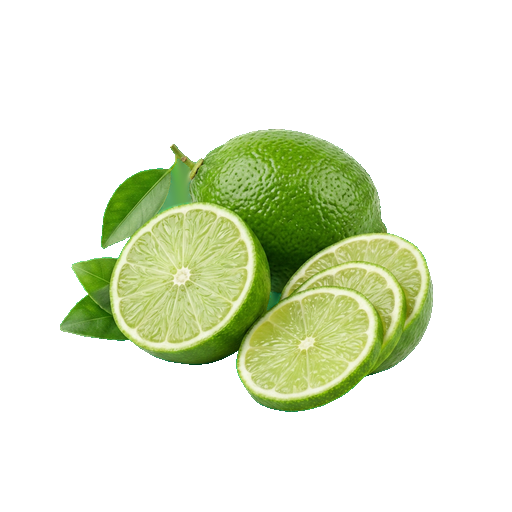
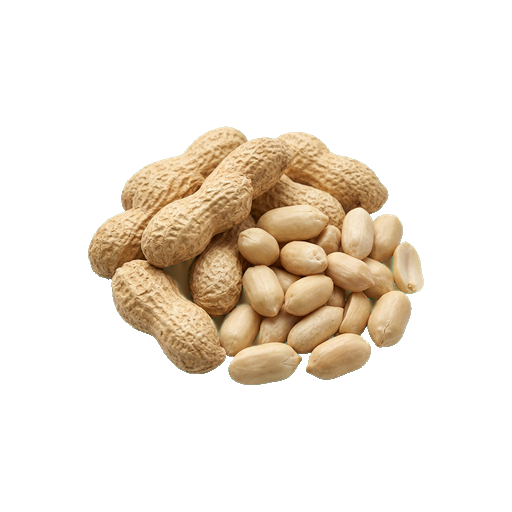
- Sauces: soy, fish, peanut, coconut, lemon
- Broths: chicken, beef, vegetable, mushroom
- Vegetables: carrot, celery, bell pepper, broccoli, spinach
- Proteins: chicken, shrimp, beef, tofu
- Aromatics: garlic, ginger, lemongrass, cilantro, green onion
Rice noodles are not just an oriental ingredient for authentic recipes. They are a convenient, quick, and versatile product that comes in handy when you need noodles but want something lighter and more delicate. Try them in a simple soup with vegetables and soy sauce — and you'll understand why they're so loved for everyday cooking.
Nutrition
per 100 g
- Calories
- 364 kcal
- Protein
- 8 g
- Fat
- 0.3 g
- Carbs
- 81 g
Micronutrients
per 100 g
Macronutrients
- Fiber
- 1.6 g
- Sugars
- 0.12 g
- Saturated fat
- 0.153 g
- Monounsaturated fat
- 0.175 g
- Polyunsaturated fat
- 0.15 g
- Omega-3 (EPA + DHA)
- 0 g
- Cholesterol
- 0 mg
- Water
- 11.91 g
Minerals
- Sodium
- 182 mg
- Potassium
- 30 mg
- Calcium
- 18 mg
- Magnesium
- 12 mg
- Phosphorus
- 153 mg
- Iron
- 0.7 mg
- Zinc
- 0.74 mg
- Copper
- 0.08 mg
- Manganese
- 0.5 mg
- Selenium
- 15.1 mcg
Vitamins
- Vitamin A (RAE)
- 0 mcg
- Vitamin D
- 0 mcg
- Vitamin E
- 0.11 mg
- Vitamin K
- 0 mcg
- Vitamin C
- 0 mg
- Vitamin B1 (thiamin)
- 0.03 mg
- Vitamin B2 (riboflavin)
- 0.02 mg
- Vitamin B3 (niacin)
- 0.22 mg
- Vitamin B5 (pantothenic acid)
- 0.05 mg
- Vitamin B6
- 0.02 mg
- Vitamin B9 (folate, DFE)
- 3 mcg
- Vitamin B12
- 0 mcg
Measure calculator
- Weight
- 100 g
- Calories
- 364 kcal