Usuba
Usuba
Shrimp
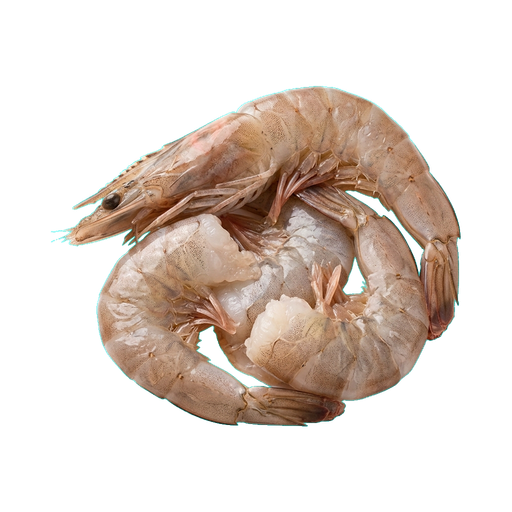
Shrimp are marine crustaceans with tender, slightly sweet meat and a delicate seafood aroma. They cook quickly and absorb flavors from spices and sauces well, making them perfect for soups, pasta, salads, and stir-fries. When selecting shrimp, pay attention to shell firmness and fresh smell. Thaw frozen shrimp at room temperature before cooking to preserve the juiciness of the meat.
About
What you need to know about shrimp
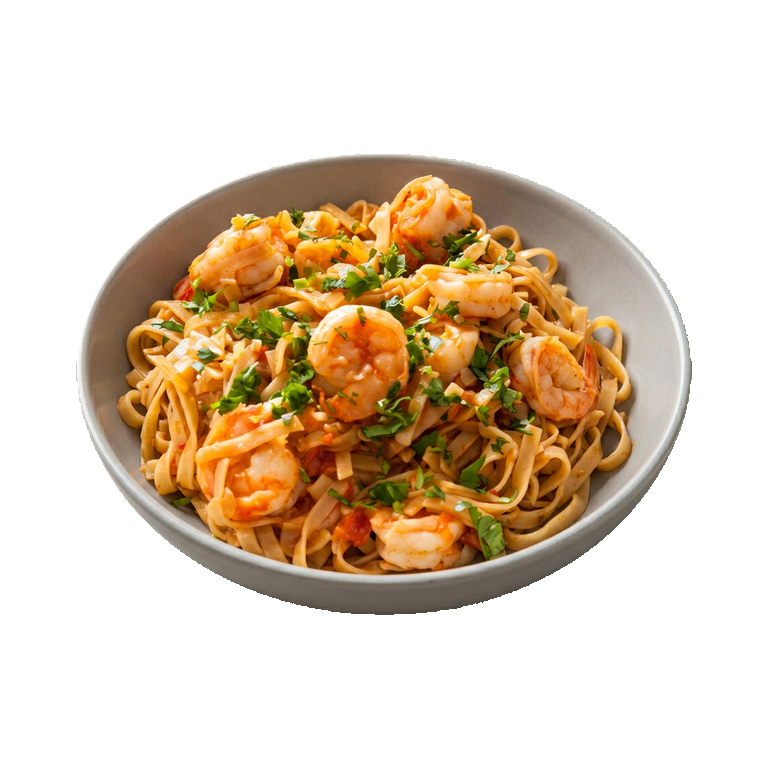
Shrimp is a versatile seafood that works in any cuisine: from Asian noodles to European pasta. They cook in minutes, absorb the flavors of sauces and spices, and remain tender. The key is not to overcook them, otherwise the meat becomes rubbery. Choose medium-sized shrimp for everyday dishes: they cook faster and are more convenient to work with than giant king shrimp or tiny cocktail shrimp.
Taste and Aroma
Fresh shrimp smell of the sea, but not sharply — rather with a light iodine note. The taste is delicate, slightly sweet, with a barely perceptible saltiness. This allows shrimp to pair well with spicy seasonings, tangy sauces, and delicate creamy gravies. The smaller the shrimp, the more pronounced its seafood flavor; larger specimens are milder and more neutral.
How to use in dishes
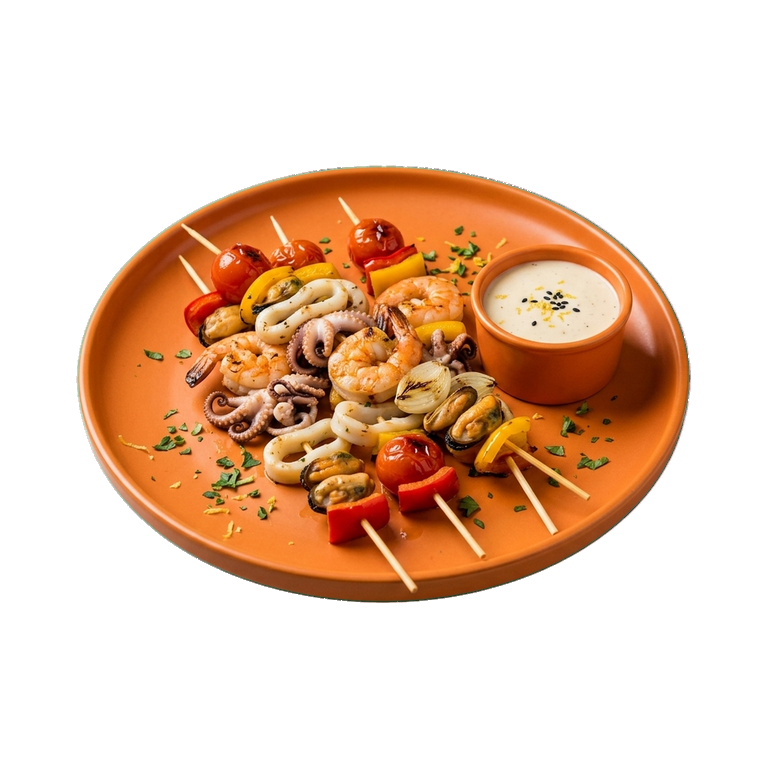
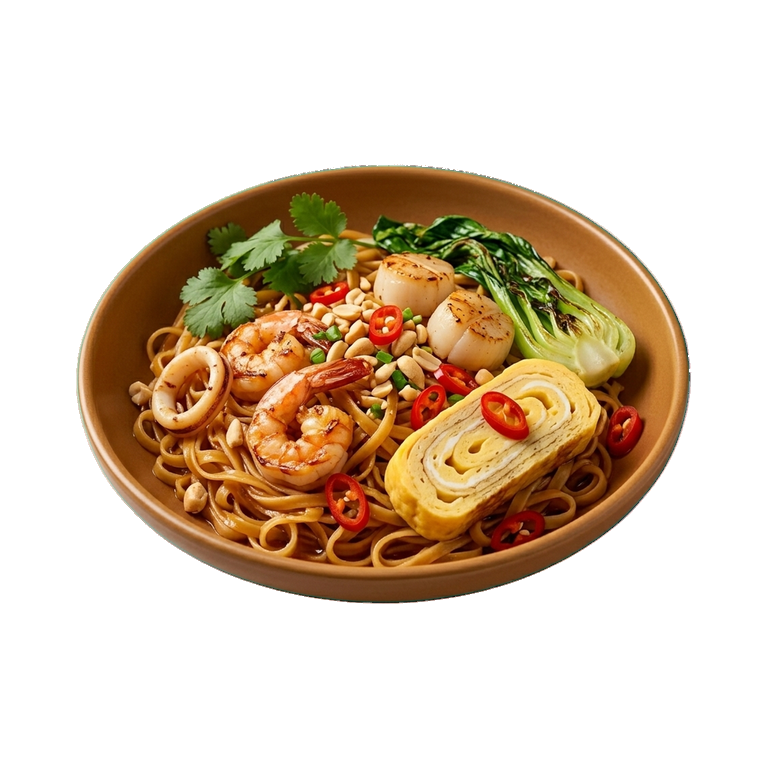
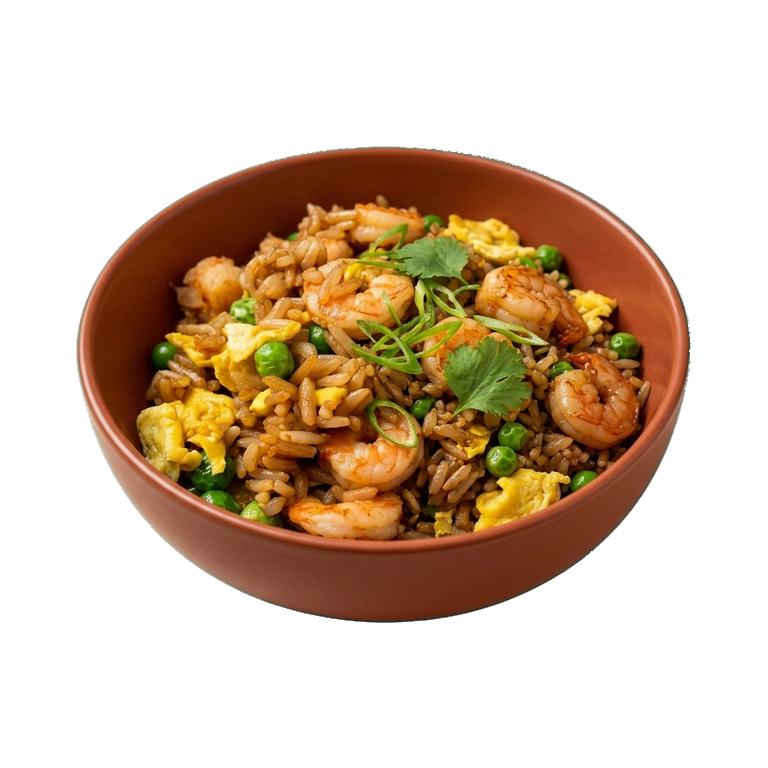
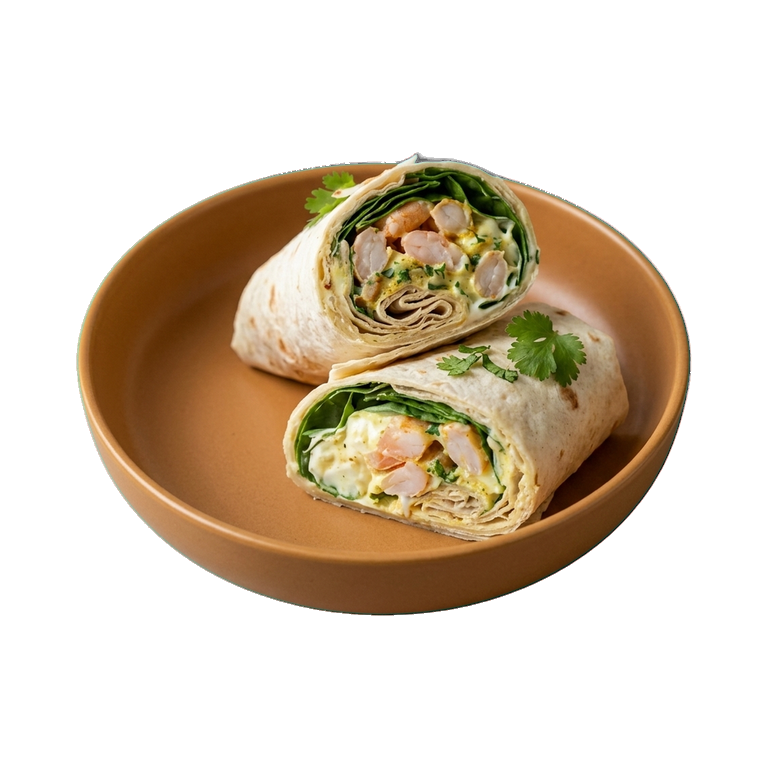
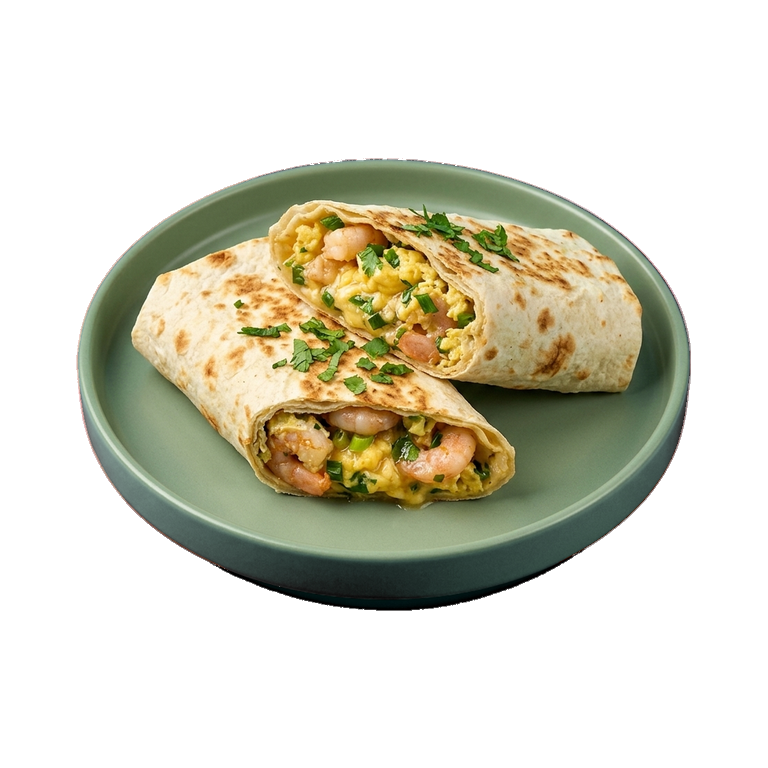
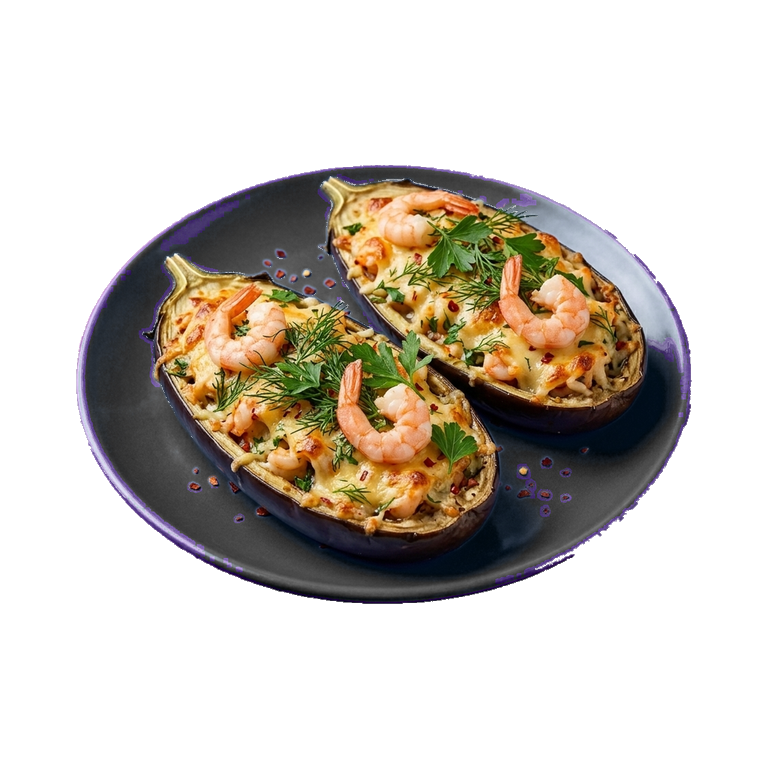
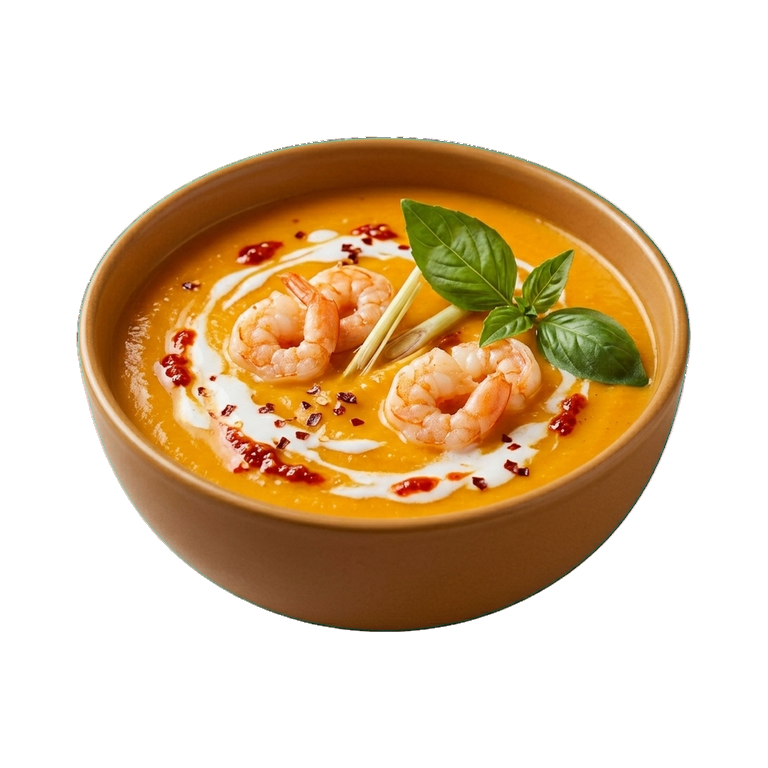
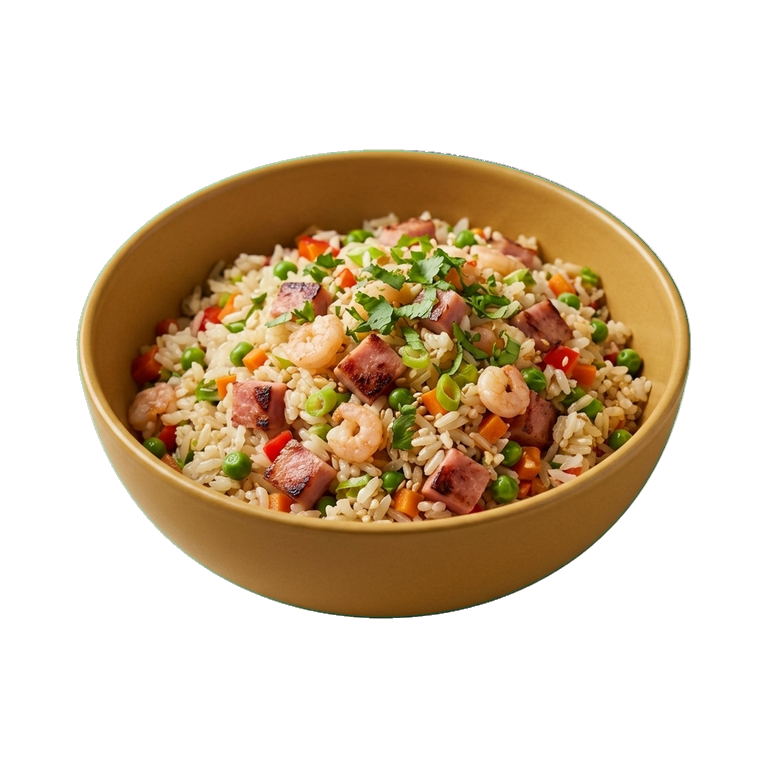
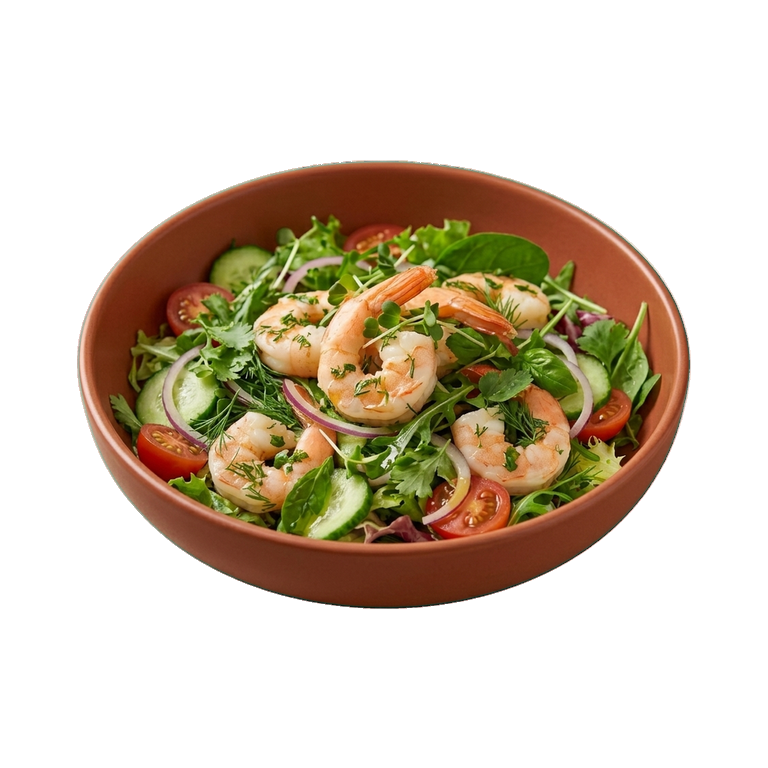
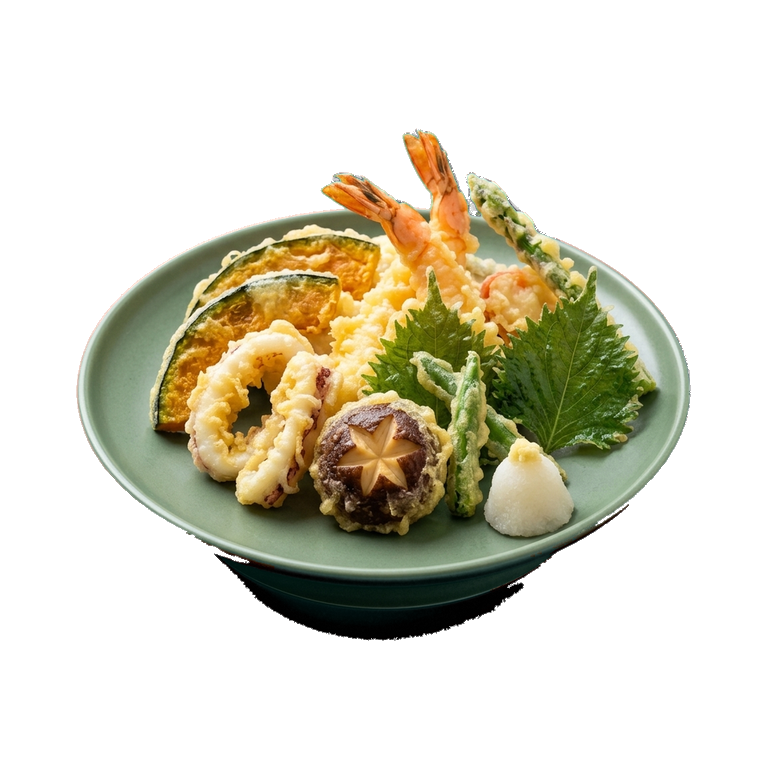
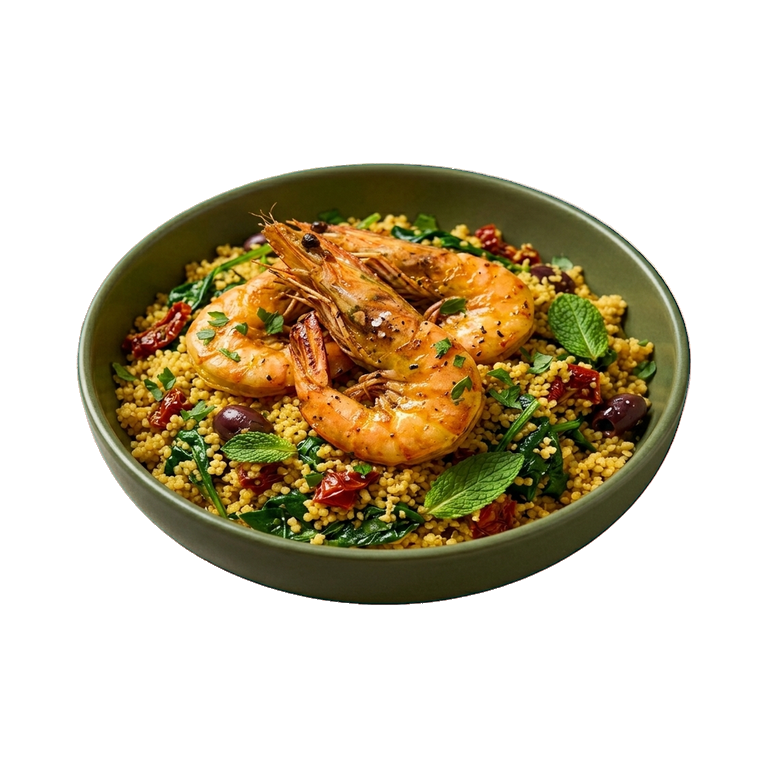
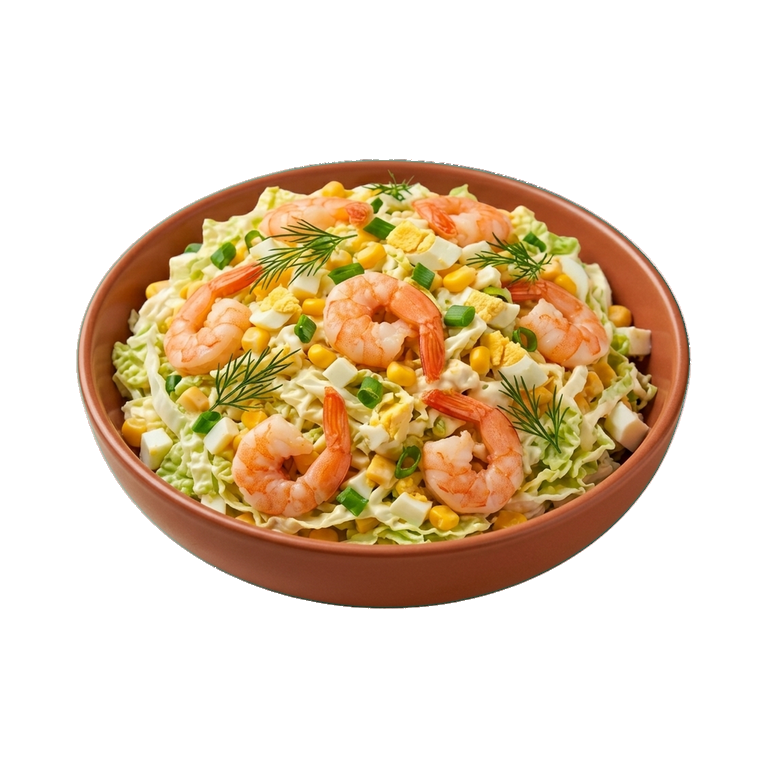
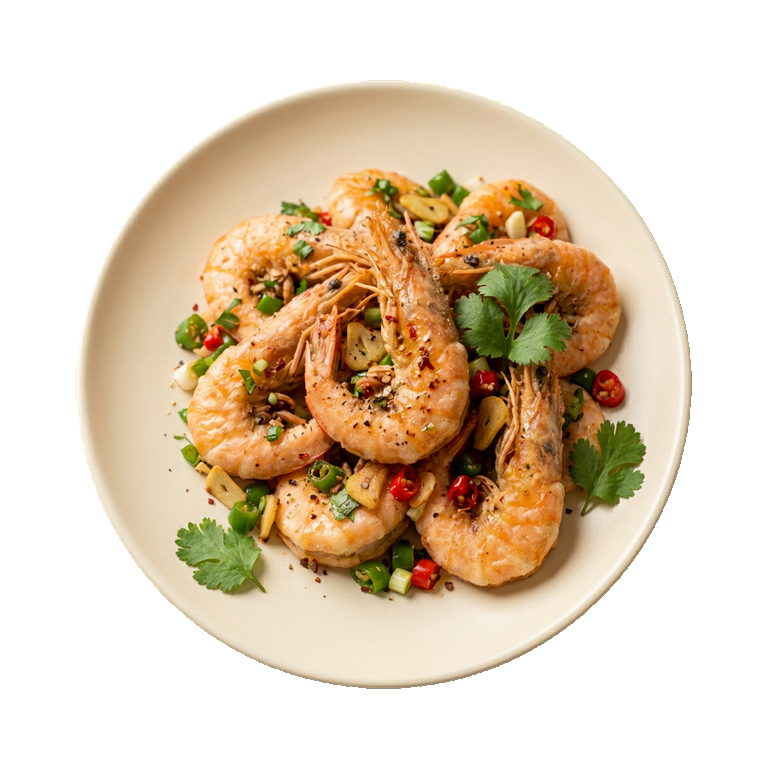
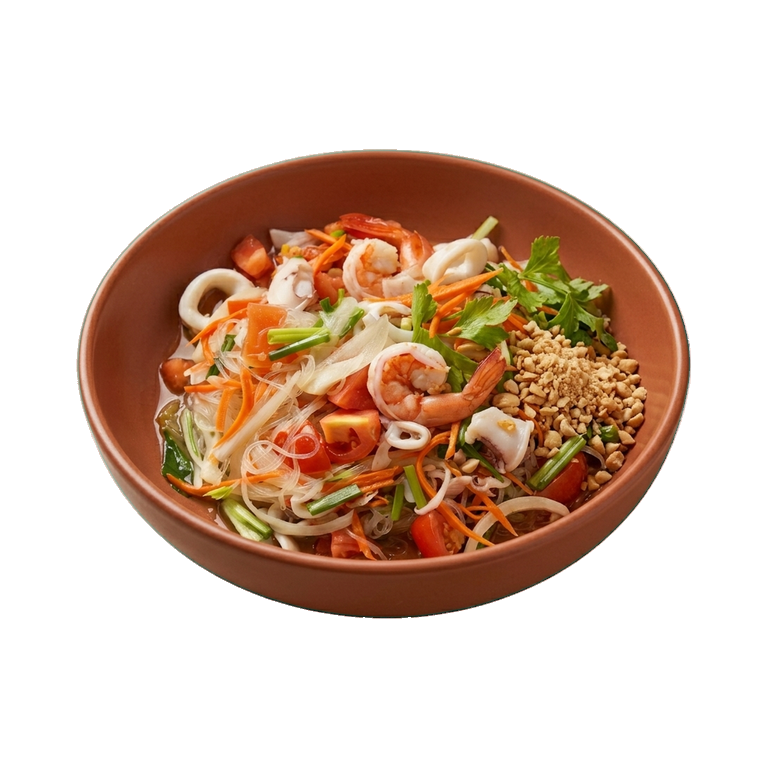
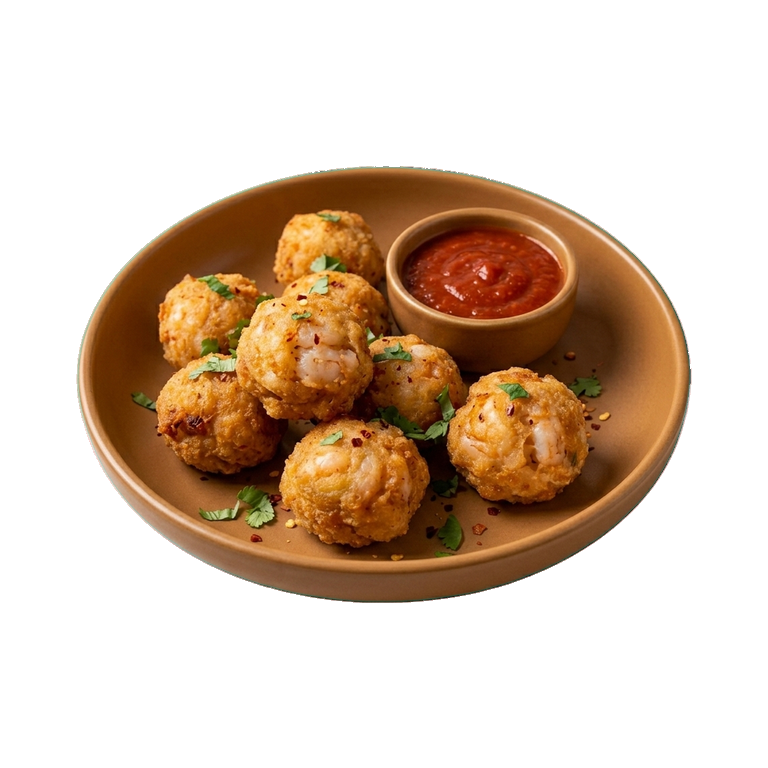
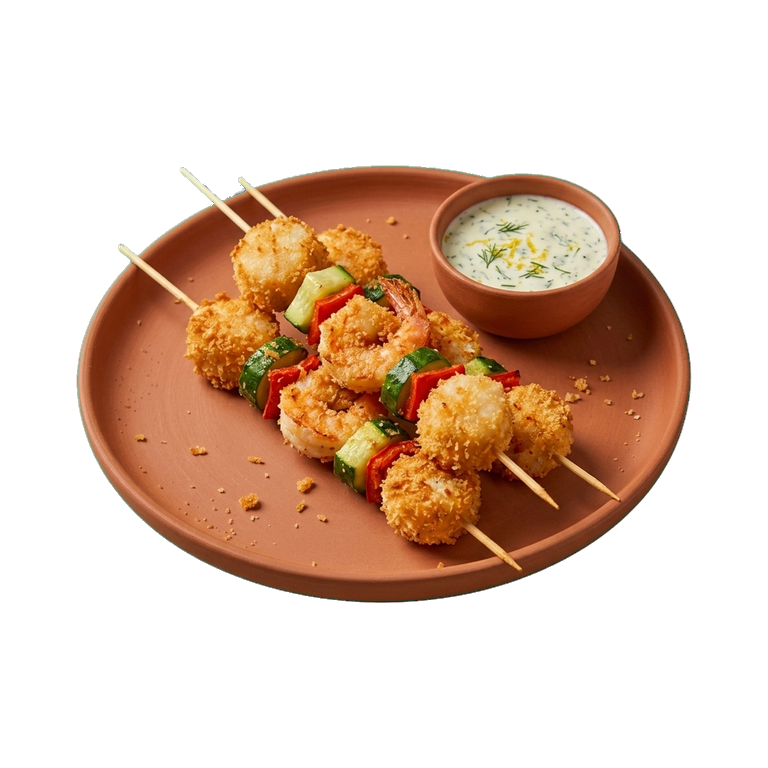
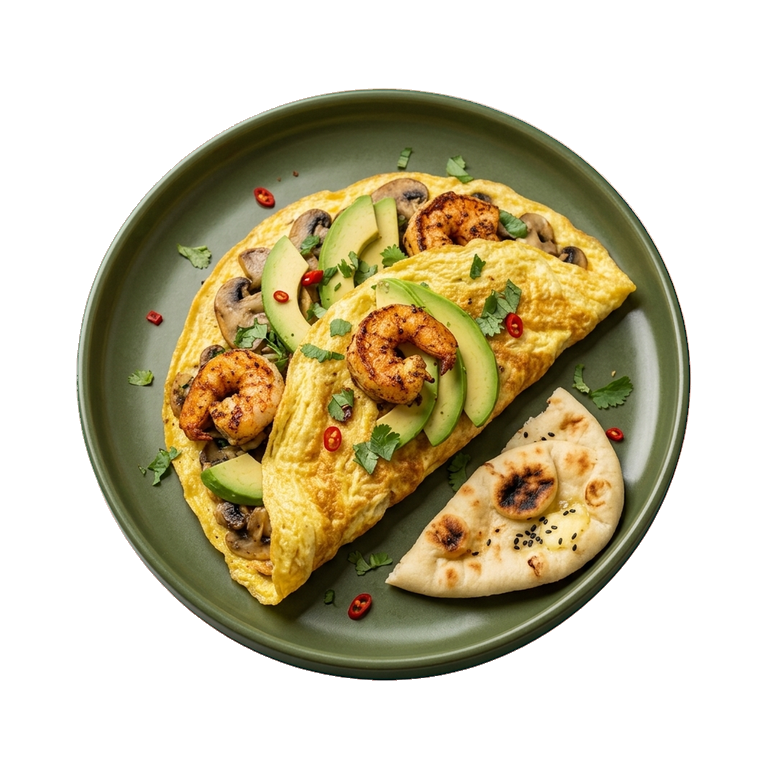
Shrimp are equally good in hot and cold dishes. On a pan with garlic and oil, they are ready in three minutes. In soups and risotto, they are added at the end so they don't fall apart. On the grill, they acquire a light smoke flavor and a crispy crust. In salads, both cold and warm shrimp work well — in the latter case, they better absorb the dressing.
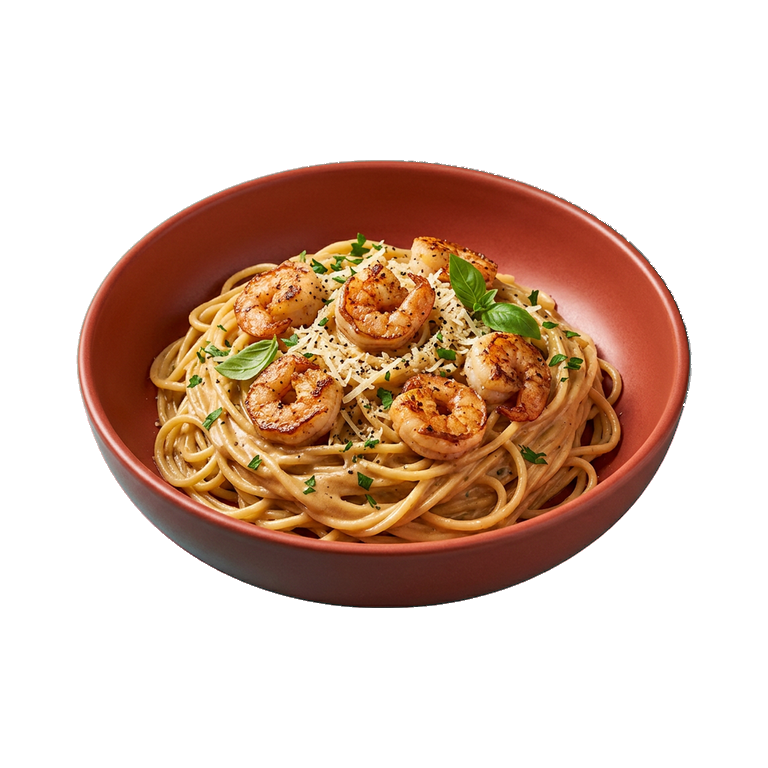
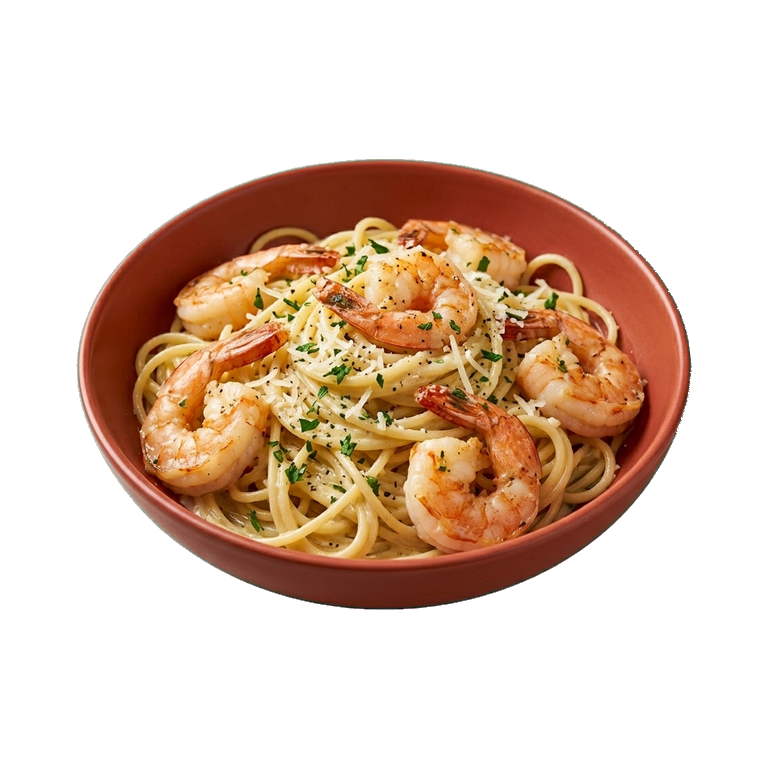
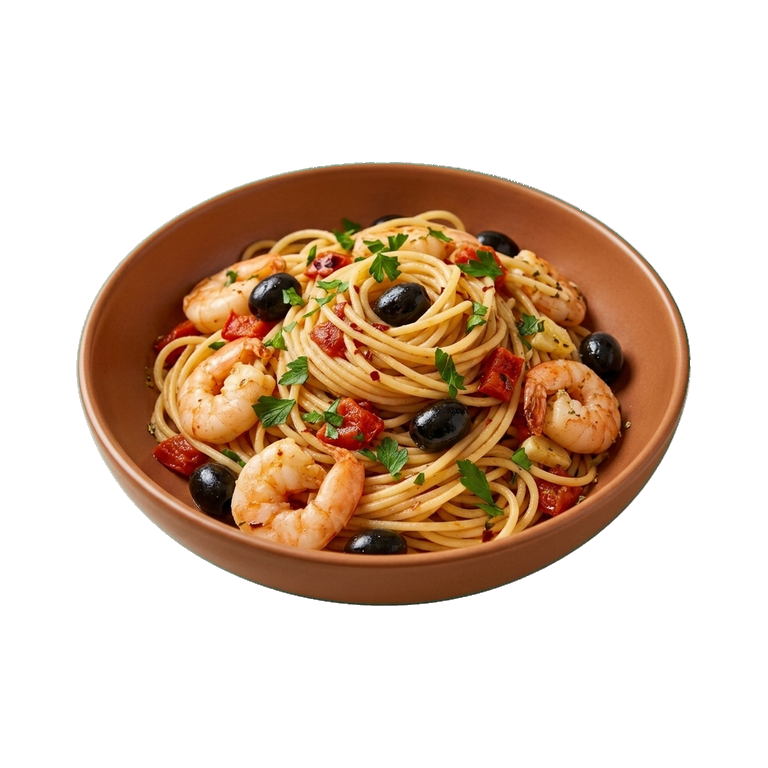
- Pasta with white wine and garlic
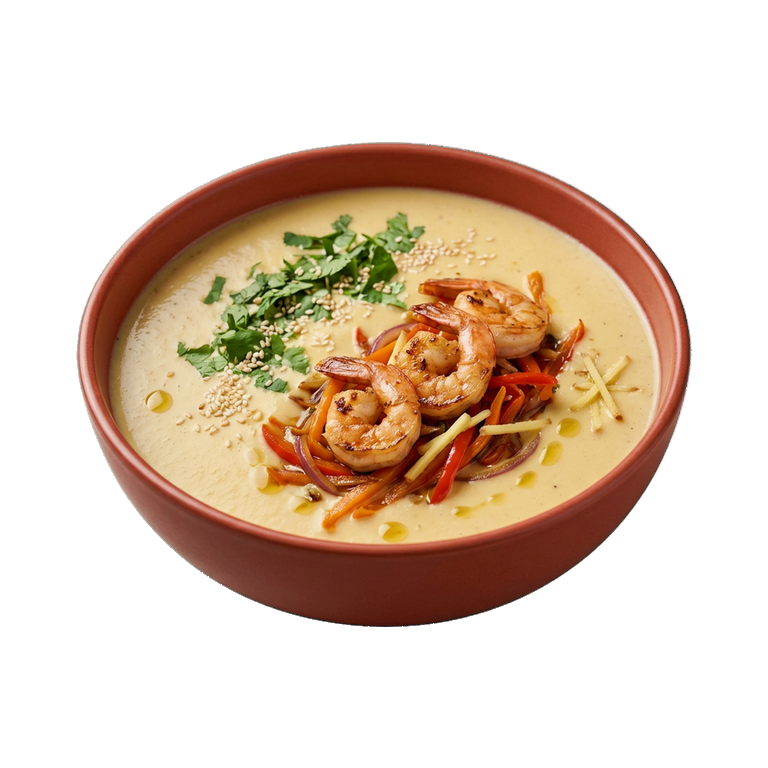
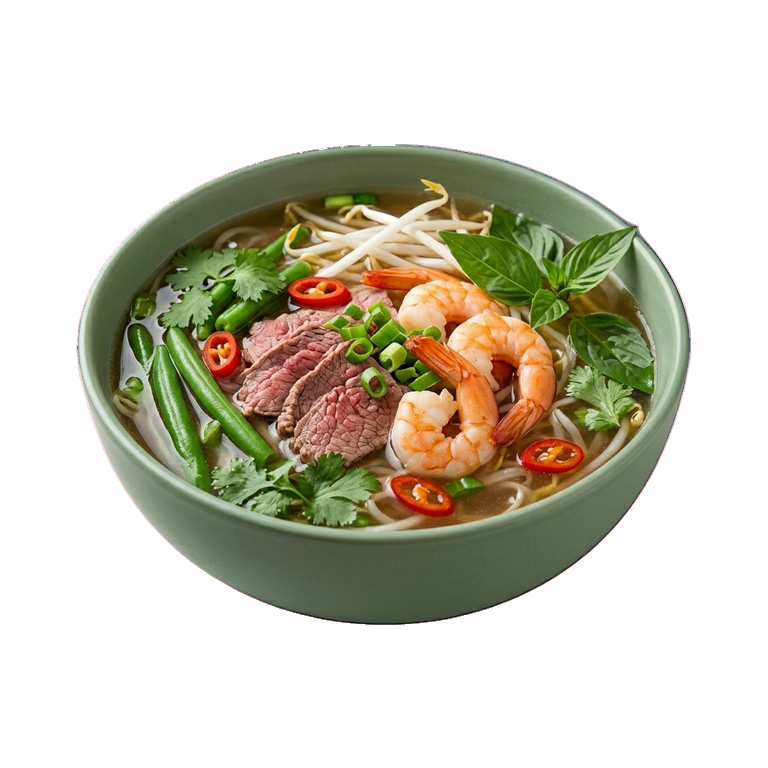
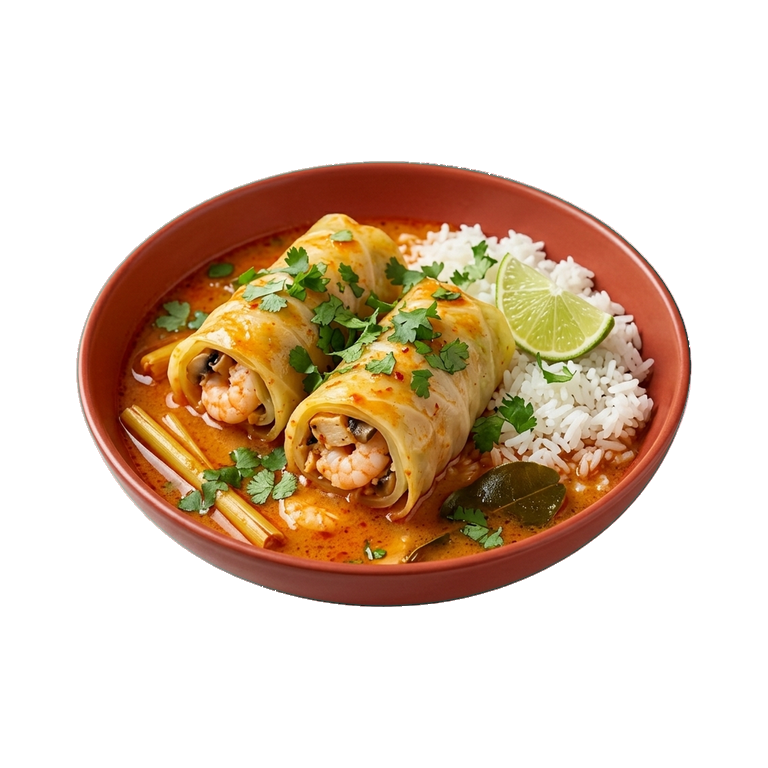
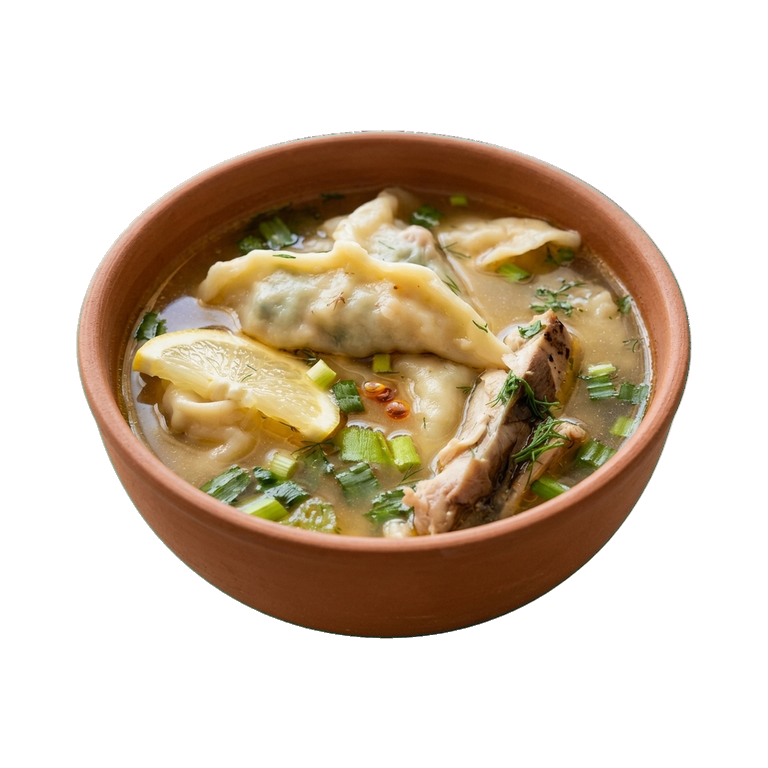
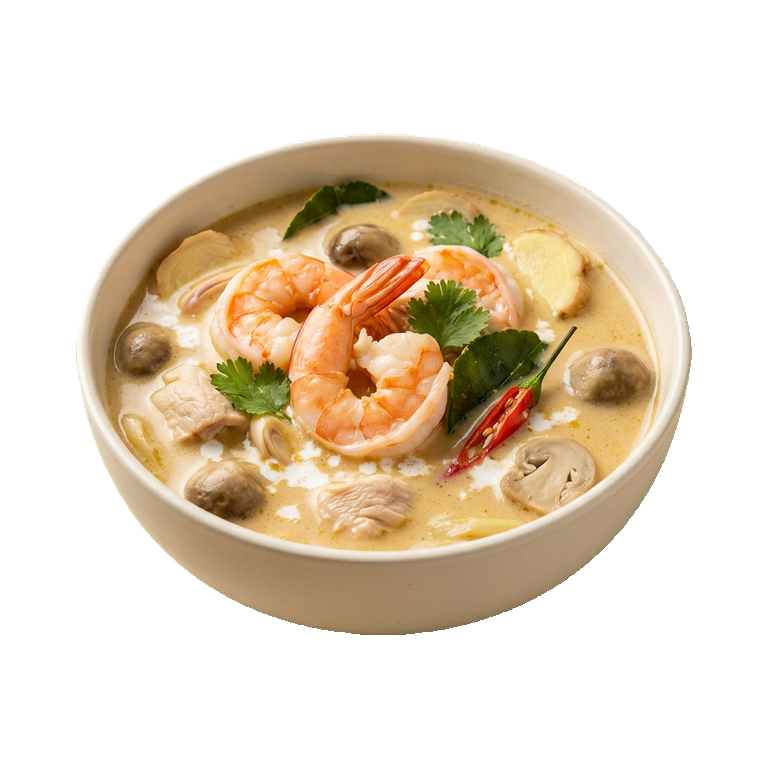
- Asian tom yam soup
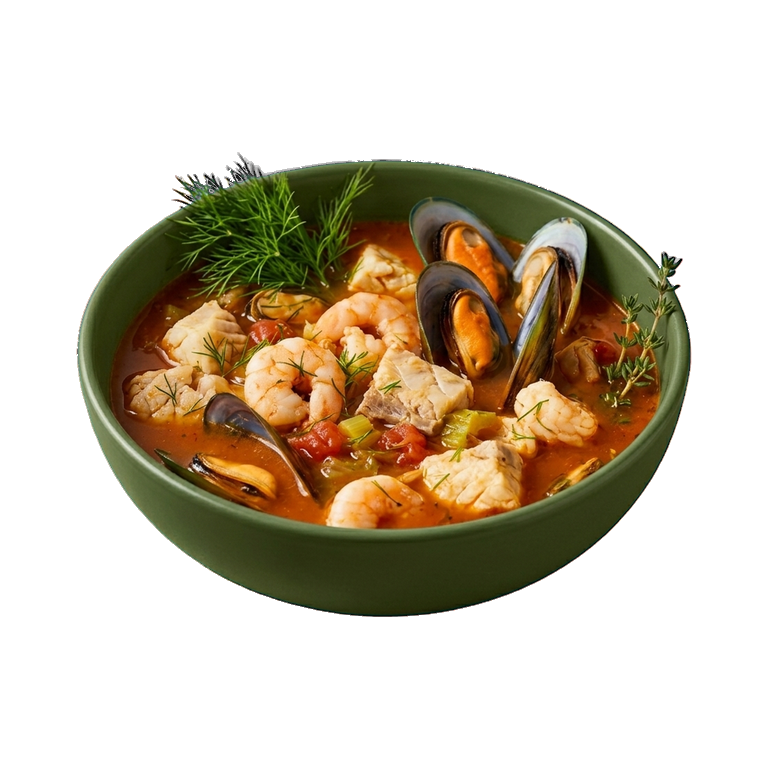
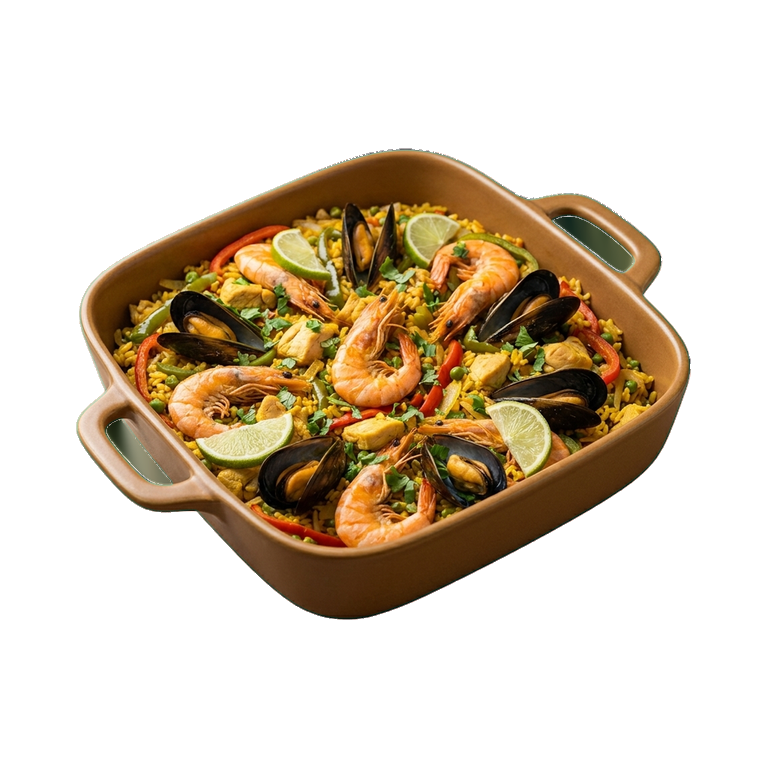
- Risotto with seafood
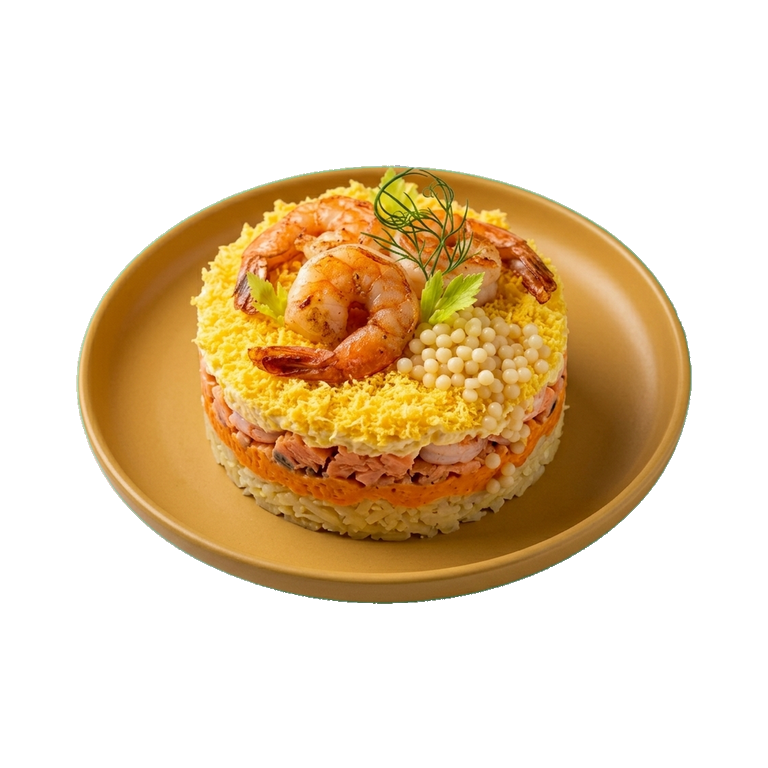
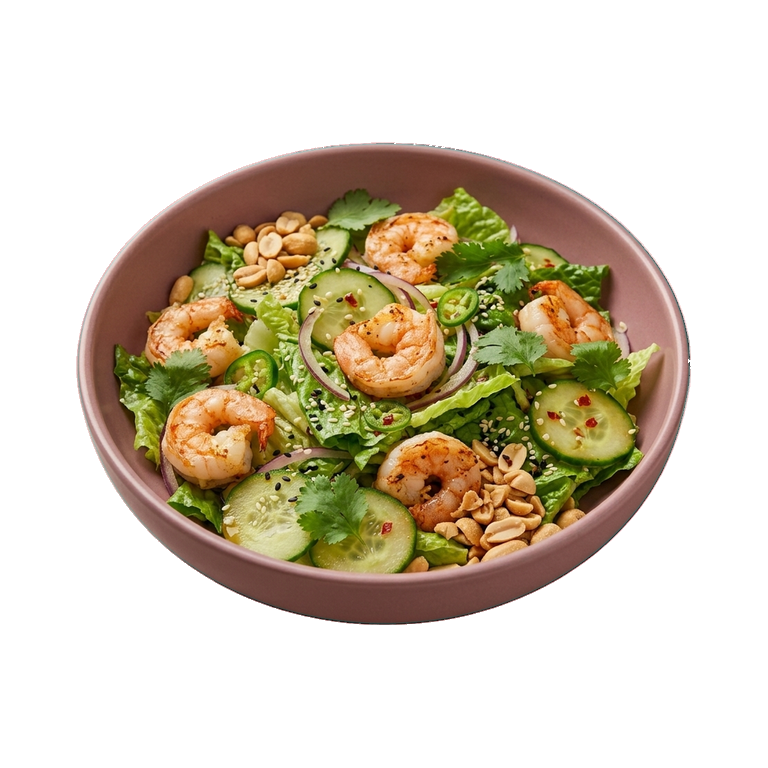
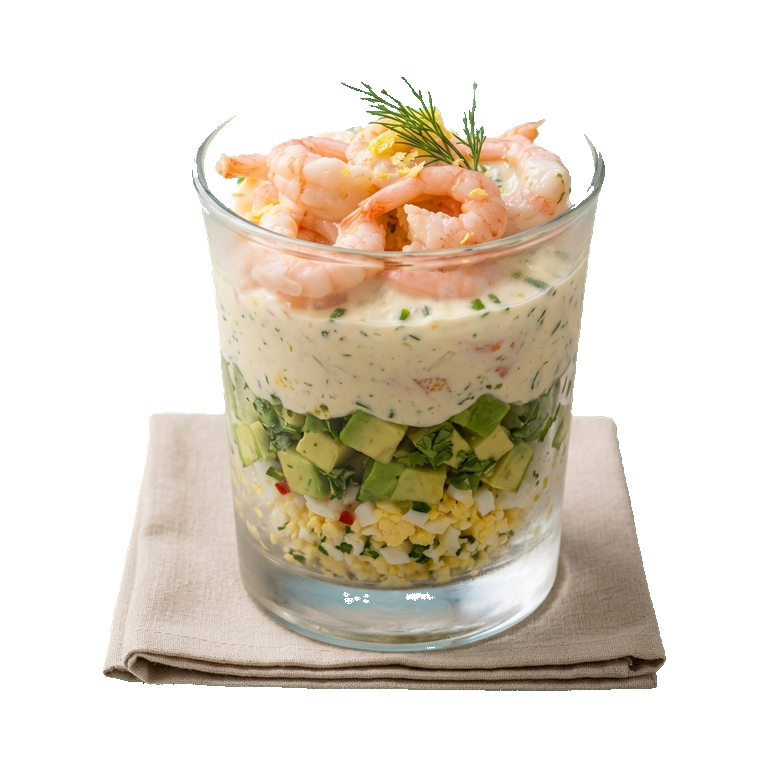
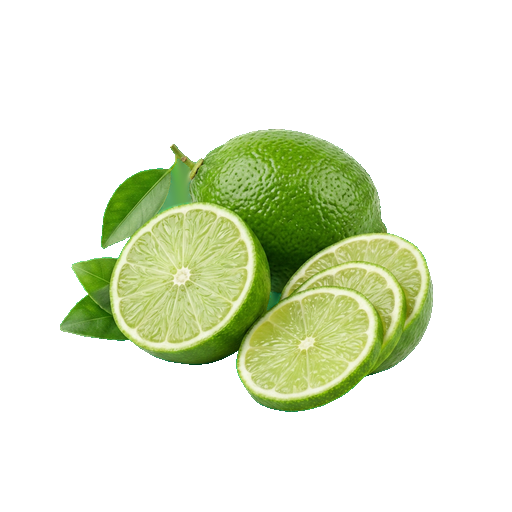
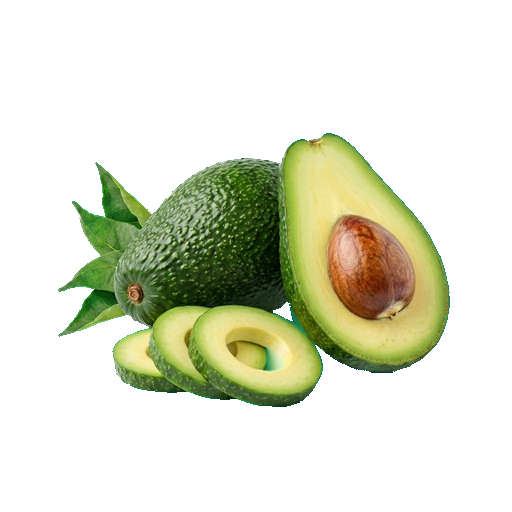
- Salad with avocado and citrus dressing
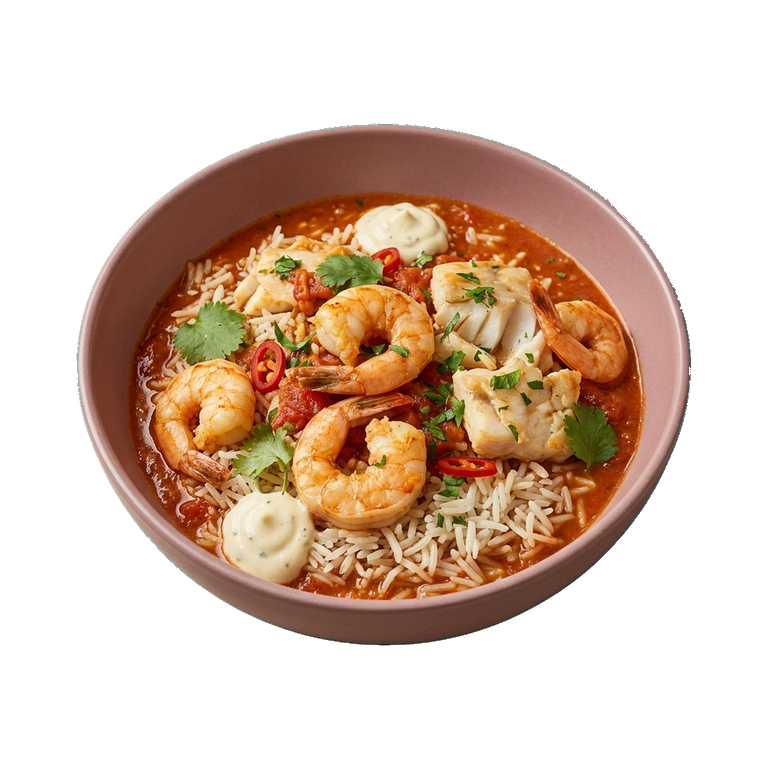
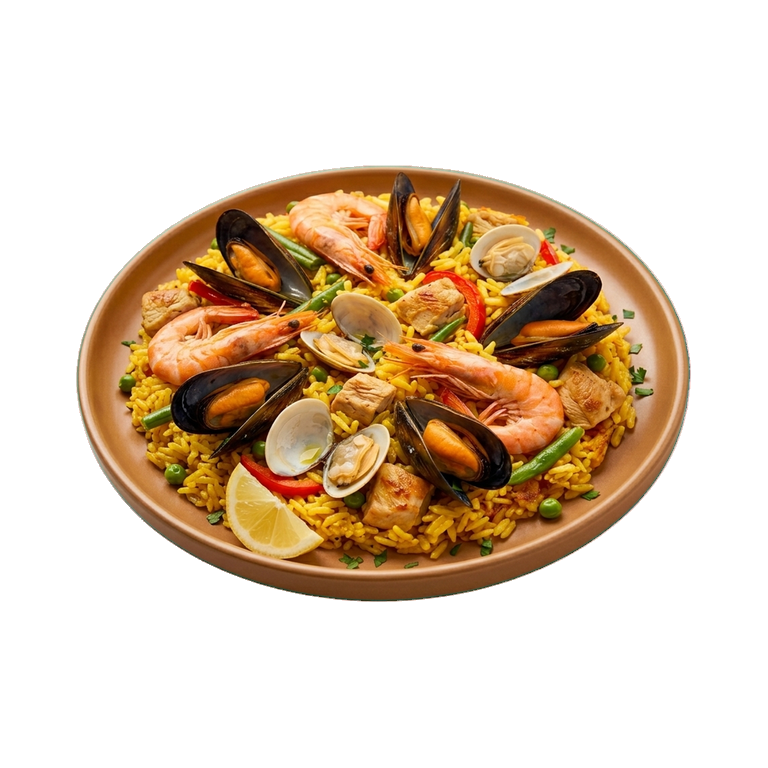
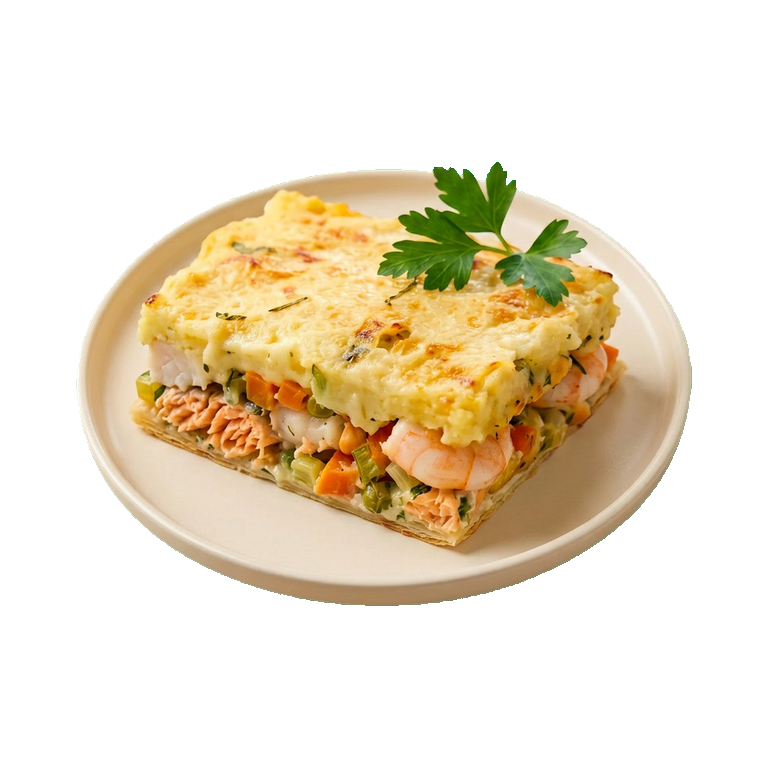
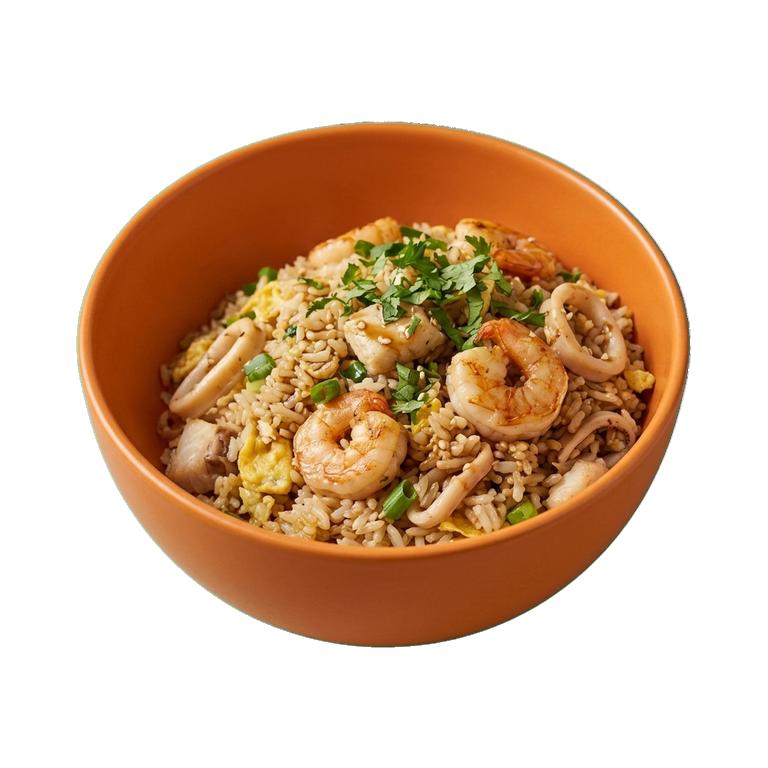
- Paella and pilaf with seafood
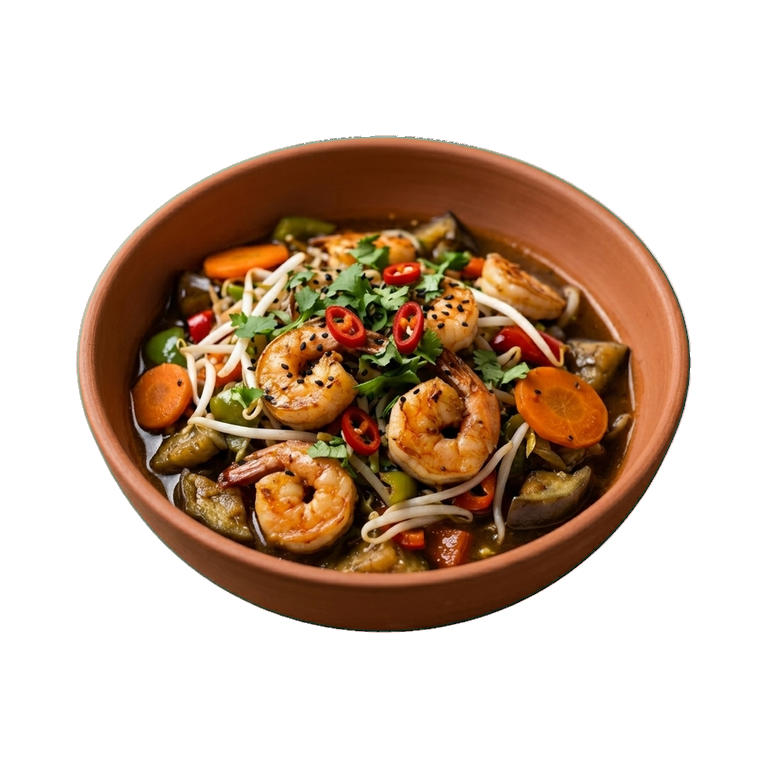
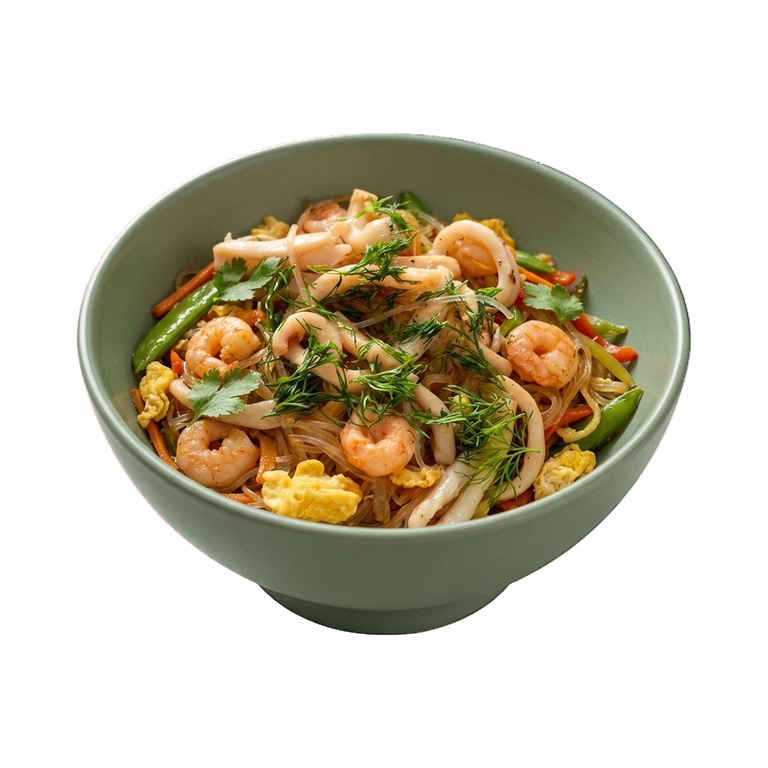
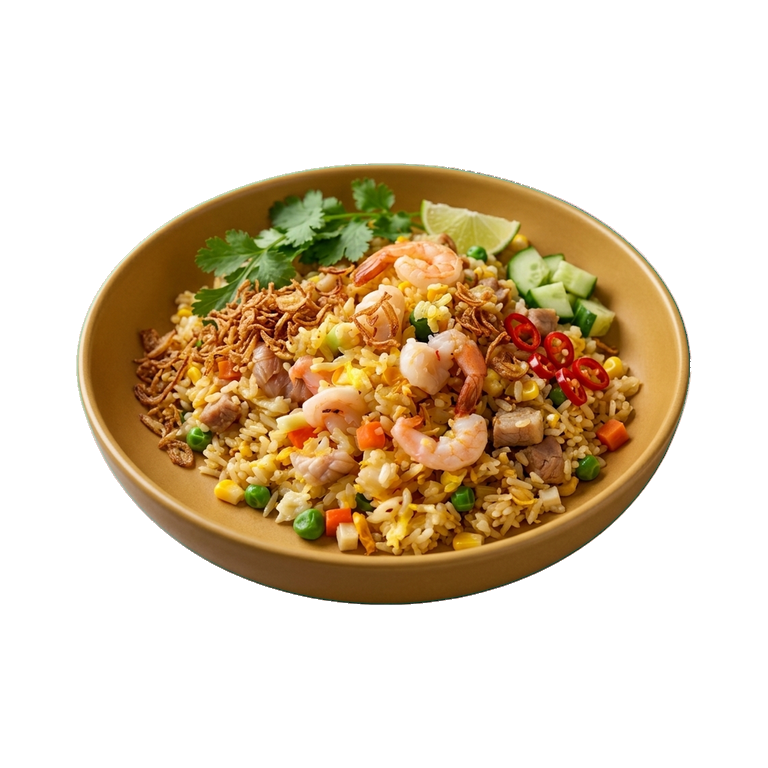
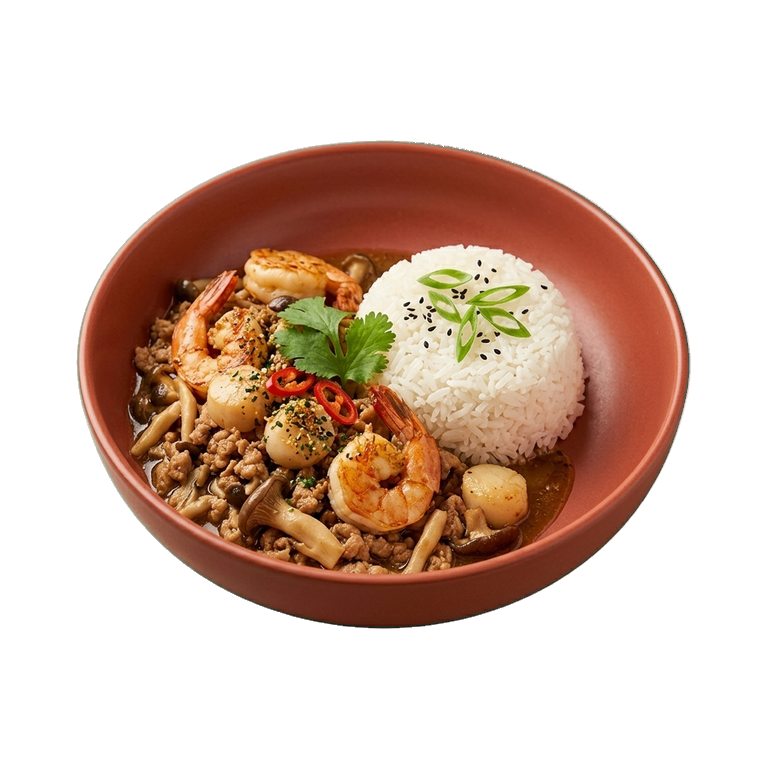
- Stir-fried shrimp with vegetables (wok)
Perfect Pairings
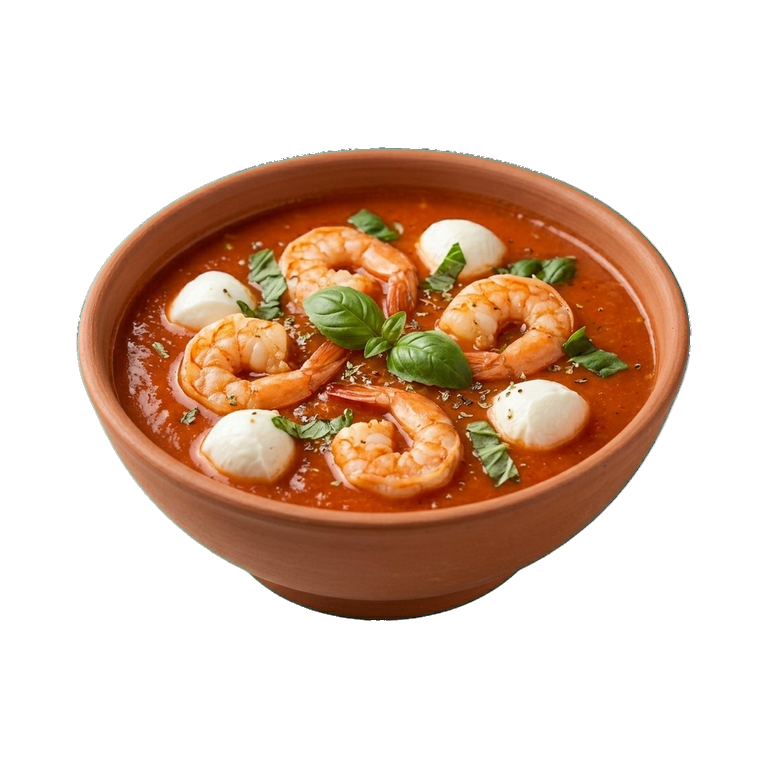
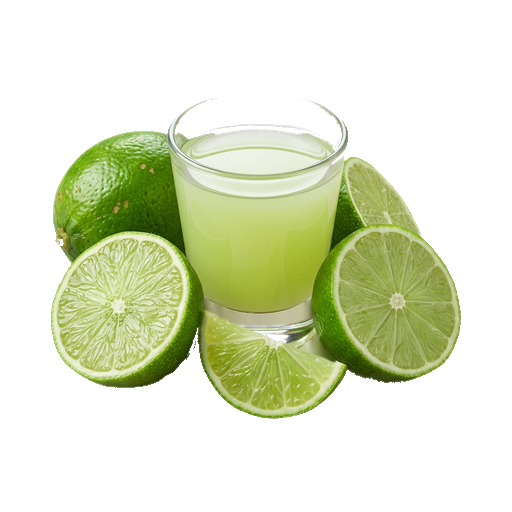
Shrimp opens up alongside acidity — lemon, lime, white wine. Garlic and chili pepper emphasize their sweetness. Butter softens the seafood flavor, making the dish more delicate. Fresh herbs — cilantro, parsley, dill — add freshness. Try shrimp with ginger and soy sauce for an Asian direction or with tomatoes and basil for a Mediterranean style.
- Lemon and lime
- Garlic and chili pepper
- White wine and butter
- Soy sauce and ginger
- Tomatoes and basil
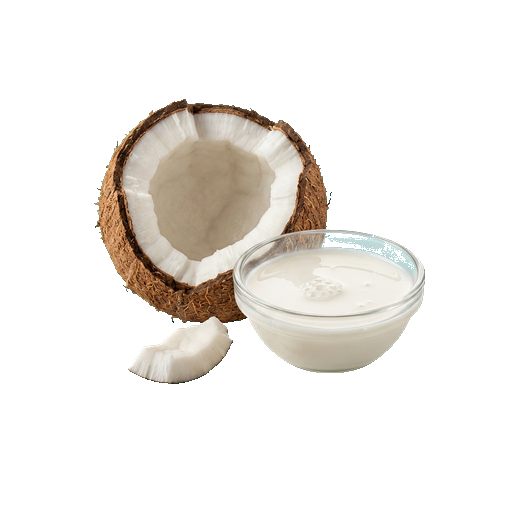
- Coconut milk and lemongrass
Selection and Storage
Fresh shrimp should smell like the sea, but not "fishy". The shell should be shiny, without dark spots or discoloration. If buying frozen shrimp, choose packages without ice and without frost. Thaw slowly in the refrigerator, not under hot water. Fresh shrimp can be stored in the refrigerator for a maximum of one day, frozen shrimp for several months. Before cooking, remove the shell and remove the black line (intestine) along the back.
Don't put shrimp in boiling water — start with cold water so they cook evenly. Or place them directly on a hot pan with oil, but no longer than three minutes on each side.
Nutrition
per 100 g
- Calories
- 99 kcal
- Protein
- 20.3 g
- Fat
- 0.3 g
- Carbs
- 0 g
Measures and weight
- 1 pcs
- 12 g
Measure calculator
- Weight
- 100 g
- Calories
- 99 kcal