Usuba
Usuba
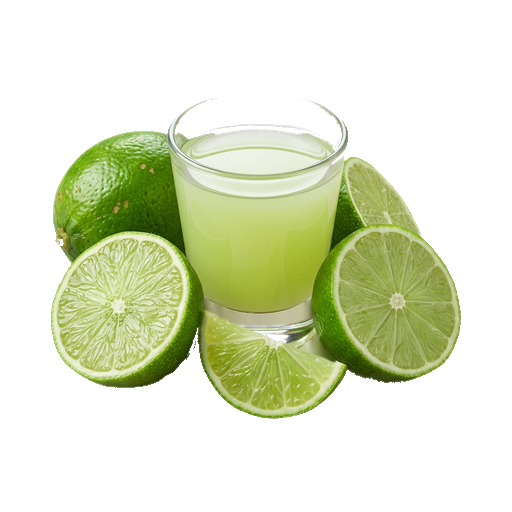
Lime juice
Fresh lime juice boasts a pronounced acidity with subtle bitterness and floral notes that unfold beautifully in both cold and hot dishes. Used in cocktails, marinades, sauces, and as a finishing touch to enhance the flavor of seafood, meat, and vegetables. When selecting limes, choose ripe ones with thin skin—they contain more juice; frozen juice or concentrate will do in a pinch, but freshly squeezed always delivers a brighter and more complex flavor profile.
Micronutrients
per 100 ml
Minerals
About
Lime juice is one of the most versatile acidic ingredients in the kitchen. Its sharp, clean acidity and subtle aroma work equally well in sweet and savory dishes, drinks, and sauces. Unlike lemon, lime provides a more delicate acidity with a barely perceptible bitterness and floral notes.
Taste and Aroma
Lime juice is sour, but not sharp. Its acidity is milder than lemon, with a pleasant herbaceous undertone and barely noticeable sweetness. The aroma is fresh, almost floral — this is important for cocktails and desserts where you need not just acidity, but a certain character.
The intensity of flavor depends on the ripeness of the fruit. More yellow limes (overripe) are more acidic and sweeter, green ones are fresher and more aromatic. Freshly squeezed juice is always brighter than concentrated or long-standing juice.
Where and how to use
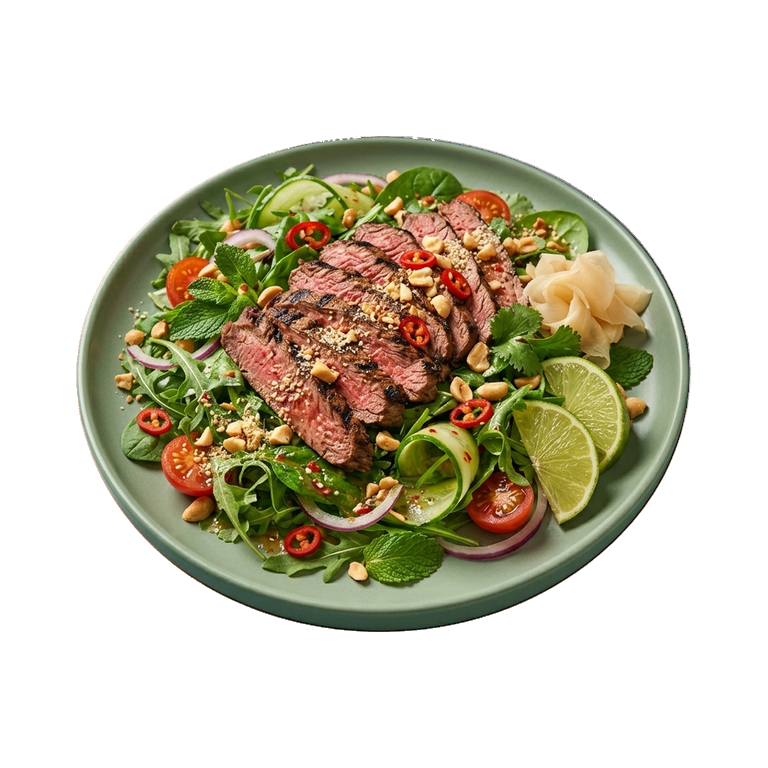
Lime juice is ideal for Asian cuisine — Vietnamese soups, Thai curries, seafood marinades. It's essential in cocktails: mojito, margarita, daiquiri. In desserts, it works in mousses, cheesecakes, lemonades and ice cream, adding freshness and contrast.
- Marinades for fish, meat and vegetables
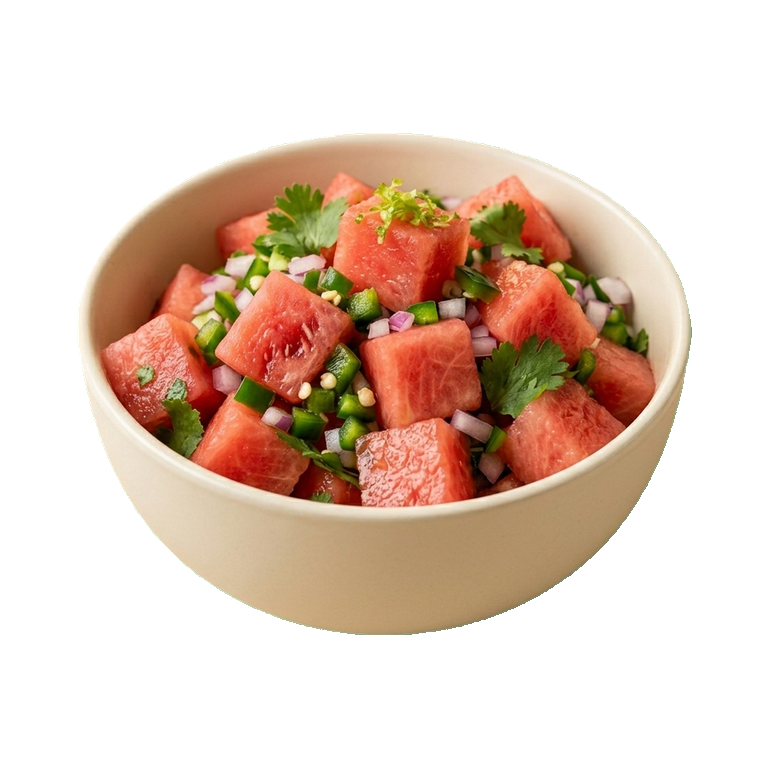
- Sauces and dressings (vinaigrettes, salsa, aioli)
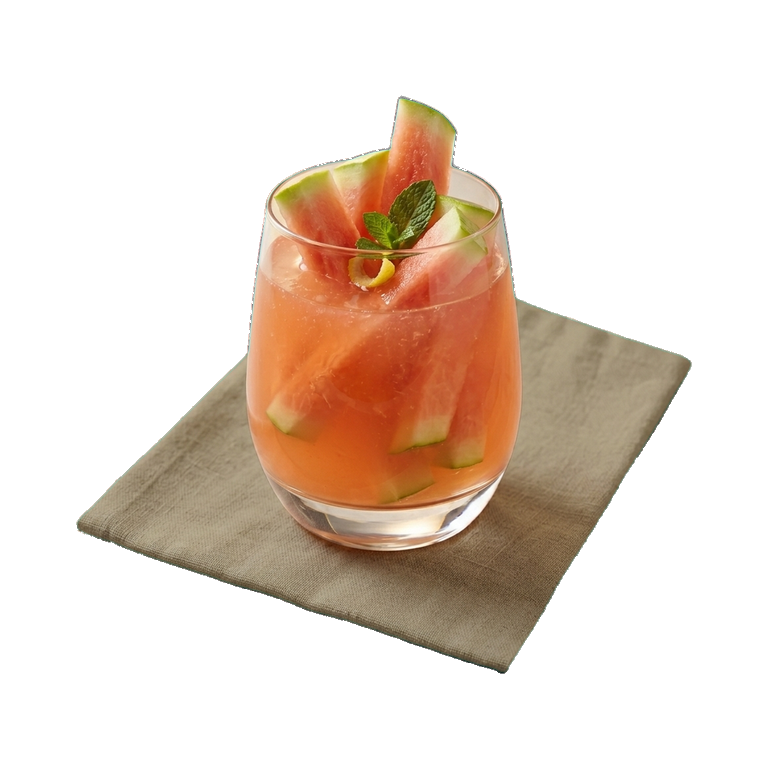
- Drinks and cocktails
- Desserts and baked goods
- Soups and broths (added at the end of cooking)
Pairings
Lime pairs well with hot spices — chili, coriander, ginger. It goes great with coconut milk, fish sauce, garlic. In sweet dishes it works with mint, basil, vanilla, and chocolate. Lime juice enhances the flavor of seafood, poultry, and vegetables without overpowering them.
Selection and Storage
Choose heavy fruits with smooth skin without dents and soft spots. Green color is a sign of freshness. Lime should be firm, not hard as a stone. Before use, gently knead the fruit in your hands — this will make juice extraction easier.
Fresh lime keeps in the refrigerator for two to three weeks. Freshly squeezed juice is best used immediately, but can be stored in the refrigerator for up to three days in a closed container. Freezing juice in ice cubes is a convenient way to keep it for a month or two for cocktails and sauces.
Practical Tips
- One medium lime yields approximately 30 ml of juice
- Add juice at the end of cooking to preserve the aroma
- For hot dishes, it's better to add juice after turning off the heat
- If fresh lime is not available, concentrated juice will work for marinades and sauces, but not for cocktails
- Lime zest is an excellent source of zest for flavoring dishes and beverages
Nutrition
per 100 ml
- Calories
- 30 kcal
- Protein
- 0.7 g
- Fat
- 0.2 g
- Carbs
- 10.5 g
Micronutrients
per 100 ml
Macronutrients
- Fiber
- 0.4 g
- Sugars
- 1.69 g
- Saturated fat
- 0.008 g
- Monounsaturated fat
- 0.008 g
- Polyunsaturated fat
- 0.023 g
- Omega-3 (EPA + DHA)
- 0 g
- Cholesterol
- 0 mg
- Water
- 90.79 g
Minerals
- Sodium
- 2 mg
- Potassium
- 117 mg
- Calcium
- 14 mg
- Magnesium
- 8 mg
- Phosphorus
- 14 mg
- Iron
- 0.09 mg
- Zinc
- 0.08 mg
- Copper
- 0.03 mg
- Manganese
- 0.02 mg
- Selenium
- 0.1 mcg
Vitamins
- Vitamin A (RAE)
- 2 mcg
- Vitamin D
- 0 mcg
- Vitamin E
- 0.22 mg
- Vitamin K
- 0.6 mcg
- Vitamin C
- 30 mg
- Vitamin B1 (thiamin)
- 0.03 mg
- Vitamin B2 (riboflavin)
- 0.02 mg
- Vitamin B3 (niacin)
- 0.14 mg
- Vitamin B5 (pantothenic acid)
- 0.12 mg
- Vitamin B6
- 0.04 mg
- Vitamin B9 (folate, DFE)
- 10 mcg
- Vitamin B12
- 0 mcg
Measures and weight
- 1 tbsp
- 15 g
- 1 tsp
- 5 g
- 1 cup
- 250 g
- 1 pcs
- 40 g
Measure calculator
- Weight
- 100 g
- Calories
- 30 kcal