Usuba
Usuba

Watermelon flesh
The sweet and juicy flesh of watermelon consists mainly of water and natural sugars, making it an ideal ingredient for refreshing summer drinks, smoothies, and desserts. Its delicate texture pairs well with the acidity of lemon, the freshness of mint, and the pungency of ginger. When selecting a watermelon, pay attention to its ripeness by the hollow sound when tapped and its dark green color, while the flesh should be bright red or pink without white streaks.
Micronutrients
per 100 g
About
Watermelon flesh is not just a refreshing snack on a hot day. It is an ingredient that works on several levels at once: it hydrates the dish, adds natural sweetness, and creates an interesting texture. When you cut a watermelon, you get your hands on an almost universal component for summer cooking — from beverages to desserts and even appetizers.
Taste and texture
Ripe watermelon flesh offers pure, straightforward sweetness without cloying. It is easily recognizable and does not compete with other flavors — rather, it complements them. The texture is soft, fibrous, with high water content. This means the flesh easily crumbles when sliced, absorbs marinades well, and blends perfectly into purees or sauces.
Where watermelon pulp works
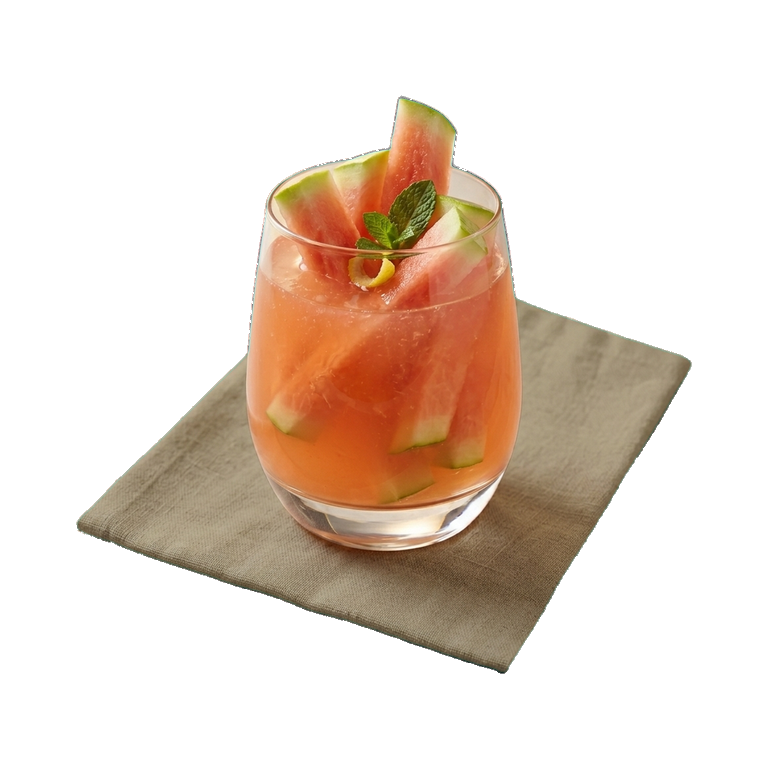
- In drinks and cocktails — base for fresh juices, smoothies, refreshing herb and spice mixes
- In desserts — component of sorbet, granite, fruit salads and even ice cream
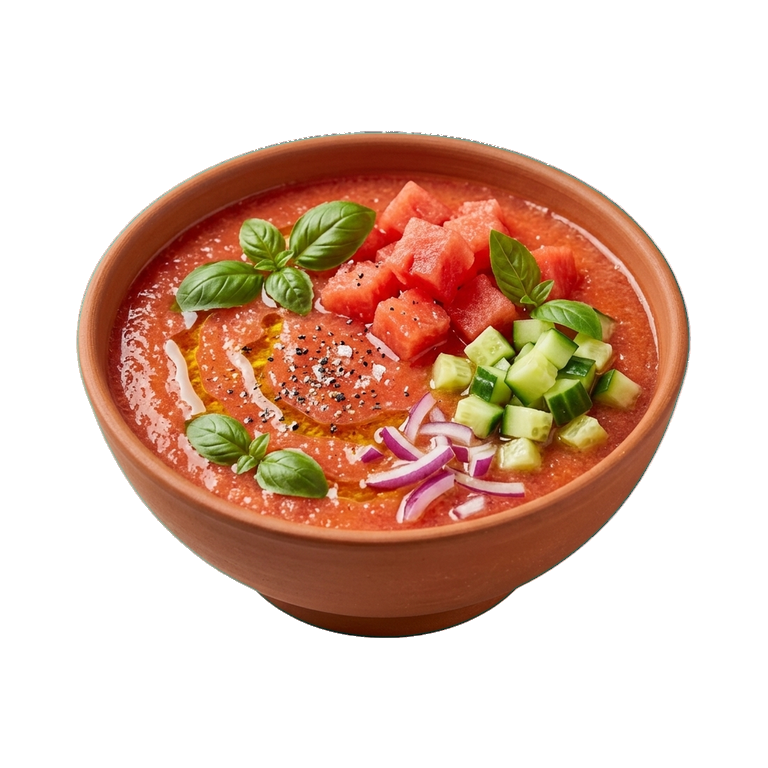
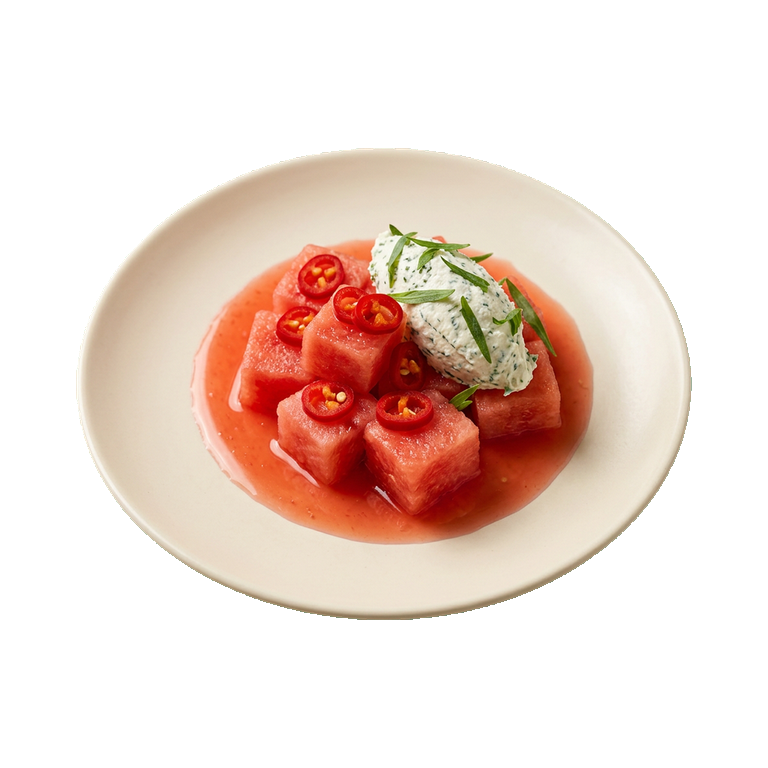
- In appetizers — with cheese, ham, as balls for canapés or grilled slices
- In sauces and marinades — watermelon juice becomes the base for light, refreshing dressings
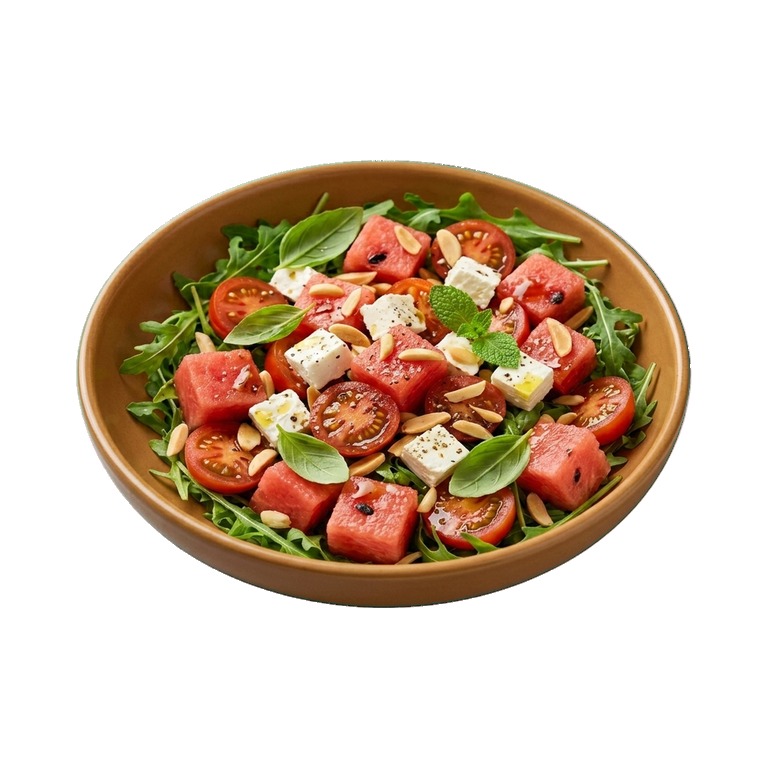
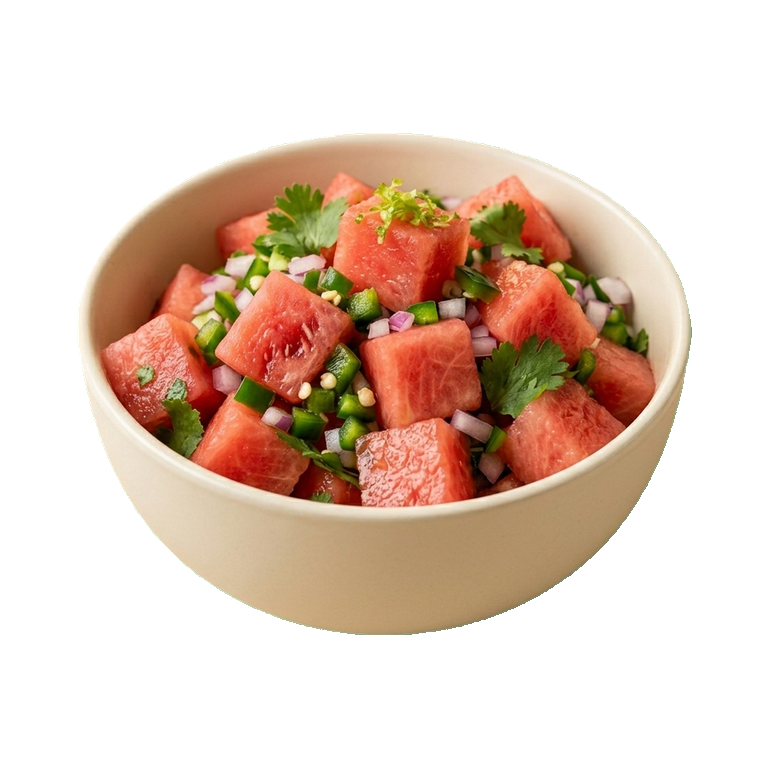
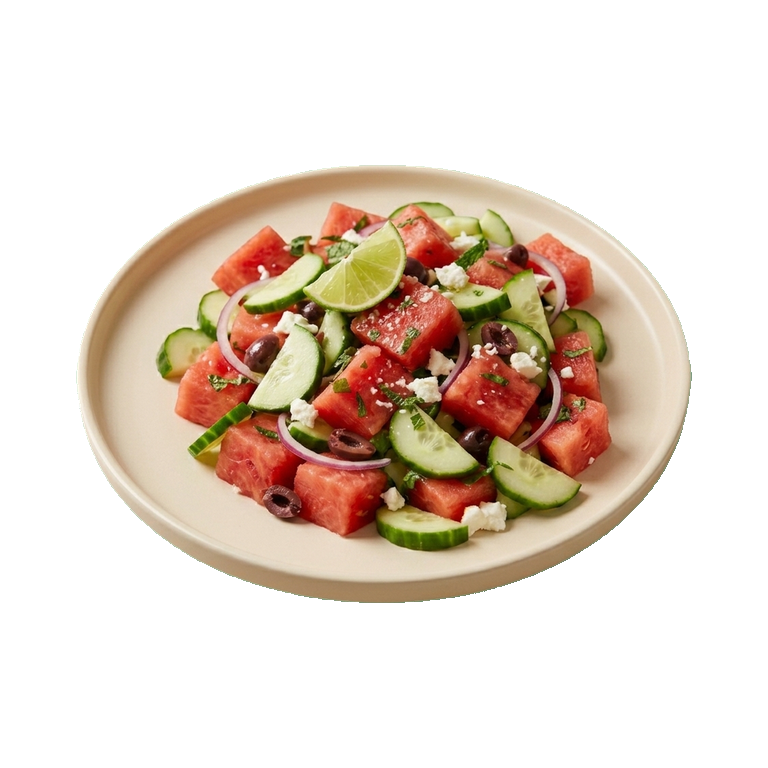
- In salads — combines with cucumber, tomatoes, herbs and dairy products
What pairs well
Watermelon flesh loves contrasts: spicy (chili, black pepper), salty (feta, prosciutto, anchovies), sour (lemon, lime, vinegar). Mint and basil emphasize its freshness. Ginger and cinnamon add spice. Even a small amount of balsamic vinegar transforms a simple slice into a full-fledged dish.
How to choose and store
A ripe watermelon is recognized by a ringing sound when tapped, uniform coloring, and a soft yellow spot on the side — the place where it lay on the ground. The flesh should be bright red or pink, without white streaks or cavities. A cut watermelon is stored in the refrigerator for up to five days, wrapped in plastic. Cut flesh is best used within two to three days.
Practical Tips
- For drinks, freeze diced pulp into cubes — this creates natural ice that won't dilute your cocktail with water
- Watermelon juice can be squeezed through a sieve or blender to use in sauces or jellies
- Don't throw away the seeds — you can roast them or add them to a salad for crunch
- For a side dish, cut the pulp 15–20 minutes before serving so it doesn't lose its firmness and doesn't release juice
Watermelon flesh is an ingredient that works best when you're not afraid to experiment. Its neutral taste and high moisture content allow it to adapt to any cuisine style. In summer, it becomes an indispensable helper on the table.
Nutrition
per 100 g
- Calories
- 30 kcal
- Protein
- 0.6 g
- Fat
- 0.2 g
- Carbs
- 7.6 g
Micronutrients
per 100 g
Macronutrients
- Water
- 90.91 g
Minerals
- Sodium
- 0 mg
- Potassium
- 117.3 mg
- Calcium
- 7.86 mg
- Magnesium
- 11.45 mg
- Phosphorus
- 17.08 mg
- Iron
- 0.02 mg
- Zinc
- 0.1 mg
- Copper
- 0.05 mg
- Manganese
- 0.07 mg
Vitamins
- Vitamin C
- 6.46 mg
Measures and weight
- 1 tbsp
- 13.5 g
- 1 tsp
- 4.5 g
- 1 cup
- 225 g
- 1 slice
- 150 g
Measure calculator
- Weight
- 100 g
- Calories
- 30 kcal