Usuba
Usuba
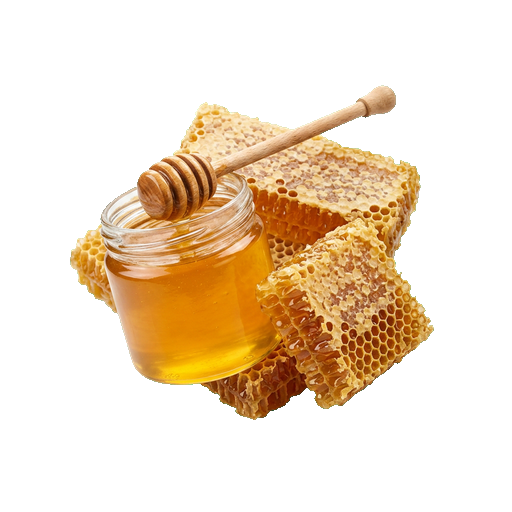
Flower Honey
Wildflower honey is made from the nectar of various plants and features a lighter shade and delicate flavor compared to monofloral varieties. In cooking, it's used to sweeten beverages, baked goods, sauces, and dressings, and can be added to cereals and yogurts when a soft floral aroma is desired without a pronounced honey flavor. When selecting honey, pay attention to consistency — quality honey should be homogeneous with no separation, and it shouldn't lose its beneficial properties when heated, so add it to finished dishes rather than boiling it.
About
Wildflower honey is what bees collect from mixed flora when nectar comes from many plants simultaneously. The result is unpredictable and interesting: each season, each region gives its own flavor profile. That's why such honey is valued by those who are ready to experiment in the kitchen and don't seek uniformity.
Taste and aroma
The flavor palette of wildflower honey is broad and multi-layered. Usually it is not as sweet as monofloral varieties, but it has interesting fruity or herbal notes. The aroma can be delicate and floral or more pronounced, depending on which plants predominated in the honey harvest. The consistency is often thicker than acacia or linden honey, and the honey can crystallize more quickly.
How to use in the kitchen
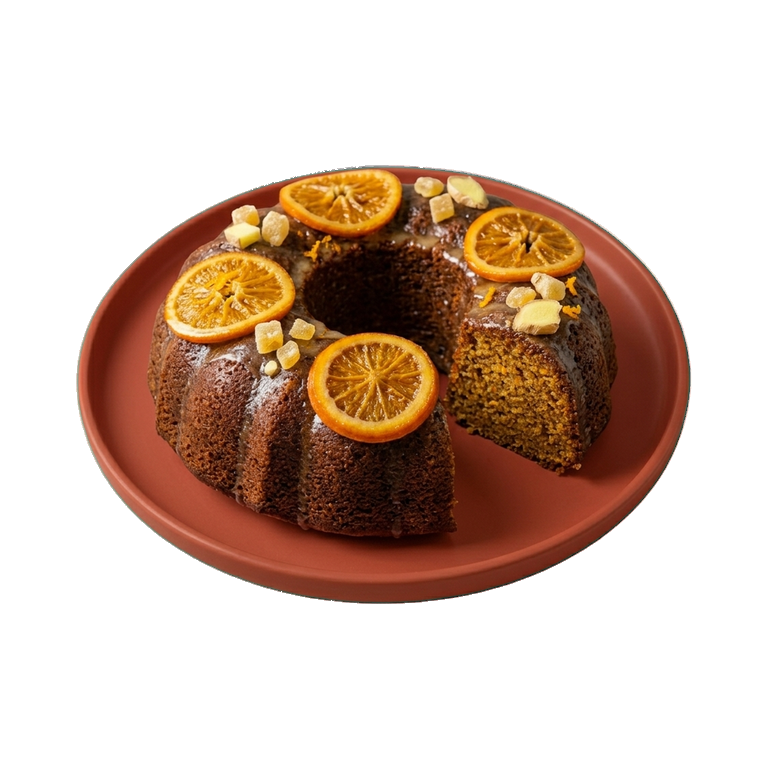
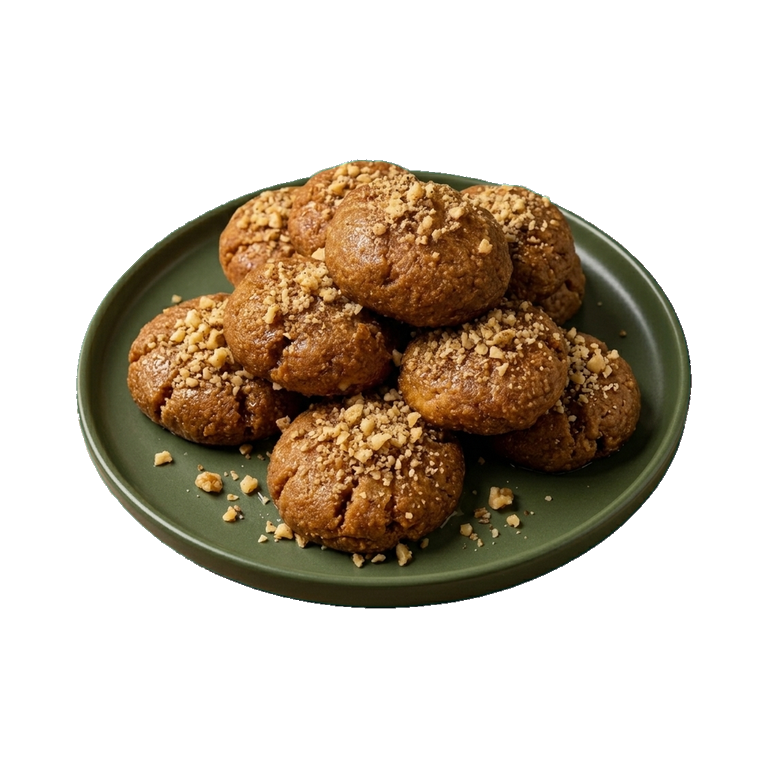
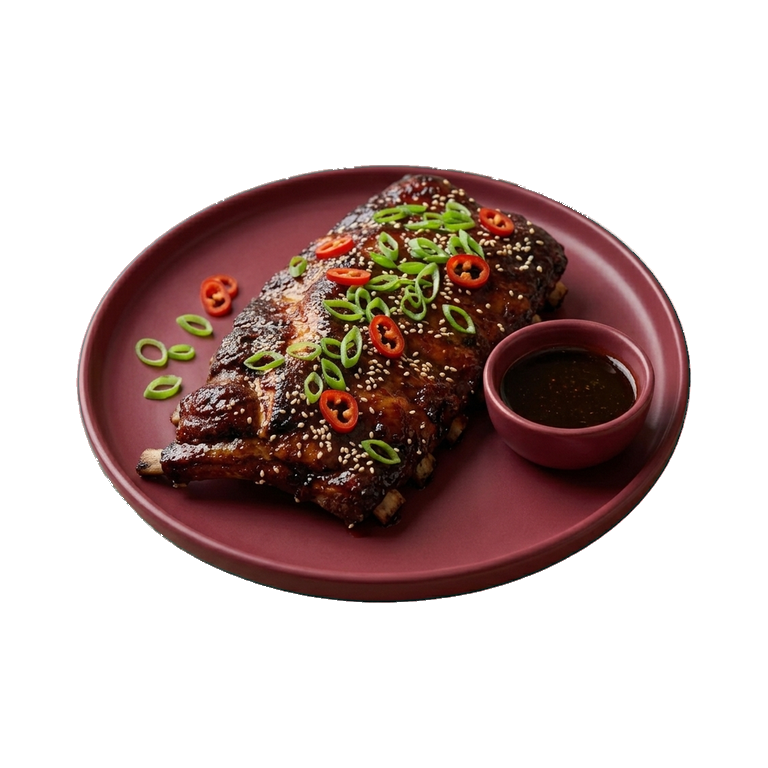
Floral honey works well as a universal sweetener: you can add it to tea, coffee, yogurt, or cottage cheese. Thanks to its complex flavor, it works interestingly in sauces for poultry or in marinades. Try it in honey gingerbread or cookies — the unpredictability of the taste will make your baked goods more expressive.
- Sweet drinks and hot tea
- Sauces for meat and poultry
- Baking and desserts
- Honey marinades and glazes
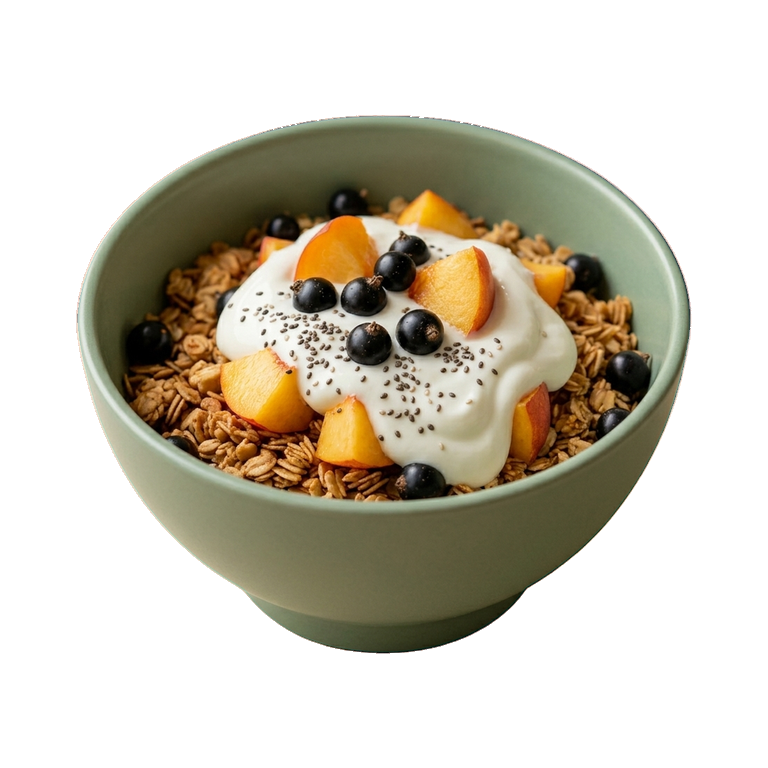
- Cottage cheese and yogurt
Selection and Storage
When purchasing, pay attention to the color: floral honey can be light amber or darker depending on its composition. Good honey has a pleasant aroma without sharp odors. If honey has already crystallized, this is normal and does not affect quality — simply place the jar in warm water if you need a liquid consistency.
Store flower honey in a tightly sealed glass jar at room temperature, away from direct sunlight. Honey practically never spoils, but over time it may darken or completely crystallize — this is a natural process. If you use honey frequently, you can keep a small portion in a convenient container, while storing the main supply in a cool place.
Pairings with other ingredients
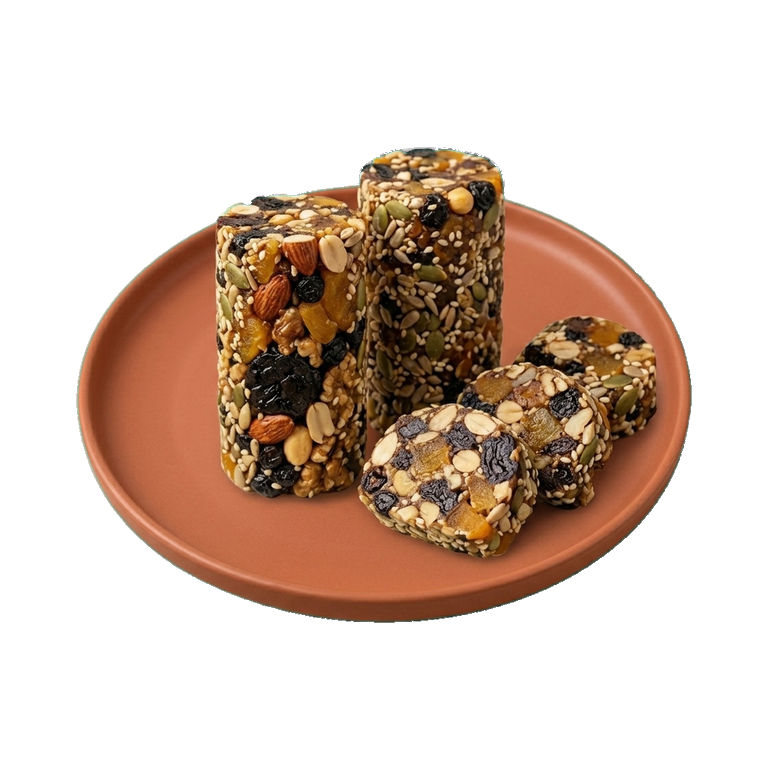
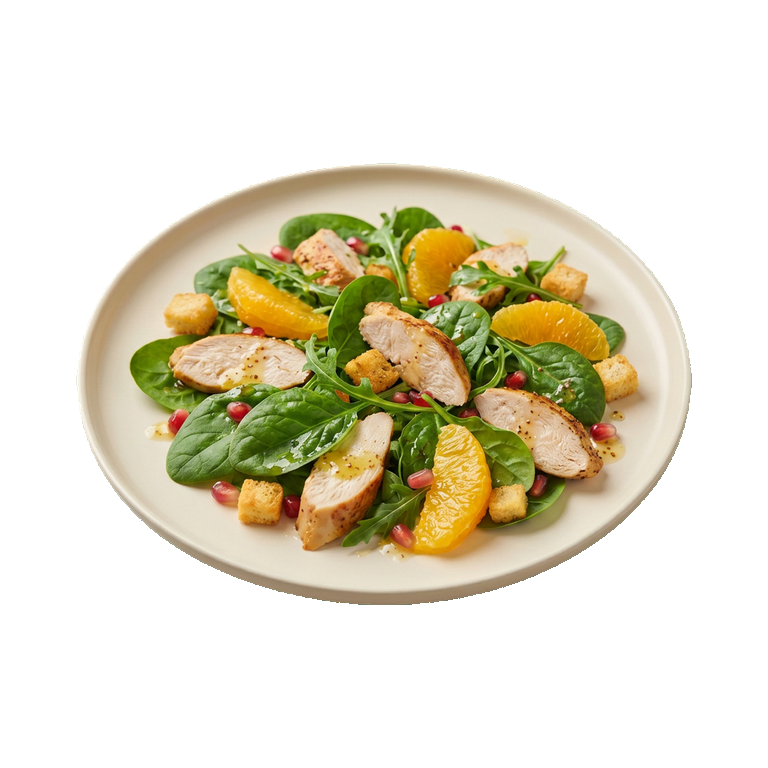
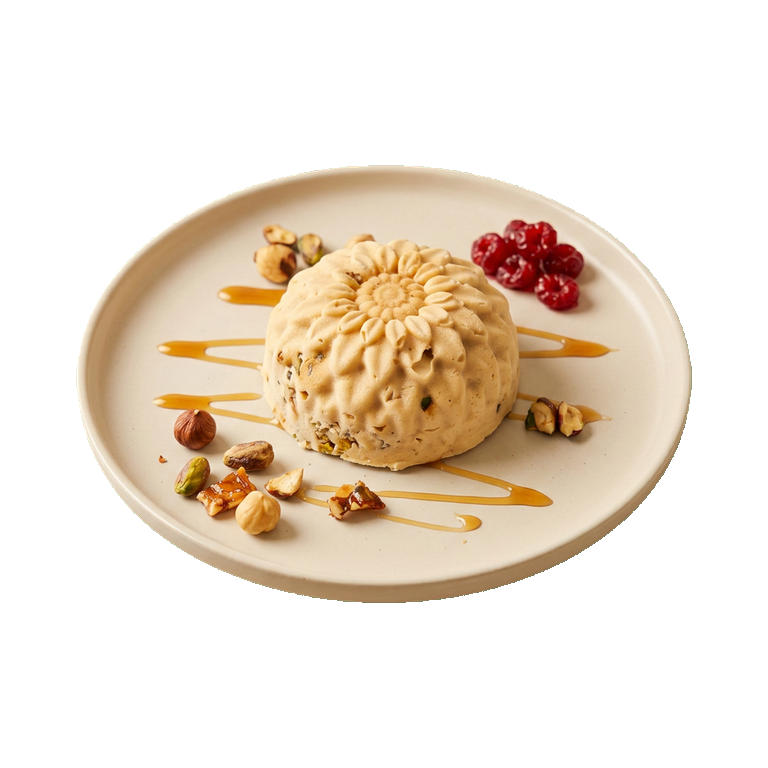
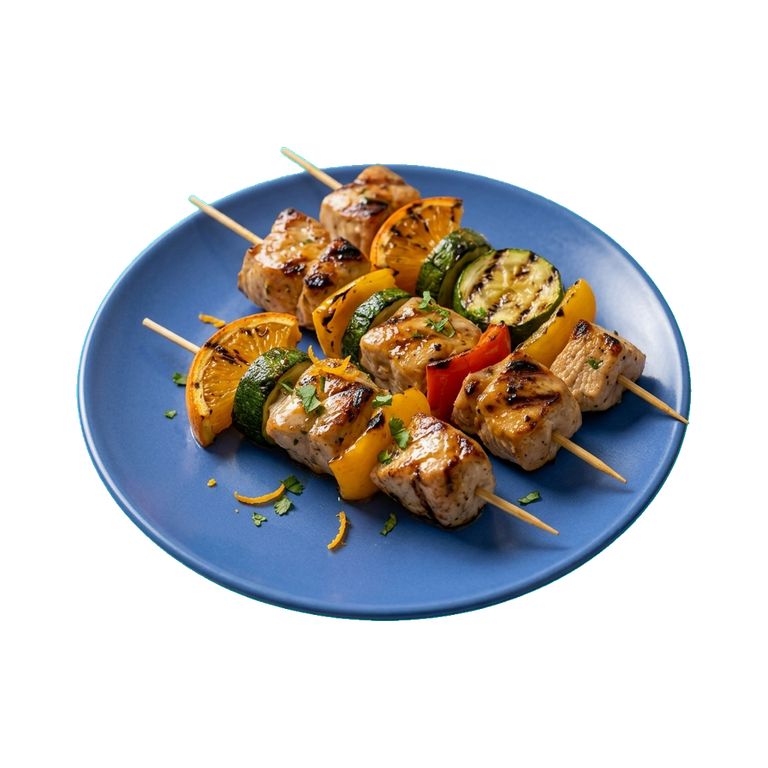
Floral honey pairs well with spices: cinnamon, ginger, and cardamom. Its complex flavor is not overpowered by sharp spices; instead, it reveals itself even more interestingly. With lemon and orange, honey creates fresh, vibrant combinations. Try it with nuts in desserts or with salt in spicy sauces — the contrast of flavors works perfectly.
Nutrition
per 100 ml
- Calories
- 304 kcal
- Protein
- 0.3 g
- Fat
- 0 g
- Carbs
- 82.4 g
Measures and weight
- 1 tbsp
- 21.3 g
- 1 tsp
- 7.1 g
- 1 cup
- 355 g
Measure calculator
- Weight
- 100 g
- Calories
- 214 kcal