Usuba
Usuba
Chopped onion
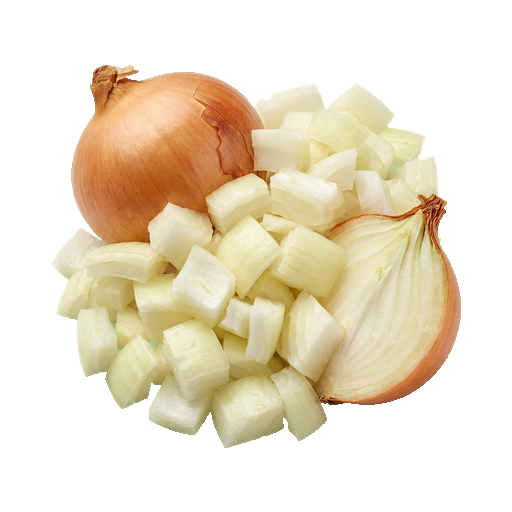
Chopped onion is onion cut into large pieces using a knife-chopping method, which distinguishes it from finely minced or sliced onion rings. This cutting technique preserves the onion's structure better than small dice, allowing the pieces to remain firmer during heat treatment. Chopped onion is ideal for soups, stews, meat dishes, and vegetable side dishes where visible chunks are needed—pieces that don't fall apart and deliver a distinct flavor without excessive softness.
About
Chopped onion is onion cut into large irregular pieces, rather than thinly sliced or pureed. This cutting technique preserves the texture and allows the onion to remain visible in the dish, without dissolving in the sauce or losing its structure during cooking. It is not just a cutting technique, but a way of working with an ingredient that changes its role in the recipe.
Taste and Aroma
Large chunks of onion cook more slowly than finely chopped onion, so it retains its sharpness and freshness longer. When pan-fried, the edges caramelize while the inside remains slightly crispy with a bitter taste. If chopped onion is stewed longer, it becomes softer and sweeter, but doesn't turn into a uniform mush. This in-between quality is its main advantage.
Where to use
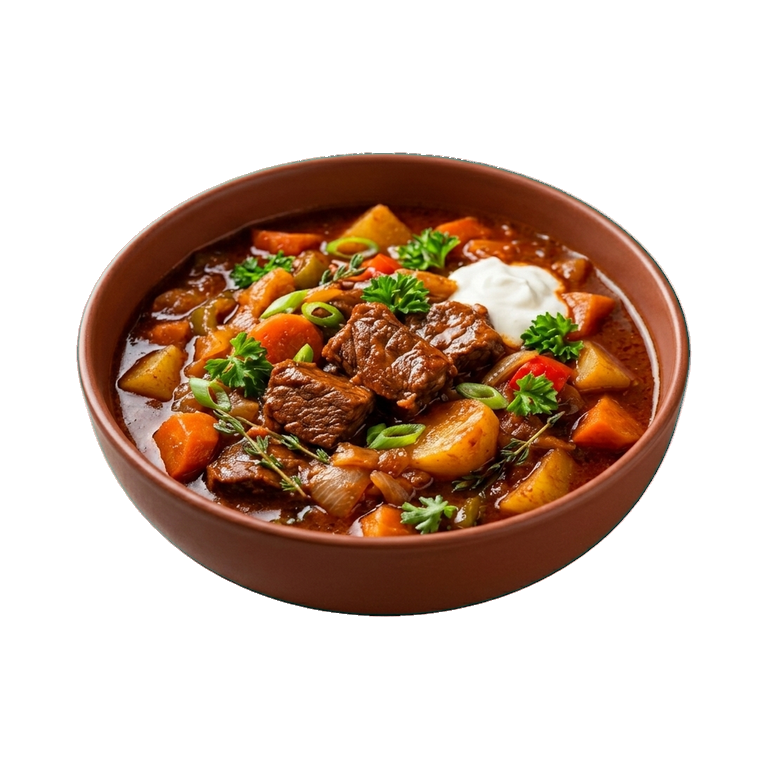
Chopped onion works well in dishes where visible texture is needed and where onion plays an independent role rather than dissolving into the base. It is ideal for meat stews, vegetable side dishes, thick soups, and baked dishes. In salads with large ingredients, chopped onion looks more appropriate than thin julienne. It is often added to ground meat for cutlets or meatballs — large pieces create airiness and prevent the filling from becoming too dense.
Pairings and Tips
- With meat (beef, pork, chicken) — minced onion softens richness and adds depth
- With root vegetables (carrots, beets, potatoes) — creates a harmonious vegetable mix
- With herbs (parsley, thyme, bay leaf) — onion emphasizes their aroma without overpowering
- In marinades and sauces — large pieces release juice slowly and hold their shape longer
How to cook and store
Cut the onion with a sharp knife into large pieces about the size of a finger bone — unevenness in cutting is actually encouraged. If you're making a stew or soup, add the chopped onion at the beginning so it has time to soften. For a side dish or salad, add it closer to the end of cooking. Fresh chopped onion keeps in the refrigerator in an airtight container for 2–3 days, but it's best to cut it right before use — this way it won't lose its juiciness and sharpness.
Chopped onion is the choice of those who want the onion to be noticeable in the dish and to work as an independent ingredient, rather than just an aromatic base.
Nutrition
per 100 g
- Calories
- 34 kcal
- Protein
- 1.1 g
- Fat
- 0.1 g
- Carbs
- 7.7 g
Measures and weight
- 1 tbsp
- 12.8 g
- 1 tsp
- 4.3 g
- 1 cup
- 212.5 g
- 1 clove
- 5 g
- 1 head
- 150 g
Measure calculator
- Weight
- 100 g
- Calories
- 34 kcal