Usuba
Usuba
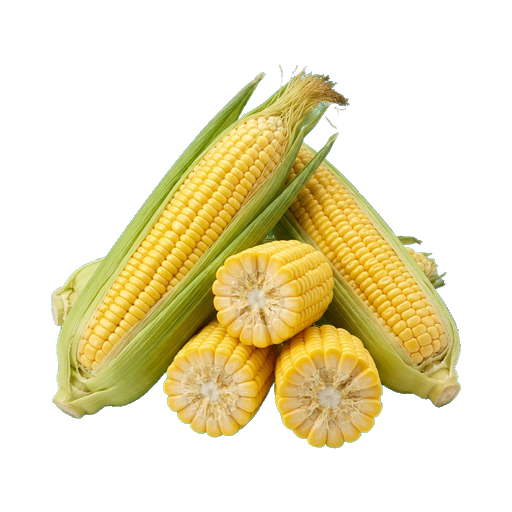
Corn
Corn is a grain crop with a tender, slightly sweet flavor and starchy texture that absorbs sauces and seasonings well. In cooking, it is used fresh (young cobs), as well as canned, frozen, and dried. When choosing fresh corn, pay attention to the moisture of the kernels and the integrity of the husk — these are signs of freshness. When substituting one form for another, keep in mind that canned corn is softer and contains more liquid than fresh or frozen corn.
About
Why corn is a universal kitchen helper
Corn is one of those crops that easily transitions from one role to another. In its young form, it has tender kernels with a sweet taste, and when ripe, it becomes a starchy base for flour, oil, and cereal. In the kitchen, it works everywhere: in salads, side dishes, soups, baked goods, and even beverages. Each processing method reveals it in a new way, so it's worth knowing which form to choose for a particular dish.
What forms of corn to find in the store
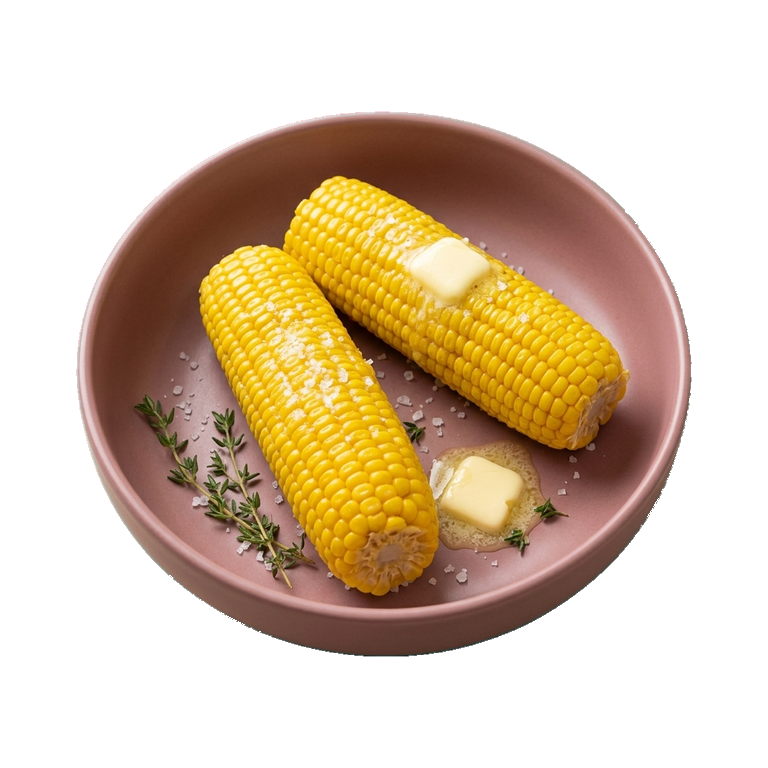
- Fresh on the cob — a summer option if you're lucky enough to find it at the market. Takes 10–15 minutes to boil or grill.
- Frozen — the most practical form for city living. Kernels are already separated, store for months, and cook in just a few minutes.
- Canned — a quick option for salads and appetizers, but often contains excess sugar and salt.
- Cornmeal and corn flour — for porridges, polenta, baking, and breading.
- Corn oil — neutral, suitable for frying and dressings.
Taste and Aroma
Young corn is sweet, almost dessert-like, with a tender texture. Ripe corn is more starchy and less sweet, with a pronounced corn aroma. When boiled, the kernels become softer; when grilled, they caramelize slightly. Cornmeal adds a light sweetness and crumbly texture to dishes.
What goes well with corn
- In salads — goes perfectly with tomatoes, bell peppers, onions, lime and cilantro.
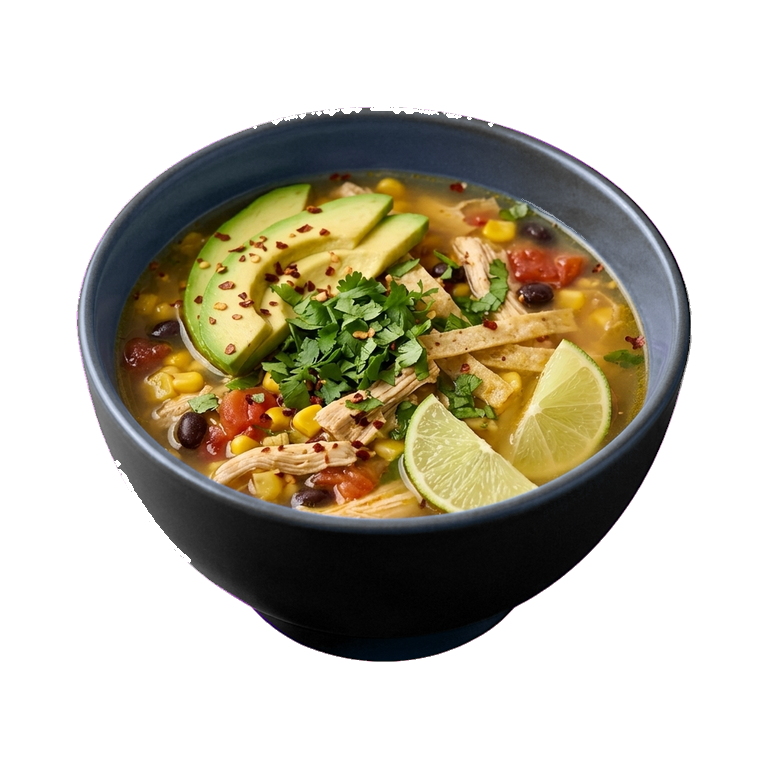
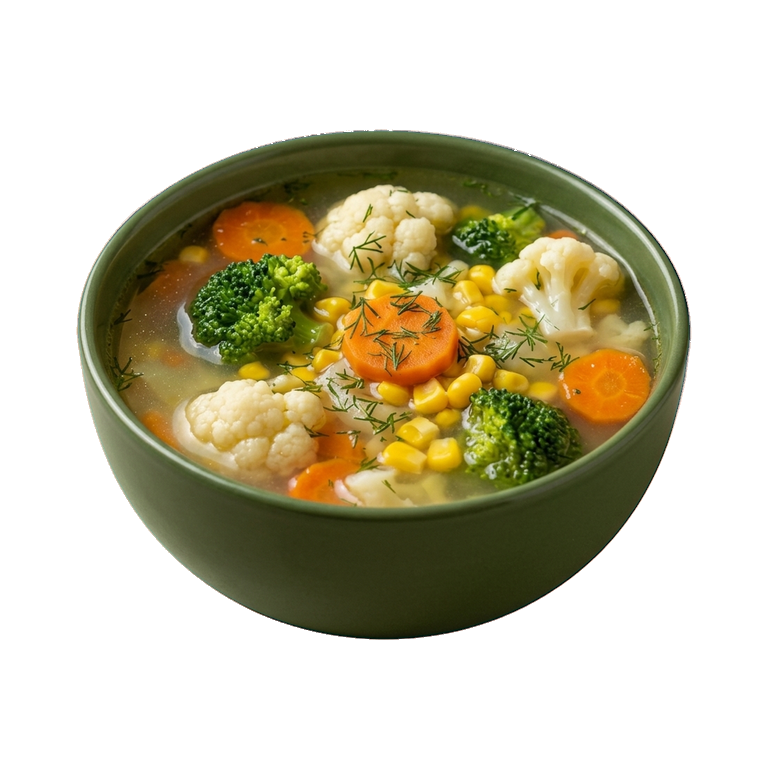
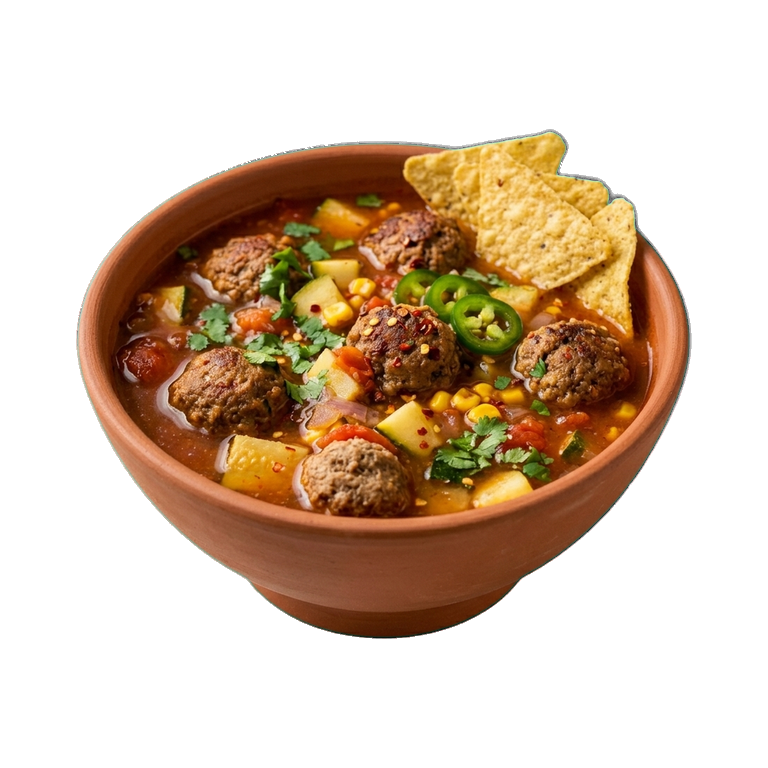
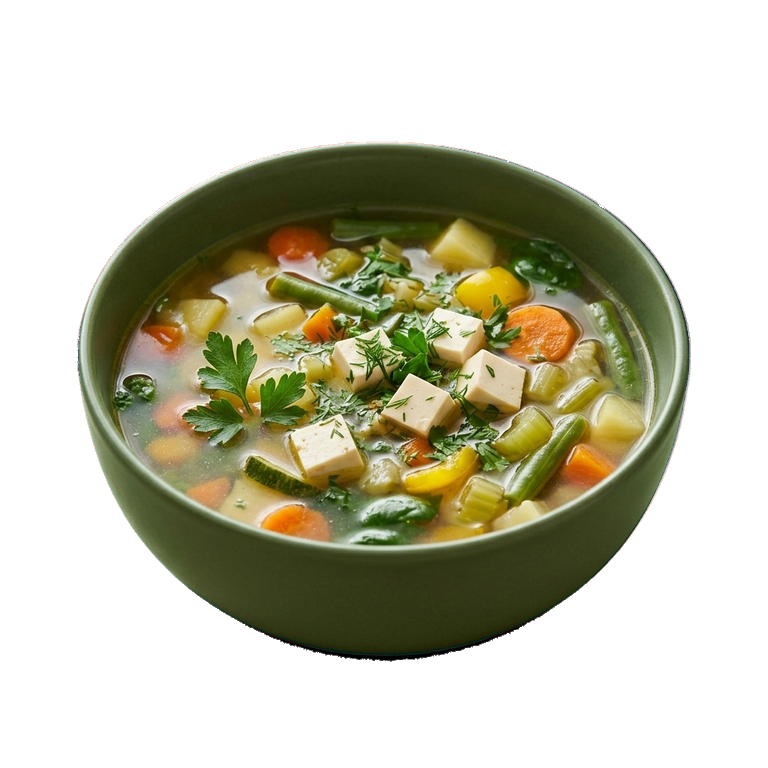
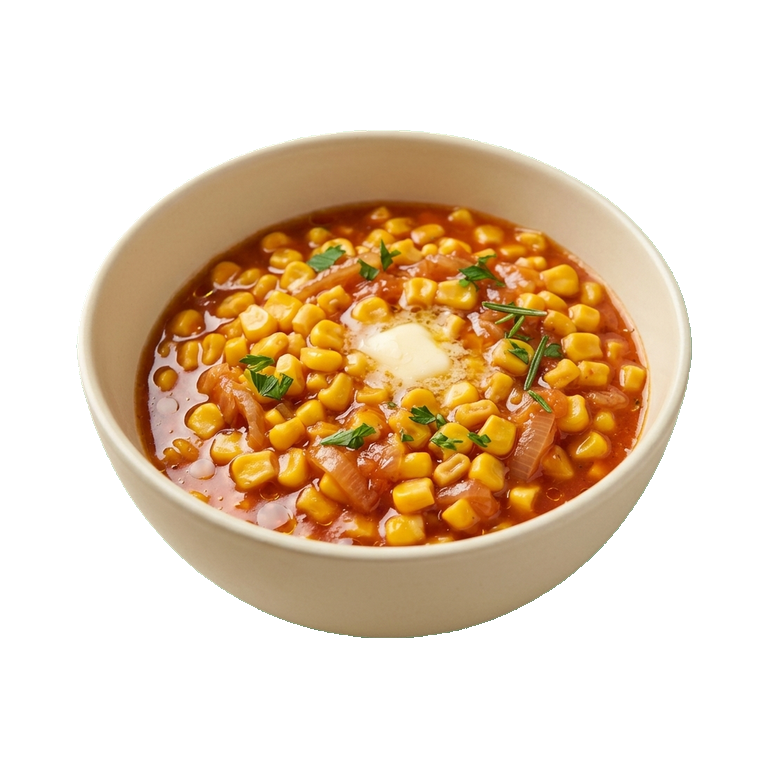
- In soups — thickens cream soups, adds sweetness to vegetable and meat broths.
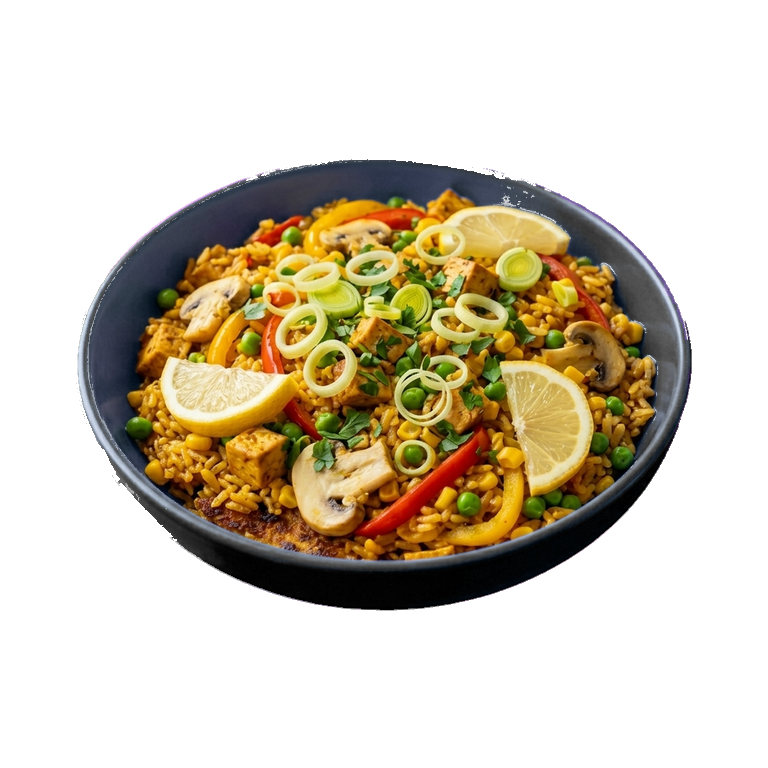
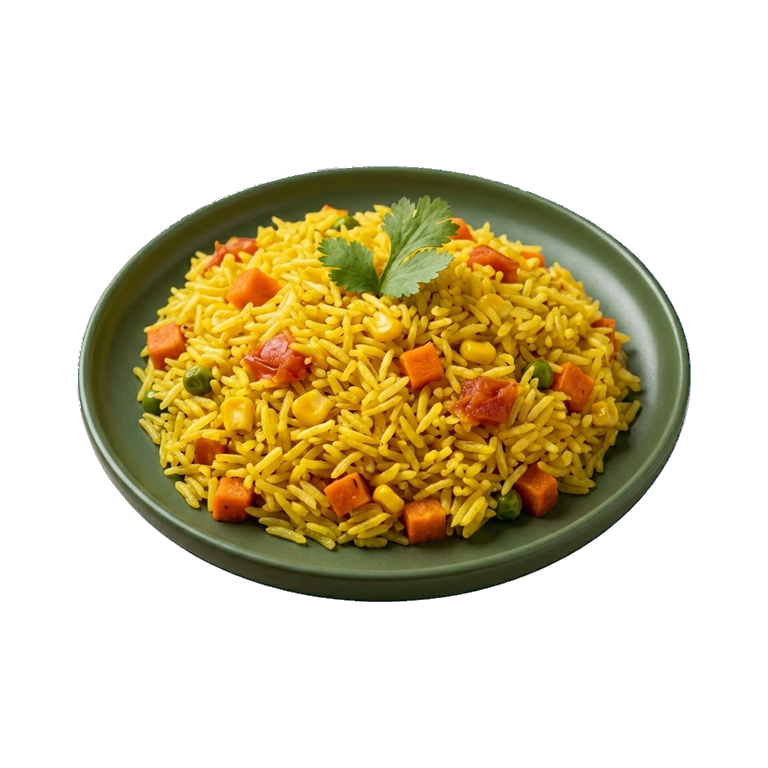
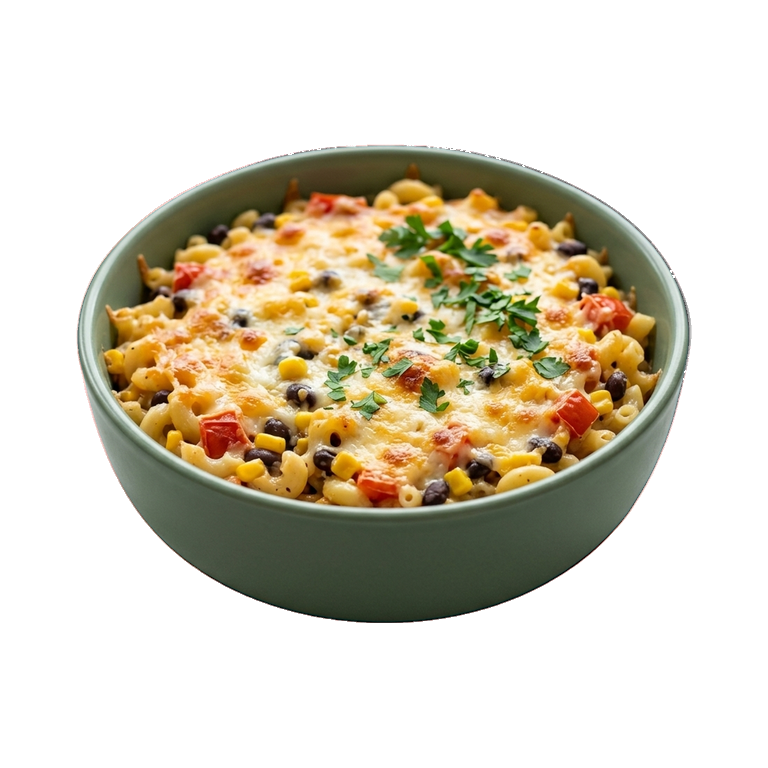
- In side dishes — fried with vegetables, mixed with rice or pasta.
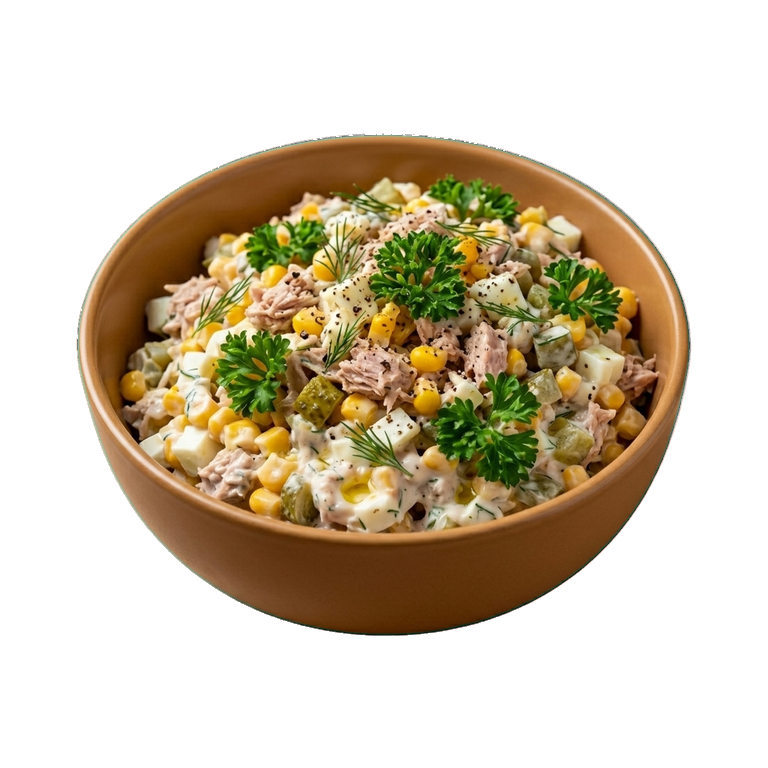
- With proteins — chicken, fish, seafood, eggs — corn goes well with everything.
- With dairy products — butter, cheese, sour cream enhance its sweetness.
- In baking — cornmeal makes bread and cookies more crumbly and light.
How to Choose and Store
A fresh corn cob should be heavy, with bright yellow or light yellow kernels without dark spots. The kernels are tightly pressed to the core. Check frozen corn for an icy crust — there should be none. For canned corn, choose options without unnecessary additives, only salt and water in the ingredients.
Eat fresh corn on the cob on the day of purchase or at most the next day — it quickly loses its sweetness. Keep frozen corn in the freezer for up to a year. After opening canned corn, transfer it to a glass jar and store it in the refrigerator for a week. Store cornmeal and corn grits in a dry place at room temperature, preferably in an airtight container to prevent moisture absorption.
Nutrition
per 100 g
- Calories
- 96 kcal
- Protein
- 3.4 g
- Fat
- 1.5 g
- Carbs
- 19 g
Measures and weight
- 1 tbsp
- 11.3 g
- 1 tsp
- 3.8 g
- 1 cup
- 187.5 g
- 1 can
- 340 g
Measure calculator
- Weight
- 100 g
- Calories
- 96 kcal