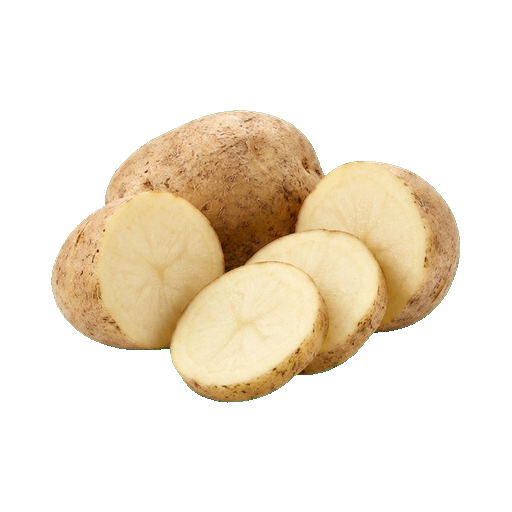
Usuba
Usuba
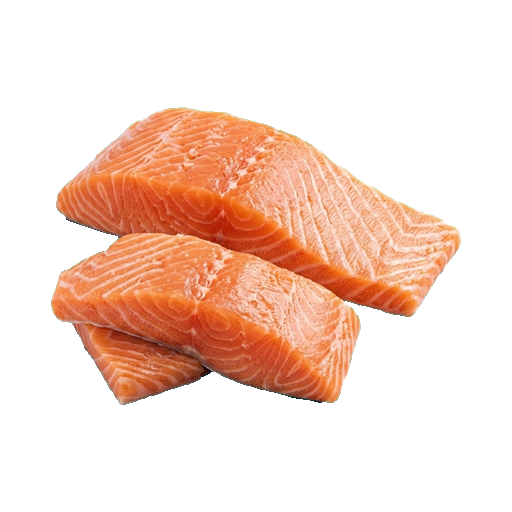
Salmon Fillet
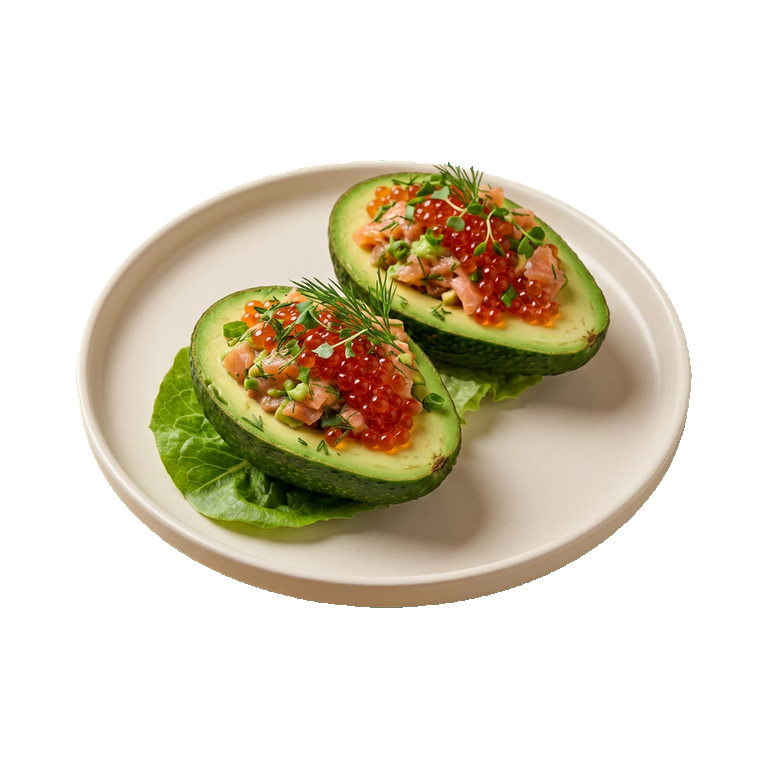
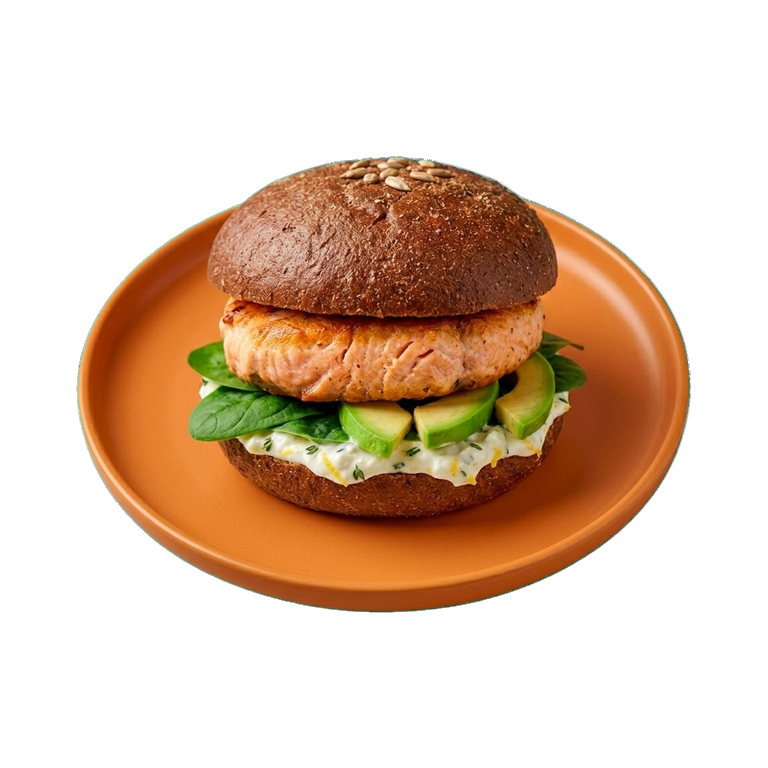
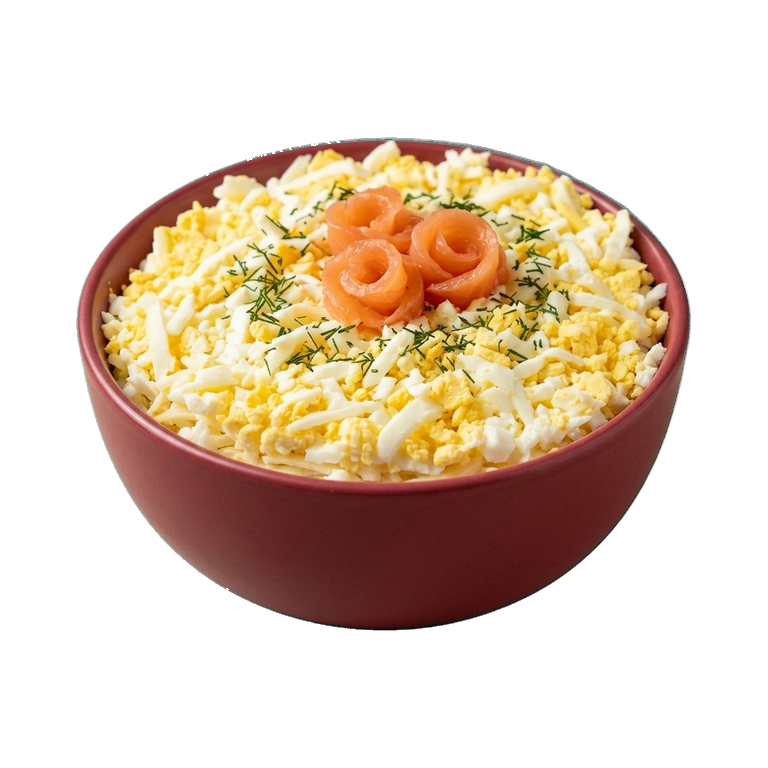
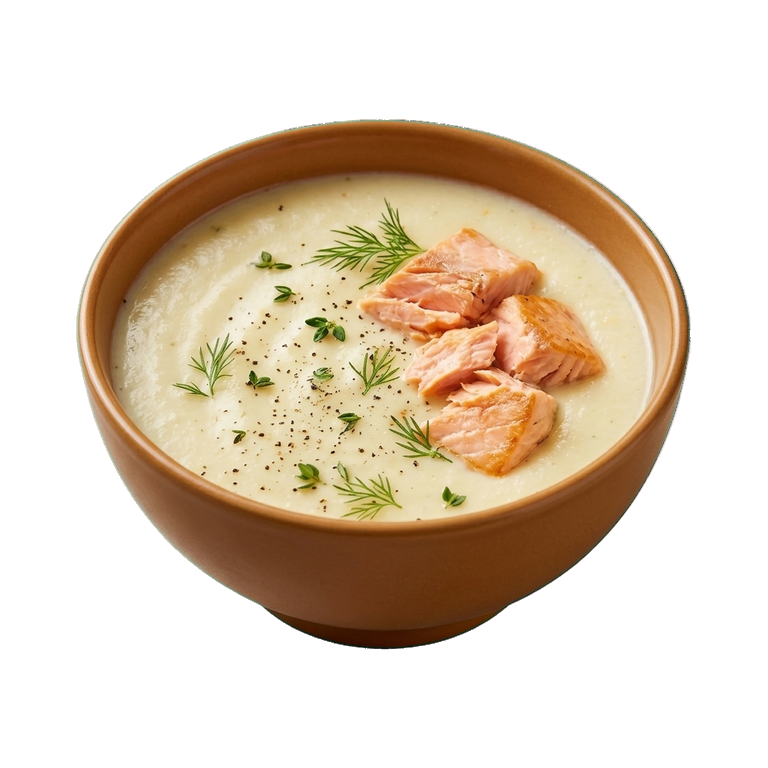
Salmon fillet is the meat of Atlantic salmon, separated from bones and skin. It has a tender texture, rich flavor with a subtle sweetness, and a characteristic fish aroma. Used for steaks, baking in the oven, grilling, or pan-frying, and pairs well with lemon, herbs, and creamy sauces. When choosing, pay attention to the firmness of the meat and bright orange-pink color — these are signs of freshness.
About
Salmon fillet is boneless muscle tissue that forms the basis of most dishes made from this fish. When you buy a fillet, you get a ready-to-cook product: tender, juicy meat with an orange-pink color and natural shine. It is one of the most convenient forms for home cooking because it requires no filleting and minimizes waste.
Aroma and taste
Salmon has a pronounced, but not sharp marine aroma and a delicate buttery flavor. The meat is firm with good texture that doesn't fall apart during cooking. The fat content of the fillet makes it resistant to drying out — even if slightly overcooked, the fish will remain juicy. This is exactly why salmon is so popular: it's hard to spoil.
How to Cook Fillet
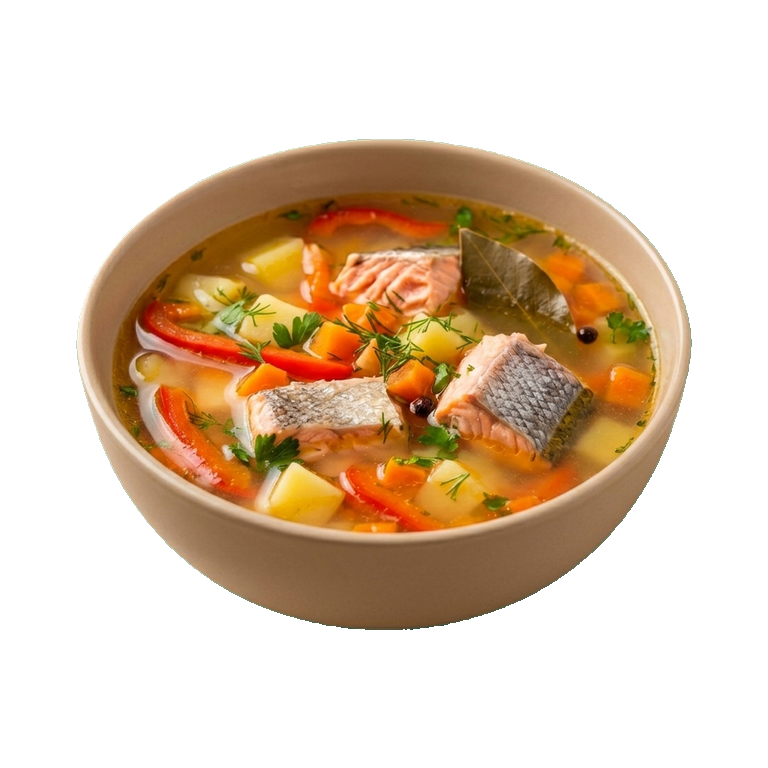
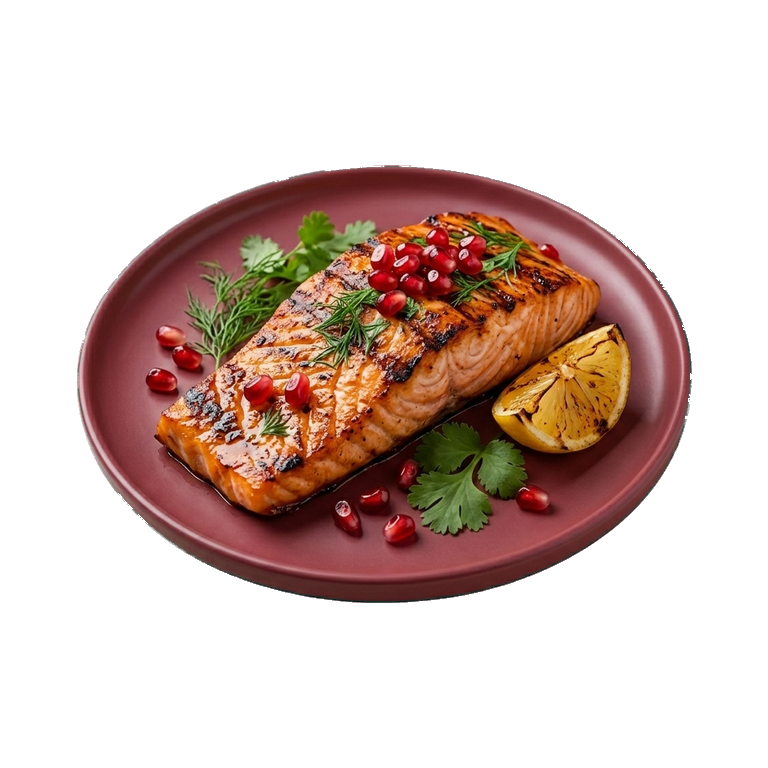
Salmon fillet works with almost any cooking method. On a pan, it cooks for 4–6 minutes on each side over medium heat. In the oven at 180 degrees, the fillet bakes for 12–15 minutes. For boiling or poaching, 8–10 minutes in hot liquid is enough. The main rule: don't overcomplicate it. Simple salt, pepper, and lemon often give better results than an abundance of spices.
Dish Pairings
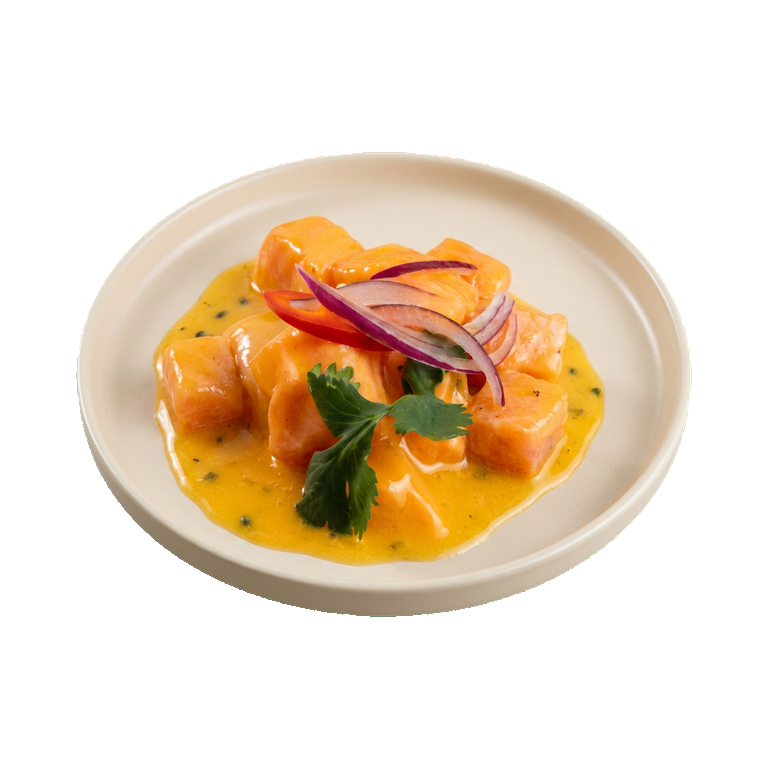
- Lemon, lime and other citrus fruits — a classic choice that highlights the seafood flavor
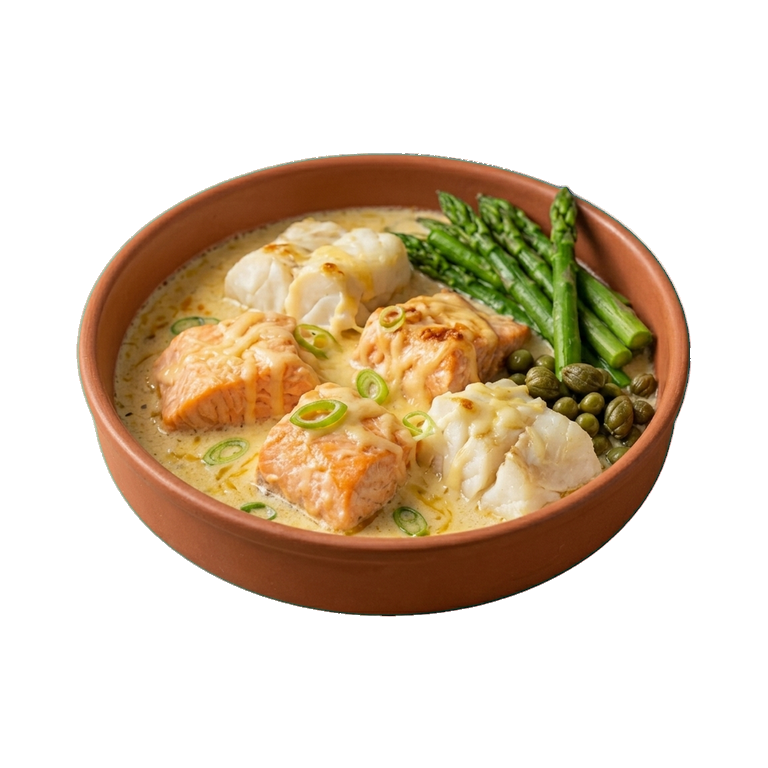
- Butter and cream create a luxurious sauce, especially with the addition of dill or tarragon
- Soy sauce and ginger add an Asian character, work well in stir-fries or baked dishes
- Tomatoes, olives and capers — a Mediterranean approach, ideal for light summer lunches
- Mustard and honey create a glaze that holds well when baked
- Vegetables as side dishes: asparagus, broccoli, new potatoes — salmon doesn't require heavy additions
Selection and Storage
When choosing fillet, pay attention to the color: it should be uniform, pink-orange, without gray spots. The surface should look moist, but not slippery. The smell should be of the sea, fresh, without ammonia notes. Store fillet in the refrigerator for 2–3 days in an airtight package on the coldest shelf. If you don't plan to cook in the coming days, freeze it: in the freezer, fillet maintains quality for up to three months.
Salmon is good because it is equally delicious in simple form — just with salt and pepper in a pan — and in complex restaurant recipes. It is a versatile ingredient that gives the chef freedom of choice.
Practical Tips
- Remove the fillet from the refrigerator 15–20 minutes before cooking — it will heat evenly
- If the fillet is thicker than 2 cm, cut it into smaller portions for even cooking
- The skin can be left on or removed depending on the recipe — when pan-frying, the skin becomes crispy
- Salt the fillet immediately before cooking, not in advance — this prevents excess moisture from being released
- Don't flip the fillet many times — once is usually enough
Nutrition
per 100 g
- Calories
- 208 kcal
- Protein
- 20 g
- Fat
- 13 g
- Carbs
- 0 g
Measures and weight
- 1 slice
- 75 g
Measure calculator
- Weight
- 100 g
- Calories
- 208 kcal