Usuba
Usuba
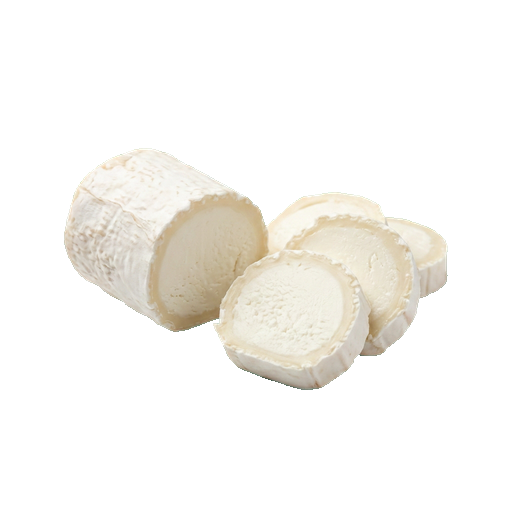
Goat cheese
Goat cheese is distinguished by its creamy, delicate texture and characteristic sharp, slightly tangy flavor with herbal notes. Thanks to these qualities, it is ideal for salads, appetizers, desserts, and hot dishes, where it can be melted or used as a contrasting element. When selecting, pay attention to white color, uniformity, and absence of mold, and when substituting with cow cheese, keep in mind that goat cheese has a more pronounced flavor and requires delicate handling when heating.
About
Goat cheese is one of the most versatile cheeses in the kitchen. Its delicate, creamy texture and characteristic sharp flavor make it ideal for both simple appetizers and complex dishes. Unlike cow cheeses, goat cheese has a lighter structure and is easier to digest, which makes it a popular choice for those who care about their digestion.
Aroma and taste
Goat cheese has a distinctive, somewhat sharp aroma that can seem intense at first glance. However, this is not a flaw, but its signature. The taste depends on the degree of aging: young cheese is softer and creamier, with a subtle tanginess, while aged cheese acquires a more complex, slightly piquant profile with nutty notes.
How to use in dishes
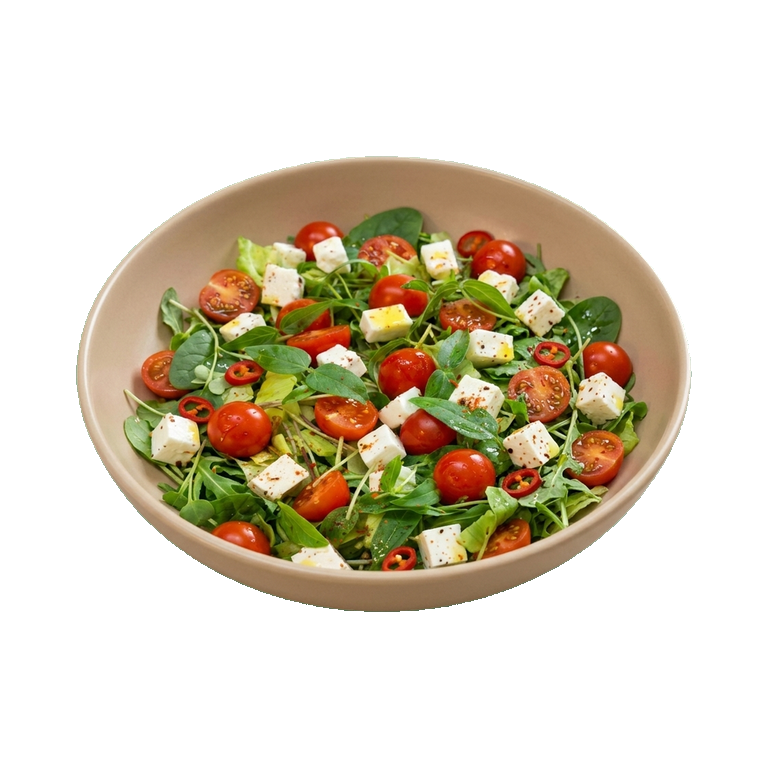
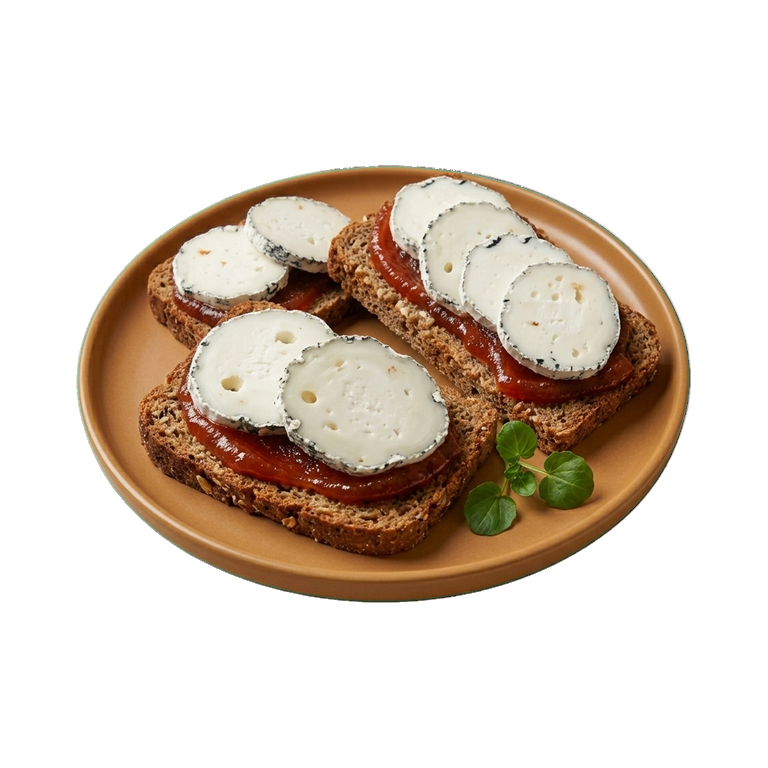
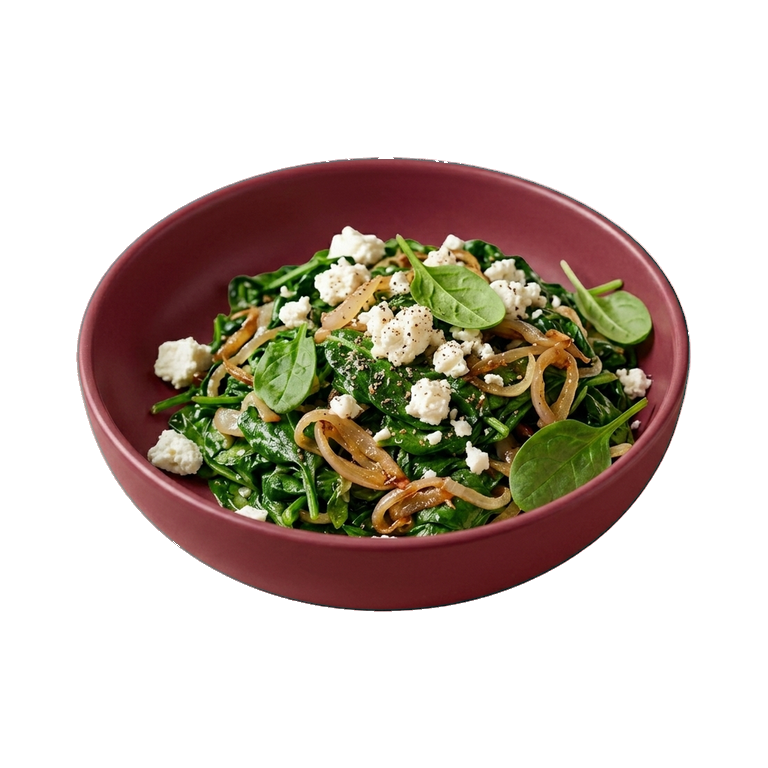
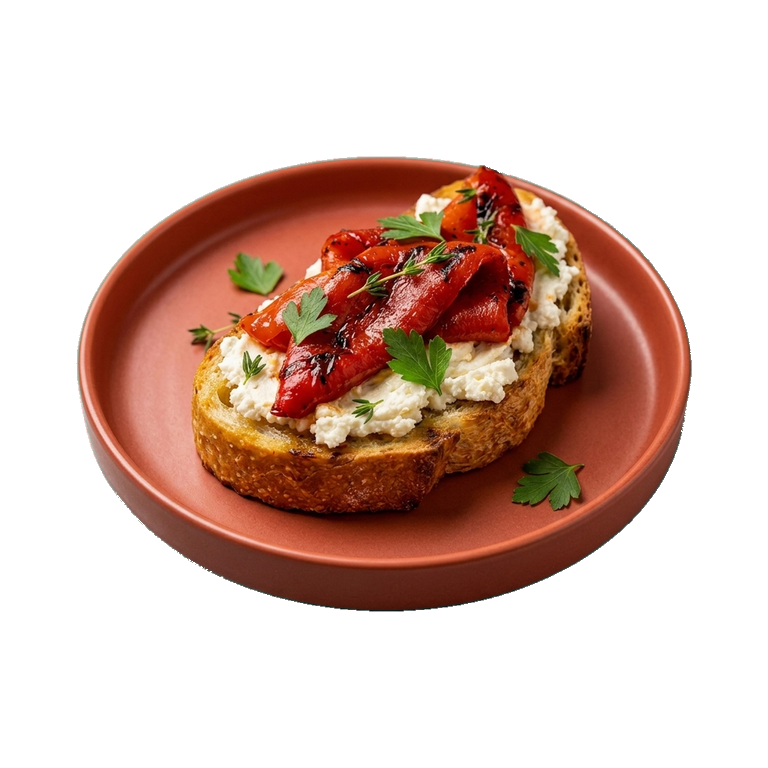
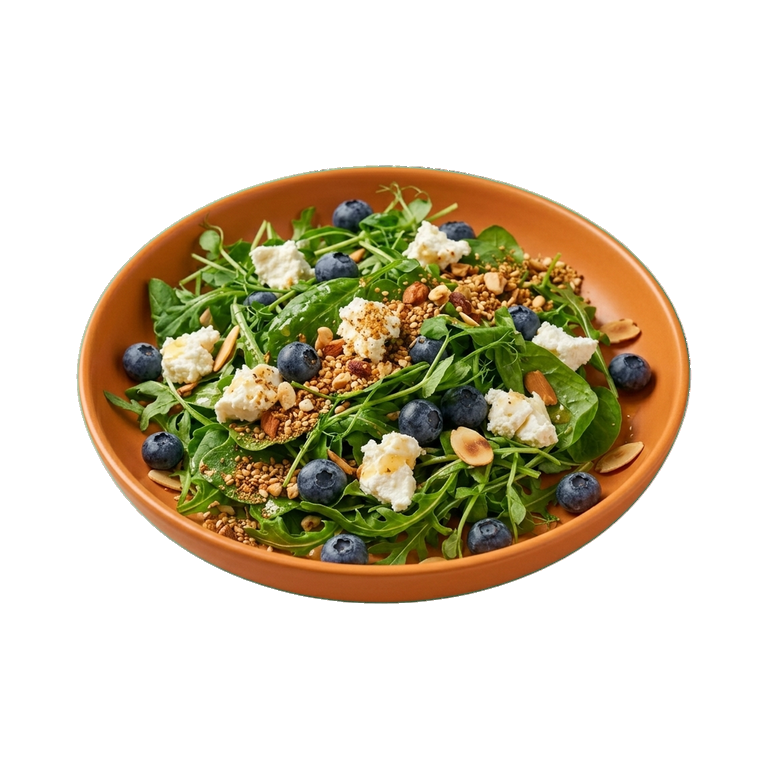
Goat cheese is equally good in hot and cold dishes. Its creamy consistency makes it easy to spread on bread or crackers, and when heated, it melts, creating a delicate crust. Try adding it to salads with leafy greens and nuts, use it as a filling for pies and tartlets, or simply serve it with honey and walnuts as an elegant appetizer.
- Salads with bacon, pear and goat cheese
- Pasta with goat cheese, tomatoes and basil
- Baked goat cheese with herbs and olive oil
- Crackers appetizers with honey and thyme
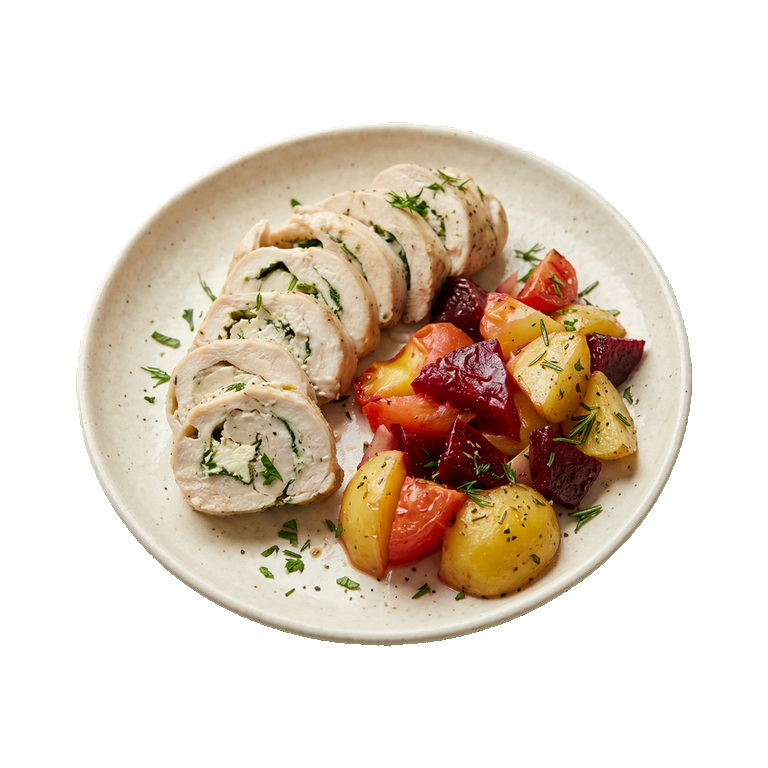
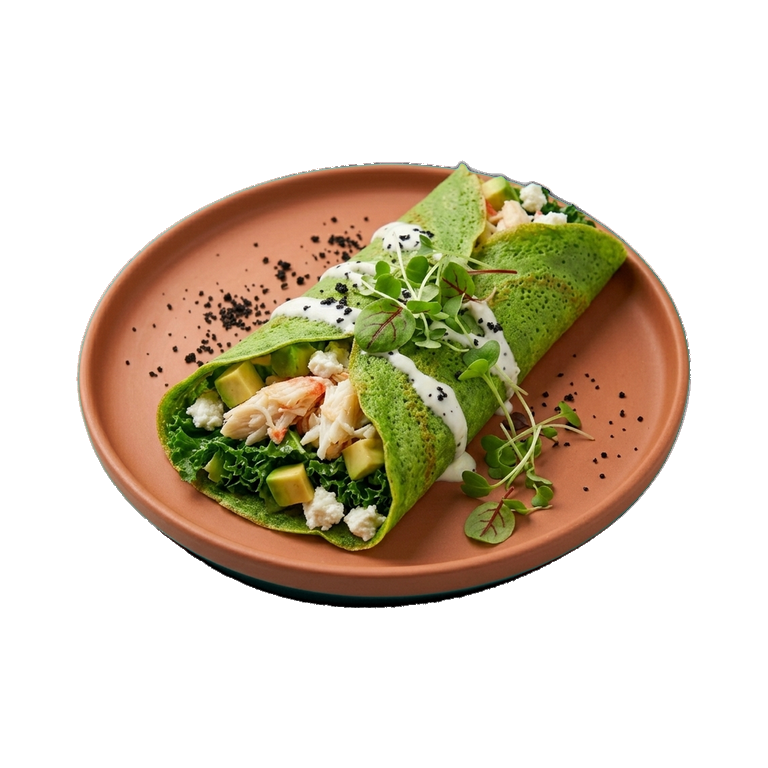
- Filling for pies and pancakes with herbs
Flavor Pairings
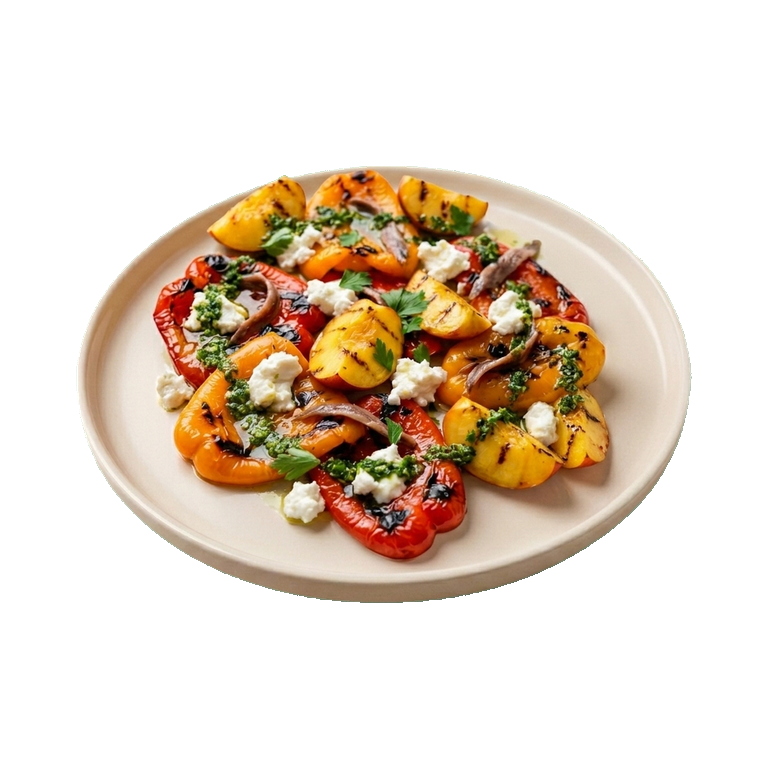
Goat cheese works wonderfully with sour and sweet components. Its sharpness is well balanced by honey, jam, or fresh berries. Fresh herbs — parsley, dill, thyme — highlight its flavor. Don't forget about vegetables: tomatoes, cucumbers, beets, and carrots create harmonious pairings with it. Nuts — walnuts, almonds, pistachios — add depth and texture.
Selection and Storage
When purchasing, pay attention to the consistency: it should be uniform, without cracks or layers. The smell should be natural and pleasant, without mold or mustiness. Young goat cheese is softer, aged cheese is denser and crumbly. Choose depending on how you plan to use it.
Store goat cheese in the refrigerator at a temperature of 4–8 degrees. Wrap it in parchment paper or plastic wrap so it doesn't absorb unwanted odors. Young cheese is best consumed within a week, while aged cheese can be stored for two to three weeks. Before serving, let the cheese sit at room temperature for half an hour — this will allow its flavor to develop more fully.
Nutrition
per 100 g
- Calories
- 364 kcal
- Protein
- 21 g
- Fat
- 29 g
- Carbs
- 0.3 g
Measures and weight
- 1 tbsp
- 15.8 g
- 1 tsp
- 5.3 g
- 1 cup
- 262.5 g
- 1 slice
- 30 g
Measure calculator
- Weight
- 100 g
- Calories
- 364 kcal