Usuba
Usuba
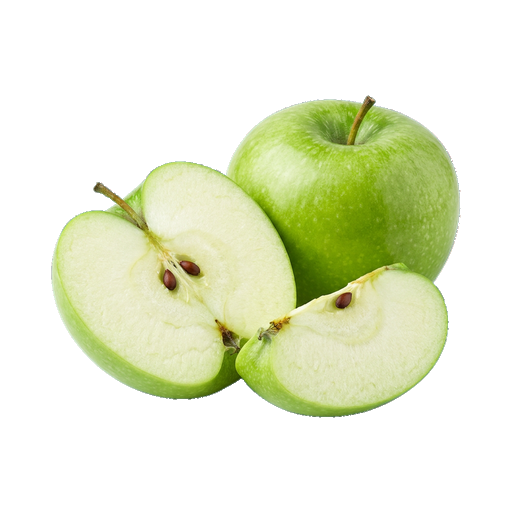
Green apples
Green apples are distinguished by their pronounced acidity and dense, crispy flesh, making them ideal for both sweet and savory dishes. They hold their shape well during cooking, so they're suitable for pies, compotes, and side dishes, as well as used in salads and sauces. When selecting, look for firm apples without soft spots, and when substituting, keep in mind that red varieties will provide more sweetness, so you may need to adjust the sugar in the recipe.
About
Green apples are the workhorse of the kitchen, often underestimated. Unlike their sweet red counterparts, they maintain a sharp tartness and firm flesh even after processing. This makes them indispensable not only in desserts, but also in main courses, sauces, and beverages. When you need apple acidity that won't soften or get lost in the dish, green apples are your choice.
Taste and Aroma
The main feature of green apples is controlled acidity. It's not aggressive, but rather refreshing, with a light astringent note. Sweetness is present, but its role is secondary: it balances the acidity rather than suppresses it. The aroma is fresh, herbaceous, sometimes with a hint of greenness and light floral notes. The flesh is dense and crispy when fresh, but holds its shape during cooking — it doesn't break down into mush.
Where they work
- Pies and crumbles — green apples don't fall apart, provide the needed tartness without cloying
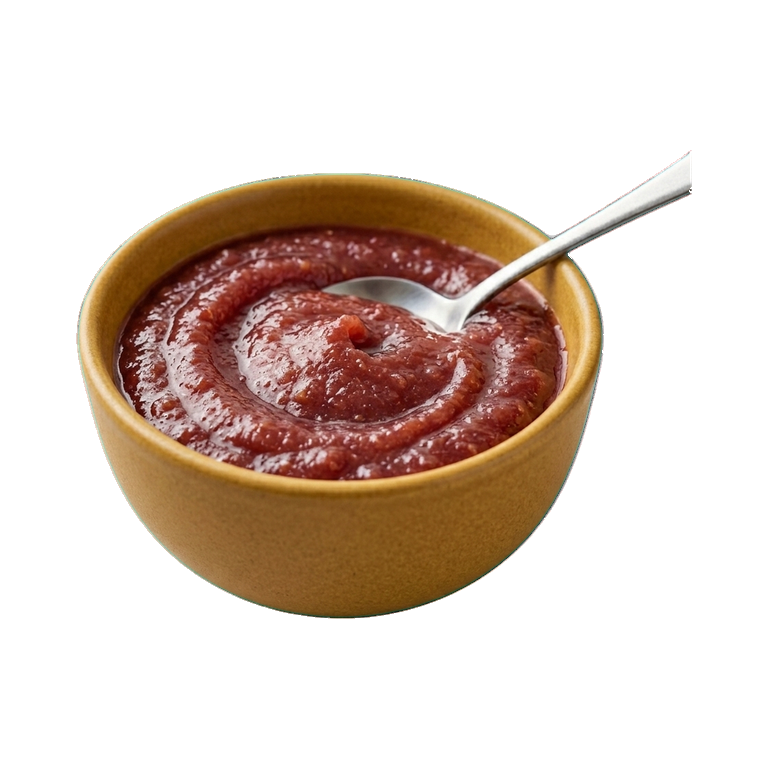
- Sauces and mousses — acidity stabilizes texture, prevents separation
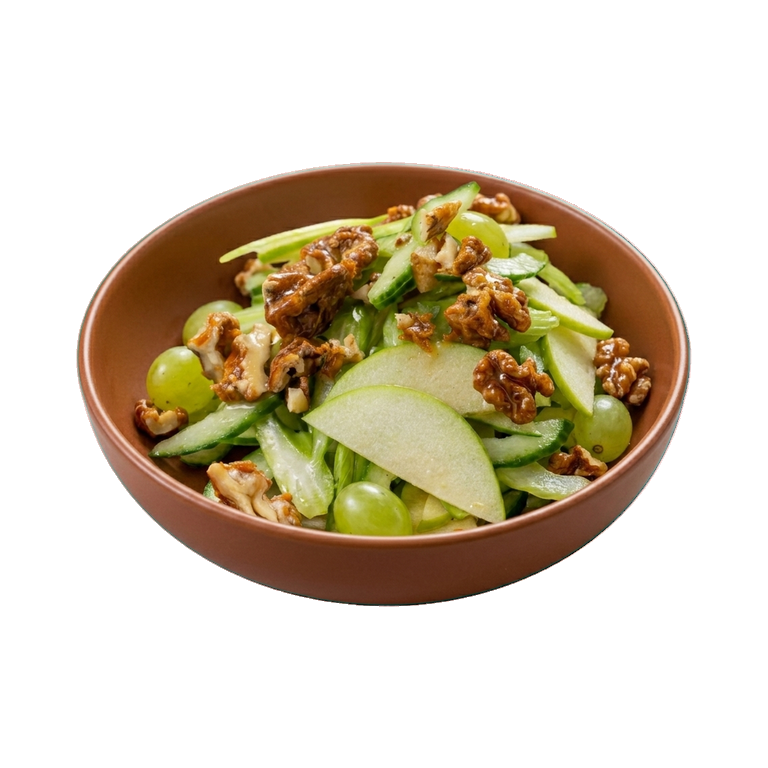
- Salads — freshness and crunch maintain shape, don't oxidize quickly
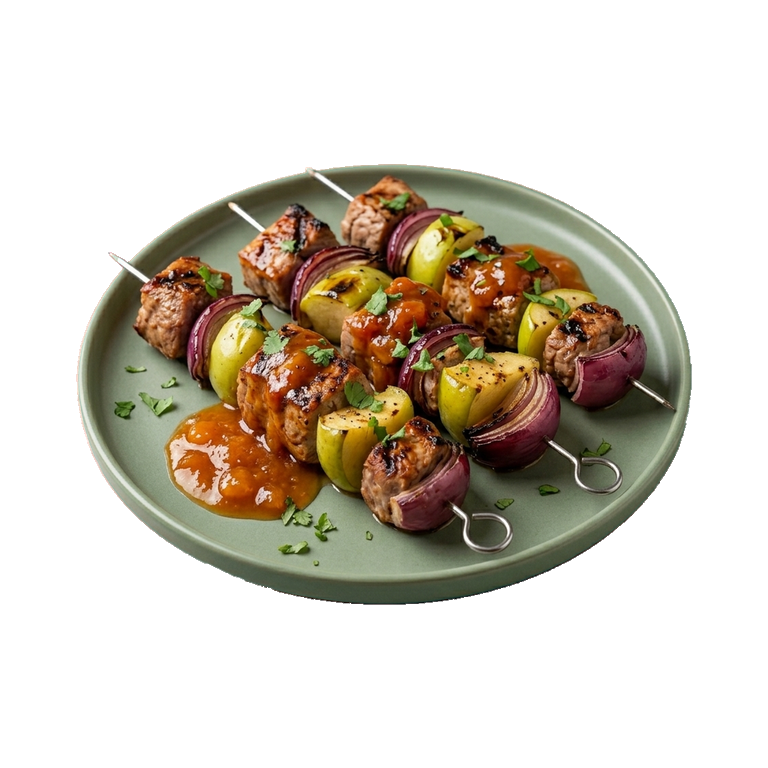
- Marinades for meat and fish — gently tenderize, add depth
- Compotes and jams — don't fall apart, preserve the structure of pieces
- Drinks and smoothies — bright acidity balances sweet ingredients
Food Pairings
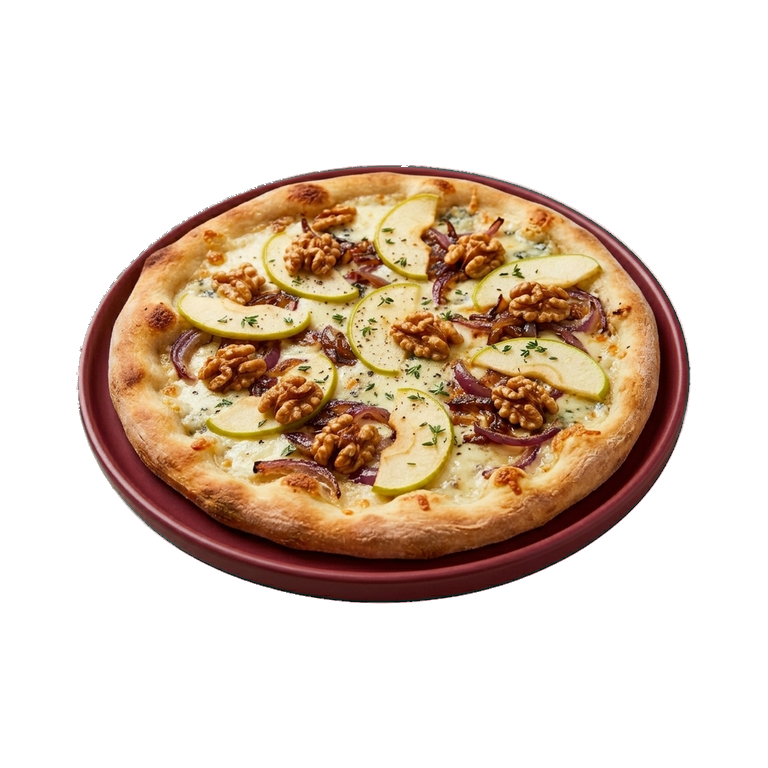
Green apples work well with sharp and rich flavors. Try them with ginger, cinnamon, cardamom — these spices highlight freshness. With fatty meats (duck, goose, pork) they create the needed contrast. They pair excellently with cheese (especially hard and blue varieties), nuts, and dark chocolate. In salads they go well with mustard, honey, and olive oil. Don't forget about herbs: mint, thyme, and rosemary reveal apple freshness from a new angle.
Selection and Storage
When buying, choose apples with smooth skin without dents and soft spots. The weight should be noticeable — light apples are often dried out inside. The color can range from light green to dark green, which does not affect quality. Press lightly with your finger — the skin should be springy, leaving no mark.
Green apples keep longer than red ones. In the refrigerator (in the vegetable compartment) they stay fresh for 2–3 weeks. If you need to store them longer — use the freezer: slice them, sprinkle with lemon juice (to prevent browning), arrange on a freezing tray, and then transfer to a container. Don't store them at room temperature — they quickly lose moisture and become mushy.
Tip: if an apple seems too sour for your recipe, don't rush to reject it. Often it's enough to add a little more sugar or honey, and the balance will be perfect. Green apples are easier to adapt to a dish than the other way around.
Nutrition
per 100 g
- Calories
- 52 kcal
- Protein
- 0.3 g
- Fat
- 0.2 g
- Carbs
- 11.4 g
Measures and weight
- 1 pcs
- 182 g
Measure calculator
- Weight
- 100 g
- Calories
- 52 kcal