Usuba
Usuba
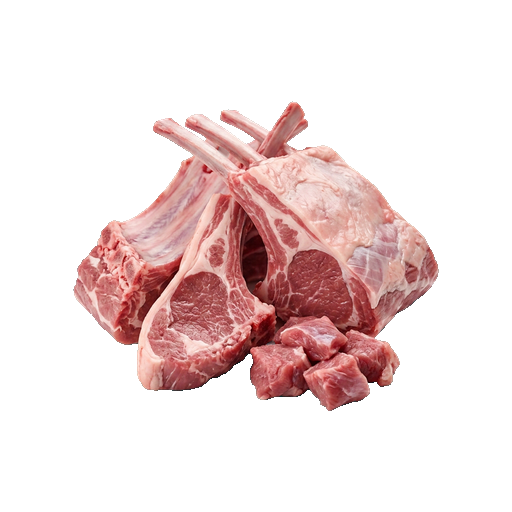
Lamb
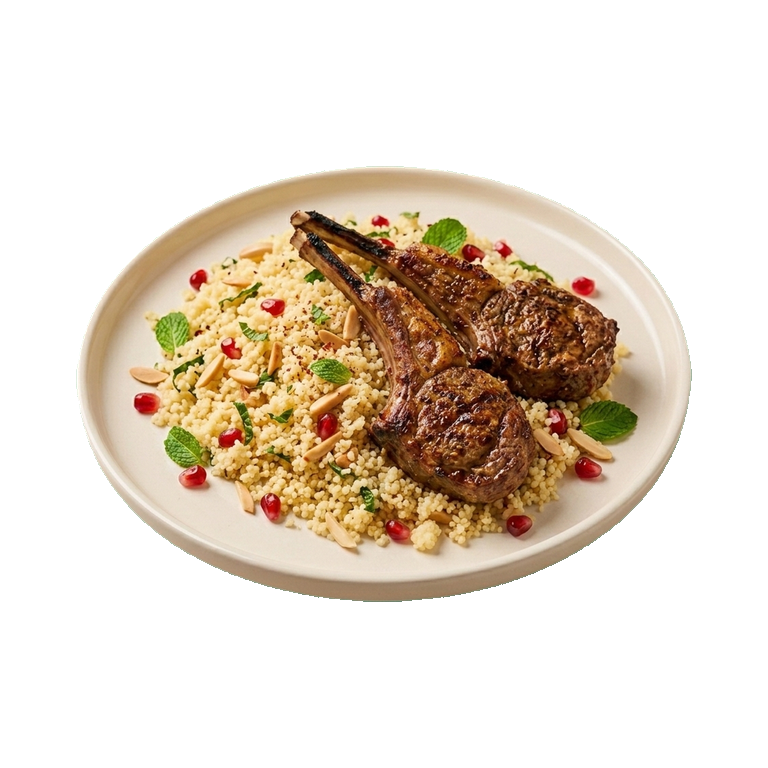
Lamb is meat from adult sheep with a rich, slightly sharp flavor and a characteristic aroma that is especially pronounced in the fat. This meat requires longer heat treatment than beef since the fibers are denser, but when properly cooked, it becomes tender and juicy. Lamb absorbs marinades and spices well — rosemary, cumin, garlic, and Eastern cuisine spices bring out its flavor, and before using, it's worth removing or trimming the fat if it seems too pronounced in aroma.
About
Lamb is a meat that demands respect and understanding. Its rich flavor and dense fiber structure make it a completely different product than chicken or beef. If you've never cooked lamb or were afraid of its distinctive smell, it's time to reconsider your preconceptions: properly selected meat and simple cooking techniques open up entirely new horizons.
Taste and Aroma
Lamb has a pronounced, deep flavor with a slight bitterness and nutty notes. Young meat is softer and more tender, with a buttery undertone. As the animal ages, the flavor becomes more intense, and the aroma becomes more characteristic. This is not a drawback, but a distinctive quality that needs to be properly incorporated into the dish. Lamb fat has a different melting point than beef fat, which is why the meat remains juicy at high temperatures.
Role in Dishes
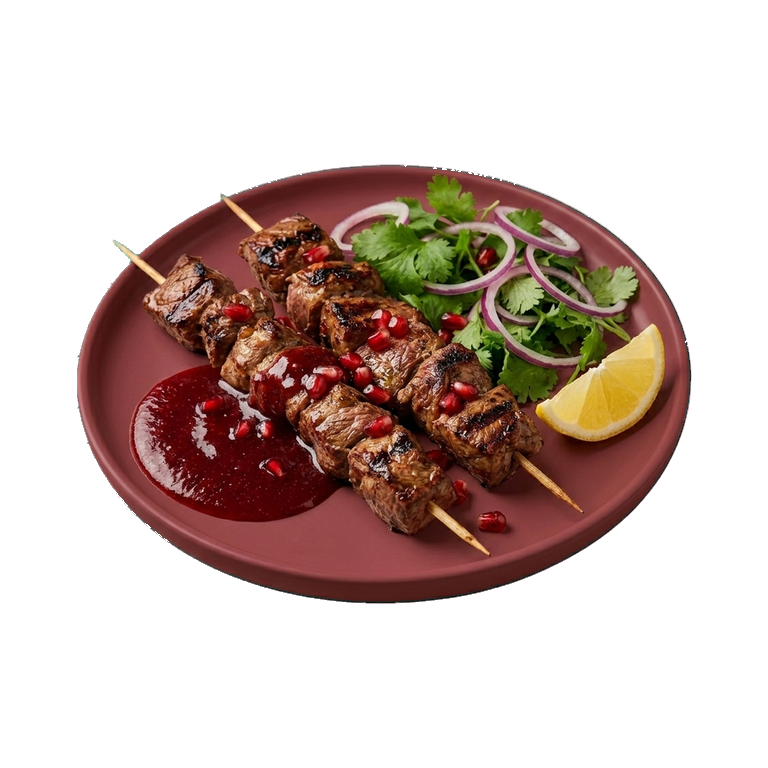
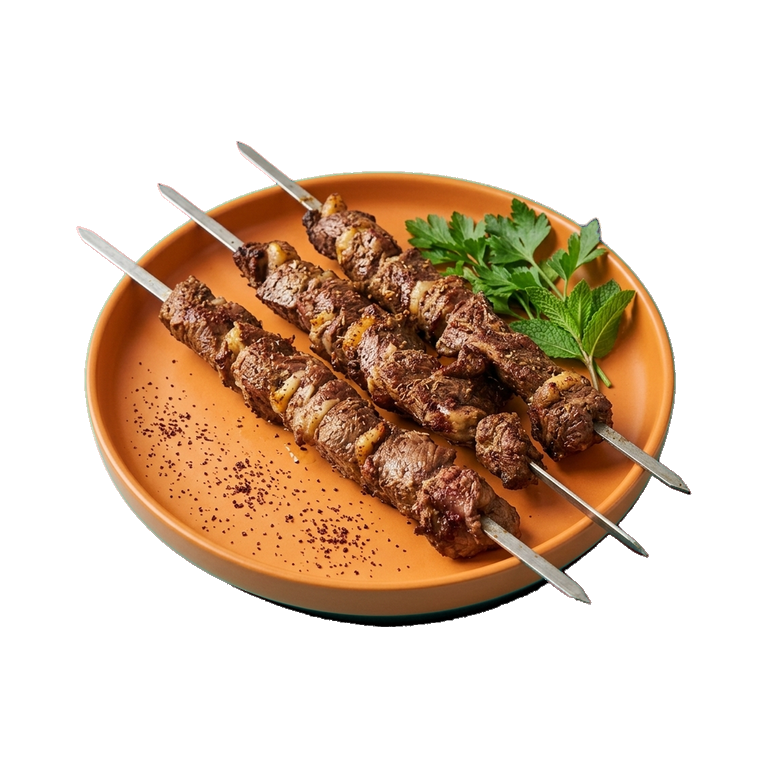
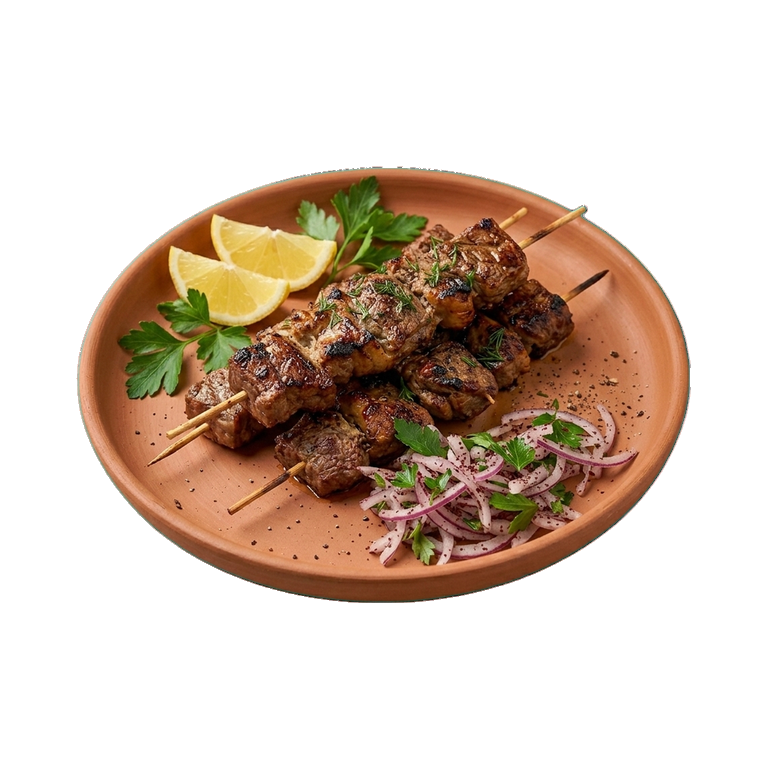
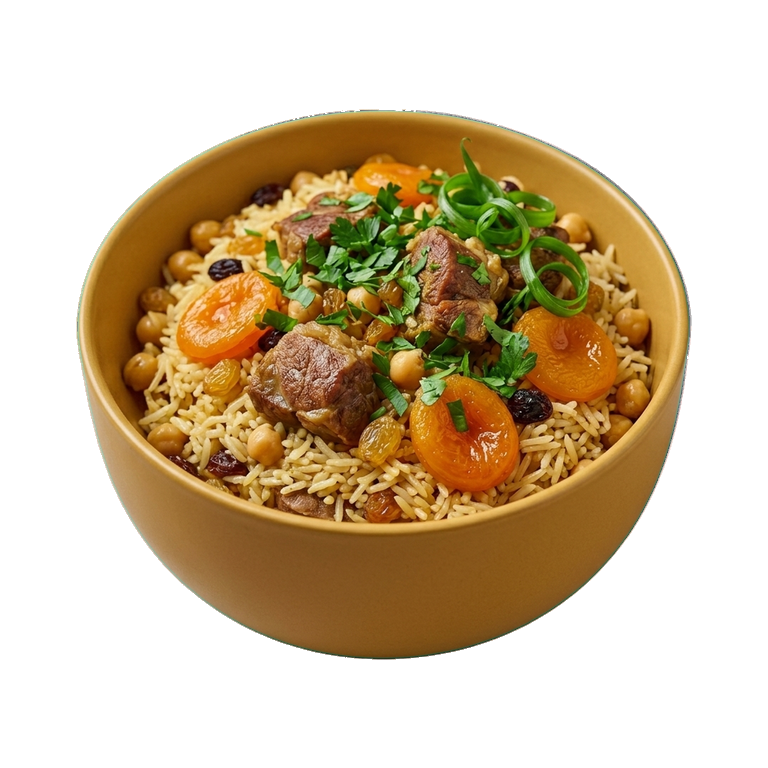
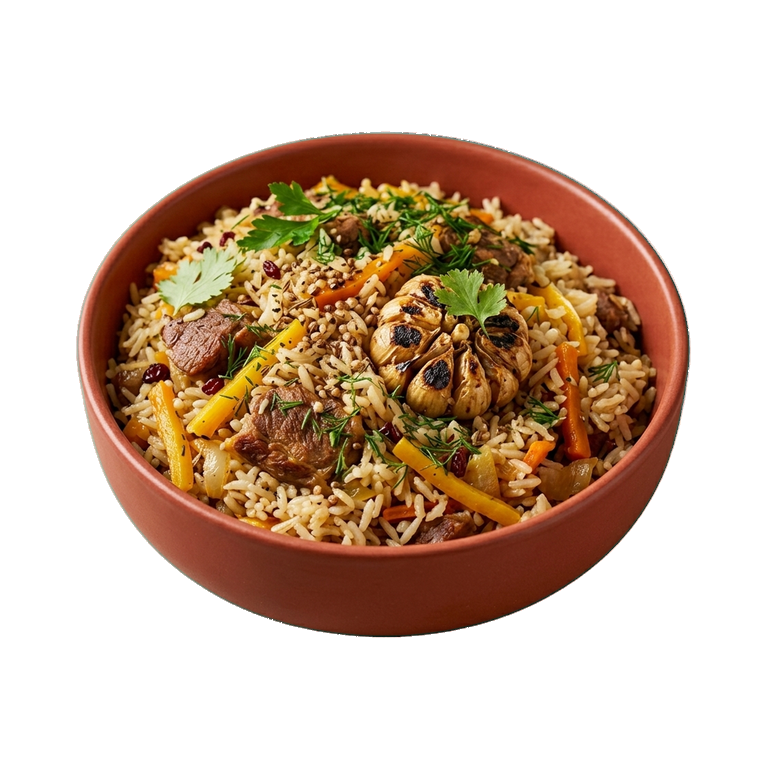
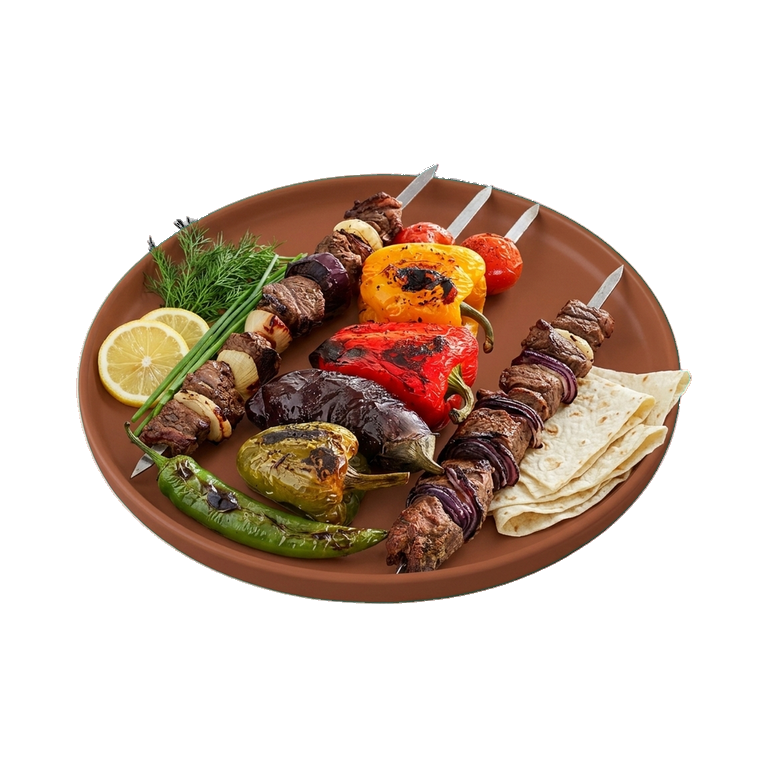
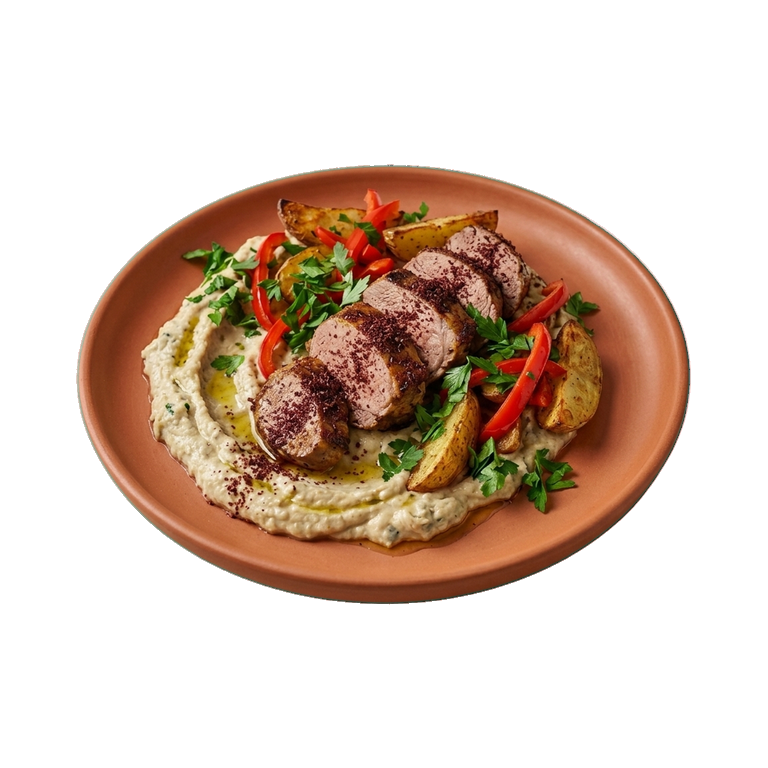
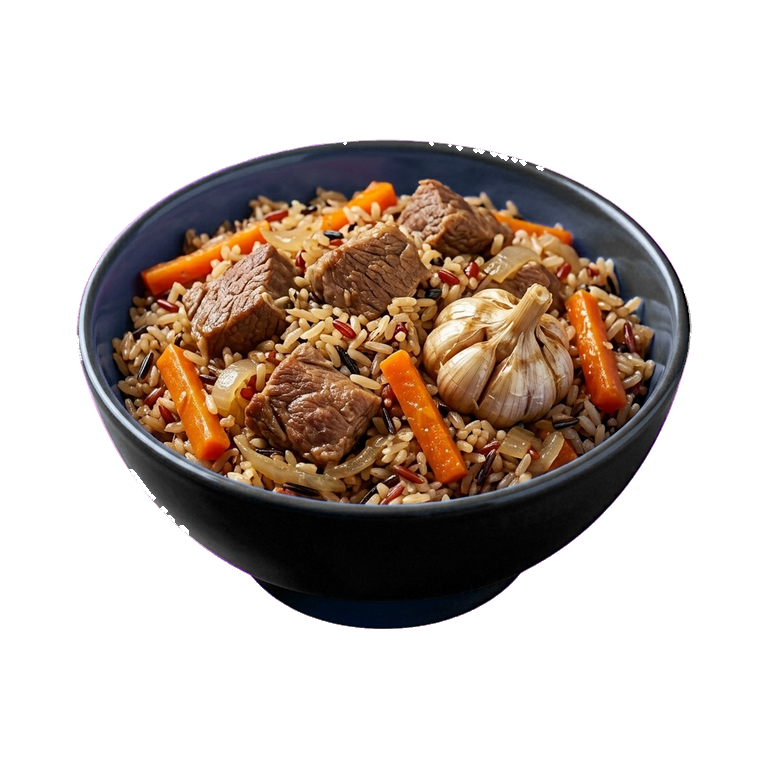
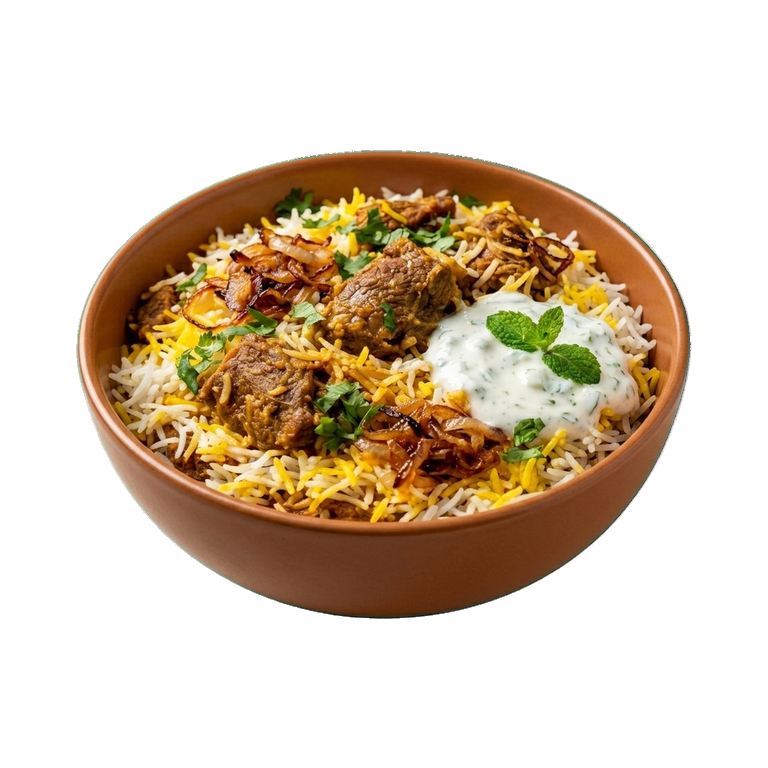
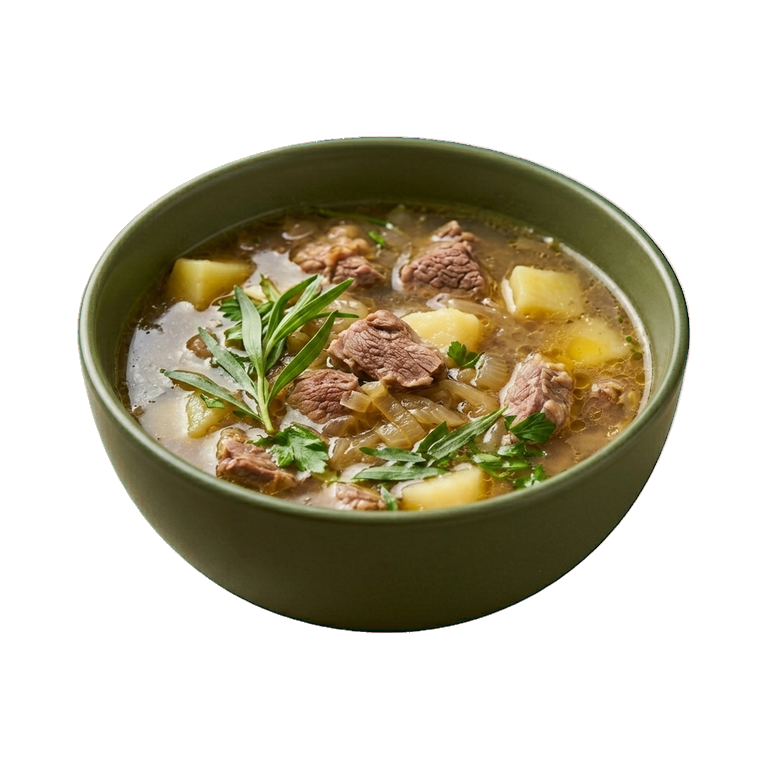
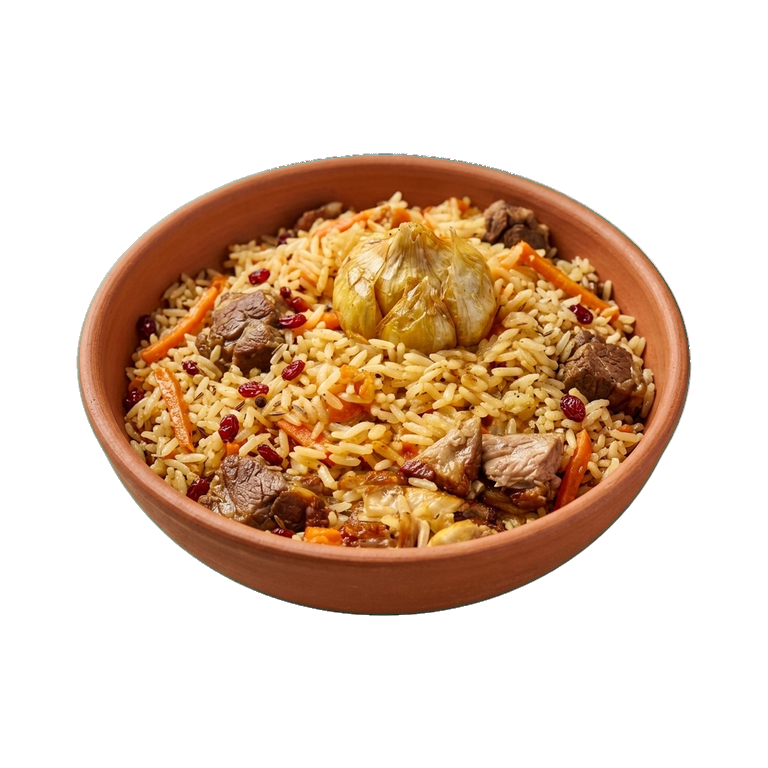
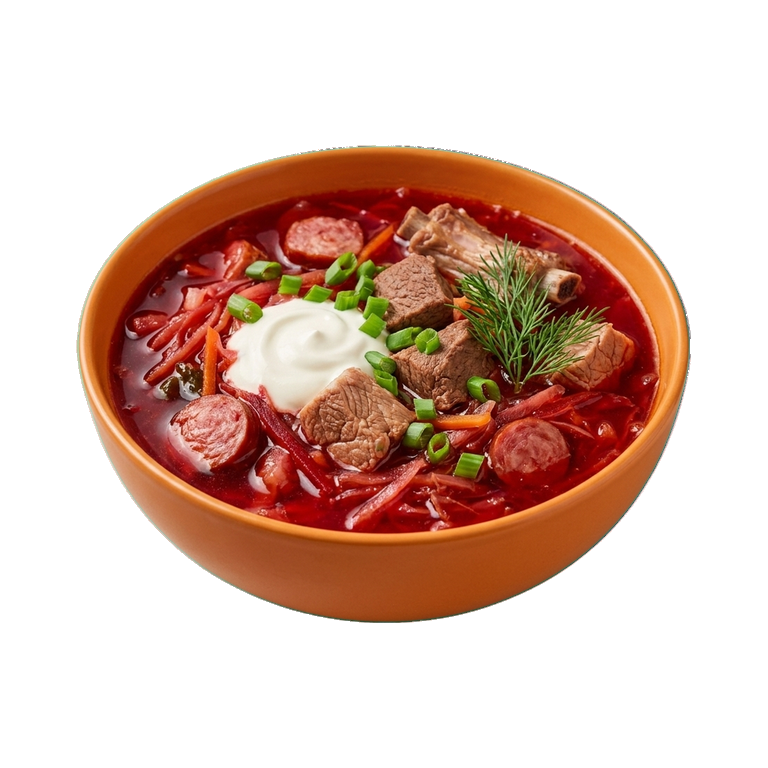
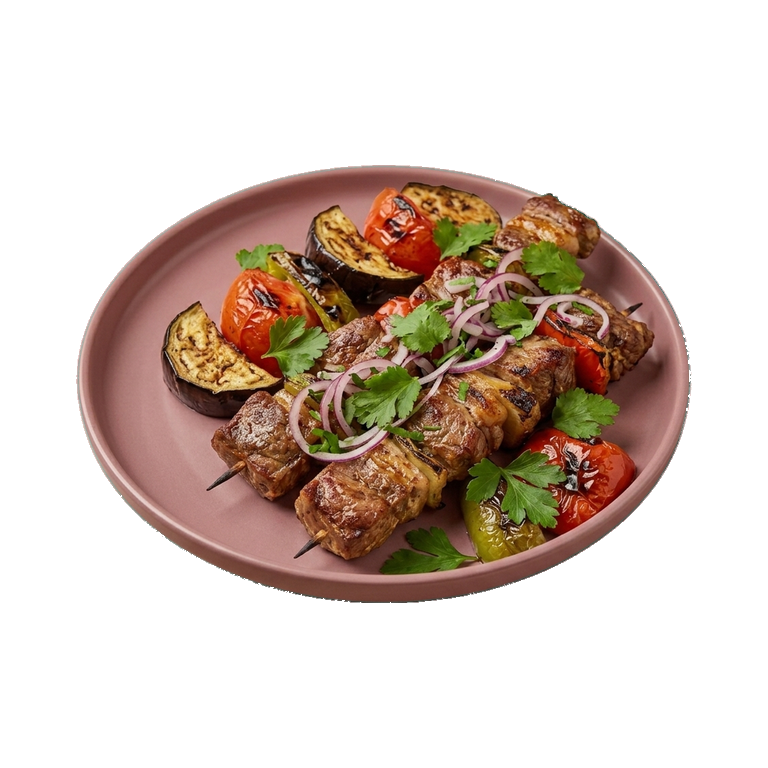
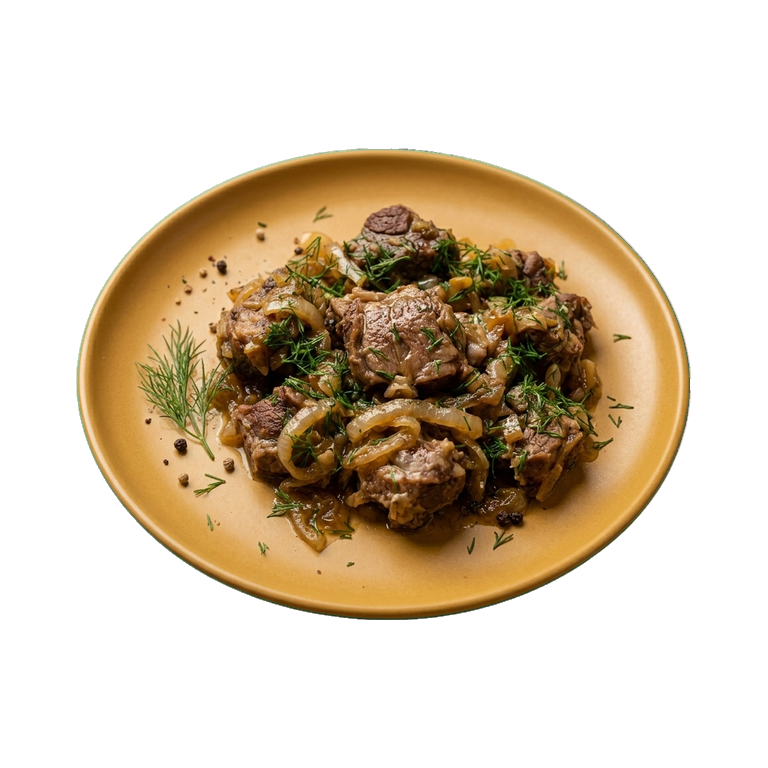
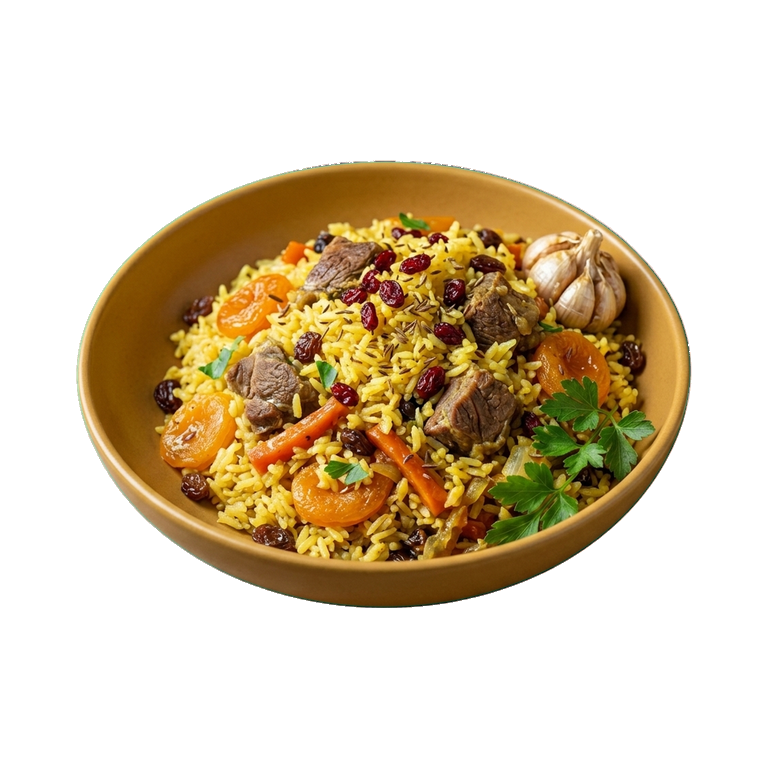
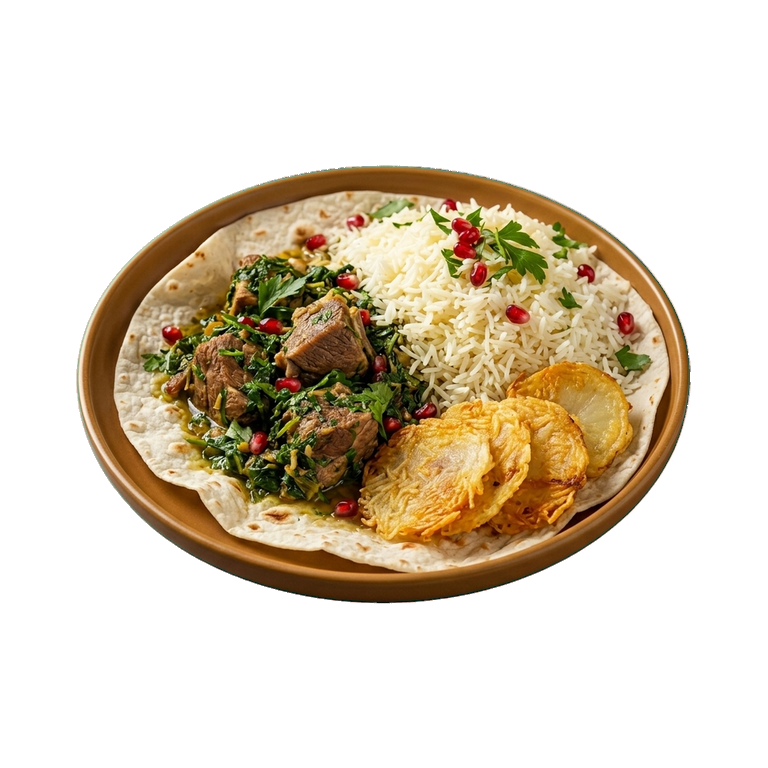
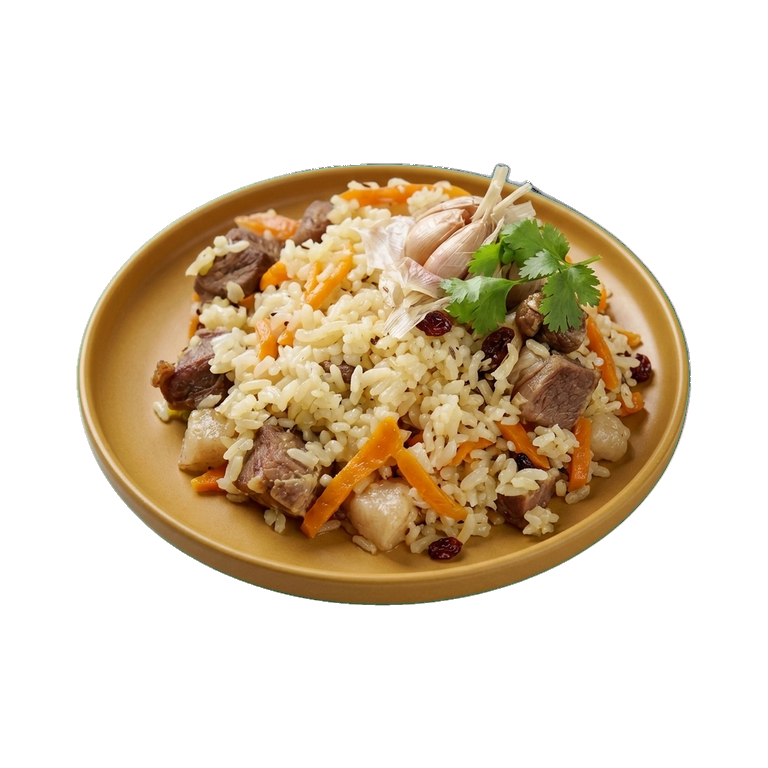
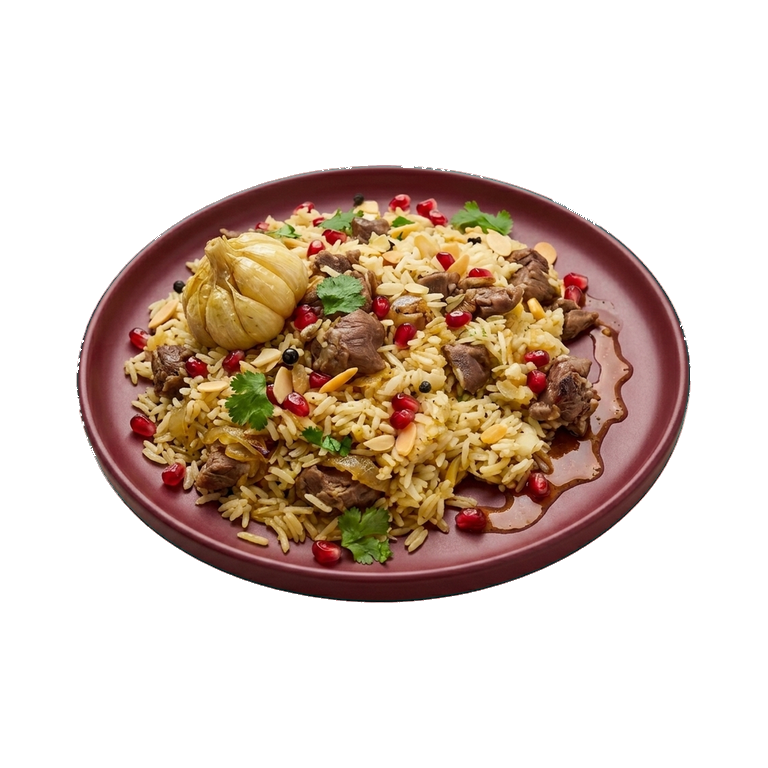
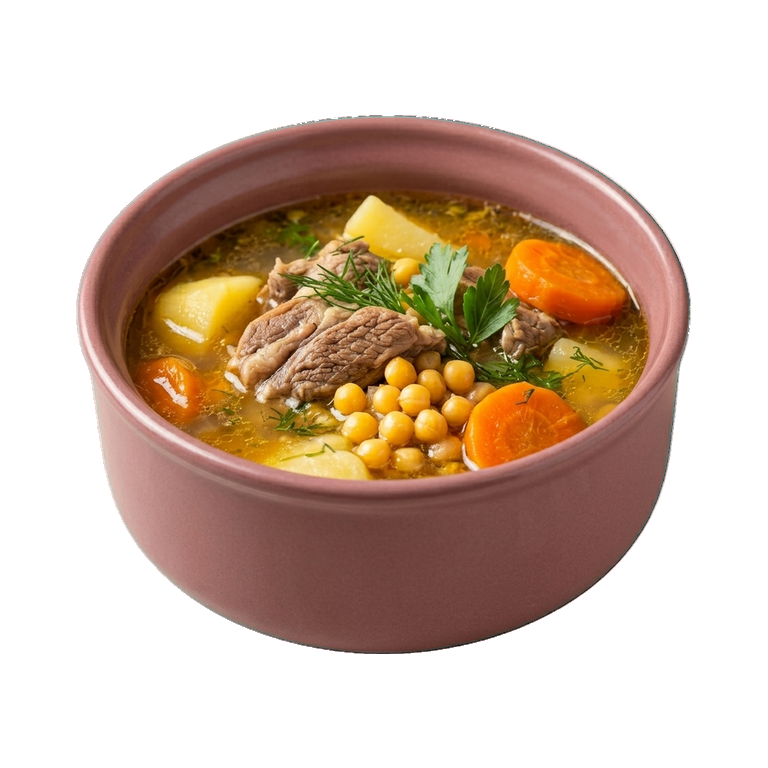
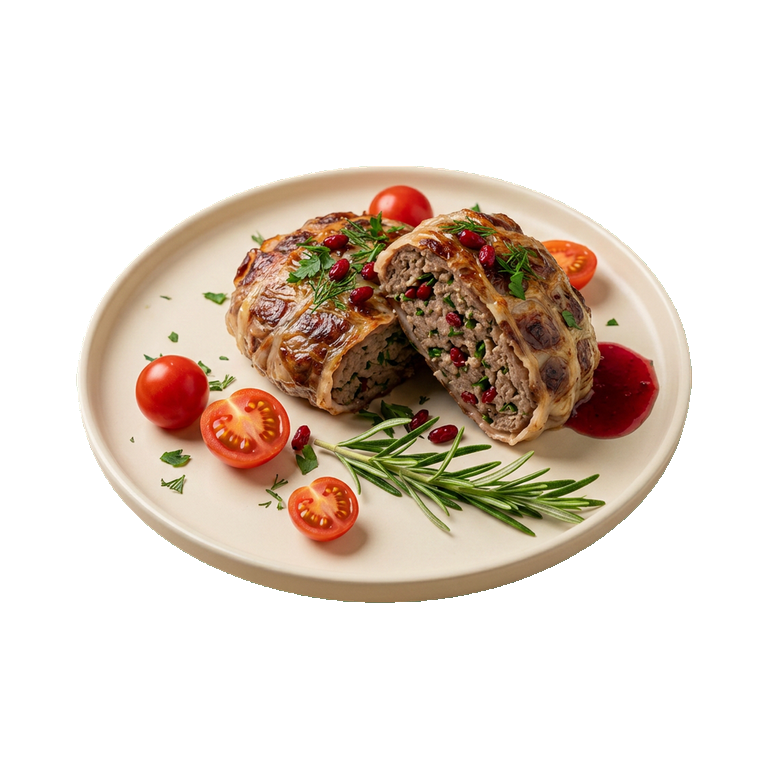
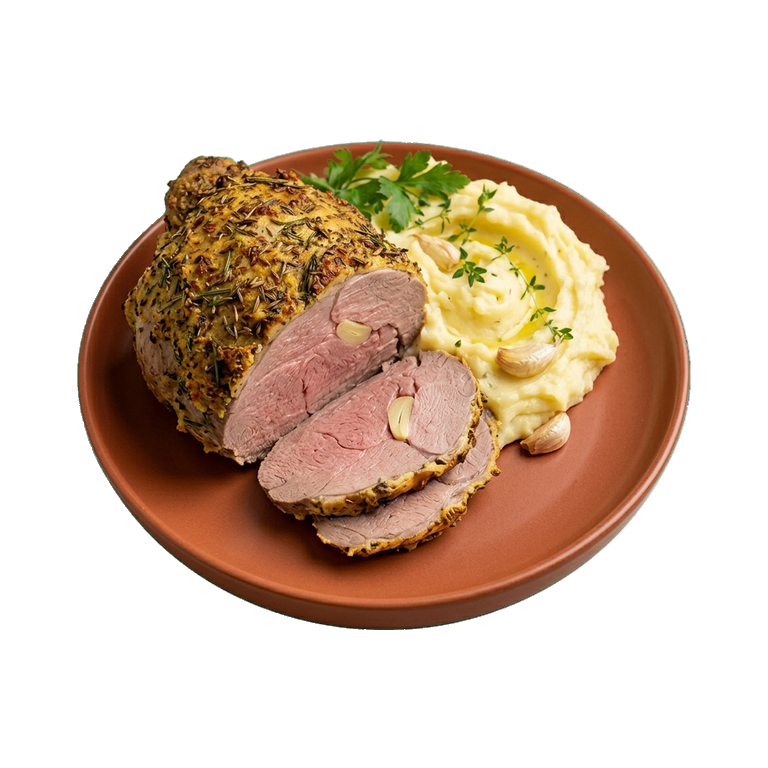
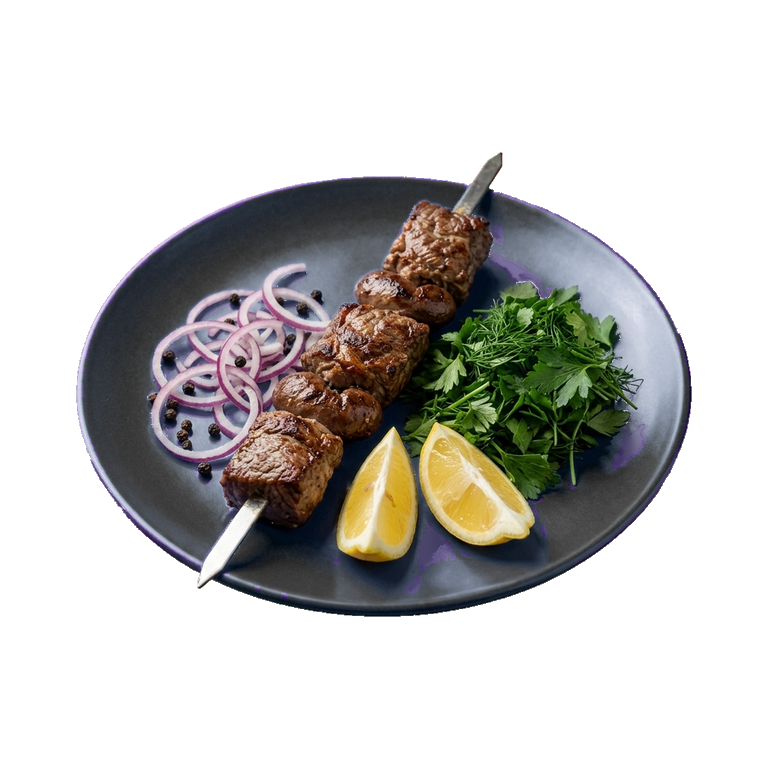
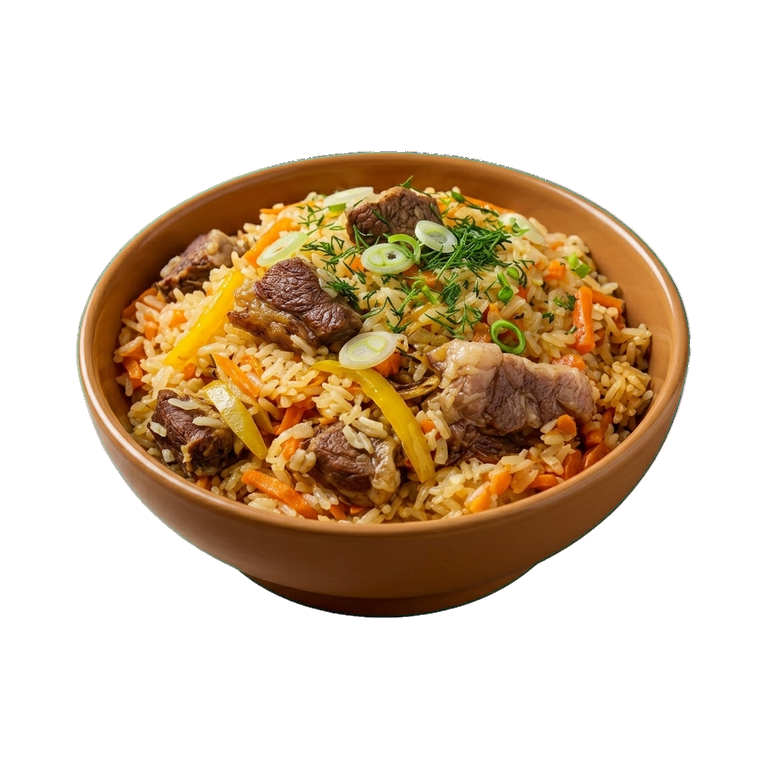
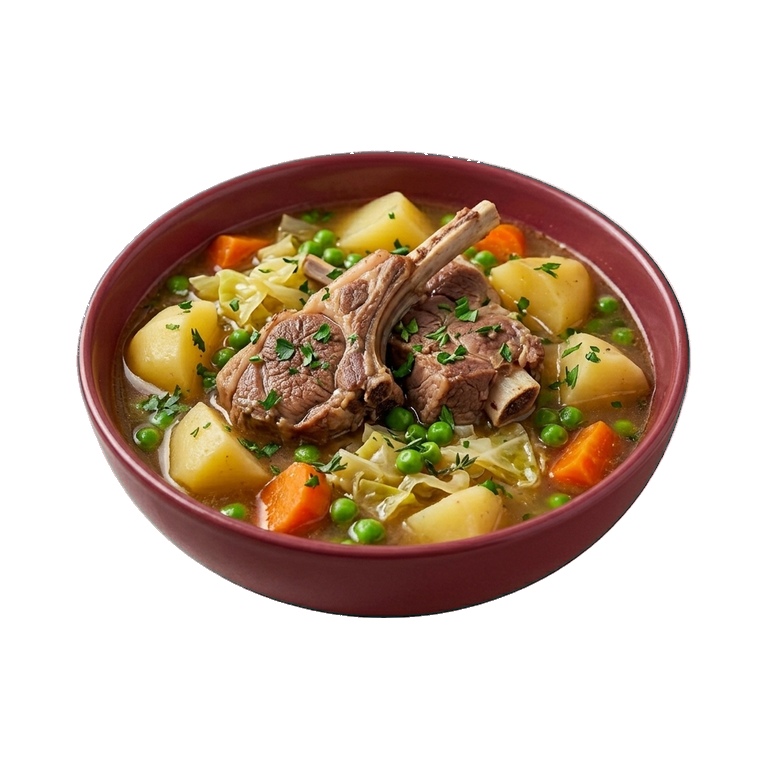
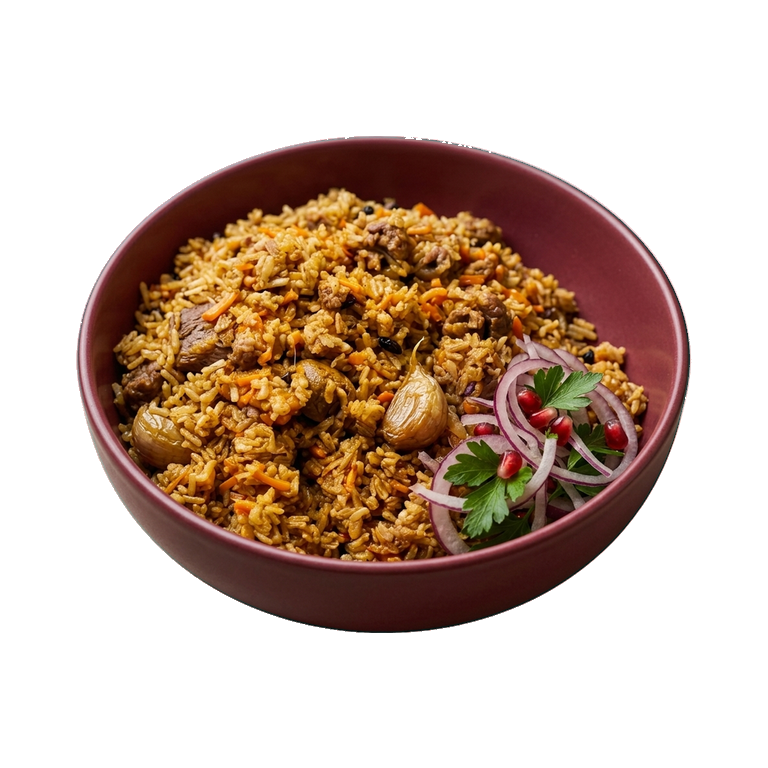
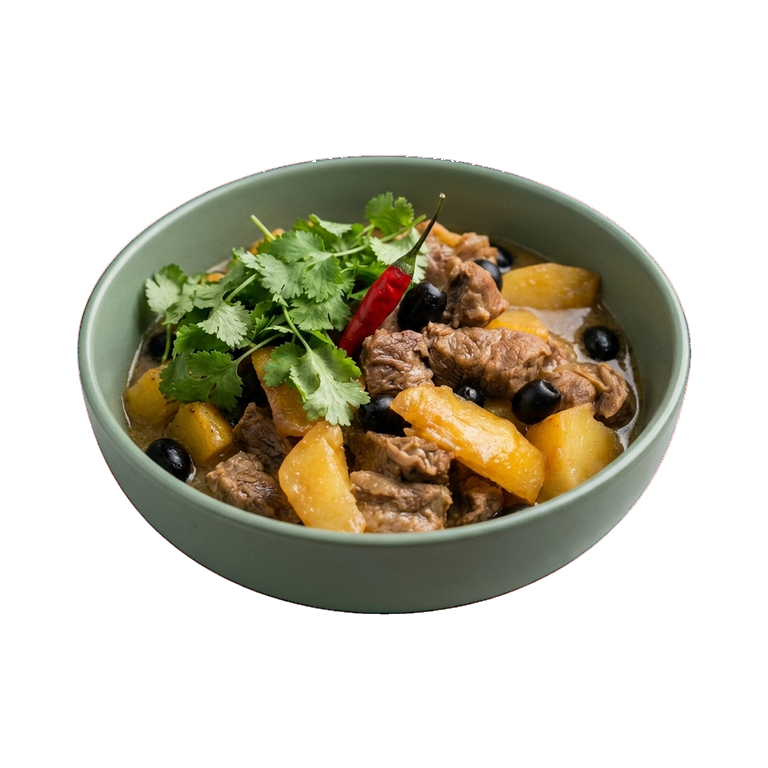
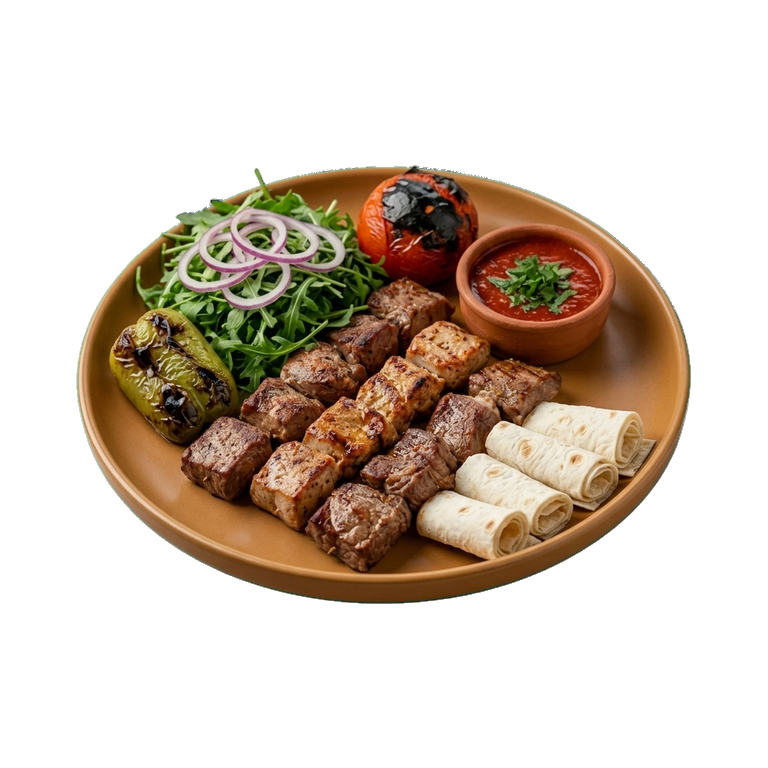
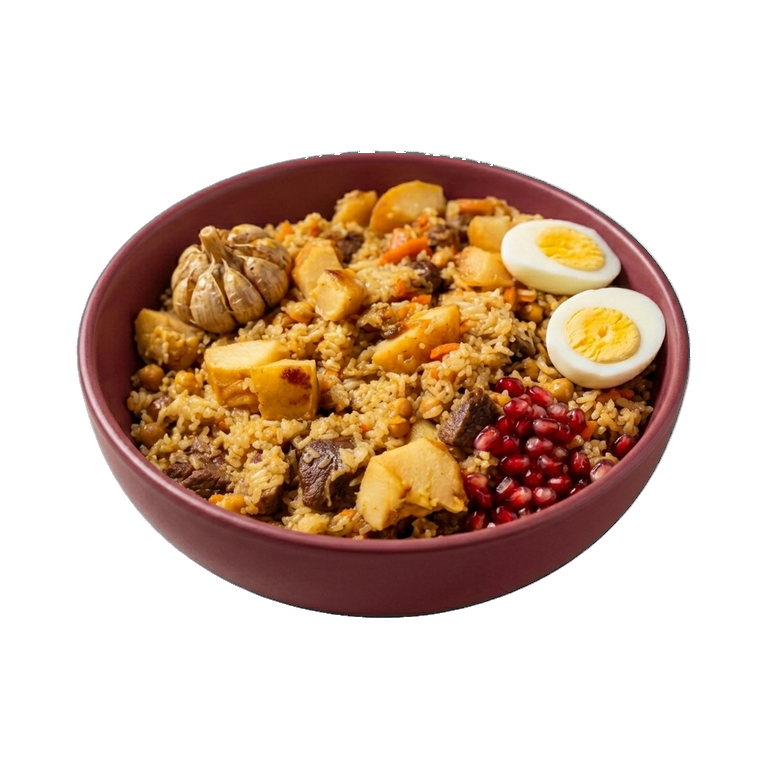
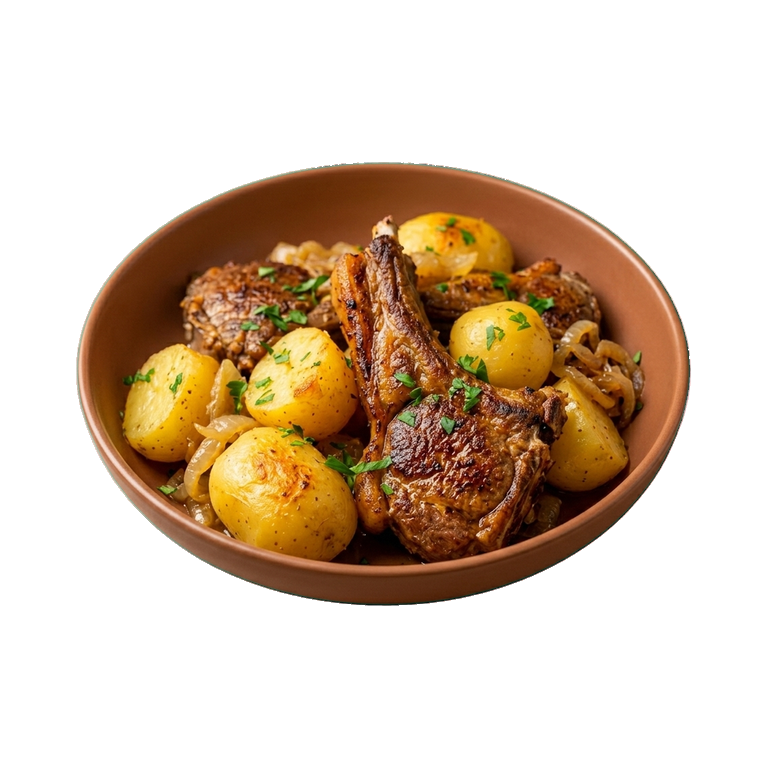
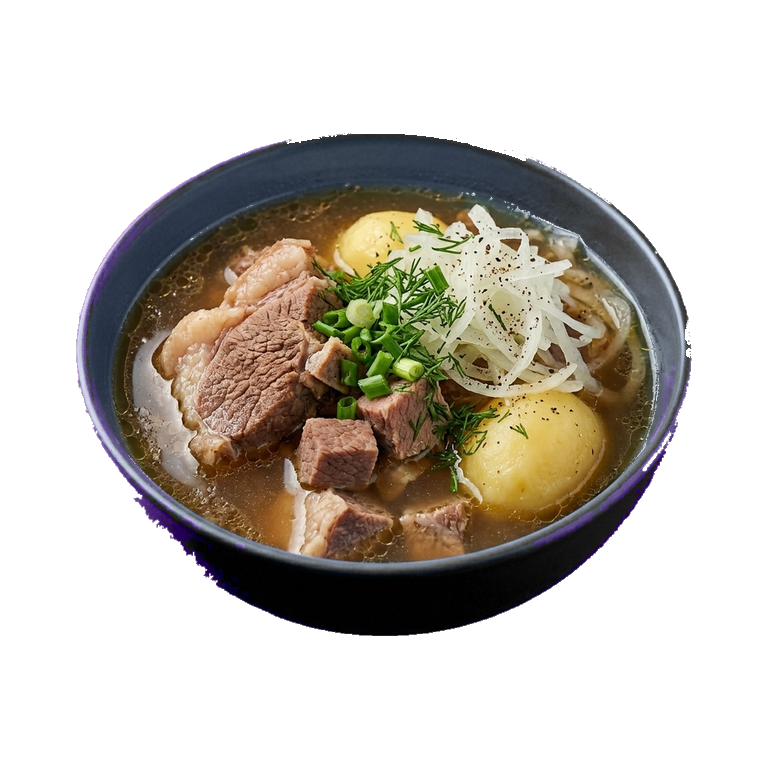
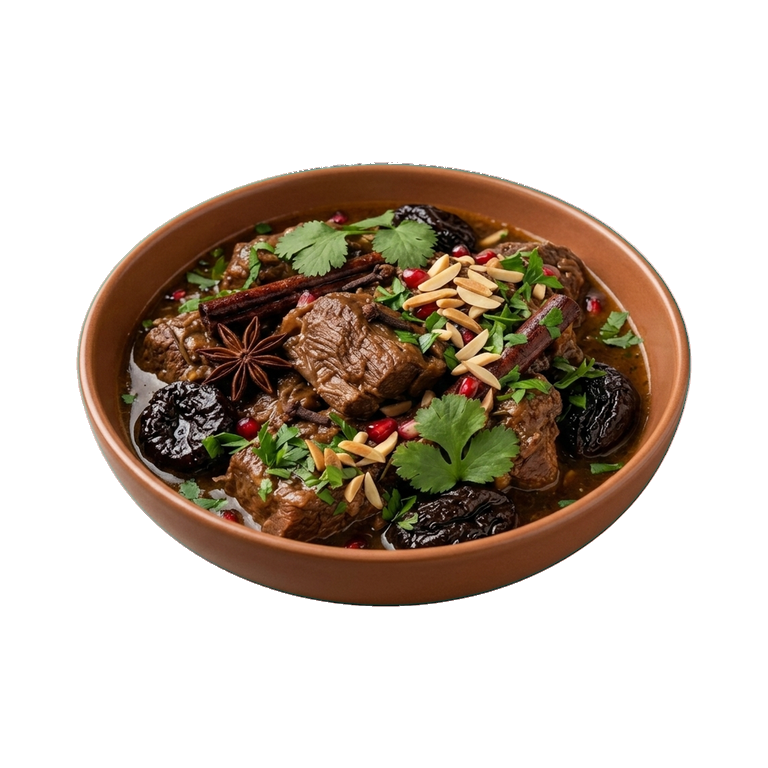
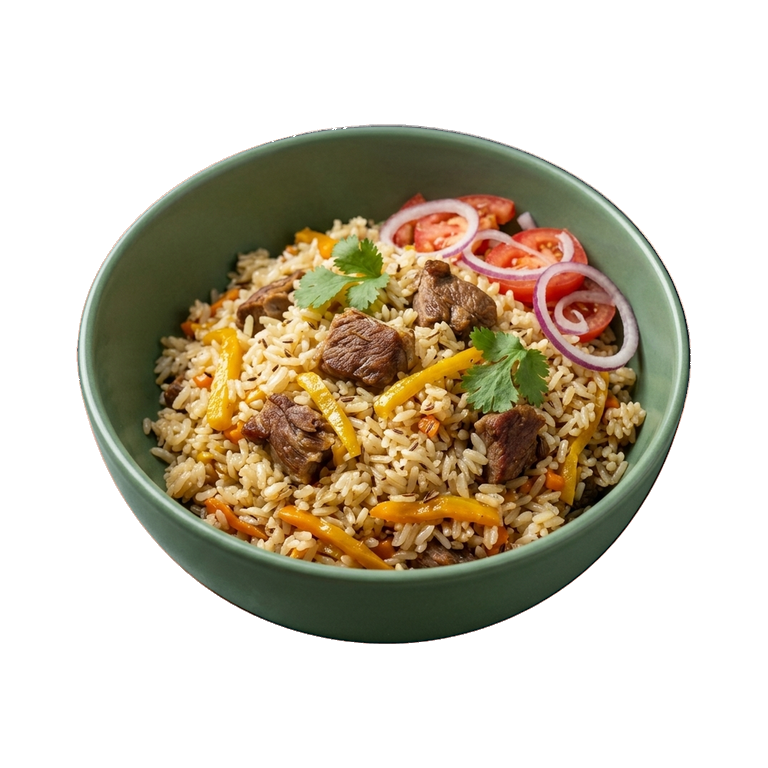
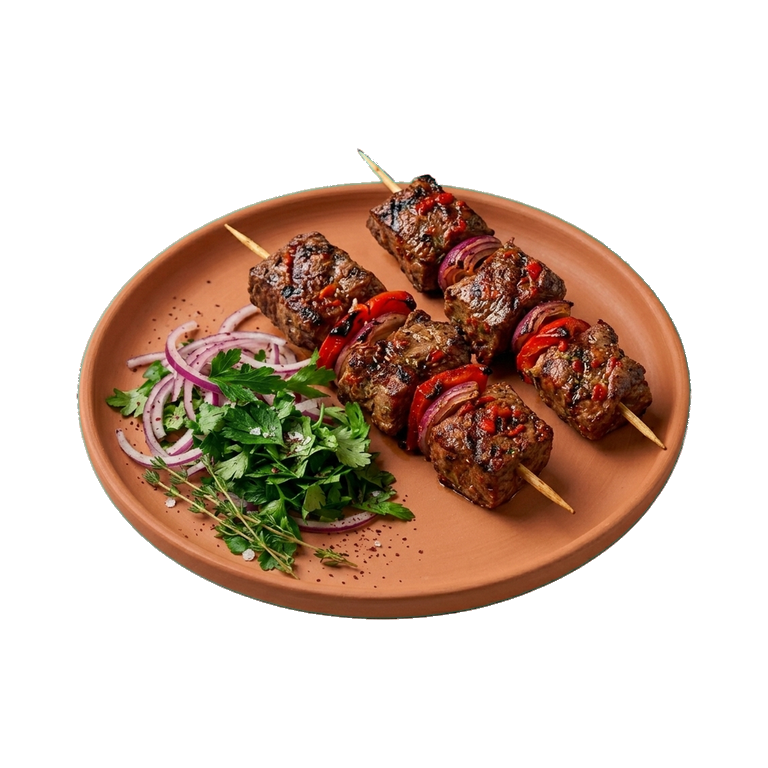
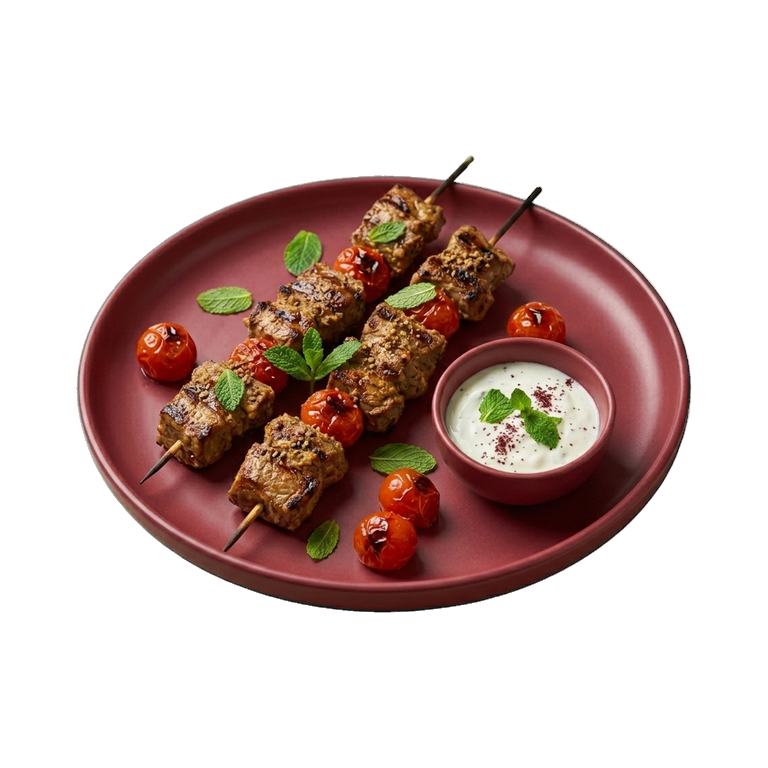
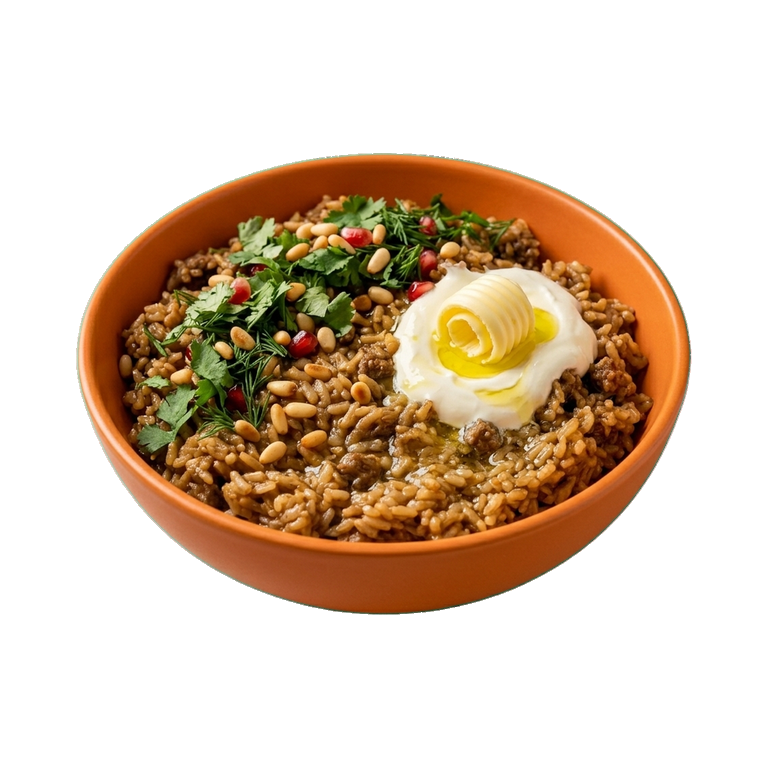
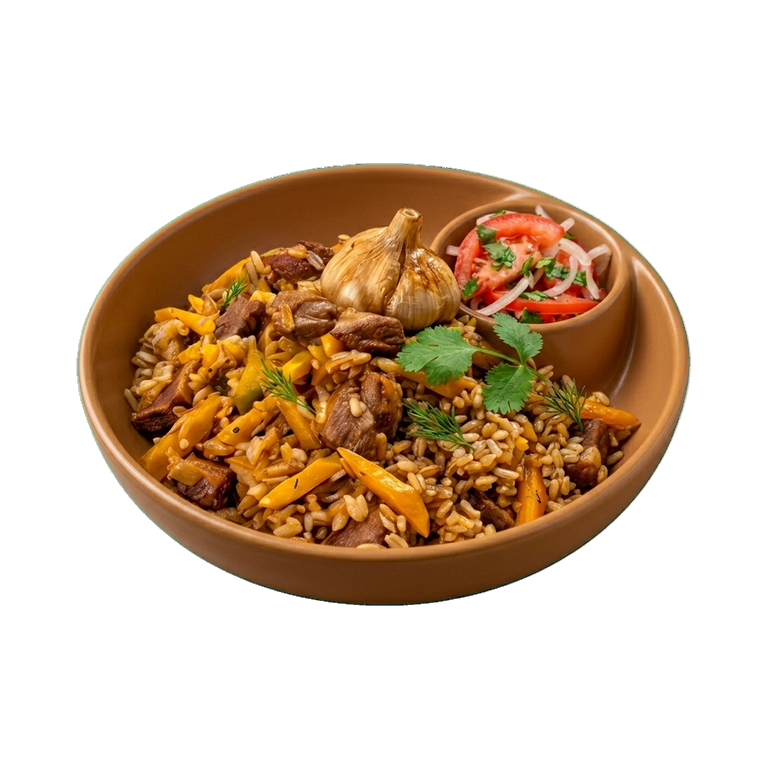
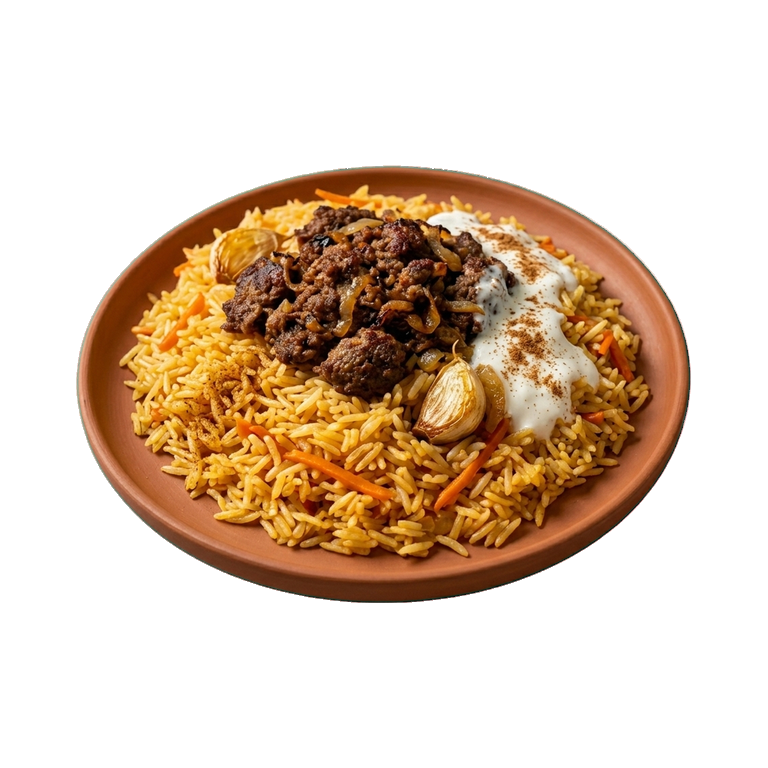
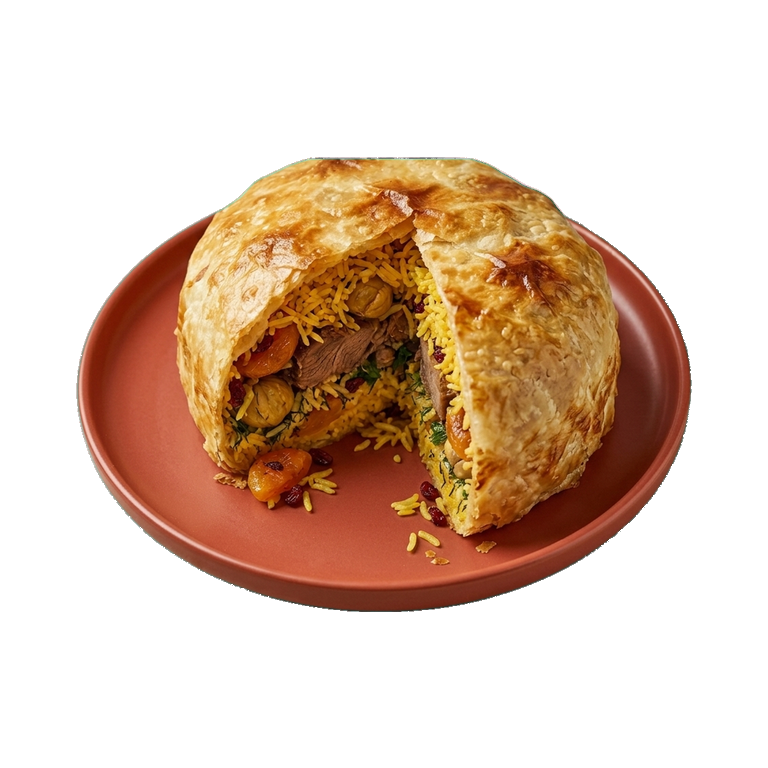
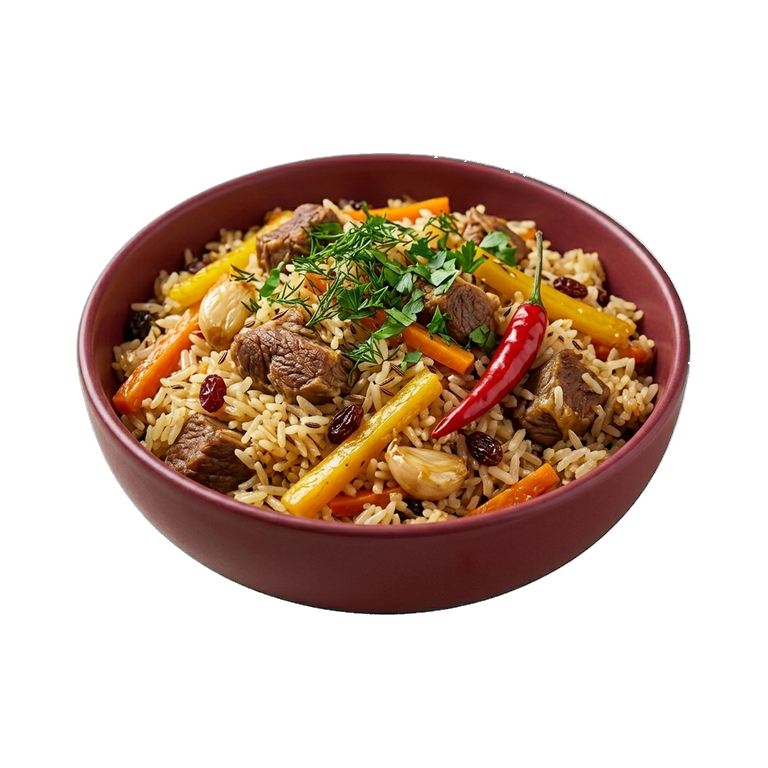
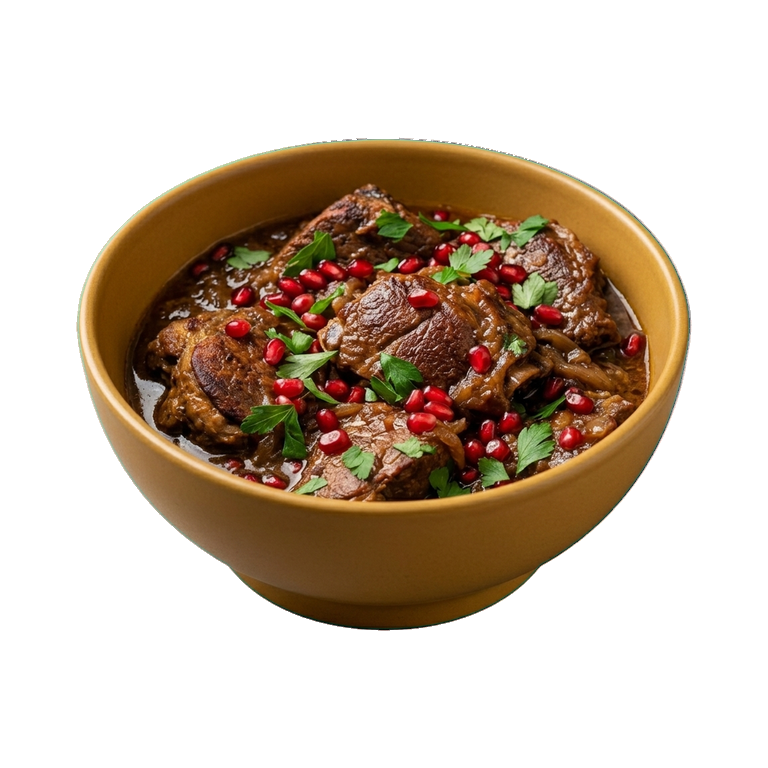
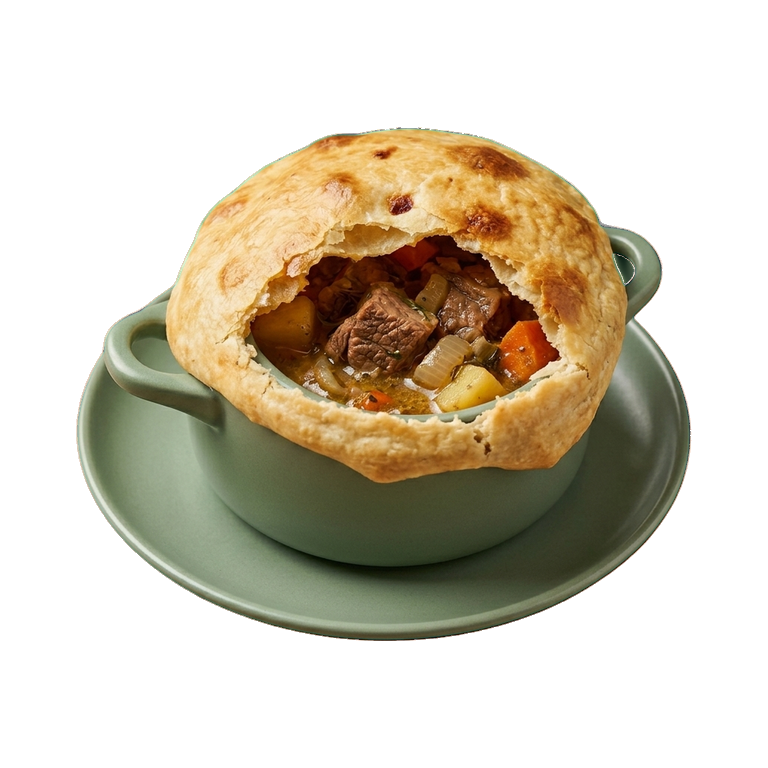
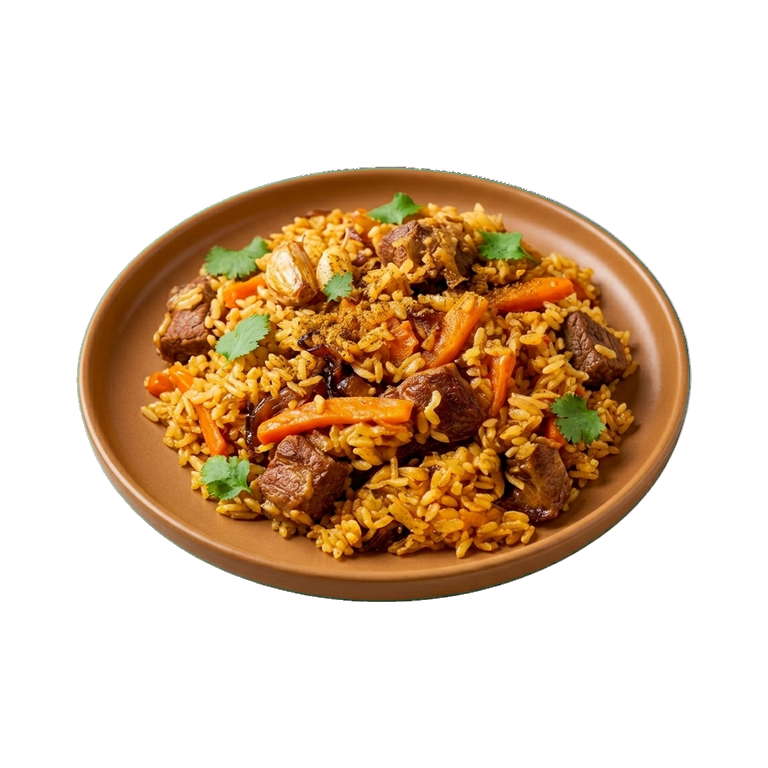
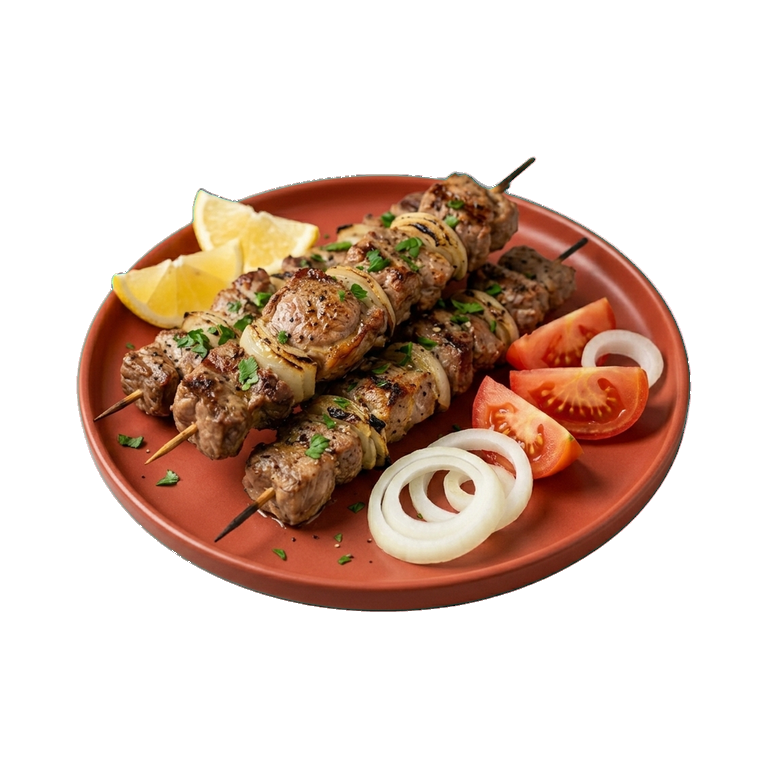
Lamb is versatile, but it requires boldness. It excels in slow braises, where prolonged heat softens the fibers and allows spices to penetrate deeply. Shashlik, pilaf, stew, soups — in these dishes lamb truly shines. Grilling or roasting in the oven also yields excellent results, especially if you marinate the meat beforehand.
What goes well with
- Sharp spices: cumin, coriander, black pepper, paprika. They balance the richness of the meat.
- Acidic components: lemon, pomegranate, vinegar, yogurt. Marinades with them soften the meat and make it easier to digest.
- Aromatic herbs: rosemary, thyme, oregano, mint. They mask the specific smell and add freshness.
- Garlic and onion. A classic combination that always works.
- Vegetables: eggplants, tomatoes, carrots, chickpeas. They absorb the meat juices and become more aromatic.
Selection and Storage
Look for meat with a bright red or pink color — this is a sign of freshness. The fat should be white or creamy, not yellow. Young lamb is denoted by the word "lamb" and is more expensive, but has a more tender flavor. If you're put off by the smell, ask for meat from a trusted supplier: often the problem is improper storage or handling, not the product itself.
- In the refrigerator: 3–4 days in an airtight container on the lower shelf.
- In the freezer: up to 8 months. Thaw in the refrigerator, not at room temperature.
- Before cooking: let the meat sit at room temperature for 30–40 minutes for even cooking.
Cooking Tip
Don't be afraid to use a generous hand with spices and herbs. Lamb loves contrasting flavors: spicy, sour, aromatic. Marinate the meat for at least an hour, preferably overnight. When frying, don't flip it often — let it form a golden crust. And remember: it's better to undercook lamb than to dry it out.
Nutrition
per 100 g
- Calories
- 203 kcal
- Protein
- 23.3 g
- Fat
- 11.5 g
- Carbs
- 0 g
Measures and weight
- 1 pcs
- 500 g
Measure calculator
- Weight
- 100 g
- Calories
- 203 kcal