Usuba
Usuba
Spinach leaves
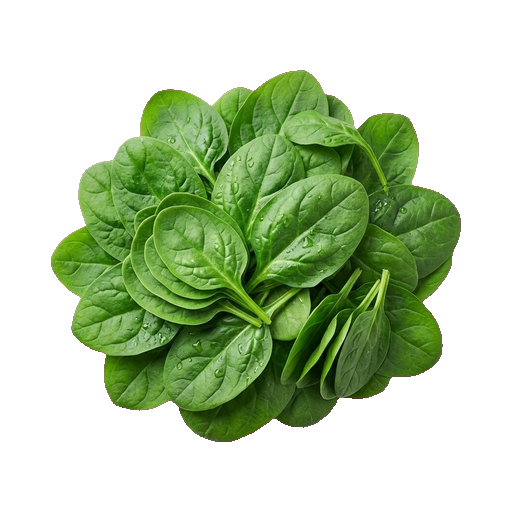
Tender spinach leaves have a mild, slightly sweet flavor with a subtle herbaceous bitterness that becomes more pronounced in mature leaves. They are perfectly suited for raw salads, smoothies, soups, and side dishes — when cooked, the leaves significantly reduce in volume, so they can be used generously. When selecting, prefer young leaves with vibrant color without spots or wilting; frozen spinach retains its nutritional properties well and is convenient for cooking.
About
Spinach is one of those green leaves that works everywhere: in salads, soups, smoothies, and even in baking. Its delicate texture and mild, slightly herbal flavor don't overpower other ingredients but complement them. Fresh spinach requires practically no pre-processing — just rinse it and you can use it.
Taste and aroma
Young spinach is almost neutral, with barely perceptible sweetness and herbaceous notes. More mature leaves become denser and acquire a slight bitterness, which becomes especially pronounced if the leaves have been stored for a long time. This is why fresh spinach is best used raw, while wilted or frozen spinach should be added to hot dishes, where the bitterness is less noticeable.
How to cook and what to pair with
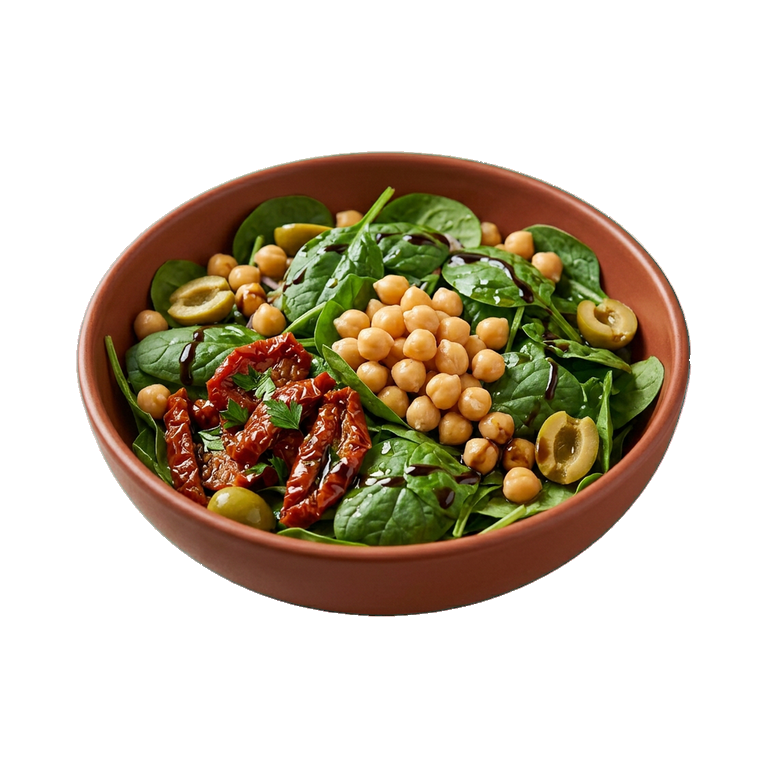
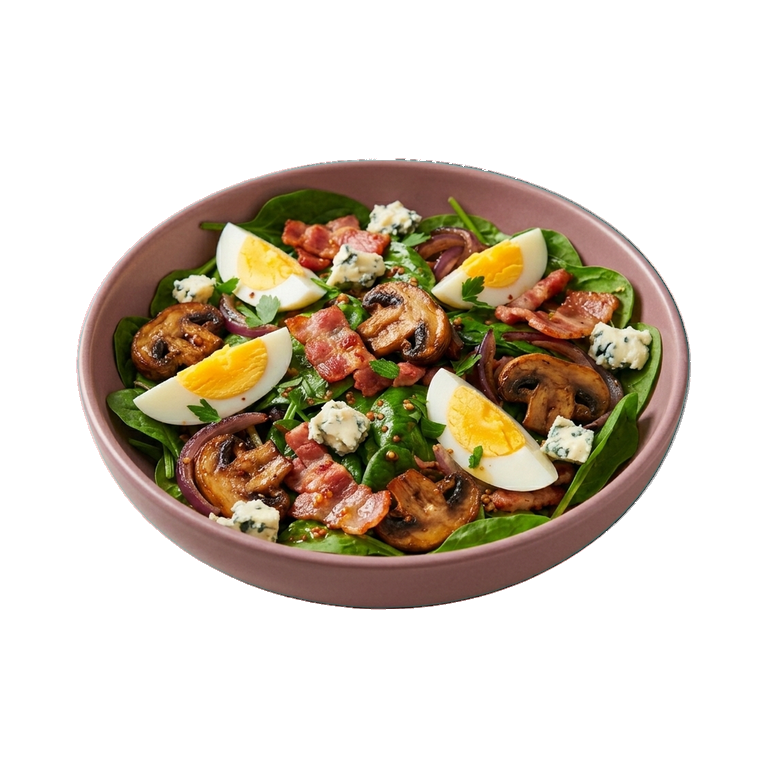
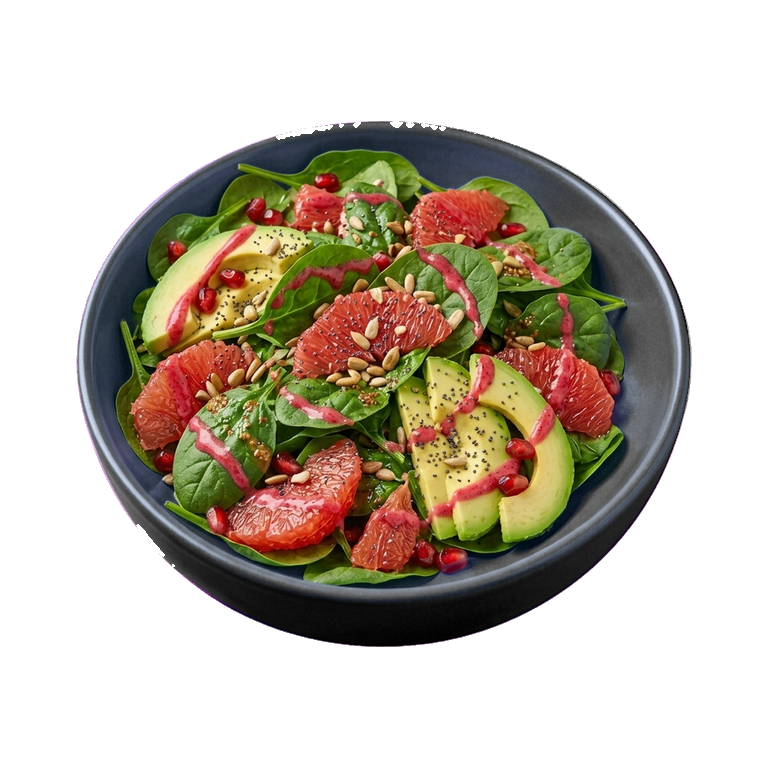
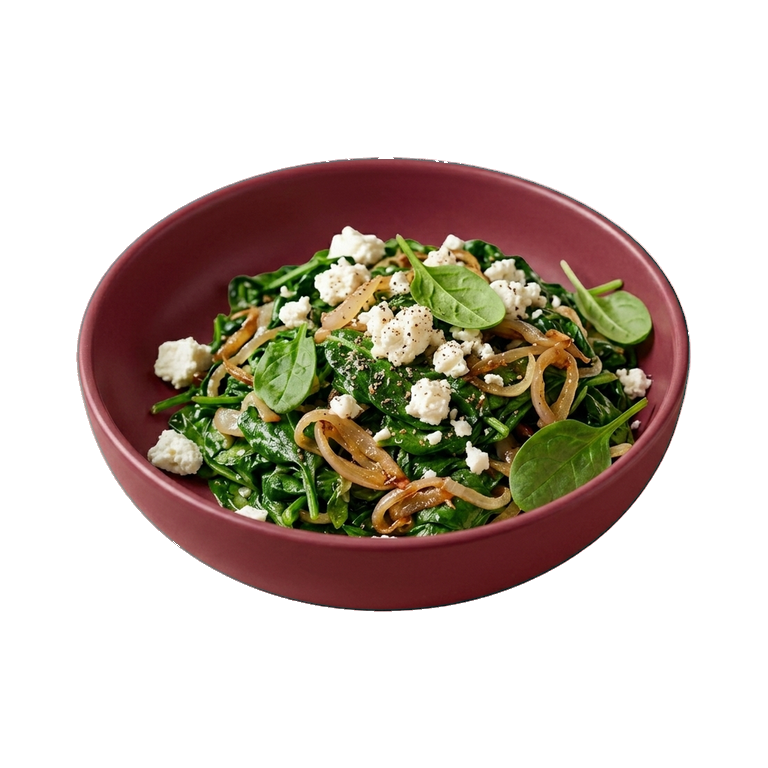
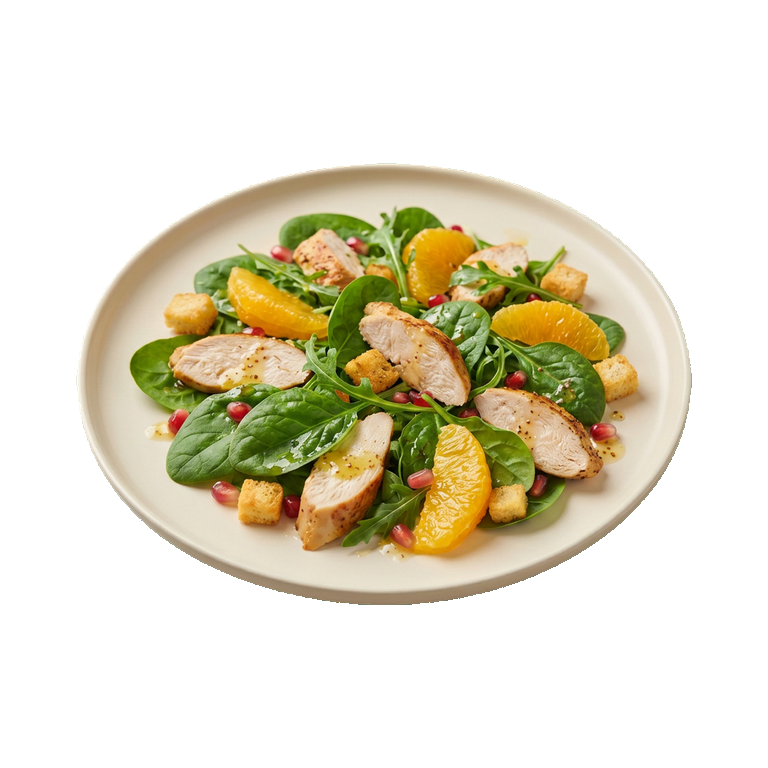
In salads, spinach shines when paired with acidic dressings: lemon juice, vinegar, or yogurt perfectly complement its flavor. If adding to a hot dish, add it at the very end of cooking so the leaves don't fall apart into mush. Spinach pairs well with cheese (especially ricotta and feta), eggs, garlic, and nuts.
- In smoothies and cocktails — masks greens with the sweetness of fruits or berries
- In pasta and risotto — add a minute before serving
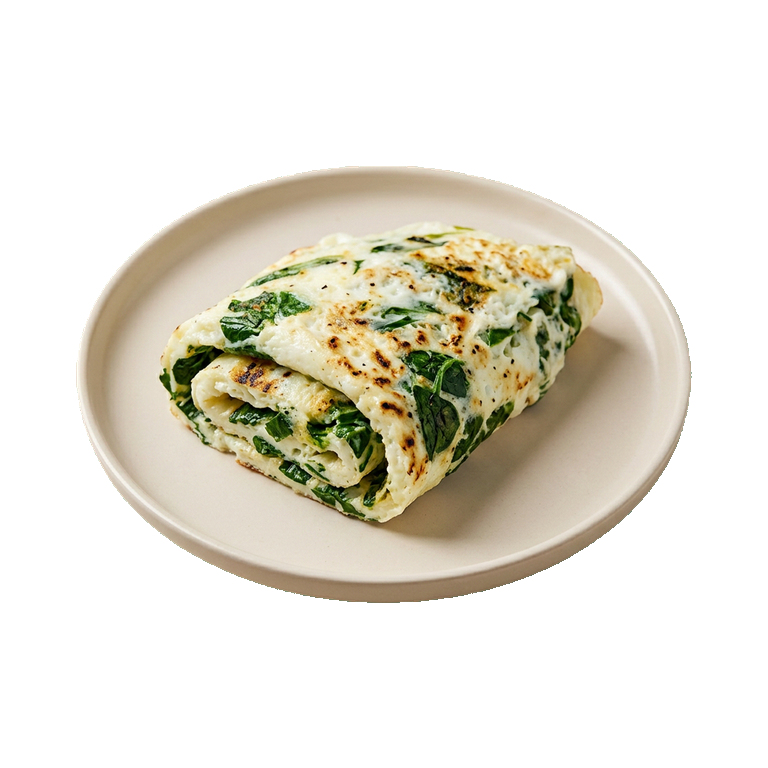
- In omelets and casseroles — mixed with eggs or layered
- In puree soups — gives a delicate consistency and green color
Selection and Storage
Look for bright green leaves without spots or slime. Young spinach with tender leaves is ideal for raw use, mature spinach is better for cooking. Fresh spinach keeps in the refrigerator for a maximum of 3–4 days in an airtight container or bag with a paper towel that will absorb excess moisture. Frozen spinach will last for months and is just as good as fresh in dishes where texture is not critical.
- Do not wash before storage — moisture will accelerate spoilage
- Store separately from tomatoes and bananas — they release ethylene
- Frozen spinach is most convenient to store in portions as ice cubes
Nutrition
per 100 g
- Calories
- 23 kcal
- Protein
- 2.9 g
- Fat
- 0.3 g
- Carbs
- 3.6 g
Measures and weight
- 1 tbsp
- 3 g
- 1 tsp
- 1 g
- 1 cup
- 50 g
- 1 pcs
- 3 g
- 1 bunch
- 100 g
Measure calculator
- Weight
- 100 g
- Calories
- 23 kcal