Usuba
Usuba
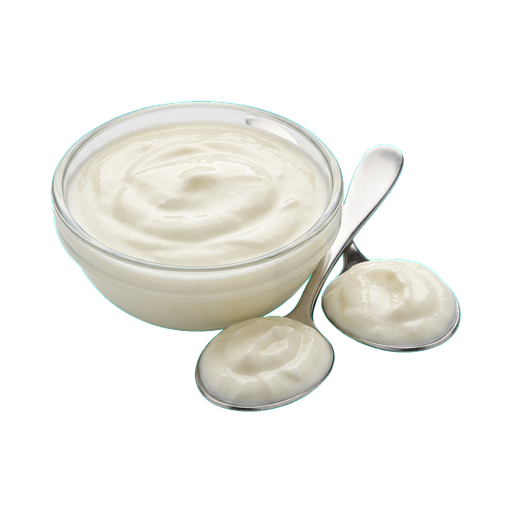
Fat-free yogurt
Low-fat yogurt is a fermented dairy product with minimal fat content, obtained by removing cream from milk before fermentation. It has a thinner consistency and a less rich flavor compared to full-fat yogurt, but retains the characteristic tangy taste of fermented milk. In cooking, it is used in diet dishes, sauces, marinades, and baking; however, it may separate when heated, so it is better to add it at the end of cooking or use it in cold dishes.
About
Low-fat yogurt is a fermented dairy product from which almost all fat has been removed, but live bacteria and milk protein have been preserved. In the kitchen, it works as a universal helper: suitable for breakfasts, baking, sauces, and even main dishes. The main difference from full-fat yogurt is its lighter texture and a slightly more pronounced tanginess.
Taste and texture
Without fat, yogurt becomes more liquid and less creamy in taste. The lactic acidity sounds brighter, which can be both an advantage and a disadvantage — it all depends on the dish. Manufacturers often add thickeners and stabilizers to restore yogurt's density, so it's worth checking the ingredients.
Where to use
- Breakfasts and snacks: with muesli, berries, honey or nuts
- Baking: in muffins, cupcakes and pancakes instead of sour cream or butter — you'll get a lighter result
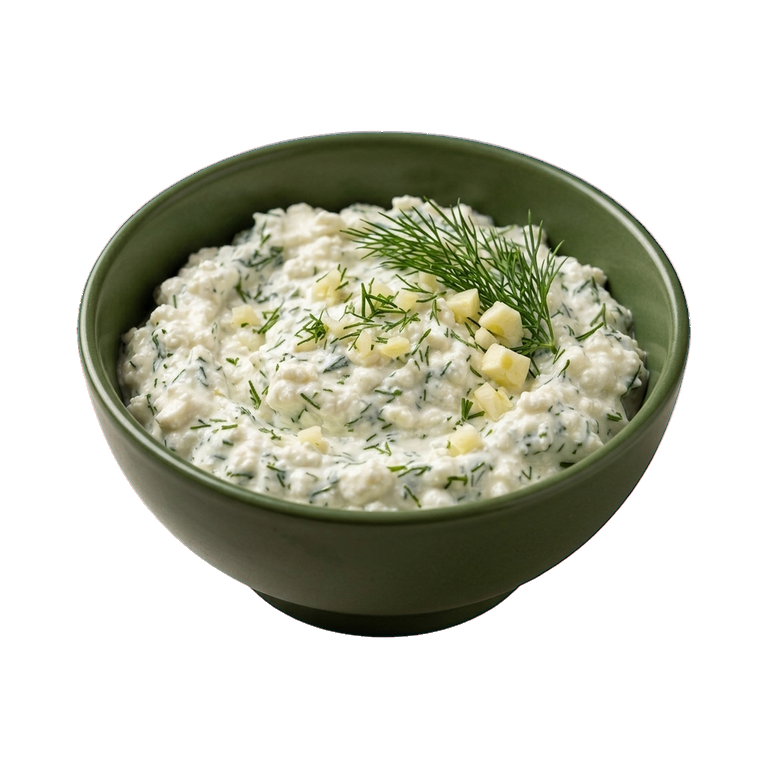
- Sauces and dressings: a base for light dips, marinades and salad dressings
- Smoothies: a great base for drinks with fruits and vegetables
- Sour cream substitute: in soups, borscht and casseroles, if you want to reduce the fat content of a dish
Cooking Tips
Remember that fat-free yogurt is more sensitive to heat — it's easier to curdle. If you add it to a hot dish, introduce it at the end of cooking or mix it with a small amount of hot liquid before adding. For marinades and cold sauces, there are no such restrictions.
Selection and Storage
When purchasing, pay attention to the production date and ingredients. The fewer additives, the better. Live cultures (probiotics) are a plus for digestion. Yogurt should be stored in the refrigerator at a temperature of 2–6 degrees Celsius; it typically lasts 7–14 days depending on the type. After opening the package, use it within a few days.
Good Pairings
- With herbs and spices: dill, parsley, garlic, cumin, paprika
- With fruits: berries, apricots, peaches, bananas, apples
- With vegetables: cucumber, tomato, beet in cold soups and appetizers
- With nuts: almonds, walnuts, cashews for crunch and nutrition
- With honey and dried fruits: for natural sweetness without added sugar
Fat-free yogurt is a practical choice if you're watching your calorie intake or simply prefer lighter dishes. It won't replace full-fat yogurt in every recipe, but in the right context, it reveals its advantages: it helps you cook quickly and without extra calories, while maintaining taste and nutritional value.
Nutrition
per 100 ml
- Calories
- 57 kcal
- Protein
- 5 g
- Fat
- 0.1 g
- Carbs
- 8.8 g
Measures and weight
- 1 tbsp
- 15.5 g
- 1 tsp
- 5.2 g
- 1 cup
- 257.5 g
Measure calculator
- Weight
- 100 g
- Calories
- 55 kcal