Usuba
Usuba
Oatmeal
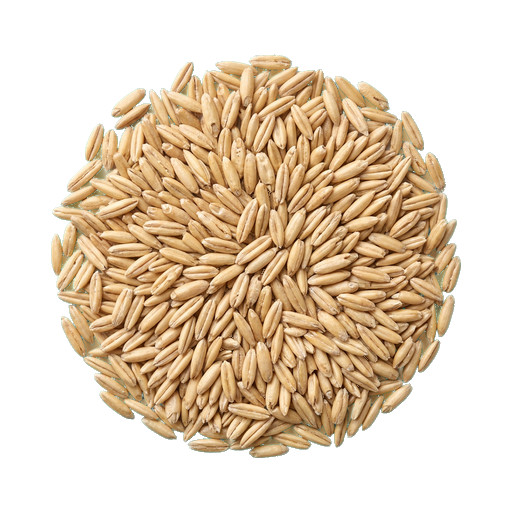
Oat groats are whole or crushed oat grains that cook faster than traditional oatmeal and have a denser texture. They are used for preparing crumbly porridges, added to soups, casseroles and meat fillings, and are also used in bread and pastry production. When choosing, pay attention to the uniformity of the groats without foreign impurities and make sure it hasn't compacted — this guarantees good results during cooking.
About
Oat groats are one of the most practical and rewarding ingredients in the kitchen. They are neither flour nor flakes, but oat grains cleaned of their husks and broken into pieces. This texture makes the groats versatile: they cook faster than whole grains, but retain the characteristic nutty flavor and the necessary structure in the finished dish.
Aroma and taste
Oat groats smell of grain and grass — soft and unobtrusive. To the taste, they are slightly sweet, with a nutty undertone that becomes more pronounced when roasted. It is not a sharp or harsh grain; rather, it serves as a neutral yet expressive base that absorbs sauces and spices without overpowering them.
Where and how to cook it
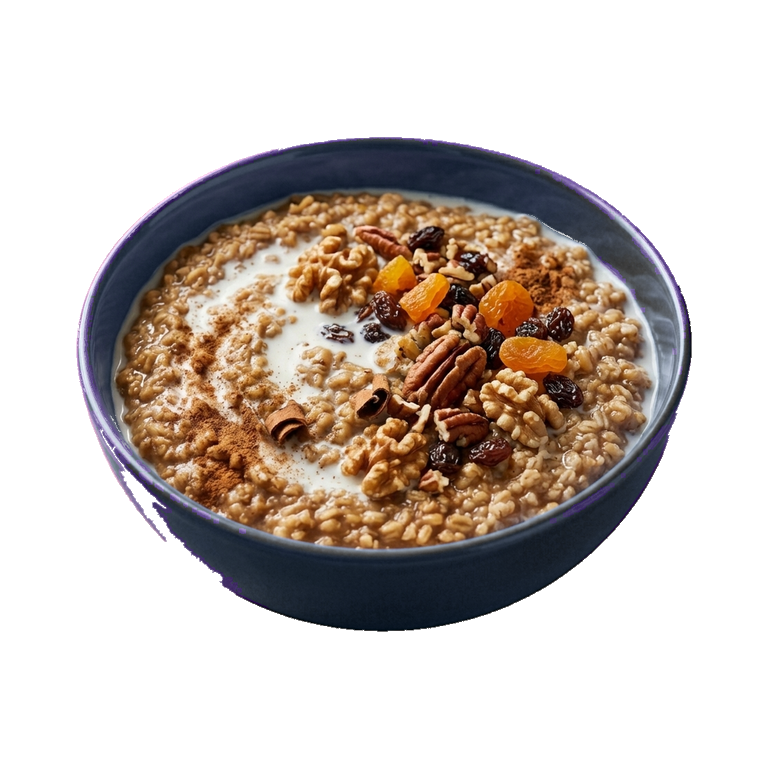
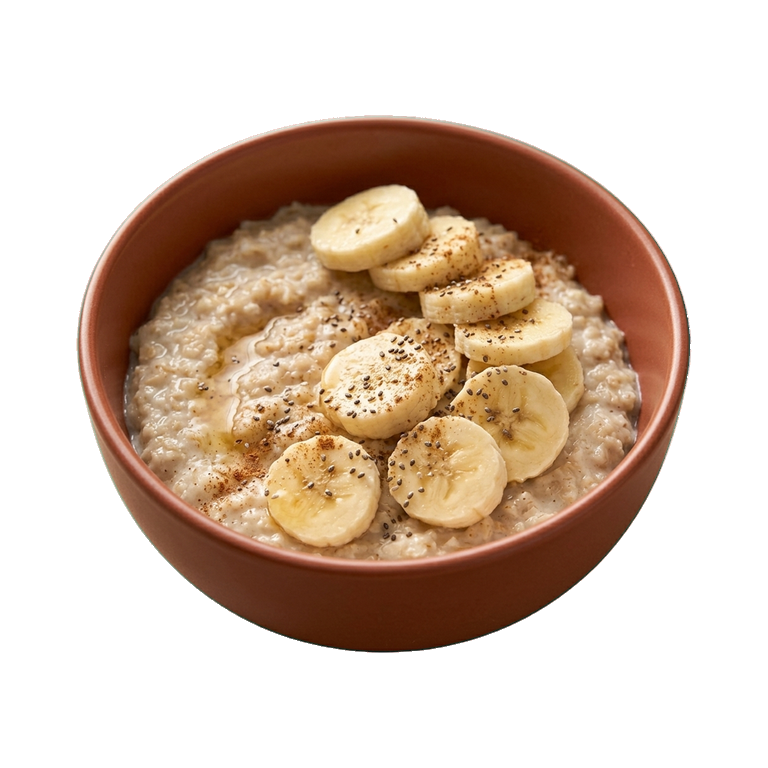
Oat groats work best in porridge — that is their main purpose. They cook in 15–20 minutes in a ratio of 1:2 or 1:3 (groats to liquid) depending on the desired consistency. Milk, water, or broth can be added. For breakfast, the groats are cooked with milk and sweetened, while for a side dish they are prepared in broth with vegetables.
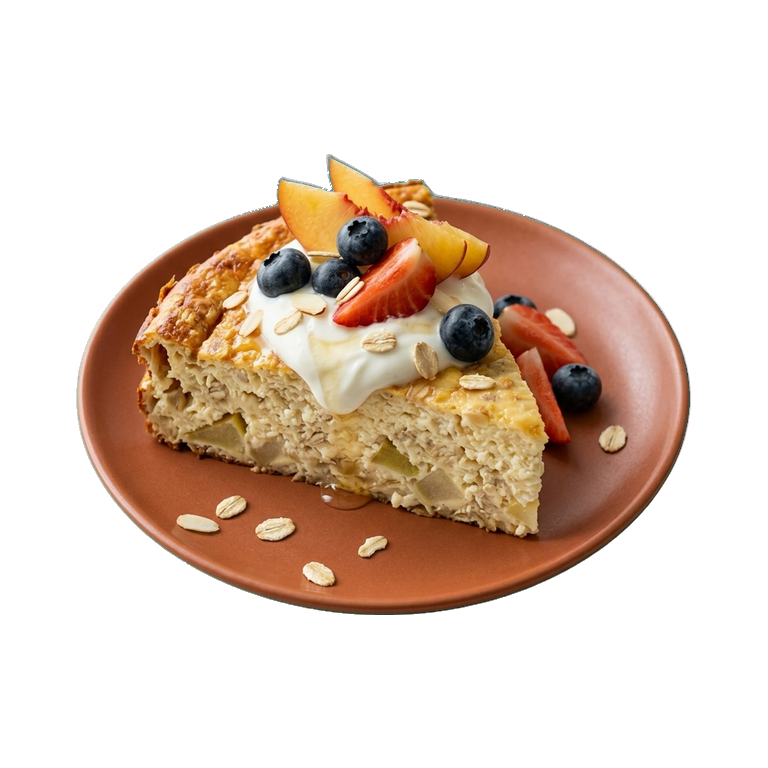
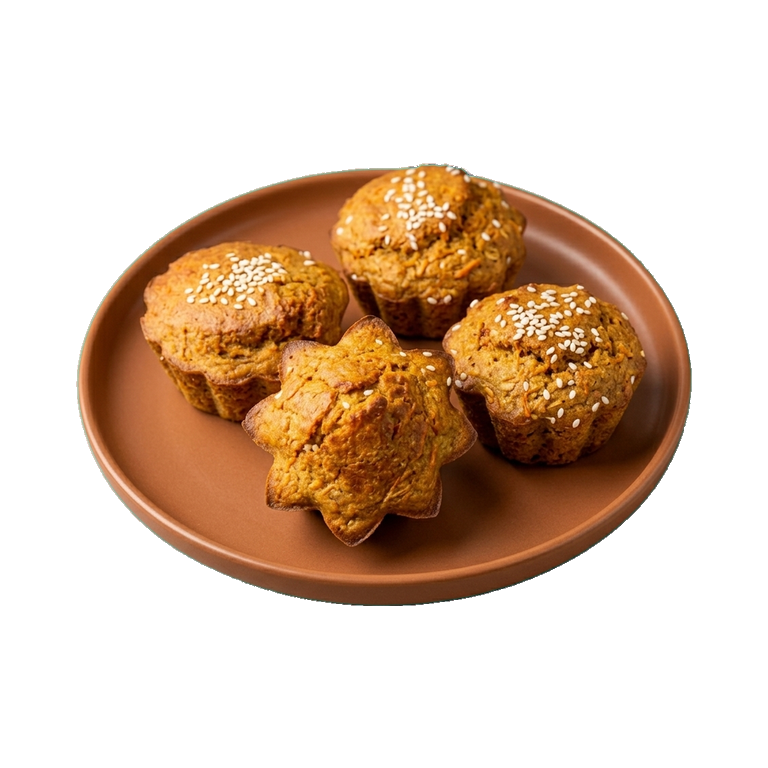
Cereal is great in soups — it thickens the broth and gives it body. It is added to cutlets and meatballs instead of breadcrumbs or flour. Some housewives use it in casseroles and puddings, where it creates a loose, pleasant texture.
Pairings and Additions
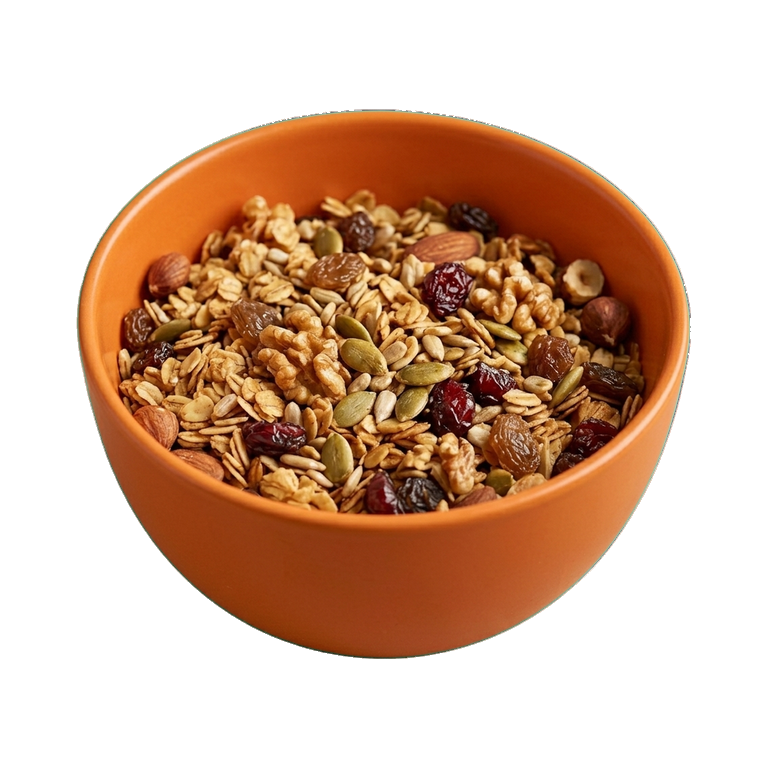
Oat groats easily take on the character of other ingredients. With milk and cinnamon, it becomes cozy; with chicken broth and herbs — a homey side dish. It pairs well with dried fruits, nuts, honey, and butter. Mushrooms, onions, carrots, and any seasonal vegetables make great accompaniments to oat porridge.
Spices work delicately here: black pepper, cumin, cardamom, and cloves should not dominate, but rather emphasize the nutty background. If you're making sweet porridge, vanilla and cinnamon are a classic choice.
Selection and Storage
When purchasing, pay attention to the color: the cereal should be light yellow or cream-colored, uniform, without dark spots or foreign inclusions. Smell it — fresh cereal smells like grain, not mustiness. Check the packaging date; oat cereal is stored for one to one and a half years, but it's better to use it within a year.
Store grains in a tightly sealed container or glass jar in a cool, dry place protected from light and moisture. Polyethylene bags are not the best option; over time, grains can absorb odors and moisture. If there are insects in your home, place the jar in the freezer for several hours before storage — this will kill any possible larvae.
Practical Tips
- Before cooking, sort through the cereal and rinse it with cold water — this will remove dust and small fragments.
- If you want a fluffier porridge, lightly roast the dry cereal in a pan for 2–3 minutes before cooking — this will enhance the nutty flavor.
- Salt the cereal at the end of cooking, when it's almost done, otherwise salt will slow down the process.
- Let the finished porridge rest under a lid for 5–10 minutes — it will become more tender and uniform.
Oat groats are not exotic or a trend, but a time-tested ingredient that works in any cuisine. It is affordable, economical, and always delivers predictable results. Once you master a few cooking methods, it becomes your helper for both weekdays and celebrations.
Nutrition
per 100 g
- Calories
- 366 kcal
- Protein
- 12.3 g
- Fat
- 6.1 g
- Carbs
- 61 g
Measures and weight
- 1 tbsp
- 9 g
- 1 tsp
- 3 g
- 1 cup
- 150 g
Measure calculator
- Weight
- 100 g
- Calories
- 366 kcal