Usuba
Usuba
Puff pastry
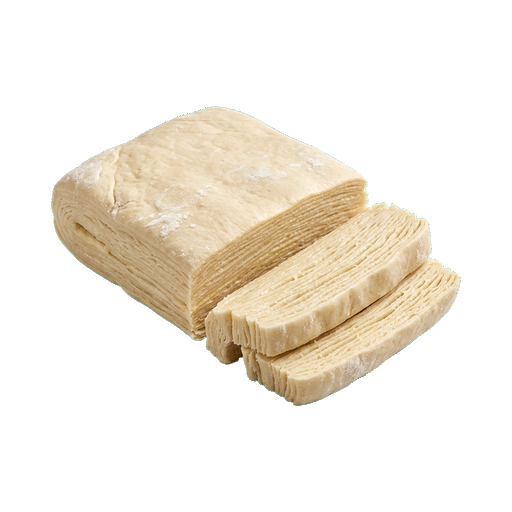
Puff pastry is a semi-finished product made from alternating layers of flour, butter, and water that create a crispy, airy structure when baked. It is prepared by repeatedly folding and rolling out dough with butter, which forms thin layers that rise in the oven due to steam. It is used for baking pies, croissants, pastries, and other products that require a light, flaky crust; when choosing a frozen version, it is important to check the package integrity and expiration dates, and when substituting with another type of dough, keep in mind that the result will be less airy.
About
Puff pastry is one of the most versatile bases in the kitchen, working equally well in sweet desserts and savory appetizers. Its main trick is that when handled correctly, it transforms into a crispy multi-layered structure where each layer separates from its neighbor with a satisfying crunch. This dough requires patience, but the result is worth it.
How it works and why it crunches
Puff pastry is a play of contrasts between butter and flour. Butter is distributed in thin layers inside the dough and during baking creates steam that pushes the layers apart. Water from the dough evaporates, butter fries each layer until it crisps, and you get that very sensation when a fork breaks the pastry with a characteristic crunch. The more layers — the more impressive the result, but it takes more time to fold.
Ready-made or homemade
Store-bought puff pastry is an honest choice if you don't have time for hours of butter manipulation and folding. It already contains the right number of layers and usually rises well in the oven. Homemade pastry requires more attention: you need to monitor the butter temperature (it shouldn't melt prematurely), fold it correctly, and let the dough rest in the refrigerator between sessions. However, the result will be more aromatic and have better structure.
Where to use it
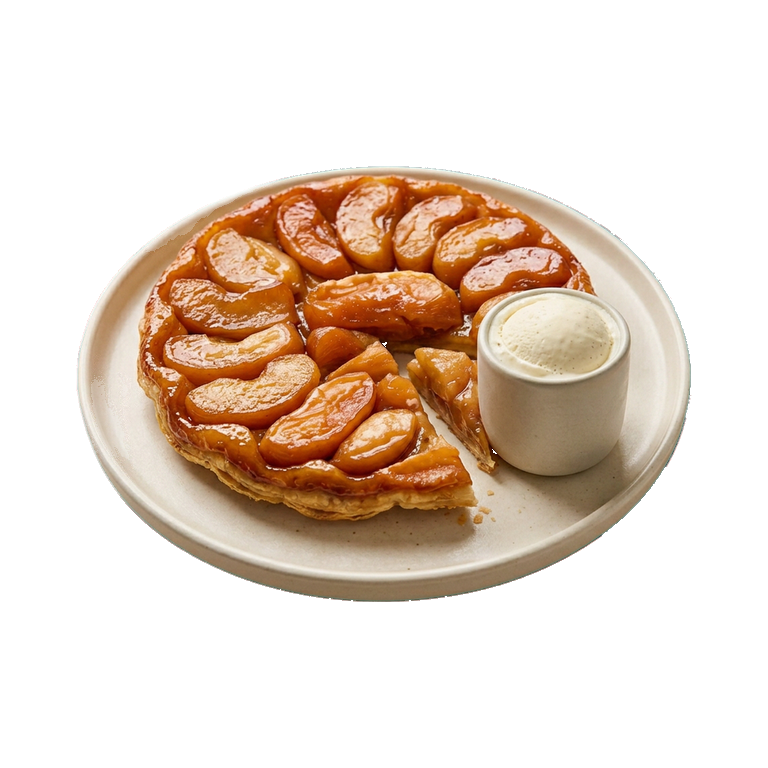
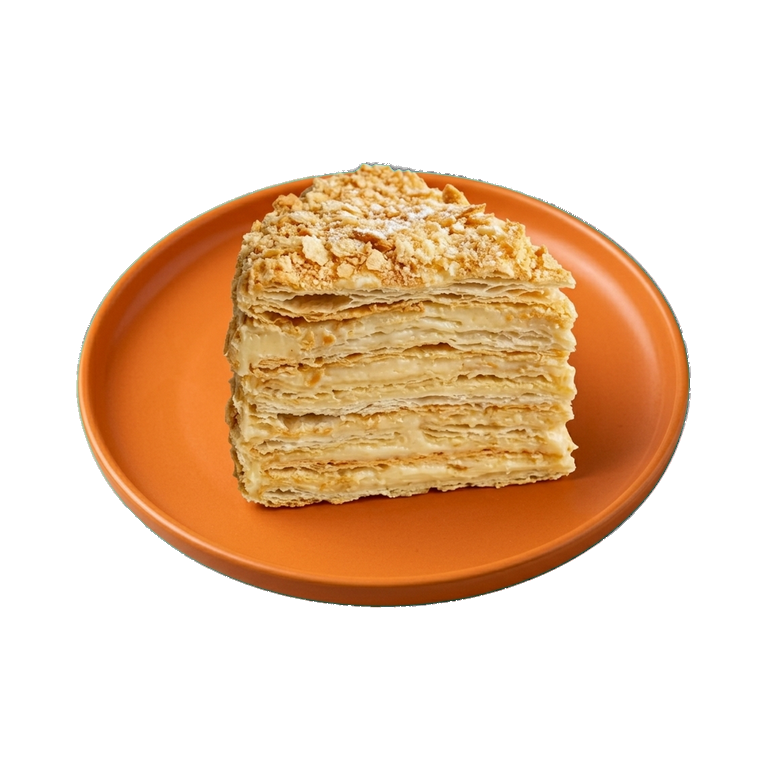
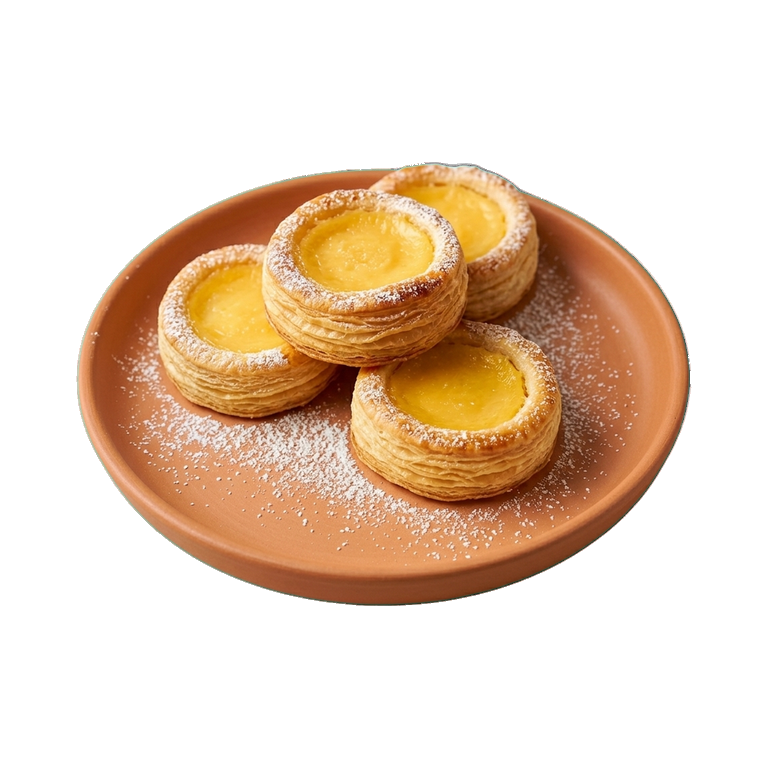
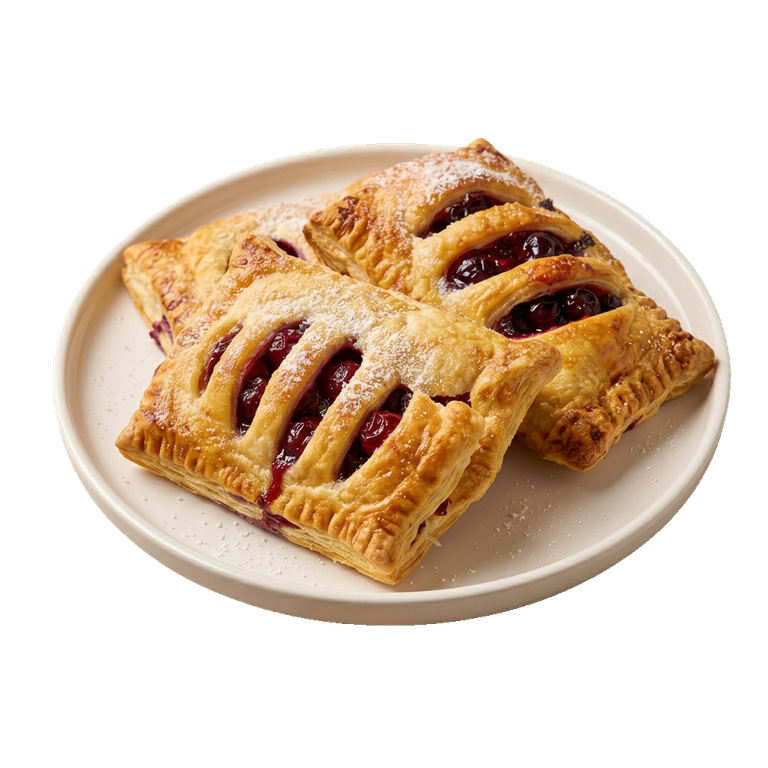
- Sweet: napoleons, eclairs, cream puffs, apple pies, vol-au-vents with berries
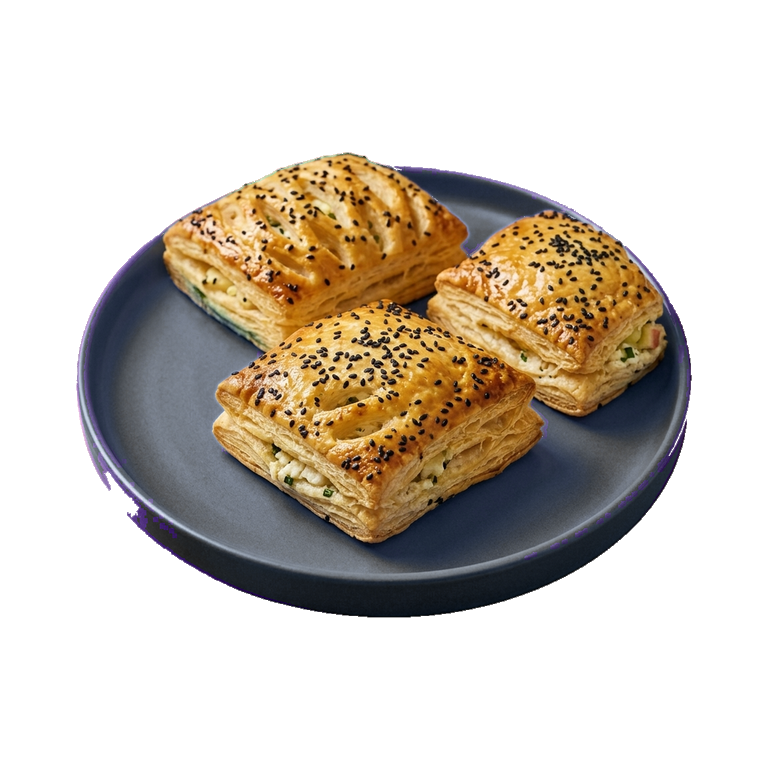
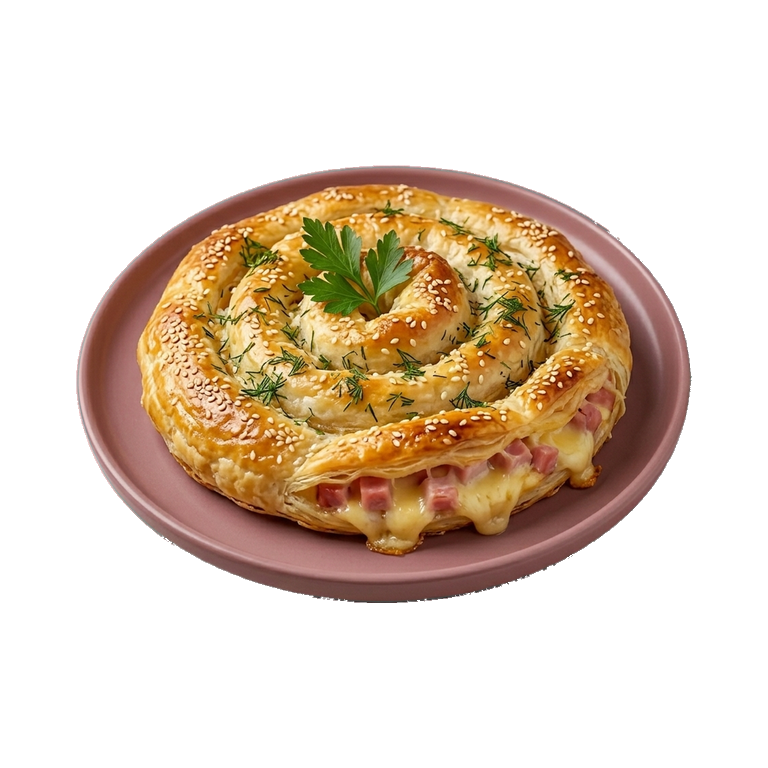
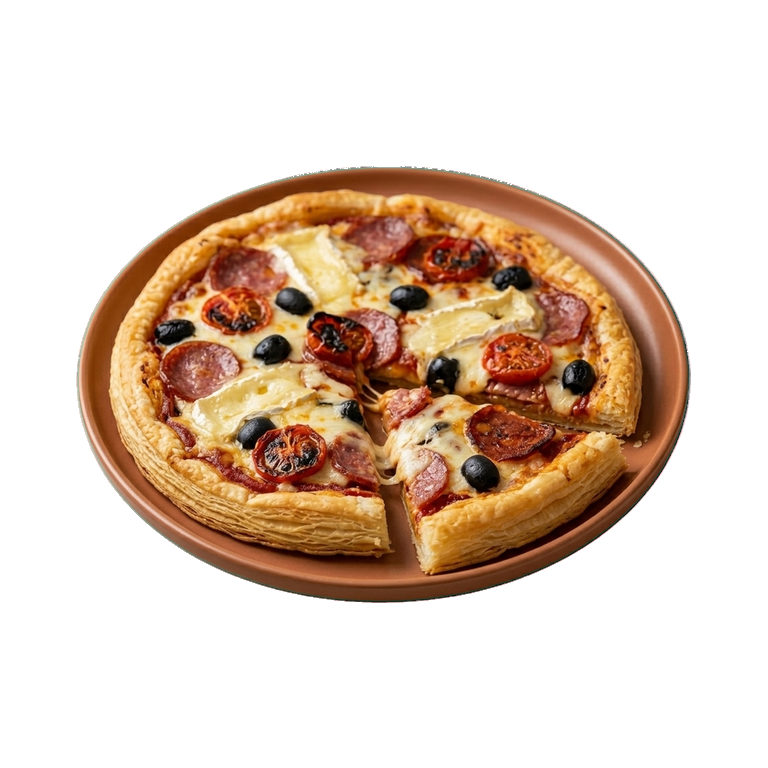
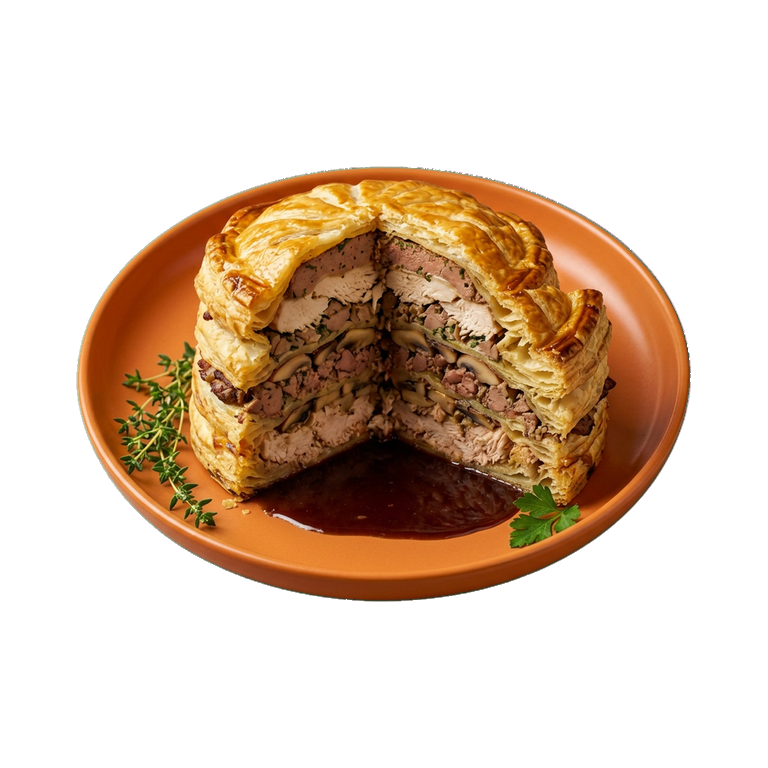
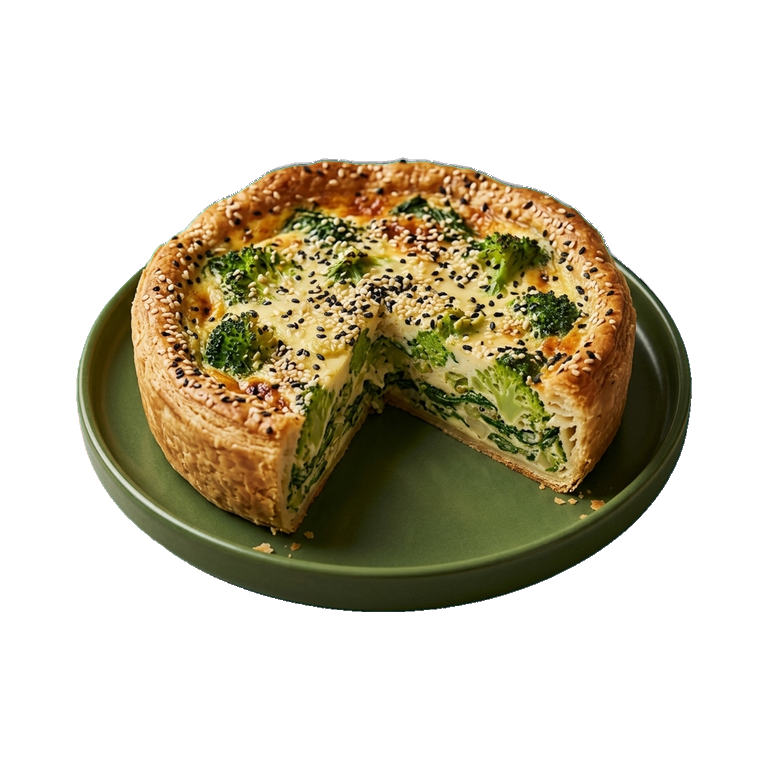
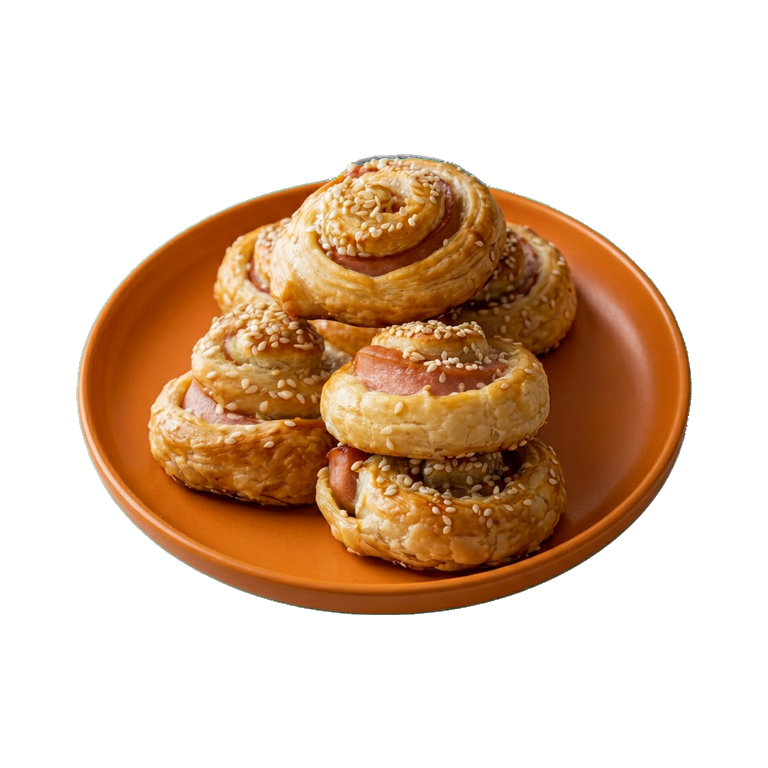
- Savory: cheese in puff pastry, meat pies, sesame sticks, pizza base
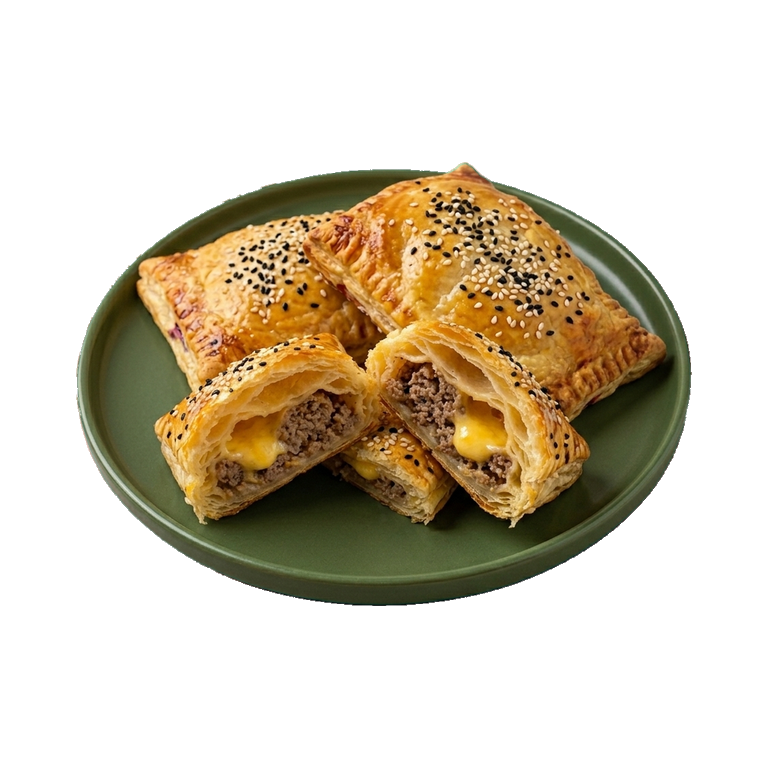
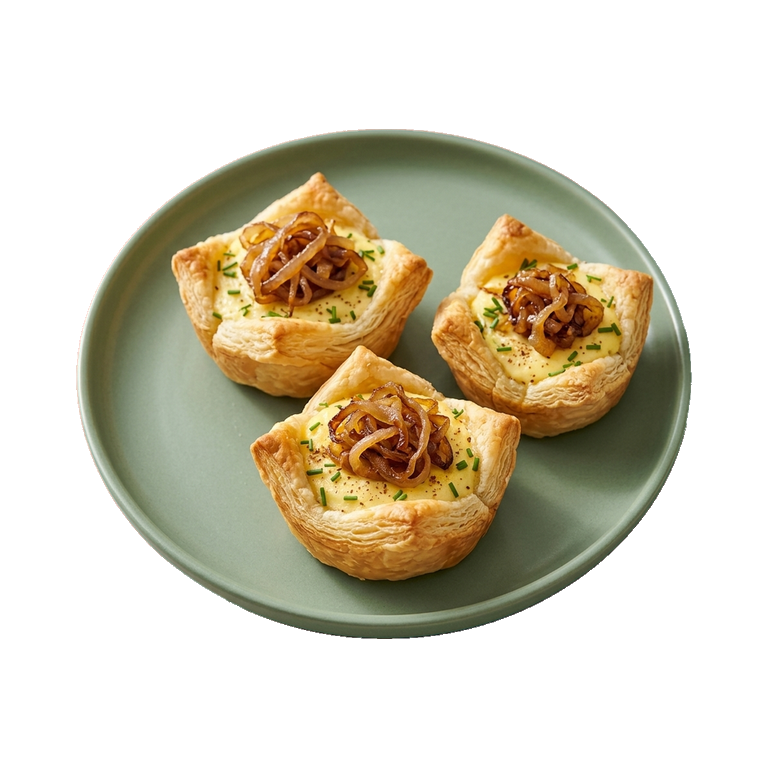
- Appetizers: sausage puffs, mushroom pies, cheese sticks
Main Rules of Work
- Keep the dough in the refrigerator — warm butter mixes with the dough and layers won't form
- Don't cut the dough with a hot knife — it will crush the layers. Use a sharp knife, preferably dipped in cold water
- Let the finished product rest a bit before baking — at least 15–20 minutes in the freezer
- Bake at high temperature (200–220 degrees) on the lower shelf of the oven so the dough rises well
Storage and Preparation
Store-bought dough can be kept in the freezer for months — that's its main advantage. Homemade dough can be wrapped in plastic wrap and stored in the refrigerator for 2–3 days or frozen for a week. Thaw it in the refrigerator, not at room temperature — otherwise the butter will start to leak and the layers will lose their definition. Before using, let the dough warm up slightly so it becomes pliable, but not warm.
Puff pastry is not just an ingredient, it's an entire technique that opens the door to countless recipes. Even a simple plain puff, brushed with butter and sprinkled with salt, becomes a complete appetizer. Start with ready-made dough, learn to work with it, and when you feel confident, try making it yourself.
Nutrition
per 100 g
- Calories
- 370 kcal
- Protein
- 7.5 g
- Fat
- 20 g
- Carbs
- 40 g
Measures and weight
- 1 pcs
- 500 g
Measure calculator
- Weight
- 100 g
- Calories
- 370 kcal