Usuba
Usuba
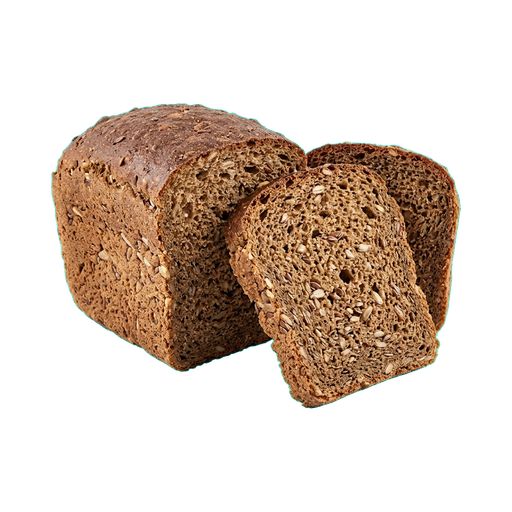
Rye bread with seeds
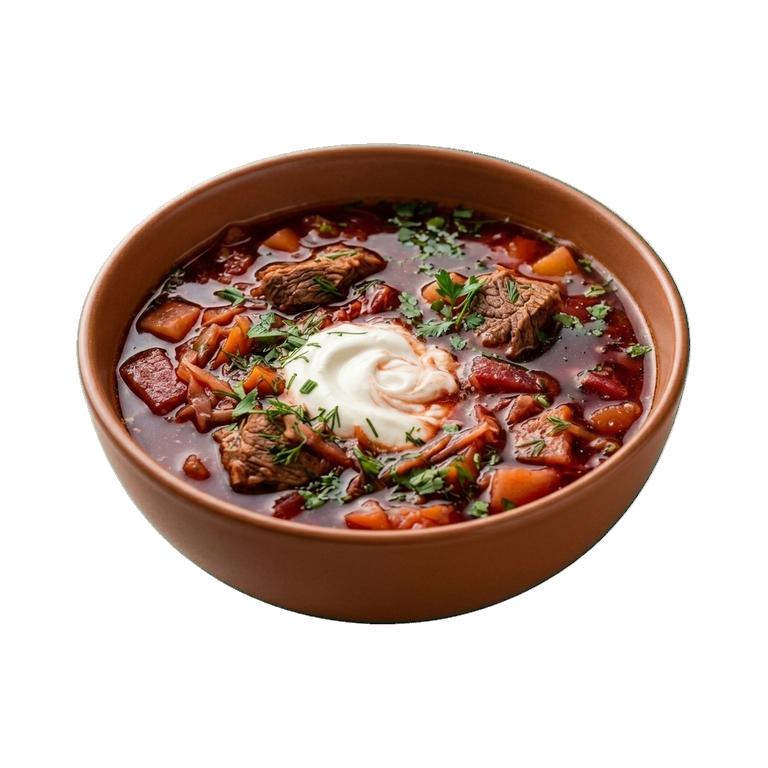
Rye bread with seeds is a dense, slightly tangy bread with a pronounced grain aroma and crispy crust. The seeds add nutty notes, texture, and nutritional value, making each slice more interesting and satisfying. This bread is ideal for sandwiches with butter, cheese, or cold cuts, pairs well with soups and borscht, and when choosing, pay attention to freshness and the absence of mold.
About
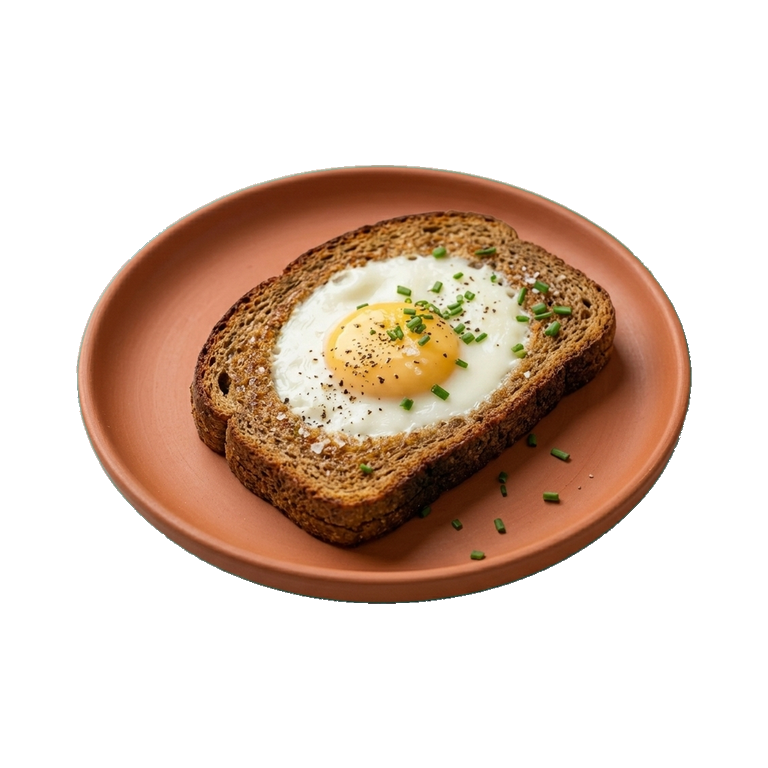
Rye bread with seeds is not just bread, but a full-fledged ingredient that changes the character of a dish. Dense crumb with a slight tang, crispy sunflower or pumpkin seeds, dark crust — all of this contributes to the taste and structure of the finished dish. In the kitchen, such bread is valued for its versatility: it holds its shape when sliced, doesn't crumble in fillings, and adds depth even to simple sandwiches.
Aroma and Flavor
Rye bread has an earthy aroma with a slight sourness — this is a natural result of the sourdough starter. Seeds add nutty notes and a subtle bitterness. The bread tastes dense, with a characteristic tartness that contrasts well with fatty fillings or spicy toppings. The seeds provide a crunch and flavor that intensifies when the slice is toasted in a pan or toaster.
Role in dishes
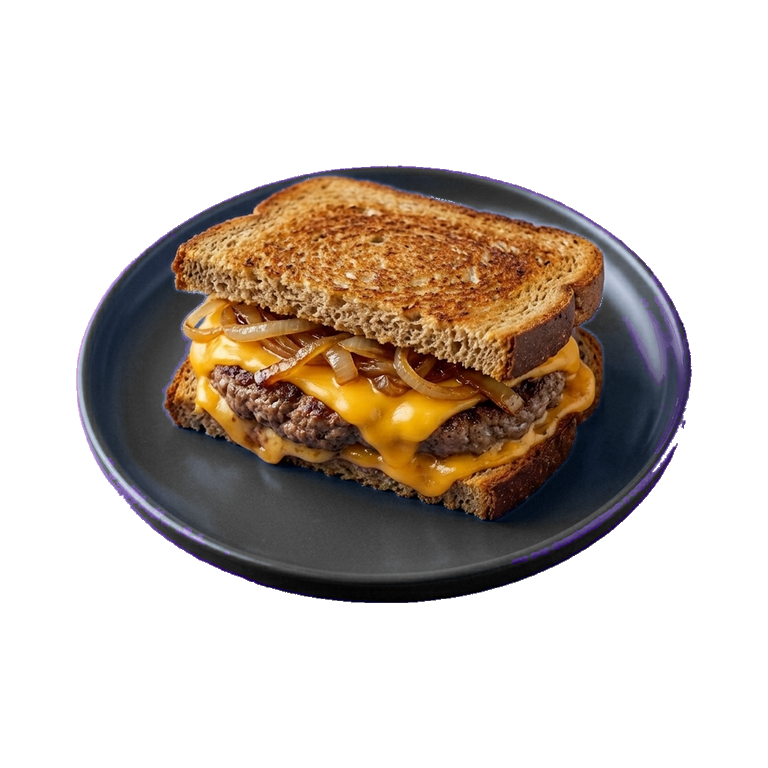
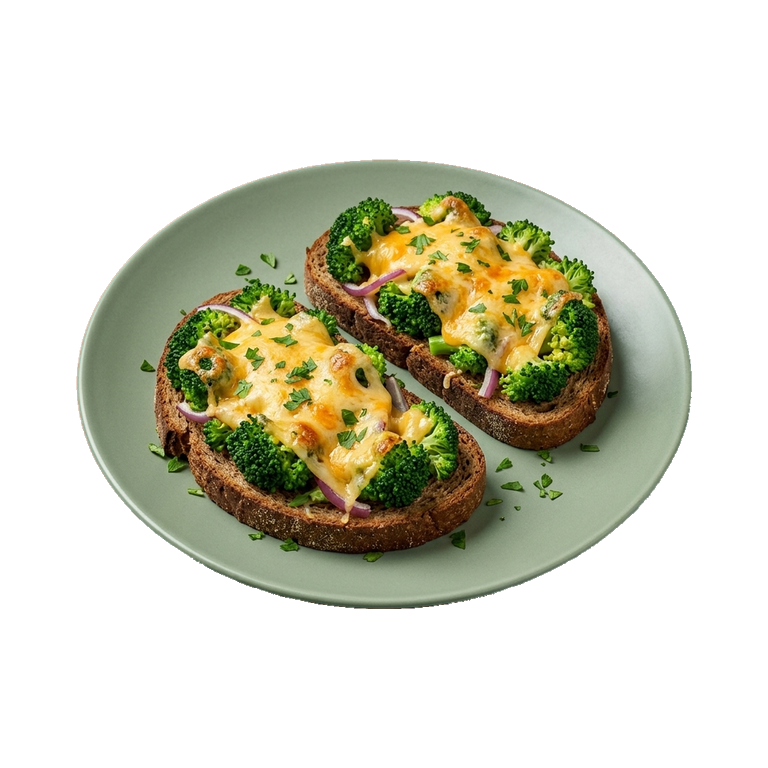
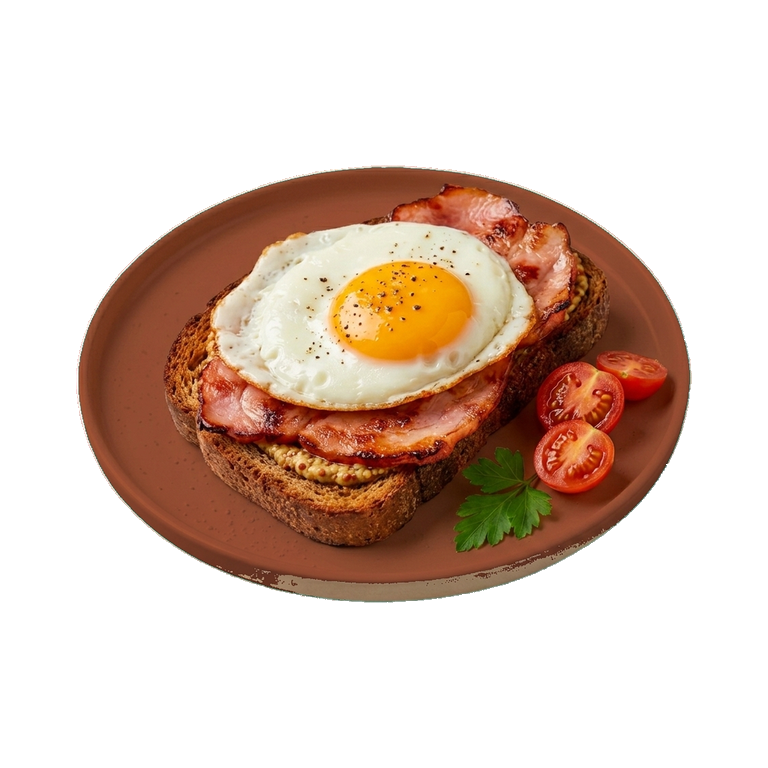
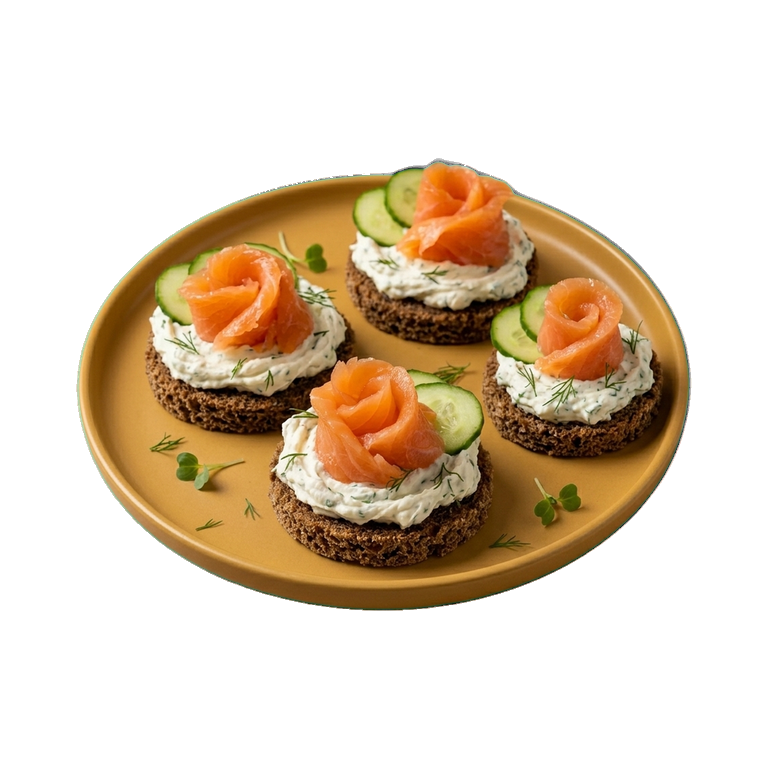
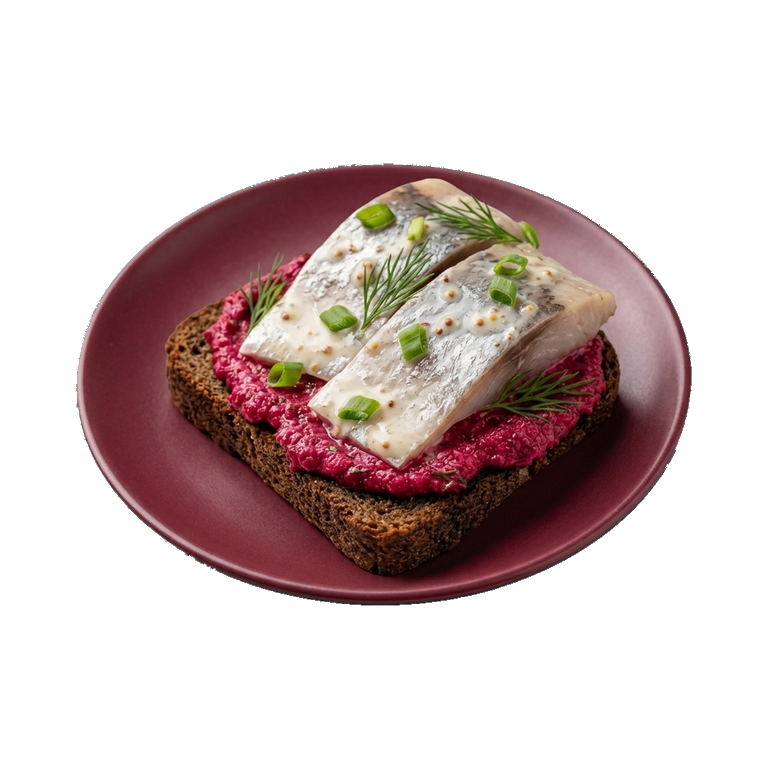
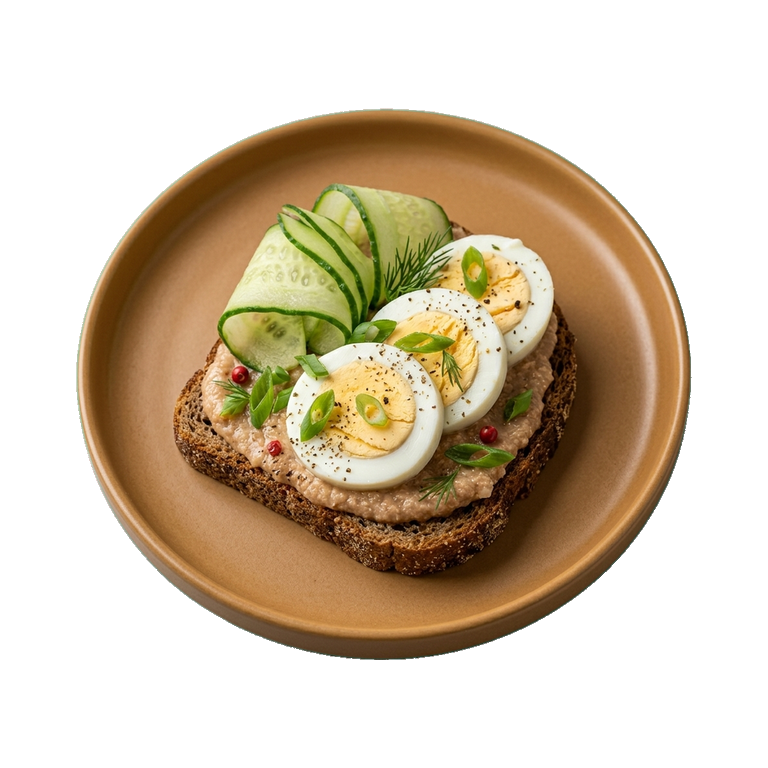
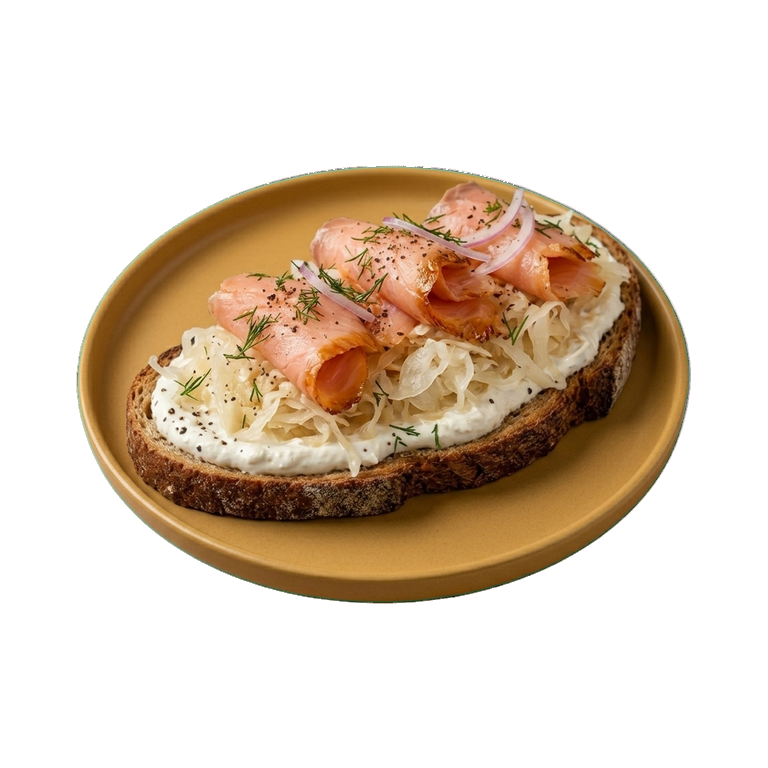
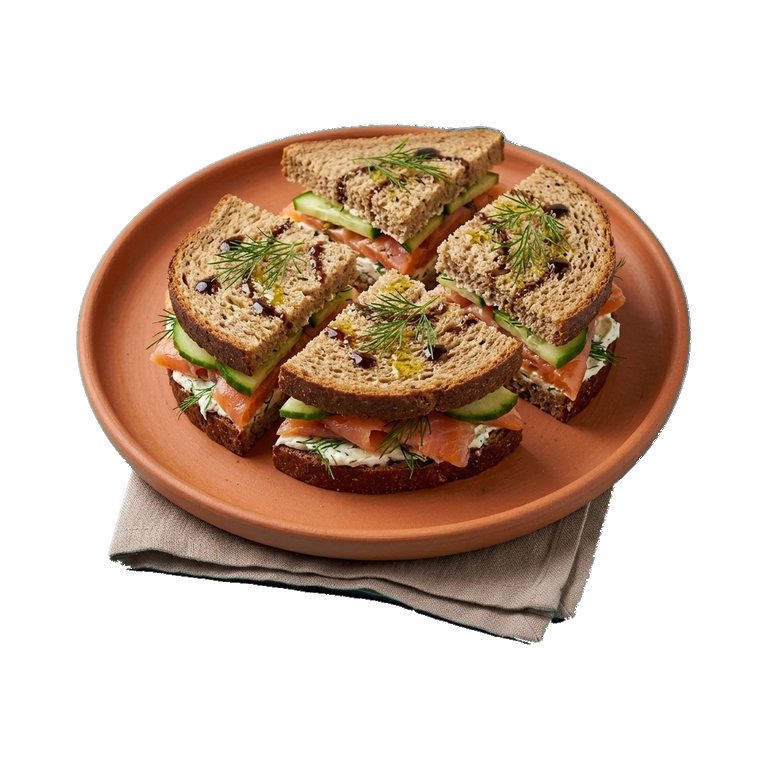
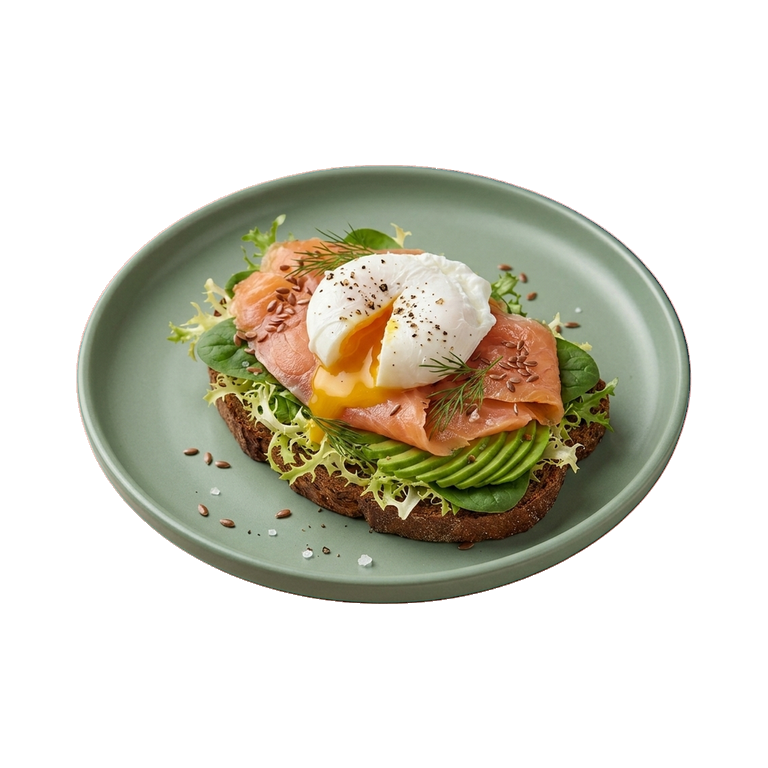
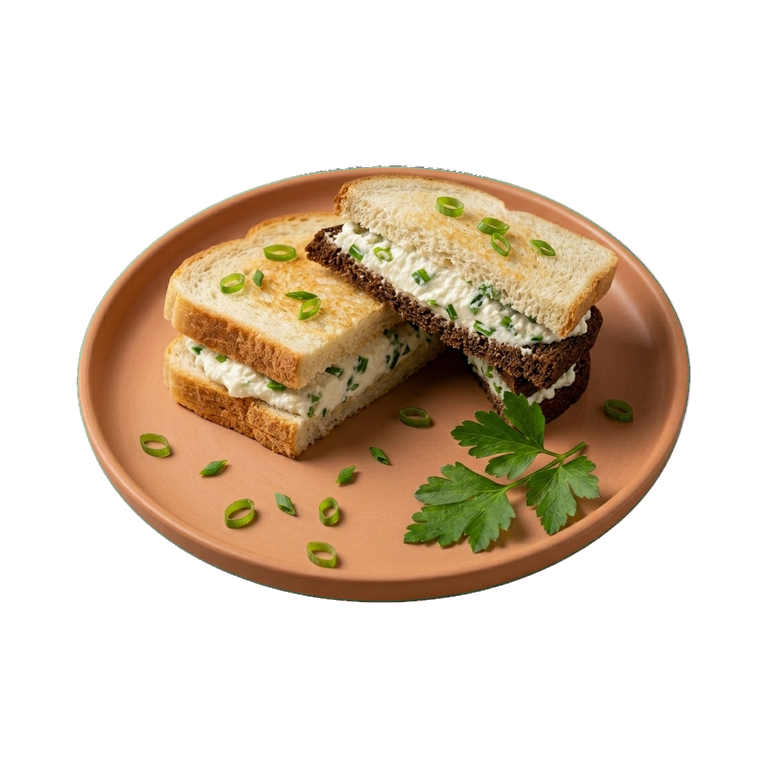
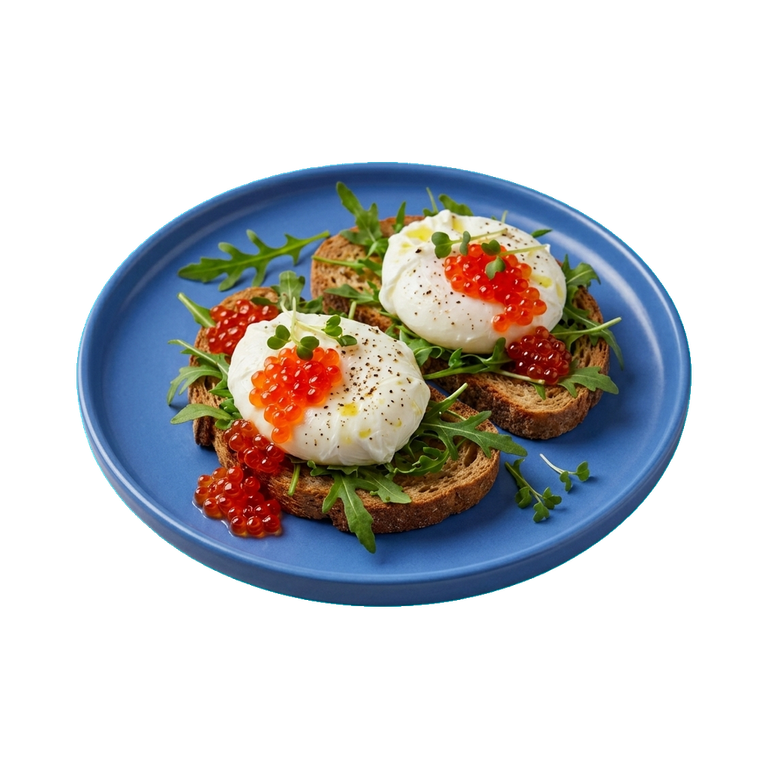
- Base for open sandwiches with smoked fish, cream cheese or pâté — the acidity of the bread balances the richness.
- Breading for cutlets and meatballs — gives a crispy crust and adds a nutty flavor.
- Base for croutons in salads and soups — maintains texture well when fried.
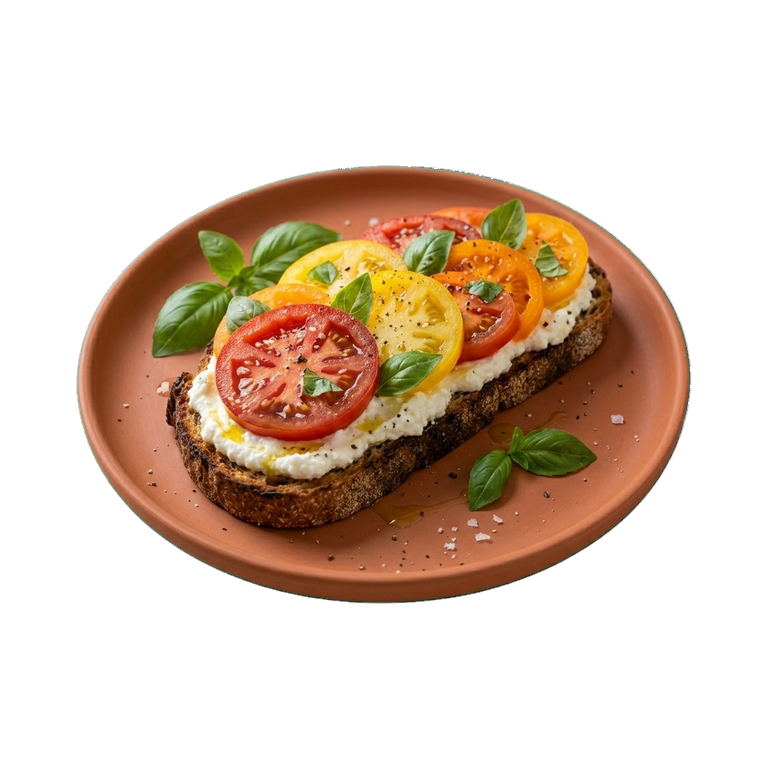
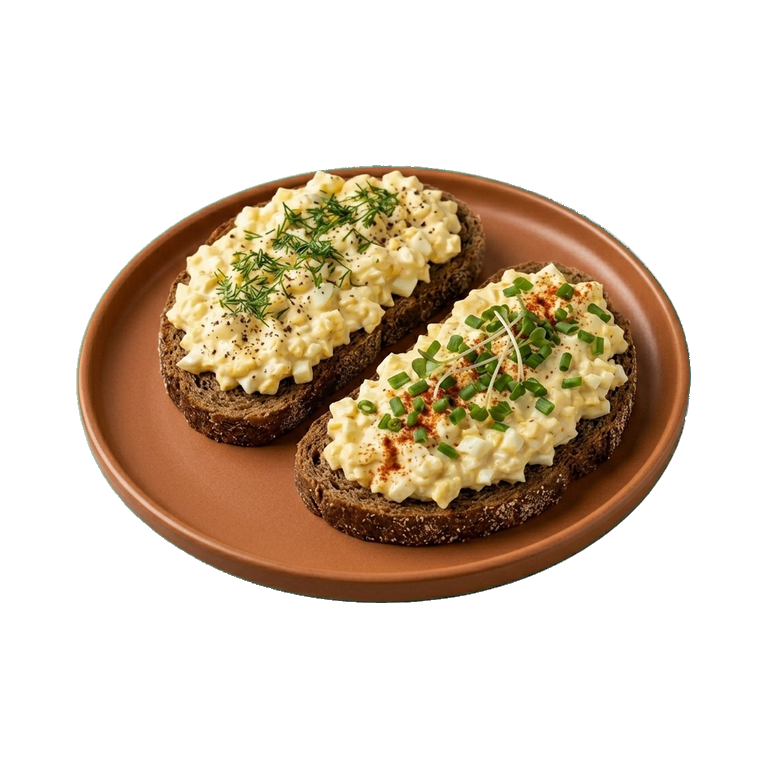
- Base for cold appetizers — the density of the bread prevents it from becoming soggy from moist ingredients.
- Addition to stuffing and meatball mixture for binding — absorbs moisture without breaking down the structure.
Combinations and Tips
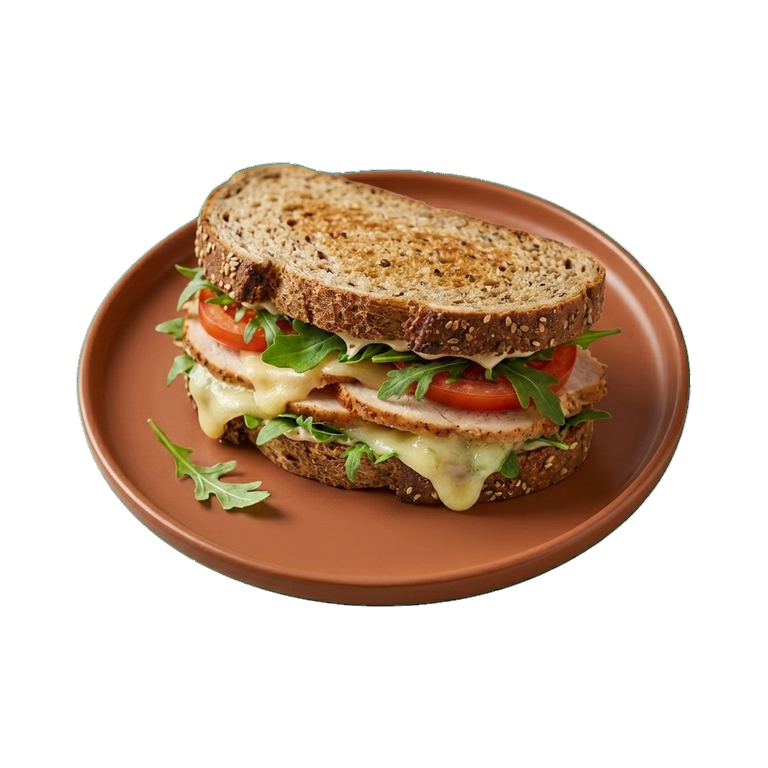
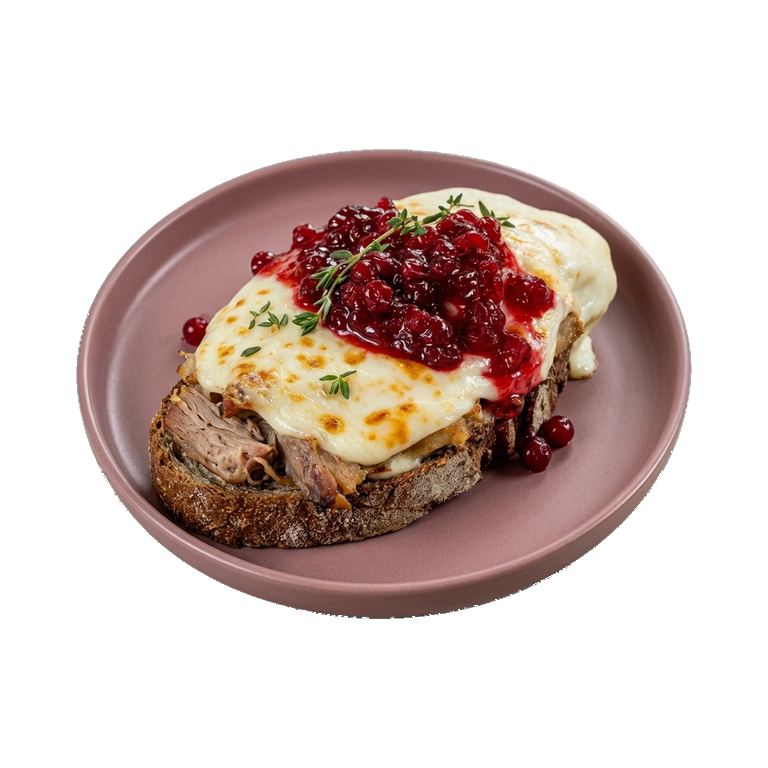
Rye bread with seeds works well with smoked meats, salted fish, sharp cheeses, and sausages. Its acidity pairs nicely with fatty pâtés and cream cheeses. When making croutons, fry the slices over medium heat — seeds burn quickly. For sandwiches, slice the bread thinly so the filling doesn't fall out. If the bread has dried out, lightly spray it with water before toasting — this will restore the softness of the crumb while keeping the crust crispy.
Selection and Storage
- Choose bread with a dark, not burnt crust and evenly distributed seeds.
- The crumb should spring back when pressed, without dense lumps or voids.
- Store in a paper bag at room temperature — plastic creates condensation and bread molds quickly.
- Fresh bread is best in the first two days. After that, slice and freeze — the pieces won't lose their structure.
- Stale bread is ideal for breading, croutons, and breadcrumbs — don't throw it away.
Nutrition
per 100 g
- Calories
- 259 kcal
- Protein
- 8.5 g
- Fat
- 4.5 g
- Carbs
- 45 g
Measures and weight
- 1 slice
- 30 g
Measure calculator
- Weight
- 100 g
- Calories
- 259 kcal