Usuba
Usuba
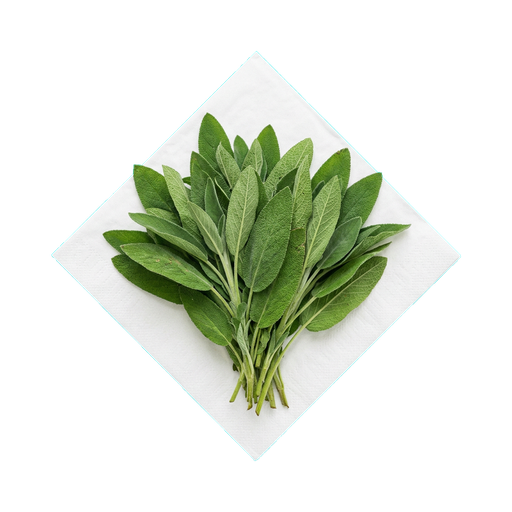
Sage leaves
Sage leaves are a spice with a pronounced bitter, slightly peppery taste and rich herbal aroma. They withstand heat well, making them ideal for long-simmered meat dishes, adding to sauces and soups, as well as for flavoring oils and vinegars. When using sage, it's important to remember that its flavor is intense, so it should be dosed carefully to avoid overpowering other tastes in the dish.
About
Sage is one of those herbs that seem simple until you start working with them. The leaves have a characteristic gray-green color, a velvety surface, and a smell that's hard to confuse with anything else: simultaneously spicy, slightly camphoraceous, with a light bitterness. Fresh leaves are more delicate and aromatic, dried ones are more concentrated and intense. In cooking, both variants are used, but for different purposes and dishes.
Aroma and Flavor
The flavor of sage is a complex bouquet. It has herbal notes, spiciness, a slight bitterness, and even a hint of menthol. When the leaves enter hot oil or broth, they open up completely: the aroma becomes even more pronounced, almost woody. Fresh sage is milder and more delicate, easier to dose. Dried sage requires caution — its flavor can overpower everything else if you use too much.
Role in dishes
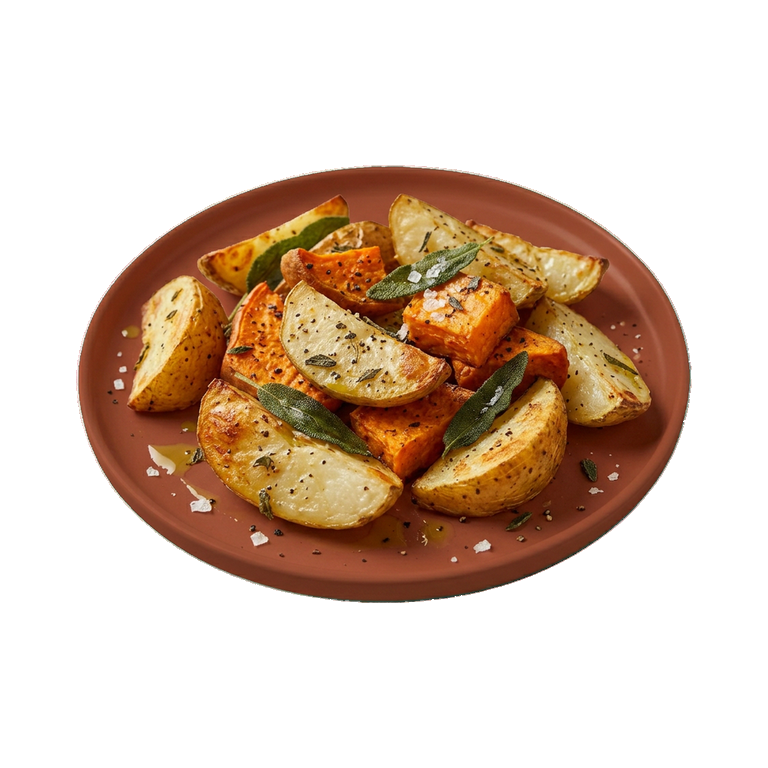
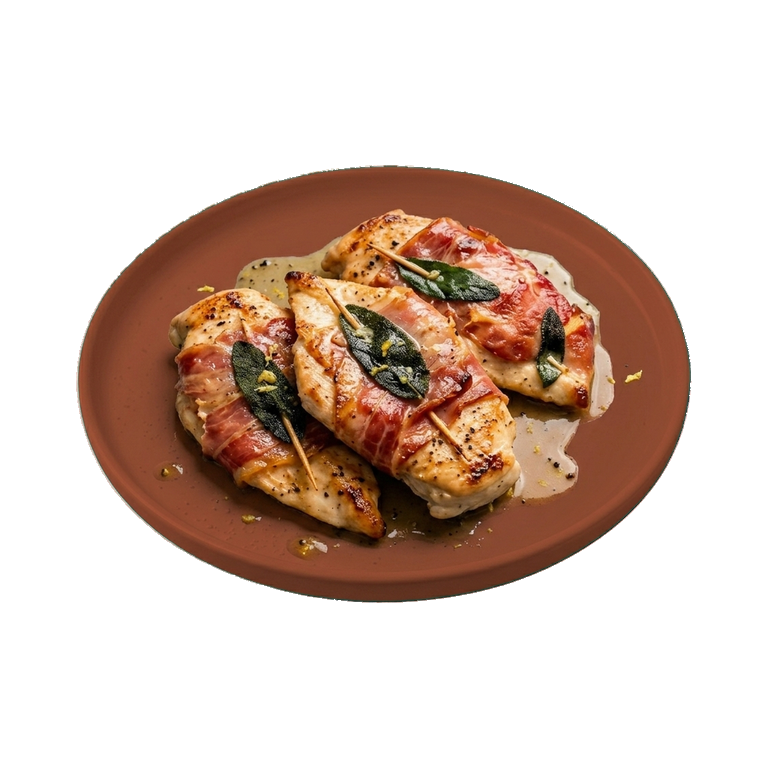
- In meat dishes, sage is a classic partner. It complements chicken, duck, and pork without overpowering their flavor, but rather enhancing it.
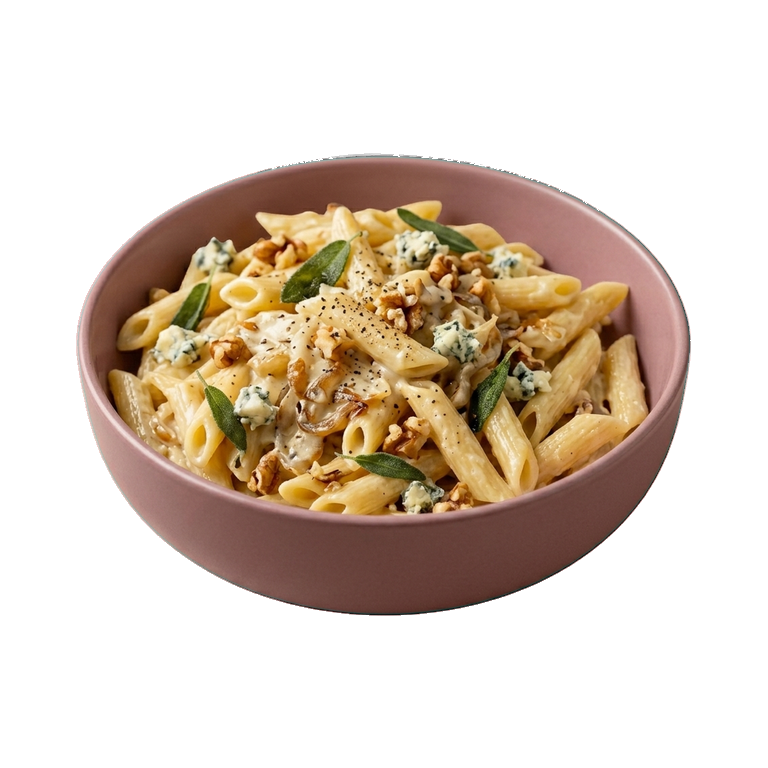
- Sage butter (when leaves are fried in butter) is a sauce that saves pasta, risotto, and even simple vegetables.
- In soups and broths, sage works as an aromatic base, especially in pumpkin and potato soups.
- Fresh leaves are added to beverages — tea, lemonade, cocktails — for aroma and subtle bitterness.
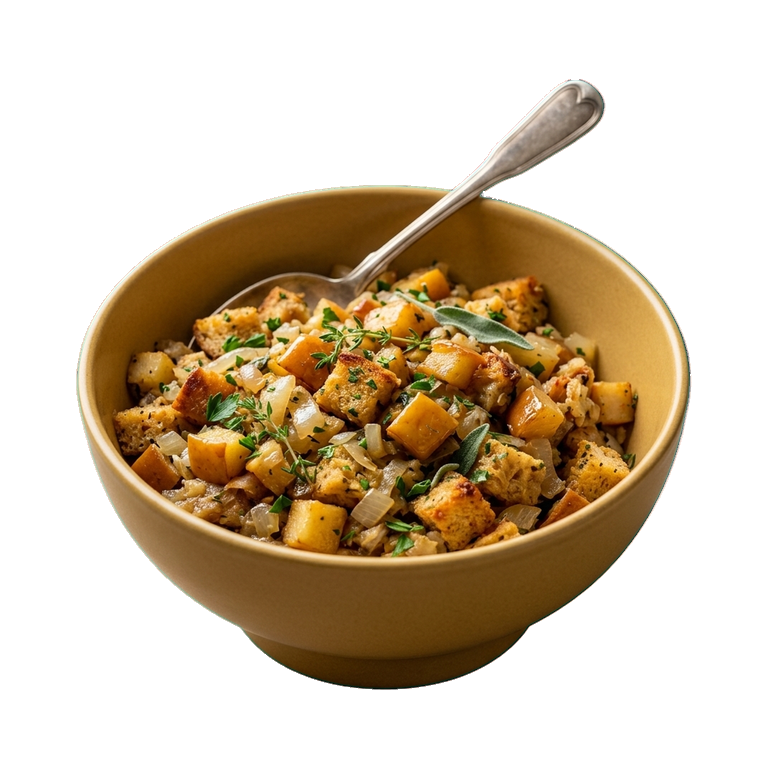
- In stuffing for poultry and sausages, sage is a traditional component that gives a distinctive flavor.
Successful Combinations
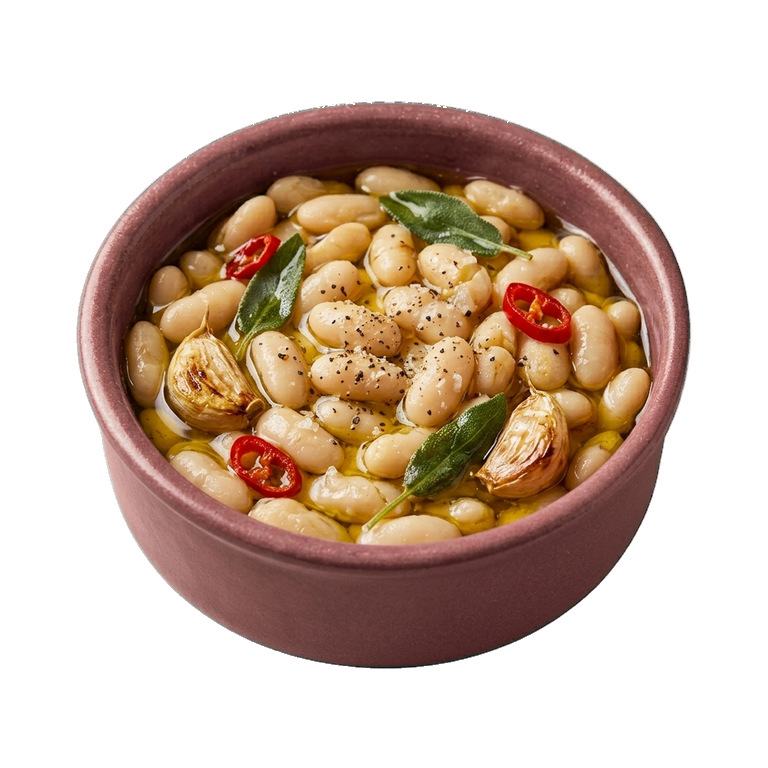
Sage pairs well with rosemary, thyme, and other Mediterranean herbs. Together they create a rich herbal bouquet. With garlic and onion, sage reveals itself in a new way — becoming more rounded and deep. Lemon and sage is a classic combination that works in meat, fish, and even desserts. Butter, sage, and Parmesan is a trio that transforms ordinary pasta into an exquisite dish.
Selection and Storage
Look for fresh sage at the market or grocery store with bright green leaves, free from dark spots and signs of wilting. The leaves should be firm and aromatic. Choose dried sage in a sealed package — this way it retains its aroma better. Pay attention to the color: good dried sage remains gray-green, not brown.
- Keep fresh sage in the refrigerator in a bag or container — it will keep for a week or two.
- You can wrap the stems in a damp towel and place in a glass of water like a bouquet — it will last longer.
- Store dried sage in an airtight jar in a dark, cool place, away from light and moisture.
- You can freeze fresh sage in ice with water or oil — convenient for adding to hot dishes.
Dosage
Fresh sage is easier to work with: a few leaves per dish for 4 people is a good guideline. Dried sage is much more concentrated, so start with a quarter teaspoon and add to taste. Keep in mind that its aroma intensifies during cooking, so don't rush when adding it.
Nutrition
per 100 g
- Calories
- 315 kcal
- Protein
- 10.6 g
- Fat
- 16.4 g
- Carbs
- 31.5 g
Measures and weight
- 1 tbsp
- 3 g
- 1 tsp
- 1 g
- 1 cup
- 50 g
- 1 pcs
- 0.2 g
Measure calculator
- Weight
- 100 g
- Calories
- 315 kcal