Usuba
Usuba
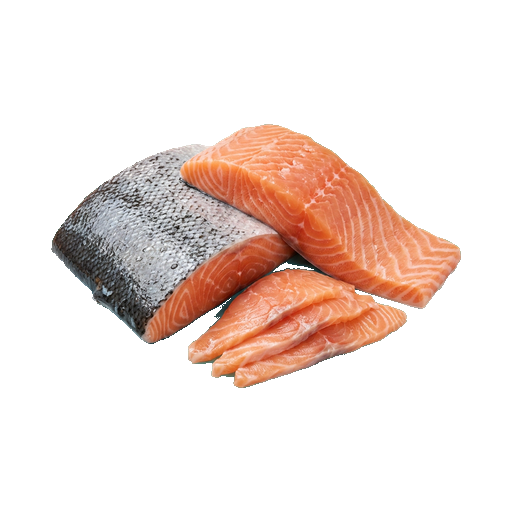
Salmon fillet
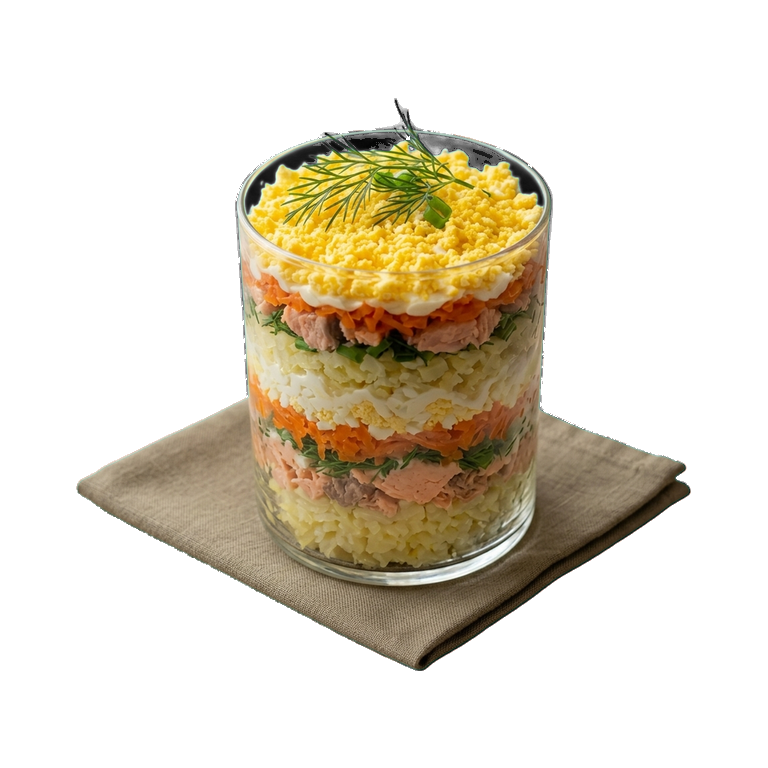
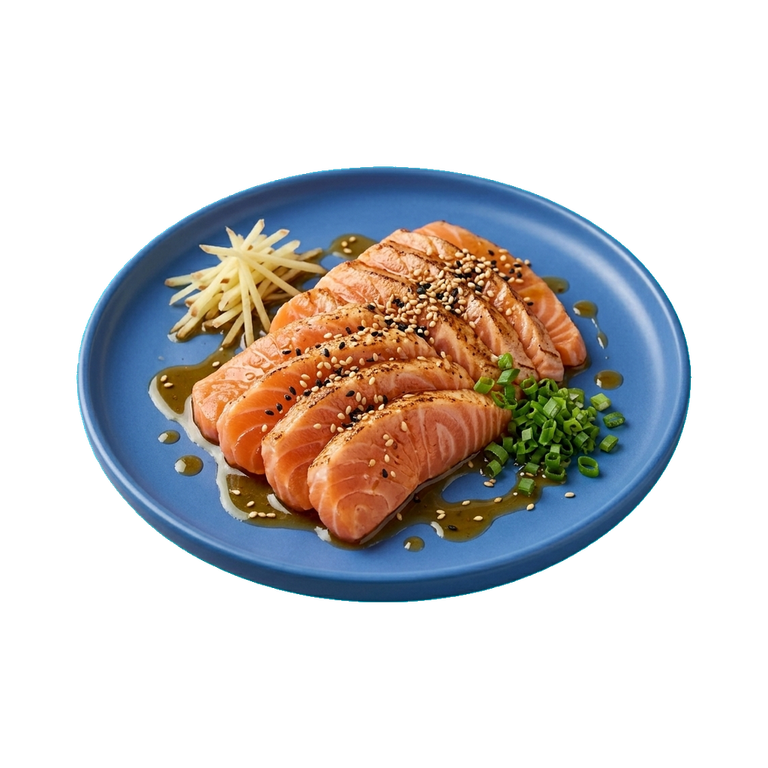
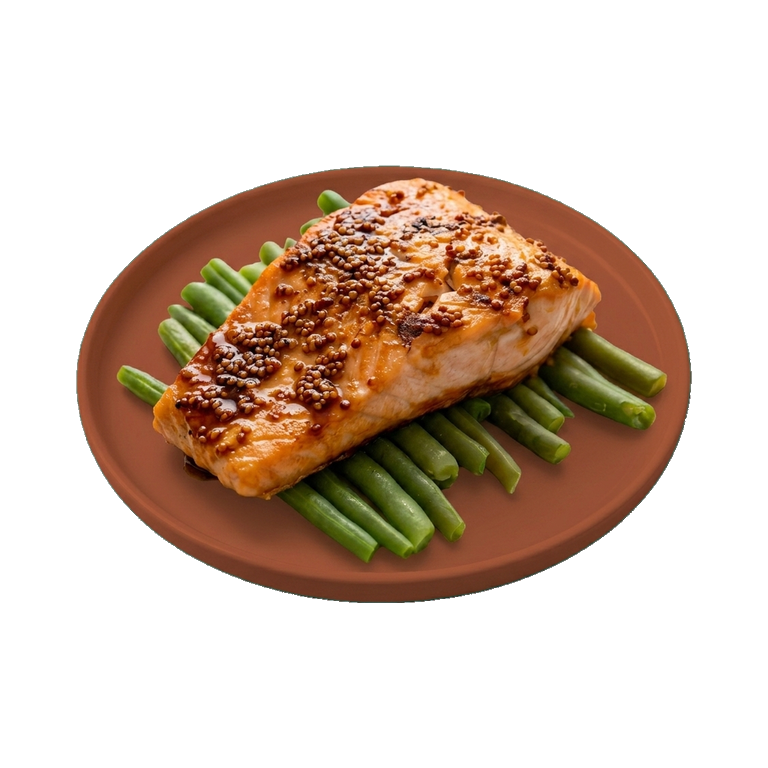
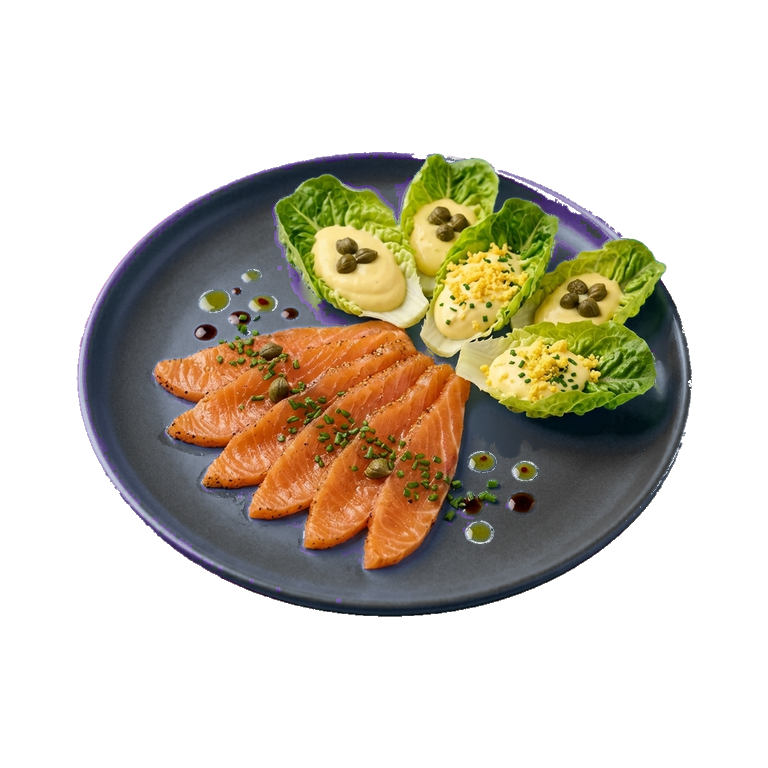
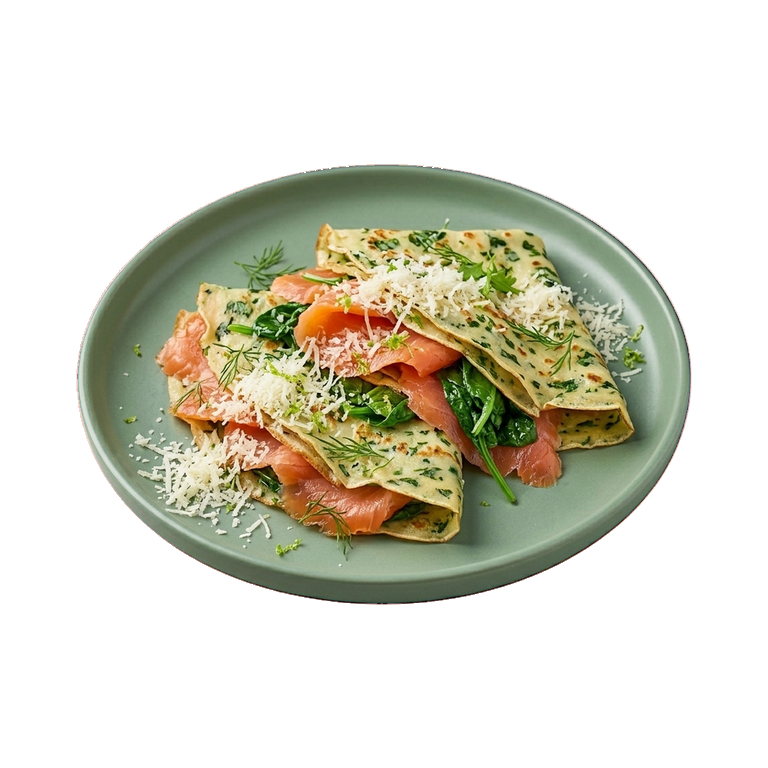
Salmon fillet is a red fish meat with a tender texture and characteristic rich flavor, abundant in omega-3 fatty acids. Its pinkish-orange color indicates freshness, and the meat cooks easily on the grill, in the oven, or in a pan, retaining its juiciness at the right temperature. When selecting, pay attention to the density of the fillet, the absence of odor, and vibrant color — this ensures excellent results in any dish from sushi to hot appetizers.
About
Salmon fillet is one of the most versatile products in the kitchen. It's not just a beautiful piece of fish on a plate, but a full-fledged ingredient that works in any situation: from a festive table to an everyday dinner. Salmon meat is dense yet tender, with a characteristic orange-pink color and a subtle noble aroma.
Aroma and Taste
Salmon fillet smells of the sea, but not sharply — rather it's freshness with a light sweetness. The taste is rich, buttery, with a pleasant fattiness that makes the fish juicy even with minimal processing. This fattiness is the main advantage: it protects the meat from drying out and gives the dish fullness of flavor.
How to cook
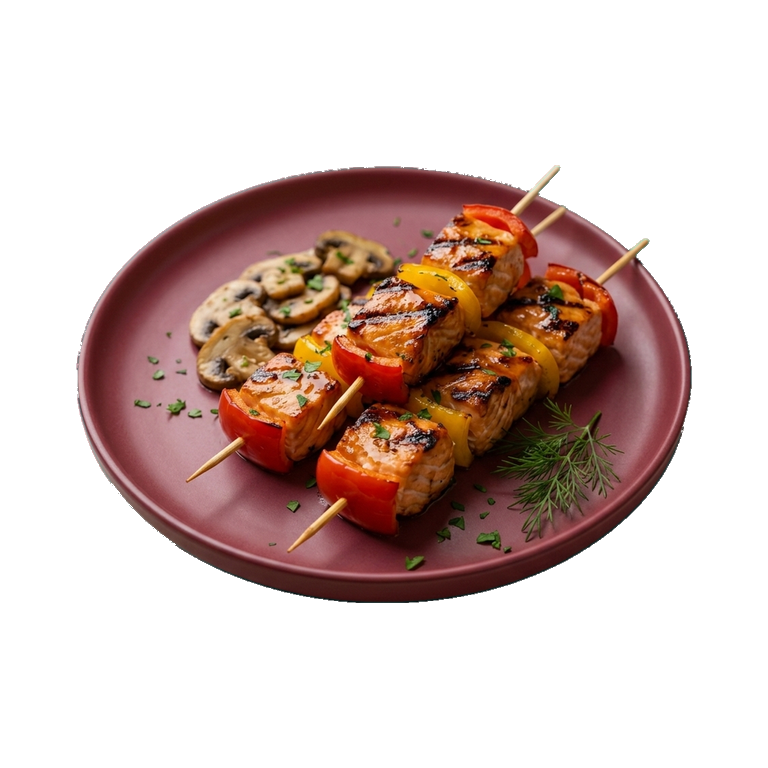
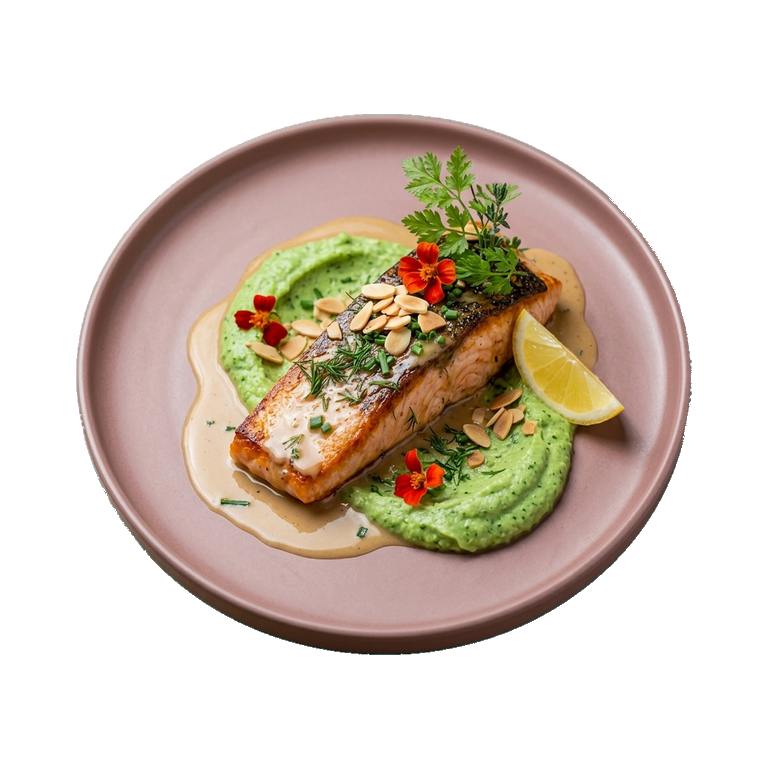
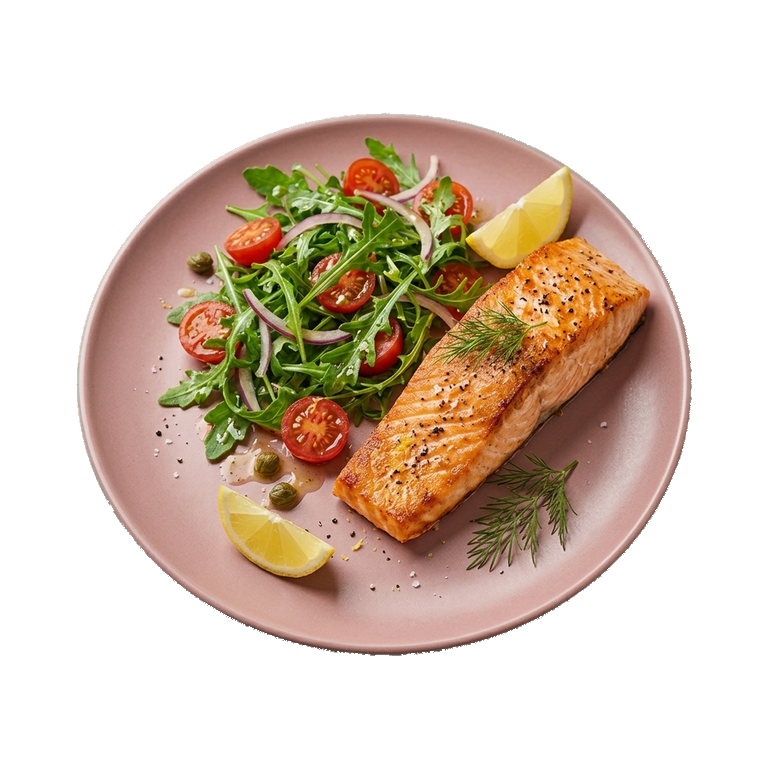
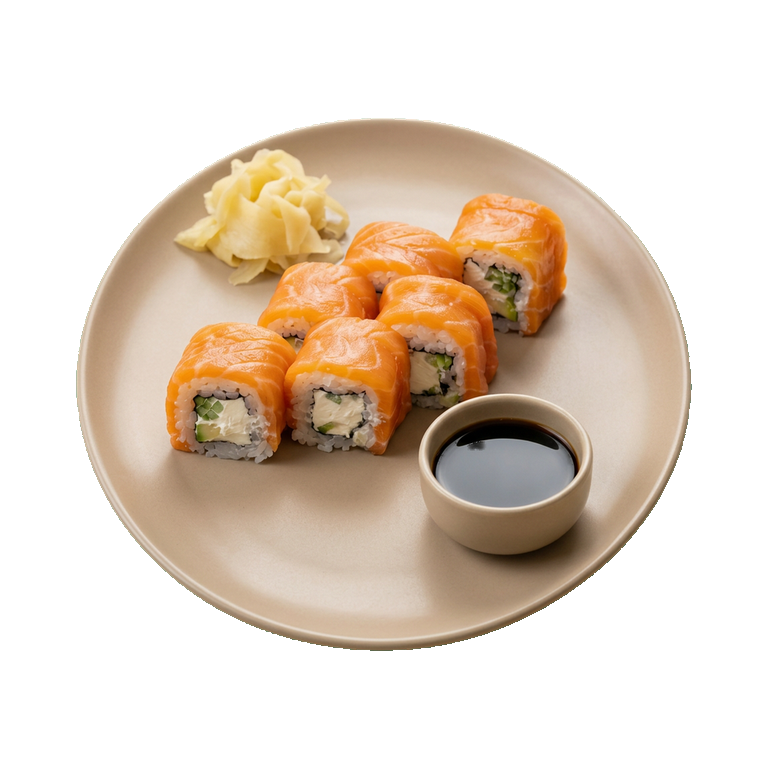
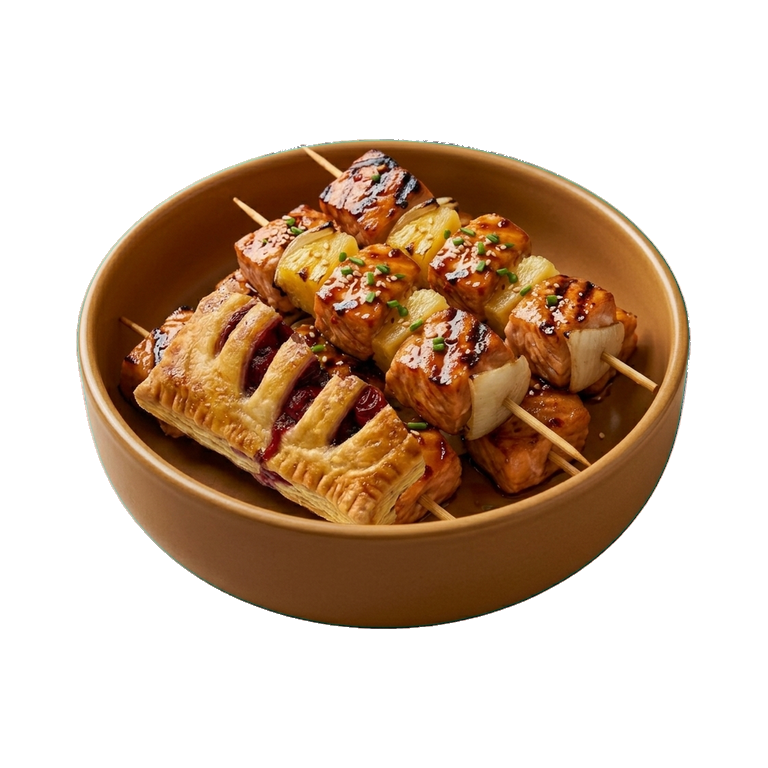
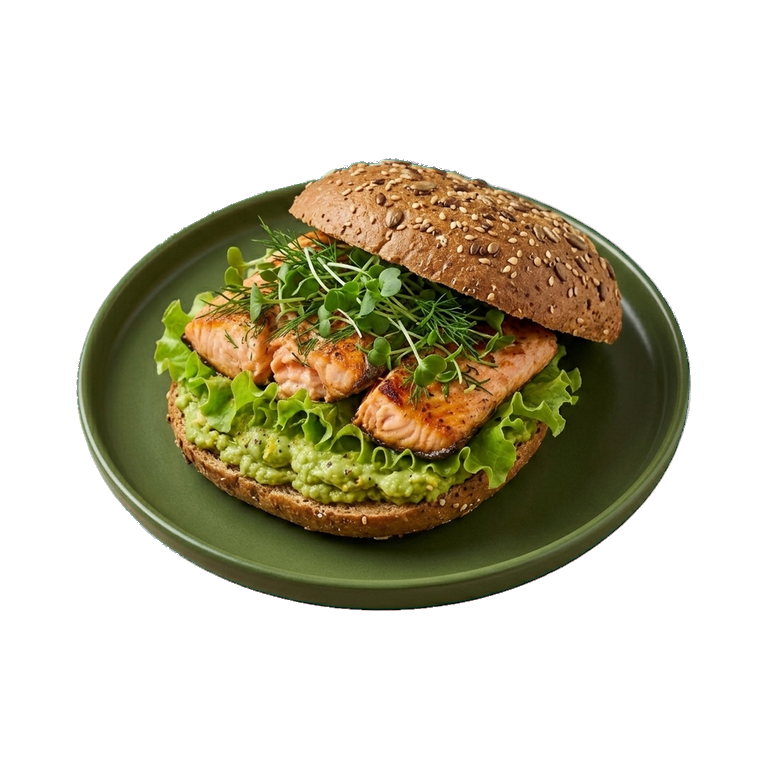
Salmon fillet doesn't require complex manipulations. It performs equally well in a pan, in the oven, on the grill, or even raw in sushi. The main rule is not to overcook it. At a temperature of 60–65°C, the meat remains moist and tender. It's enough to bake for 8–12 minutes in the oven at 200°C or 4–5 minutes in a hot pan on each side.
- In a pan: skin side down, without a lid, so the skin becomes crispy
- In the oven: on a baking sheet with parchment, with lemon and herbs
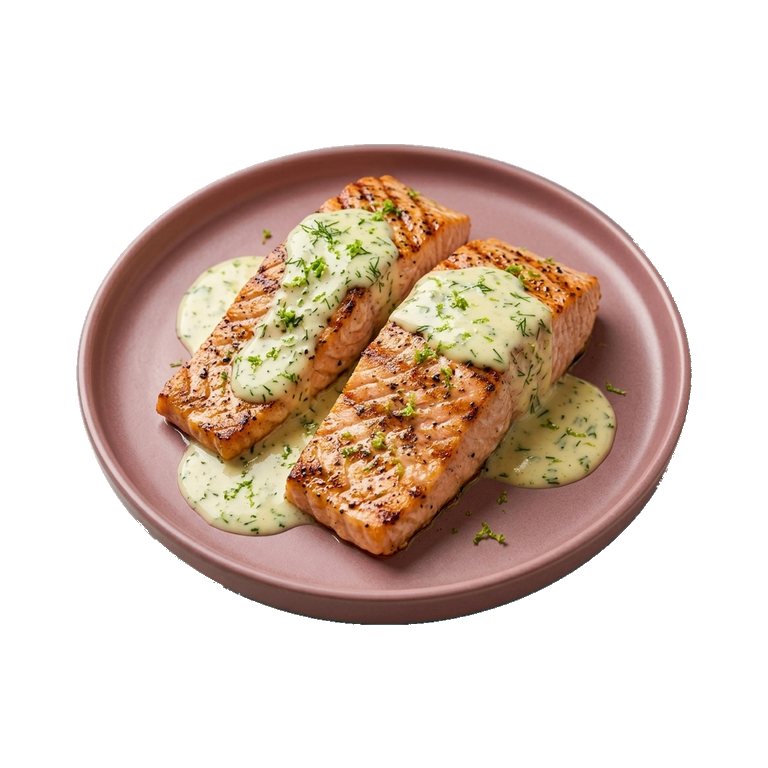
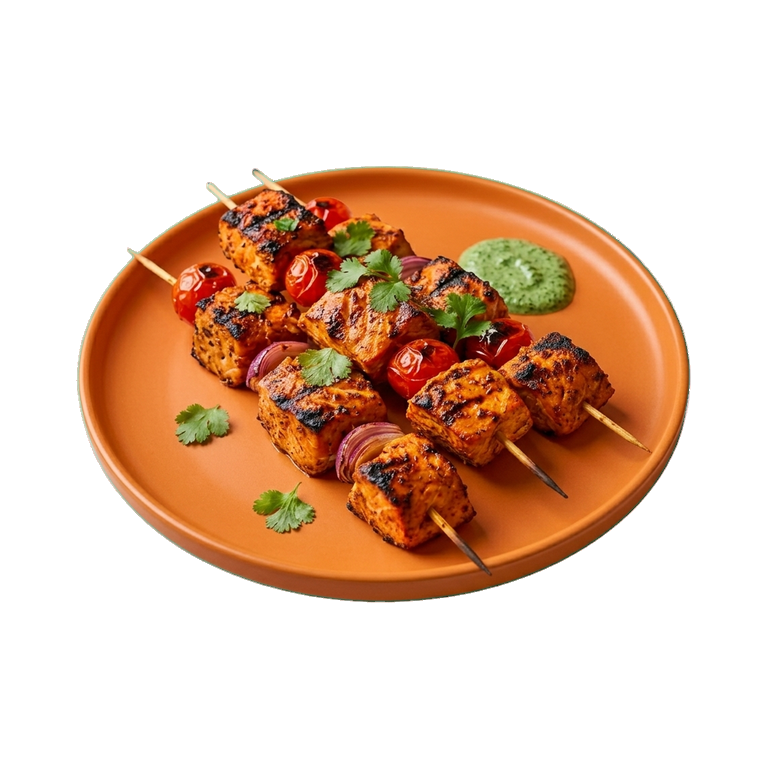
- On the grill: wrapped in foil or on a grate with oil to prevent sticking
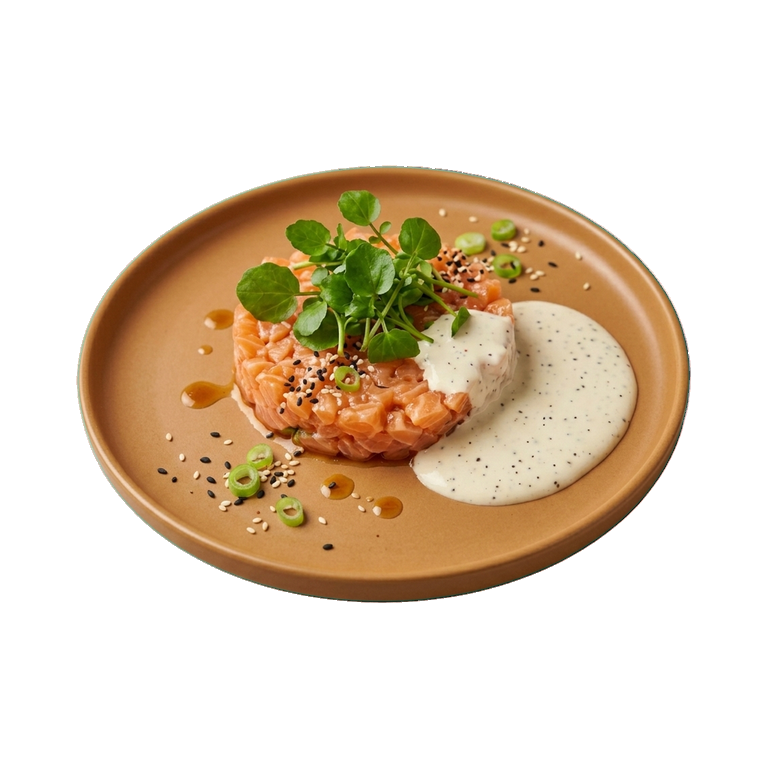
- Raw: only the freshest fillet, thinly sliced for carpaccio or sushi
Pairings and Companions
Salmon respects acidity — lemon, lime, white wine, vinegar. With them, the fish opens up completely. Herbs like dill, parsley, and tarragon emphasize its tenderness. Sharp spices — black pepper, cayenne, wasabi — contrast with the softness of the meat and create an interesting dialogue.
- Creamy sauces with dill or tarragon
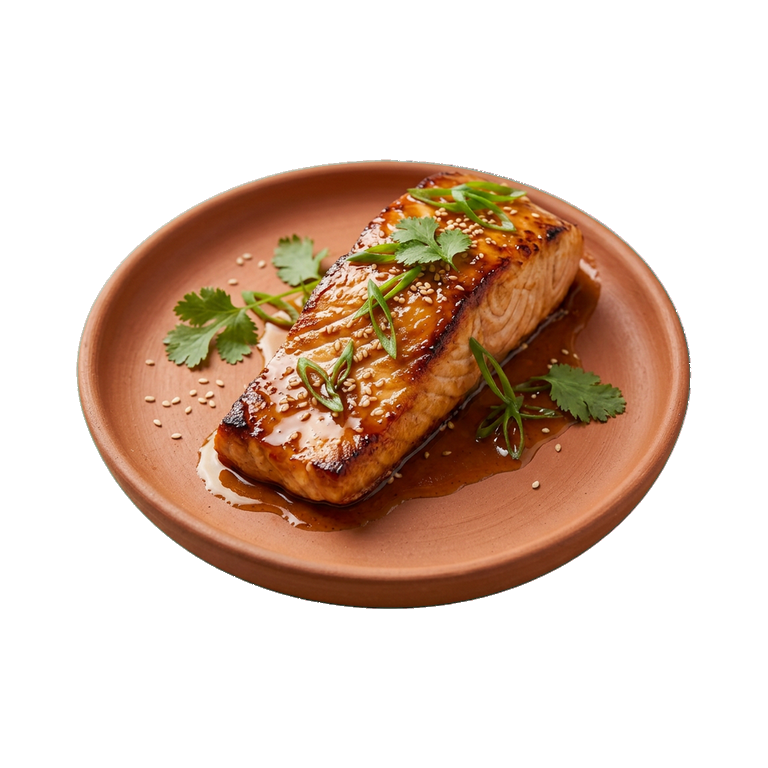
- Asian marinades with soy sauce, ginger and garlic
- Vegetables: asparagus, zucchini, tomatoes, carrots
- Side dishes: rice, potatoes, quinoa, pasta bake
Selection and Storage
When choosing fillet, pay attention to the color — it should be bright, uniform, without gray spots. The meat should not smell of ammonia or decay; the smell should be fresh, marine. The skin (if present) should shine and fit snugly against the meat.
Salmon fillet is finicky when it comes to storage. In the refrigerator, it lasts a maximum of 2–3 days, wrapped in parchment or in an airtight container. If you plan to cook it later — freeze it. Properly frozen fillet maintains its quality for up to three months. Thaw slowly in the refrigerator, not at room temperature.
Salmon fillet is a fish that forgives a beginner's mistakes and delights an experienced cook. It is delicious in its simplicity and worthy of complex sauces. Buy quality, don't be afraid to experiment with temperature and seasonings, and the dish will turn out great.
Nutrition
per 100 g
- Calories
- 208 kcal
- Protein
- 20 g
- Fat
- 13 g
- Carbs
- 0 g
Measures and weight
- 1 pcs
- 180 g
- 1 slice
- 75 g
Measure calculator
- Weight
- 100 g
- Calories
- 208 kcal