Usuba
Usuba
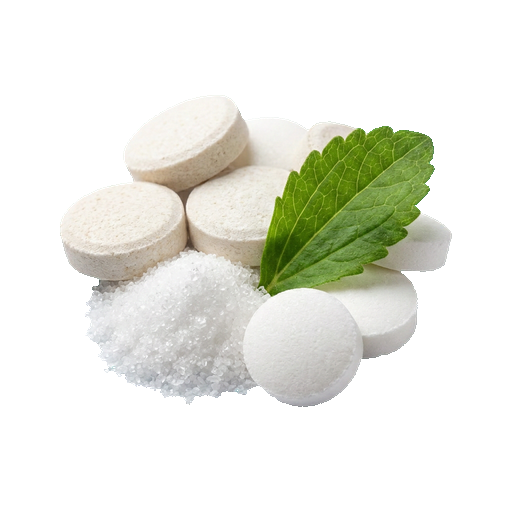
Sugar substitute
Sugar substitute is a synthetic or natural substance that provides a sweet taste with no calories or minimal caloric content. It is used in dietary nutrition, in the preparation of desserts for people with sugar restrictions, and in industrial food production. When choosing a substitute, it is important to consider that different sweeteners have varying degrees of sweetness, may leave an aftertaste, and behave differently when heated — some lose their sweetness while others become bitter, so the right option should be selected for each dish.
About
Sugar substitutes are substances that provide a sweet taste while containing minimal calories or no calories at all. They have become a familiar part of the kitchen for those who monitor their weight, manage blood glucose levels, or simply want to reduce sugar consumption. But these are not just "chemicals" — modern substitutes work in different ways, and each has its own characteristics in cooking.
What are the substitutes
- Synthetic (saccharin, aspartame, sucralose) — intensely sweet, needed in small amounts, withstand heating well, but some people notice an aftertaste
- Sugar alcohols (xylitol, erythritol, sorbitol) — closer to sugar in structure, don't cause insulin spikes, but may have a laxative effect in excess
- Plant-based (stevia, monk fruit) — naturally derived, non-caloric, sometimes leave a herbal aftertaste
How to use in cooking
The main rule: sugar substitutes don't behave quite like sugar. Sugar alcohols and synthetic substances dissolve well in liquids and are suitable for beverages, creams, and mousses. However, in baking they can behave unpredictably — the volume of the dough may change, the crust may not form the same way as with regular sugar.
If you're cooking with a substitute for the first time, start with recipes where sugar acts as a sweetener rather than a structural component. Jams, compotes, creams — substitutes work well here. For complex baking like sponge cake or caramel, it's better to check a recipe specifically adapted for your chosen substitute.
Selection and Storage
- Read the label: check what sweetener is in the ingredients and whether there are any additives you don't need
- Try it in a drink before using in a dish — this way you'll understand if you like the taste and aftertaste
- Store in a tight container in a dry place — most sweeteners are hygroscopic and absorb moisture
- Check the expiration date: some lose their properties over time, especially stevia and plant-based sweeteners
Practical Tips
Not all sweeteners are equally sweet. One teaspoon of sugar is not one teaspoon of sweetener. Manufacturers usually indicate the sweetness coefficient on the packaging. Start with a smaller amount, then add more — it's harder to fix an over-sweetened dish.
Combine different sweeteners if you cook often. Erythritol works well for cold desserts, sucralose for hot drinks, stevia for compotes. This way you'll avoid monotony and find the optimal option for each type of dish.
A sugar substitute is a tool, not a magic wand. It helps control calories and carbohydrates, but the taste and texture of a dish depend on how well you understand which substitute you're working with.
Nutrition
per 100 g
- Calories
- 0 kcal
- Protein
- 0 g
- Fat
- 0 g
- Carbs
- 0 g
Measures and weight
- 1 tbsp
- 12 g
- 1 tsp
- 4 g
- 1 cup
- 200 g
Measure calculator
- Weight
- 100 g
- Calories
- 0 kcal