Usuba
Usuba
Chocolate
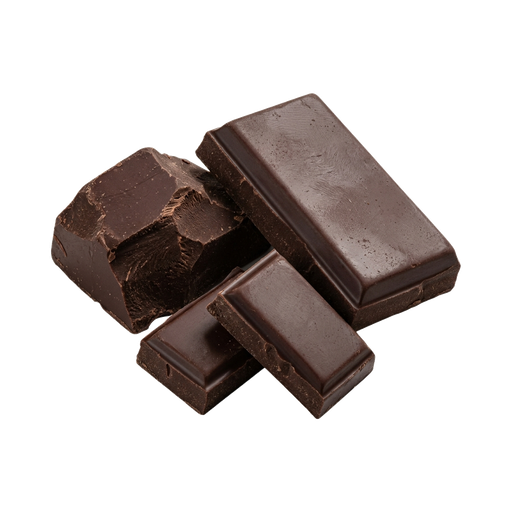
Chocolate is a confectionery product made from cocoa mass, cocoa butter, and sugar, which may contain milk and additives. Its flavor intensity depends on the cocoa percentage: dark chocolate provides bitter notes and depth, milk chocolate offers softness and creaminess, white chocolate delivers sweetness without cocoa flavor. In baking and desserts, chocolate is used for rich aroma and structure, while quality and tempering method affect the gloss, crispness, and uniformity of the finished product.
About
What You Need to Know About Chocolate in the Kitchen
Chocolate is one of the most versatile ingredients in cooking. It works in both sweet desserts and unexpected meat dishes, adding depth and roundness to the flavor. The quality of the finished dish directly depends on the choice of chocolate: its composition, cocoa percentage, and processing method. Therefore, it's worth understanding which type to use and when.
Main types and their role in recipes
- Dark chocolate (70% cocoa and above) — the choice for those who appreciate intensity. Used in mousses, puddings, sauces, and cakes where a pronounced bitterness is needed. Pairs well with tart berries and spices.
- Milk chocolate (30–50% cocoa) — softer and sweeter, ideal for everyday baking, glazes, and candies. Melts more easily and is better suited for beginner pastry chefs.
- White chocolate (cocoa butter without cocoa solids) — temperamental to work with, requires careful heating. Used for decoration, fillings, and creams. Its creamy flavor pairs well with vanilla and citrus.
- Semi-dark chocolate (50–70% cocoa) — the golden mean. Versatile for most recipes: suitable for baking, sauces, and adding to dough.
Aroma and Taste: What to Pay Attention to
When choosing chocolate, pay attention to the cocoa percentage — it's the first indicator of flavor intensity. But the composition is equally important: good chocolate should contain only cocoa butter, cocoa solids, sugar, and lecithin. If the ingredient list contains many additives and vegetable oils instead of cocoa butter, it will affect the quality of the dish and its texture when melting.
Flavor notes vary depending on the origin of the cacao beans. Some varieties produce fruity notes, others — nutty, still others — spicy. This is not just marketing: these nuances really do manifest in finished dishes, especially in desserts, where chocolate is the star.
Practical tips for working in the kitchen
- Melt chocolate in a double boiler or microwave in pulses — direct heat causes burning. Monitor the temperature: optimal range is 40–50 degrees Celsius.
- If you need a glossy surface and crispy coating, use the tempering technique — cooling and reheating melted chocolate. This stabilizes cocoa butter and improves consistency.
- Add liquid ingredients (liqueurs, oils, creams) carefully and gradually — chocolate may seize from sudden contact with moisture.
- For puddings and mousses, dark chocolate is often blended with milk chocolate to soften bitterness while preserving depth of flavor.
What chocolate works best with
Dark chocolate pairs well with red currants, raspberries, oranges, and coffee. Milk chocolate opens up next to caramel, salt, nuts, and vanilla. White chocolate will complement strawberries, passion fruit, and lavender. Spices manifest interestingly in all types of chocolate: cinnamon, cardamom, pepper, and ginger. Even in savory dishes — for example, in duck sauce or spicy chili — dark chocolate adds roundness and complexity to the flavor.
Selection and Storage
Store chocolate in a cool, dry place at a temperature of 15–18 degrees, away from strong odors. Humidity and sharp temperature fluctuations lead to "blooming" — the appearance of a white coating on the surface. This is not spoilage, but the texture and appearance deteriorate. It is best to keep the bar in its original packaging or wrapped in foil. With proper storage, chocolate lasts a year or more.
Good chocolate is not a luxury, but an investment in the quality of a dish. Even a simple recipe will take on new colors if you use chocolate with a good composition and bright flavor.
Nutrition
per 100 g
- Calories
- 540 kcal
- Protein
- 7.2 g
- Fat
- 30.5 g
- Carbs
- 57.9 g
Measures and weight
- 1 pcs
- 90 g
- 1 slice
- 25 g
Measure calculator
- Weight
- 100 g
- Calories
- 540 kcal