Usuba
Usuba
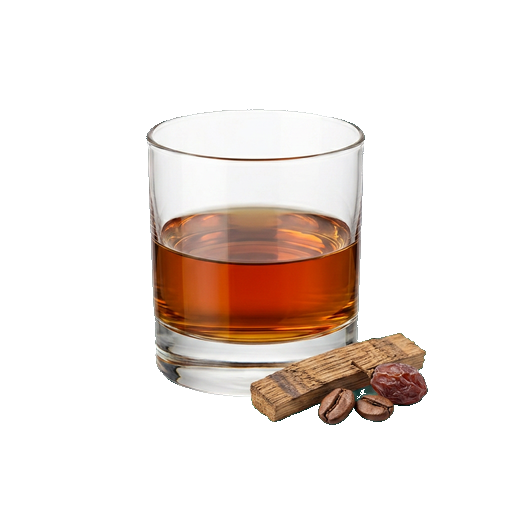
Cognac
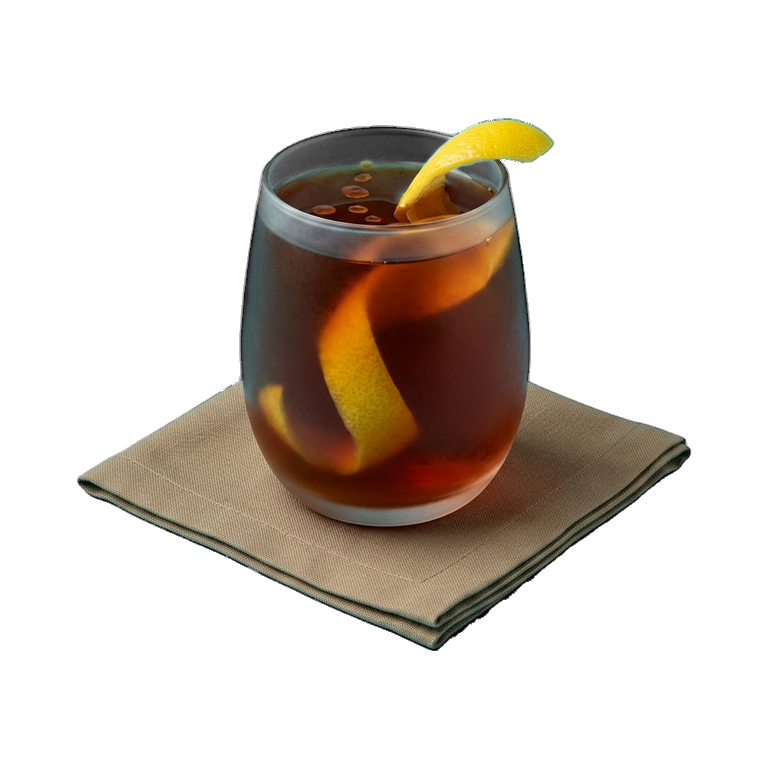
A strong spirit distilled from grape alcohol, aged in oak barrels and acquiring a golden color and rich flavor with notes of vanilla, oak, and dried fruits. In cooking, cognac is used to prepare sauces, marinades, desserts, and meat dishes, where it adds depth of flavor and helps reveal the aromas of other ingredients. When choosing cognac for cooking, it's important to remember that part of the alcohol evaporates during heating, so for an intense flavor, it's better to add cognac near the end of cooking or use more pronounced varieties.
About
Cognac in cooking is not just a drink for celebrations, but a serious ingredient that transforms dishes. Its strength, deep aroma, and complex flavor profile make it an indispensable helper in the kitchen. When you add cognac to a sauce, it not only gives the dish a noble taste, but also helps reveal the aromas of other components.
Aroma and taste in dishes
When heated, alcohol evaporates, leaving behind a soft, warming flavor with notes of vanilla, oak, and subtle sweetness. It's not a harsh punch, but rather a background harmony that brings together the other ingredients. In meat sauces, cognac enhances depth, in desserts it adds elegance, and in soups it creates a rounded flavor profile.
Important note: cognac should be used in moderation. A couple of tablespoons per serving of sauce is enough to feel its presence, but not overdo it. If you add too much, the drink will overpower all other flavors and the dish will become tasteless.
Where and how to use it
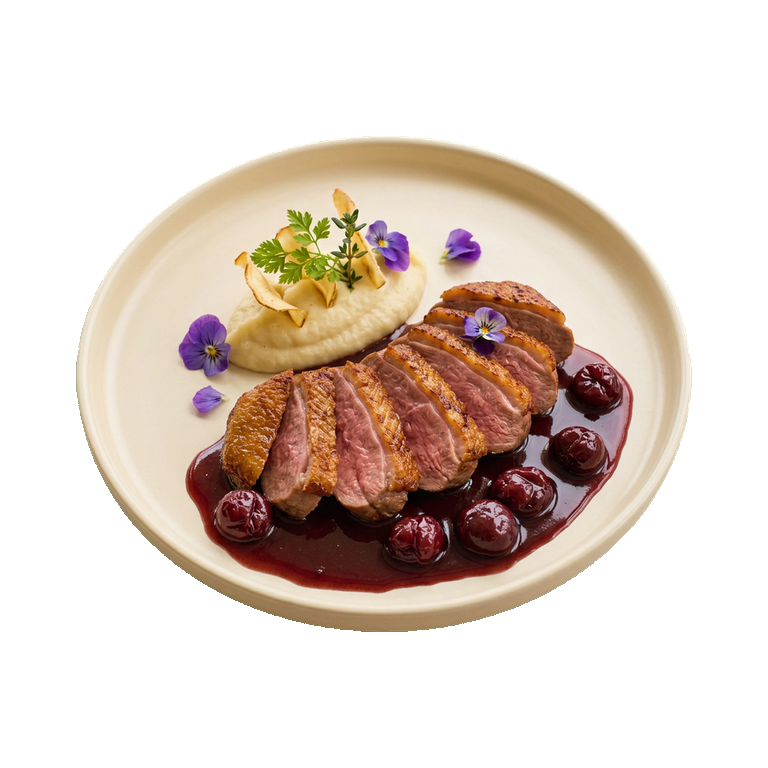
Cognac works in three main directions: sauces, marinades, and desserts. In sauces, it is added after searing meat or mushrooms — the alcohol helps extract all their aroma and creates the base for a thick, rich sauce. In marinades, cognac softens the meat fibers and adds nobility to it. In desserts — pears in cognac, mousses, creams — it highlights fruity notes and adds sophistication.
- Meat sauces (for steak, duck, game)
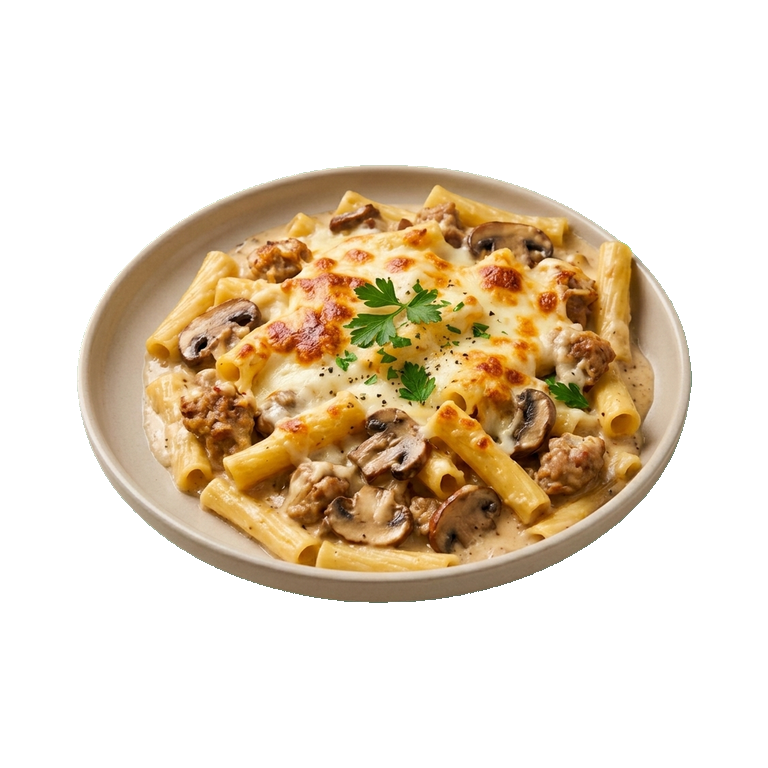
- Mushroom sauces (for chicken or veal)
- Marinades for meat and poultry
- Fruit compotes and jams
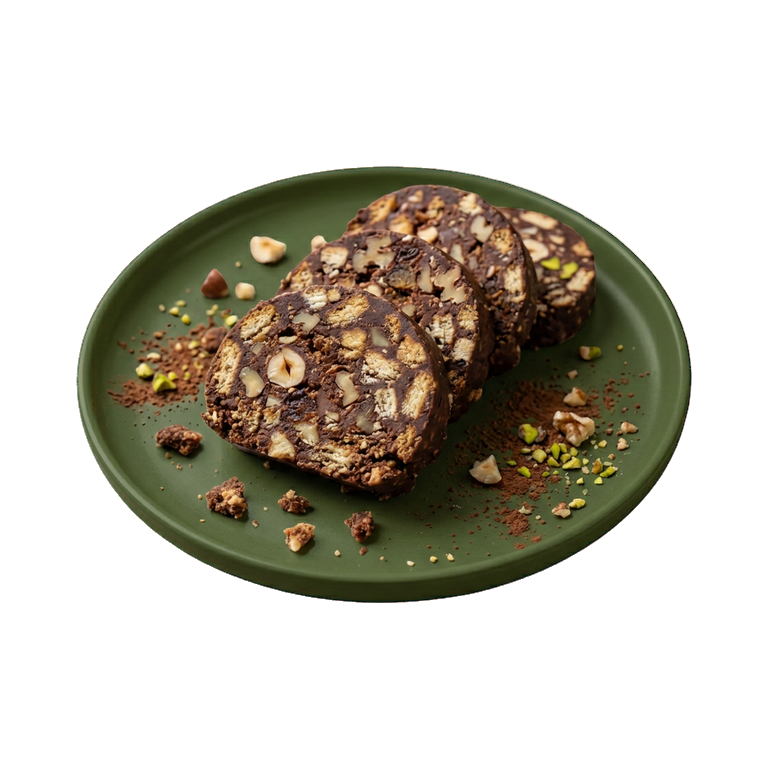
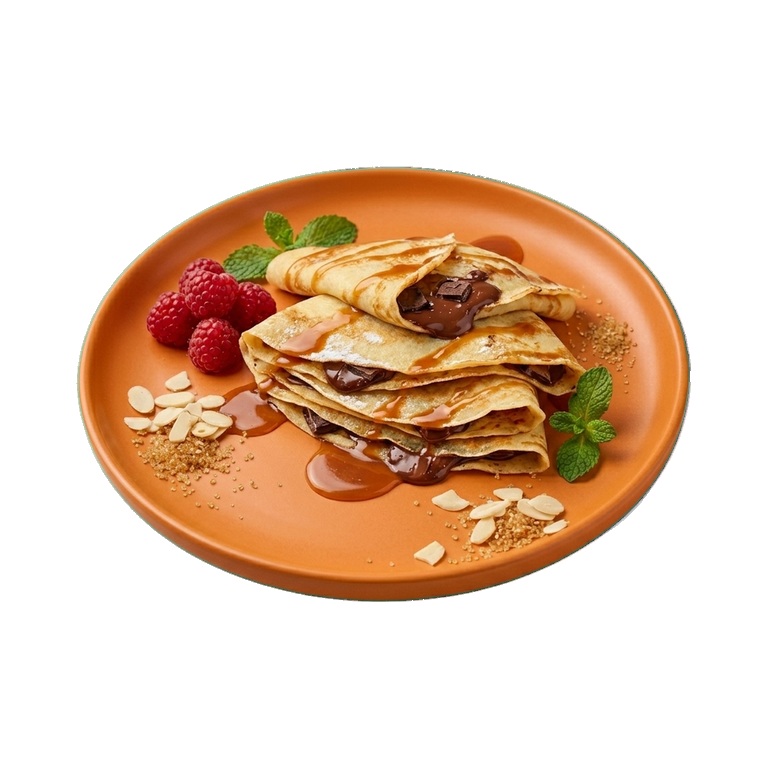
- Chocolate and cream desserts
Selection and application in the kitchen
For culinary purposes, you don't need to buy expensive premium cognac. A mid-range priced drink will do — its quality is quite sufficient to enrich the flavor of the dish. The main thing is that it's real cognac, not an imitation or cheap counterfeit.
When adding cognac to a hot dish, always let the alcohol evaporate — cook the sauce or dish for another 2–3 minutes on heat. This way you'll get rid of the sharp alcoholic taste and get only a noble aroma. If you're cooking for children or want to completely avoid alcohol, remember that with prolonged heat treatment (more than 15 minutes of boiling) the alcohol almost completely evaporates.
Store cognac in a cool, dark place, tightly sealed. An opened bottle should be used within a few months before the drink begins to oxidize and lose its qualities.
Cognac in the kitchen is a tool for creating depth and complexity of flavor. Use it consciously, and it will become your faithful helper in preparing exquisite dishes.
Nutrition
per 100 ml
- Calories
- 244 kcal
- Protein
- 0 g
- Fat
- 0 g
- Carbs
- 0.4 g
Measures and weight
- 1 tbsp
- 13.1 g
- 1 tsp
- 4.3 g
- 1 cup
- 217.5 g
Measure calculator
- Weight
- 100 g
- Calories
- 280 kcal