Usuba
Usuba
Garam Masala
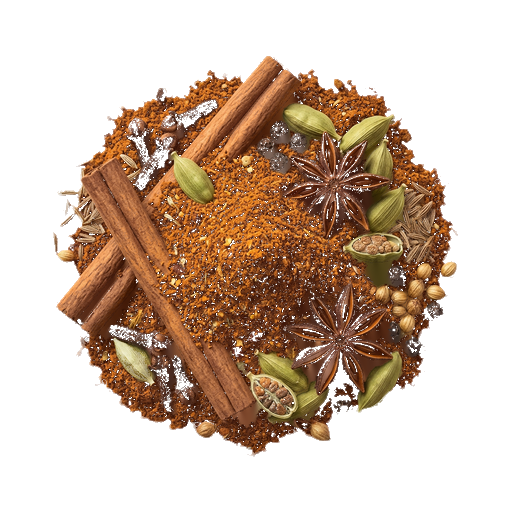
Garam masala is a blend of ground spices that forms the foundation of Indian cuisine and imparts a warm, slightly spicy and aromatic flavor with notes of coriander, cumin, and black pepper. It is typically used in curries, stews, marinades, and even tea beverages, added at the end of cooking to preserve its aroma. When selecting garam masala, pay attention to the freshness of the blend — quality garam masala should have a rich, vibrant scent rather than a stale one, and stores well in an airtight container in a cool place.
About
Garam masala is not a single specific flavor, but an entire symphony. In each pinch of this spicy blend are gathered warm, slightly sweet notes that create depth and roundness in dishes. When you open a jar, you are greeted by an aroma in which both sharpness and softness are heard simultaneously. It is not an aggressive spice, but rather its wise mentor, one that knows when to stop.
Aroma and Taste
Garam masala typically contains black cardamom, cinnamon, cloves, black pepper, and bay leaf. Each component makes its own contribution: cardamom imparts a floral coolness, cinnamon — sweetness and warmth, cloves — a sharp note, pepper — a lively bite. Together they create a flavor profile that simultaneously warms and stimulates the appetite.
The aroma of garam masala manifests differently depending on how you use it. In its raw form, it is somewhat sharp and spicy. But once you heat it in a dry pan or in oil — it reveals itself quite differently, becoming softer and more aromatic. This is an important point: heating the spice changes its character.
When and how to use
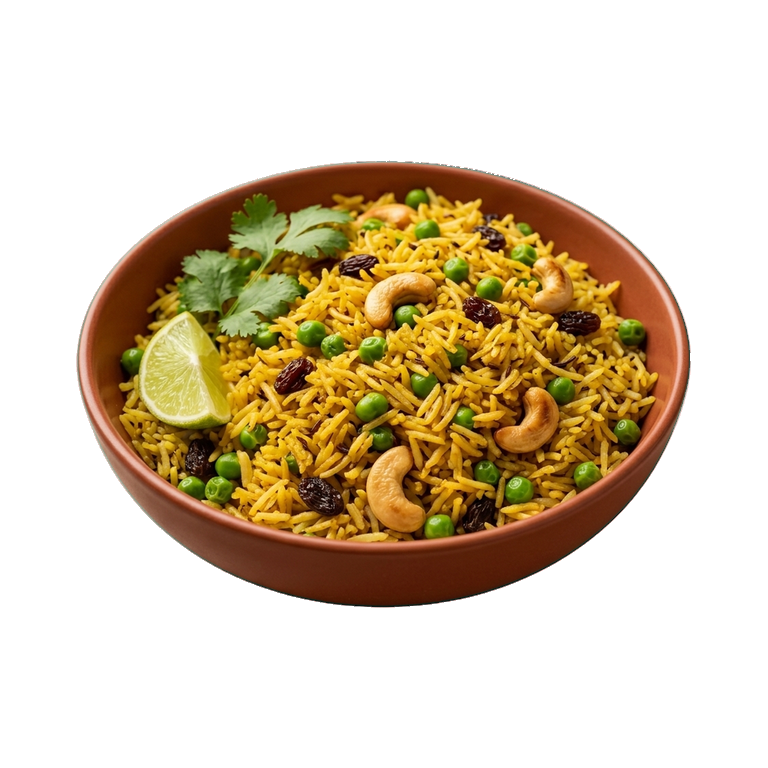
Garam masala works everywhere you need spicy depth without excessive heat. It is added to curries, soups, marinades for meat, and vegetable stews. It is great in dishes with lentils and chickpeas, in rice pilafs, and in sauces. Even a simple vegetable side dish becomes more interesting if you sprinkle it with a pinch of this mixture at the end.
The best way is to add garam masala to heated oil or clarified butter at the beginning of cooking so it releases its aroma, or sprinkle it on the dish at the very end for freshness. Many chefs use both methods at once: part of the mixture in the oil, part at the finishing moment. This gives both depth and brightness at the same time.
Combinations and Pairings
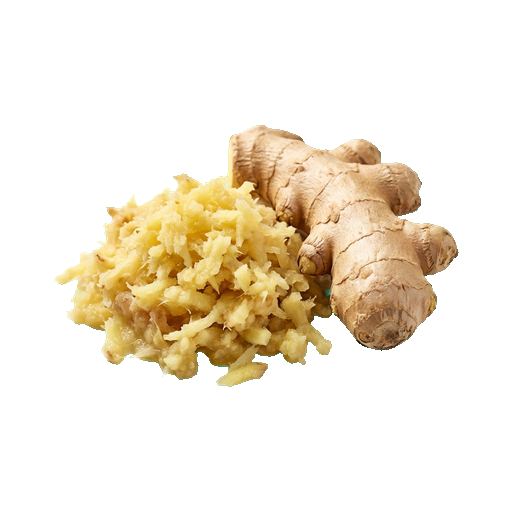
Garam masala pairs well with spicy spices: chili, cayenne pepper, and fresh ginger. Together they create a complex flavor profile. It works excellently with dairy products — yogurt, cream, coconut milk — softening them and adding piquancy. With tomatoes, onions, and garlic, garam masala forms a classic base for many dishes.
Remember that garam masala is already a ready-made blend. If you're adding it to a dish that already contains cinnamon or cloves, think about the balance. Sometimes it's better to use it as a final touch rather than as a base.
Selection and Storage
When choosing garam masala, rely on its smell. A good blend has a bright and pleasant aroma, without mustiness or mold. The color should be dark, but not black or burnt. If possible, buy from places with good turnover — freshness is critical here. Ground mixture loses its aroma faster than whole spices, so check the packaging date.
Store garam masala in an airtight jar in a dark, cool place — away from sunlight, heat, and moisture. When stored properly, it retains its aroma and flavor for several months. If you cook frequently, it makes sense to buy small quantities. Some chefs prefer to store the mixture in the freezer to maximize its shelf life.
Garam masala is not an exotic spice to be afraid of. It's a tool that helps turn an ordinary dish into something extraordinary. Start small: a pinch in soup, a bit in a marinade. Soon you'll understand how this blend works in your kitchen, and you'll use it with confidence and creativity.
Nutrition
per 100 g
- Calories
- 330 kcal
- Protein
- 12.7 g
- Fat
- 14.3 g
- Carbs
- 55.9 g
Measures and weight
- 1 tbsp
- 13.5 g
- 1 tsp
- 4.5 g
- 1 cup
- 225 g
Measure calculator
- Weight
- 100 g
- Calories
- 330 kcal