Usuba
Usuba
Bread
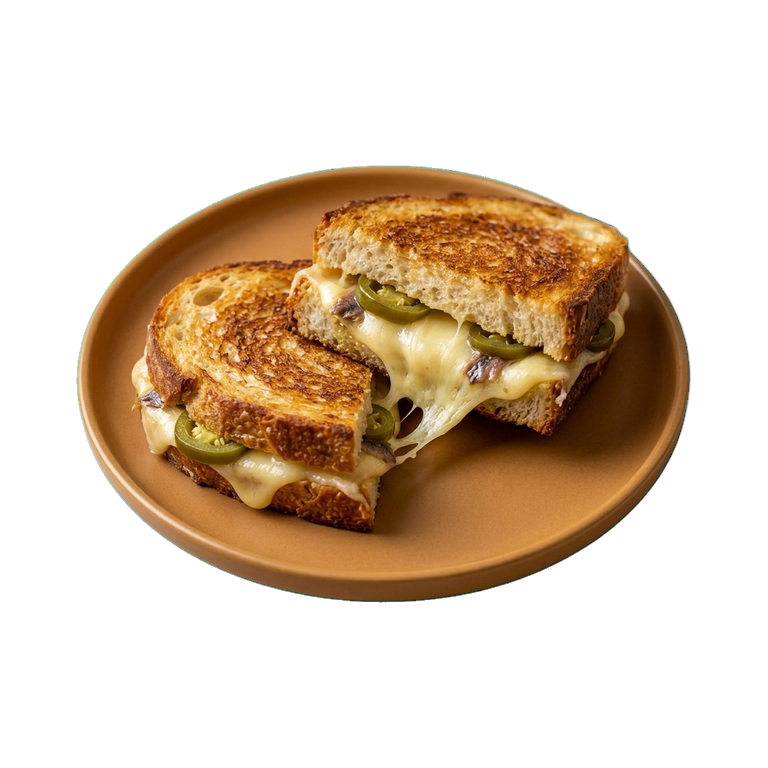
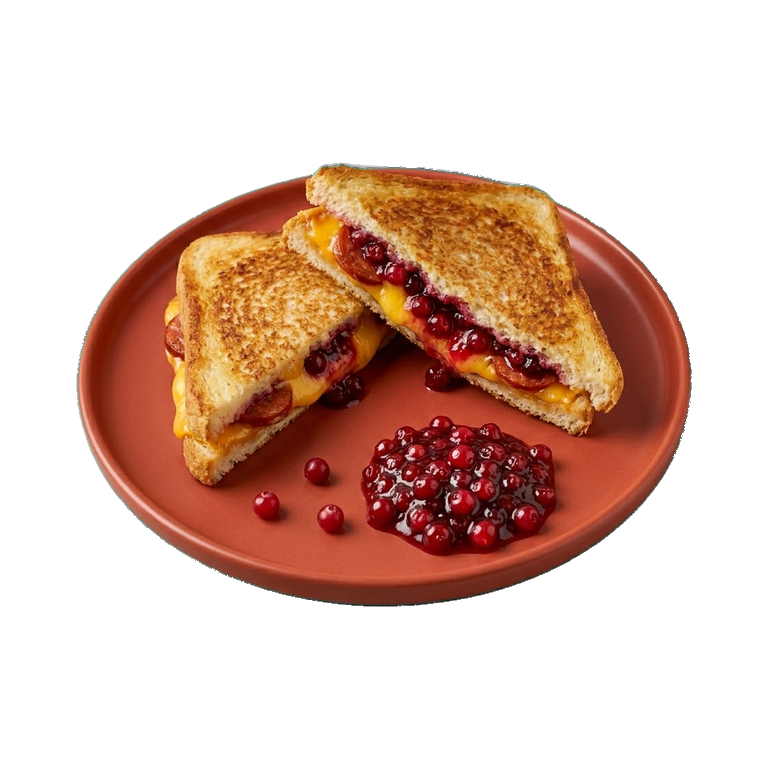
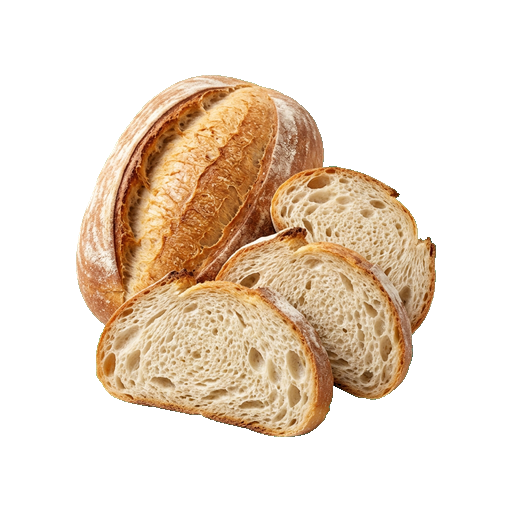
Bread is a staple carbohydrate product made by baking dough from flour, water, and sourdough starter or yeast. In cooking, it is used both as a standalone dish and as a base for sandwiches, a side dish, or an ingredient in other dishes. When choosing bread, it is important to consider its moisture content, crumb density, and baking time, as fresh bread absorbs sauces better and is suitable for toasts, while stale bread is easier to slice thinly and can be used for breading or croutons.
About
Bread is one of the most versatile ingredients in the kitchen. It is not just a side dish or the base for a sandwich, but a full-fledged component that changes a dish depending on its type, moisture, and flavor. Fresh bread, stale, toasted, crumbled — each state opens up new possibilities in cooking.
Taste and texture depending on type
White bread is soft and neutral — ideal for absorbing sauces and creating breadcrumbs. Black and rye bread are denser, with a pronounced flavor and sourness that enrich soups, gravies, and salads. Whole grain bread adds texture and nutrition to dishes. Each type works in its own way: white bread dissolves in liquid, black bread holds its shape and adds character.
Role in dishes
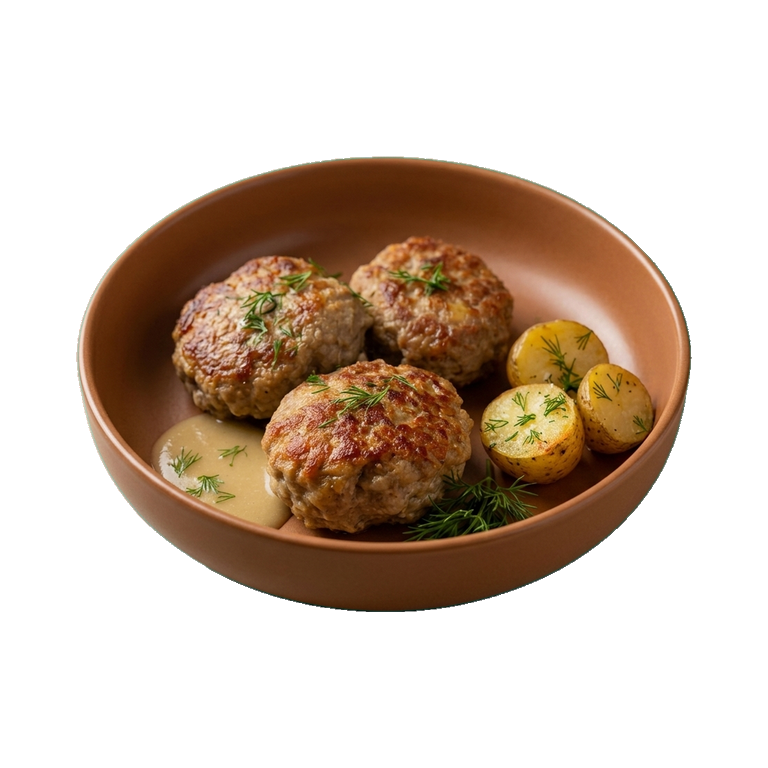
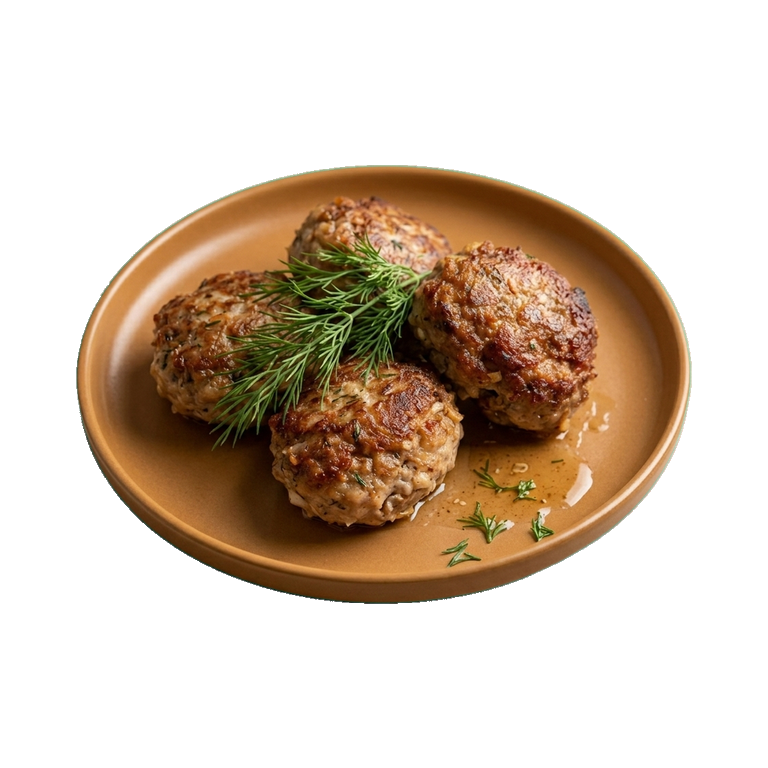
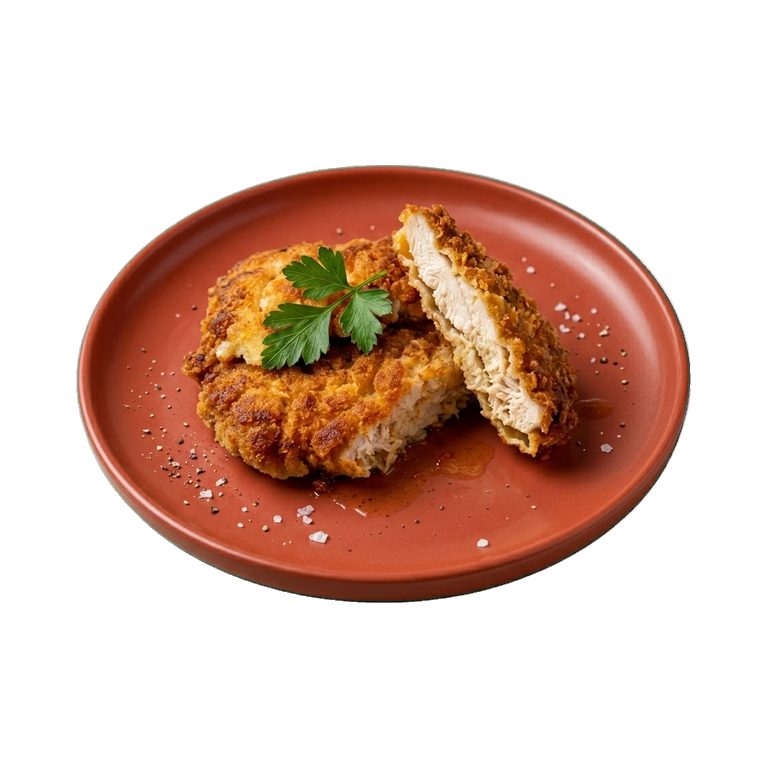
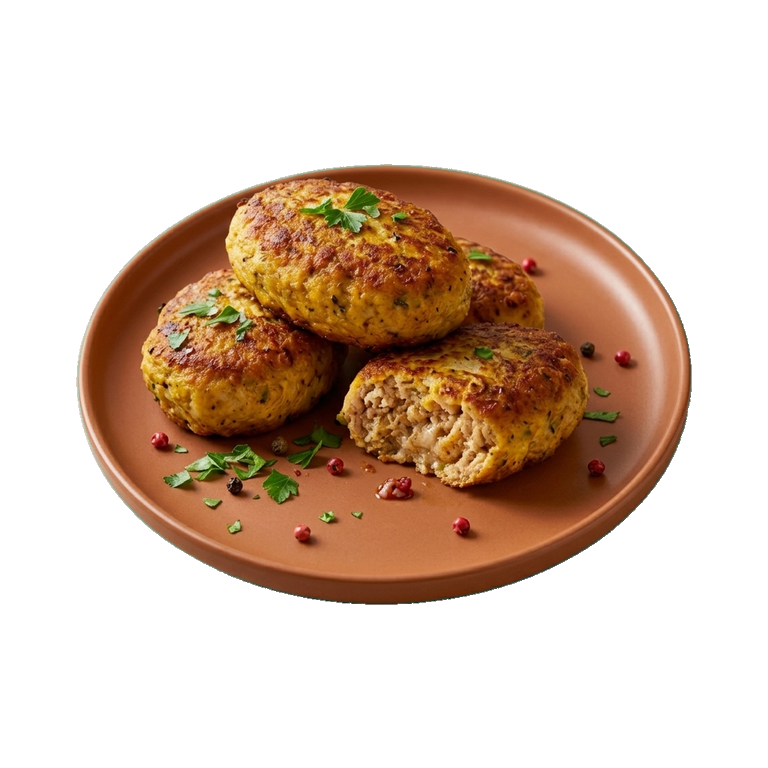
- Breading and thickener — stale bread is crumbled into breadcrumbs for breading meat, fish or vegetables, or soaked in milk for tender cutlets and meatballs
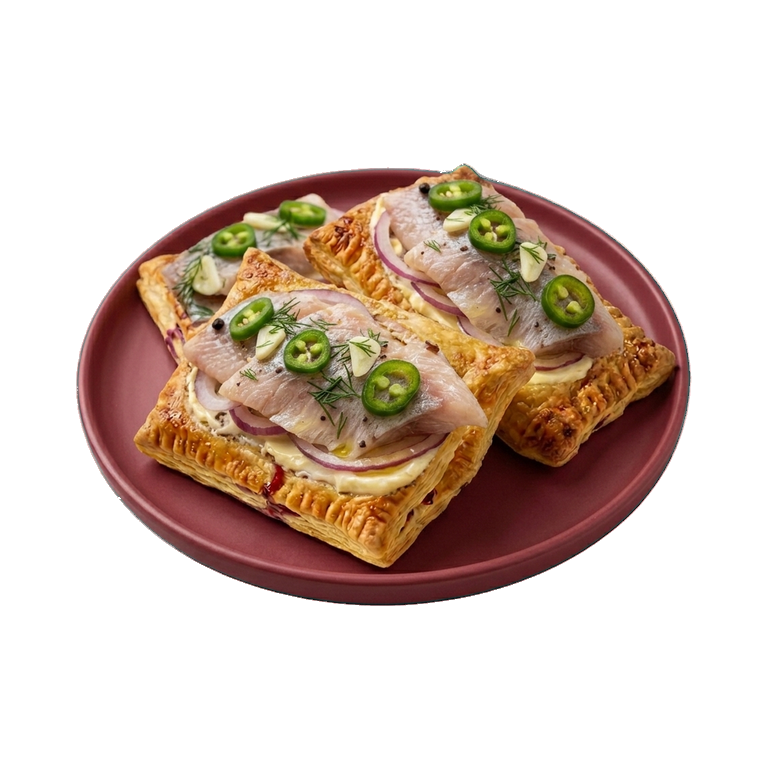
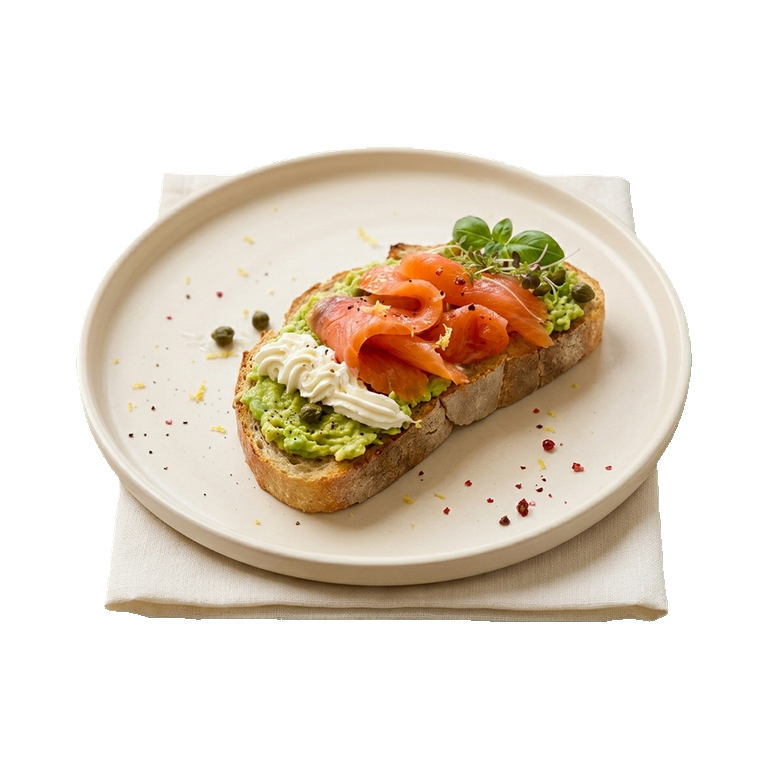
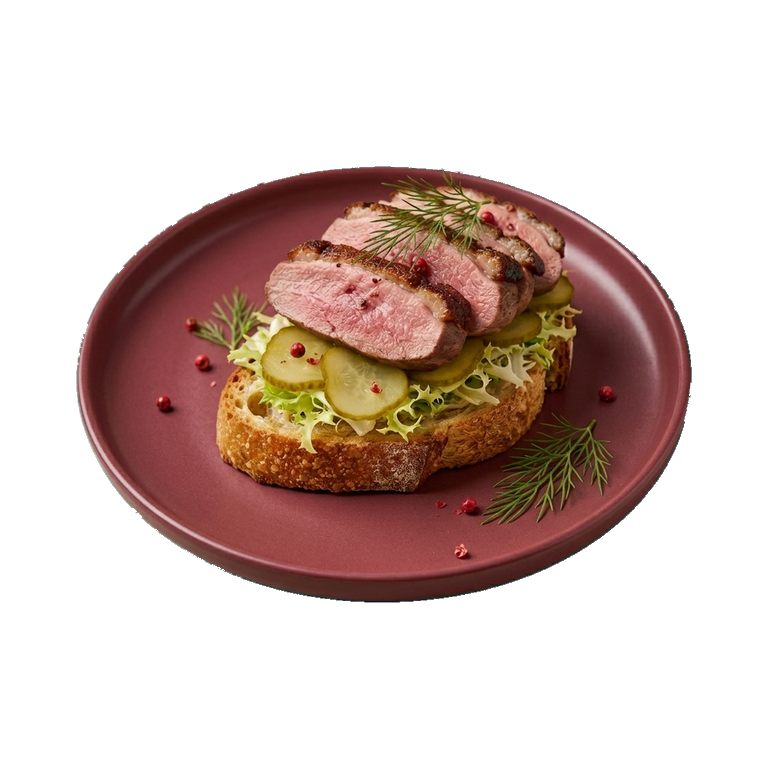
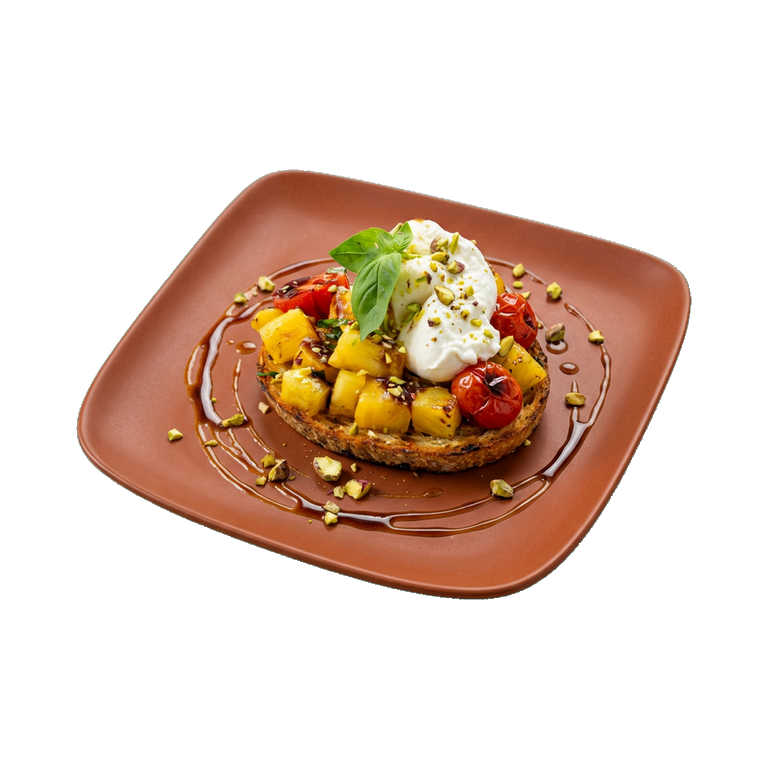
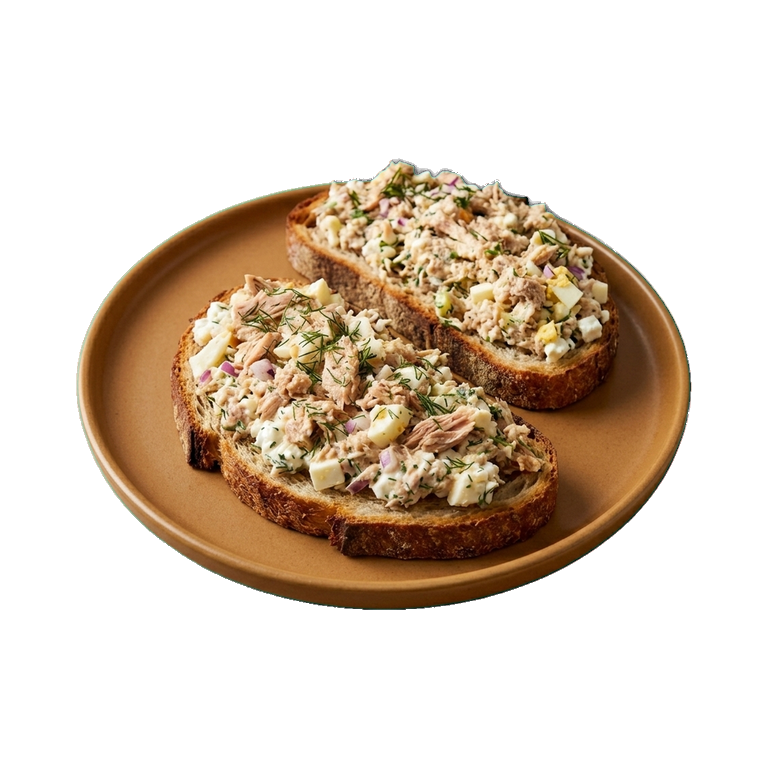
- Base for salads and appetizers — cubes of fried bread (croutons) add crunch, slices serve as a base for pâtés and cheese
- Thickener for soups — white bread crumb dissolves in hot broth, making the soup creamy and satisfying
- Base for sweet and savory puddings — soaked bread is mixed with eggs, milk and spices
- Component for sauces — bread crumb helps bind and thicken sauces, giving them a soft consistency
Successful Pairings
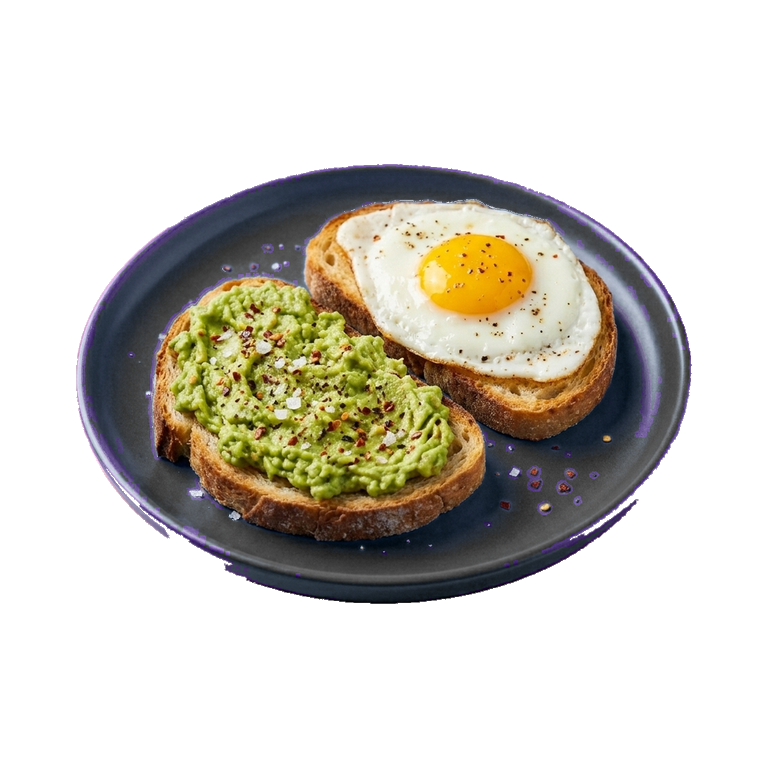
White bread pairs well with milk, eggs, butter, and delicate sauces. Black and rye bread go great with meat gravies, sauerkraut, mushrooms, and spicy spices. Whole grain bread suits vegetables, legumes, and savory sauces. Toasted bread is versatile — its crispness contrasts with creamy textures and complements any salads.
Selection and Preparation
- For breading and crumbs — choose stale bread; if it's fresh, dry it in the oven at 120°C for 10–15 minutes
- For absorption and thickening — fresh or slightly dried white bread works well; cut it into cubes or slices
- For frying — cut bread into cubes, fry in oil until golden; croutons can be stored in an airtight container for up to two weeks
- For soaking — use milk, broth, or water depending on the recipe; bread should be completely saturated but not fall apart
Don't throw away stale bread — it's a treasure for the kitchen. Ground into crumbs, it becomes breadcrumbs; soaked, it thickens and enriches dishes; toasted, it adds texture and flavor. Old bread often works better than fresh.
Store fresh bread in a bread box or paper bag at room temperature — this way it won't dry out too quickly and won't become moldy. Sliced bread in the freezer keeps for months; take out slices as needed. Keep croutons and bread crumbs in a tightly closed container — they don't require refrigeration and are always ready to use.
Nutrition
per 100 g
- Calories
- 265 kcal
- Protein
- 8.4 g
- Fat
- 3.2 g
- Carbs
- 49.4 g
Measures and weight
- 1 pcs
- 400 g
- 1 slice
- 30 g
- 1 loaf
- 700 g
Measure calculator
- Weight
- 100 g
- Calories
- 265 kcal