Usuba
Usuba
Meat
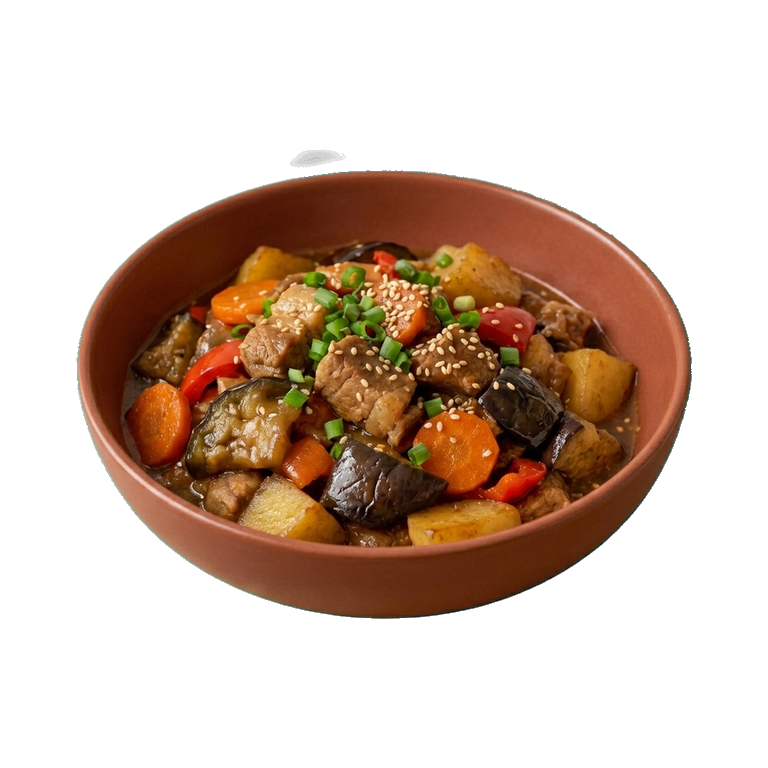
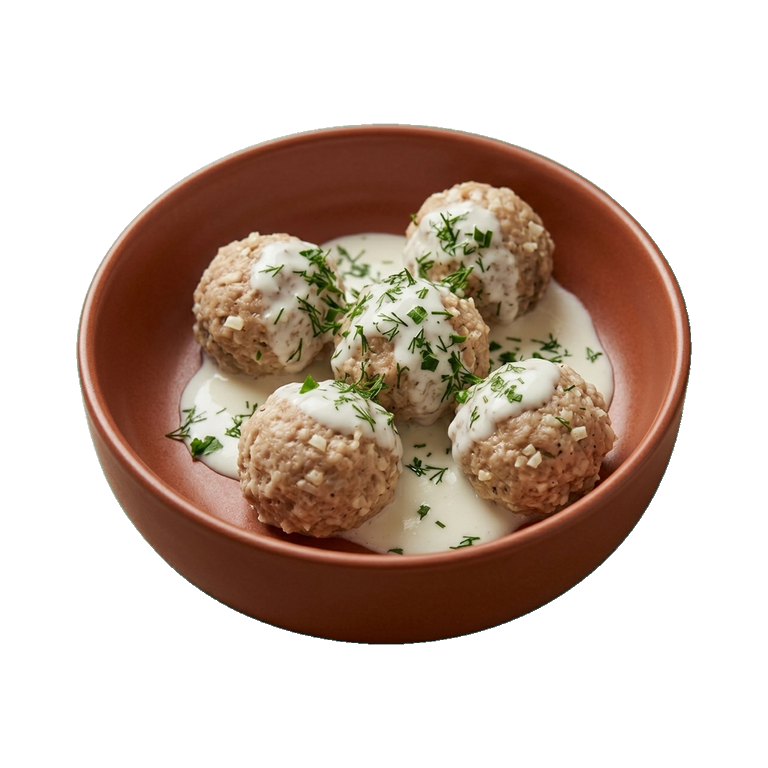
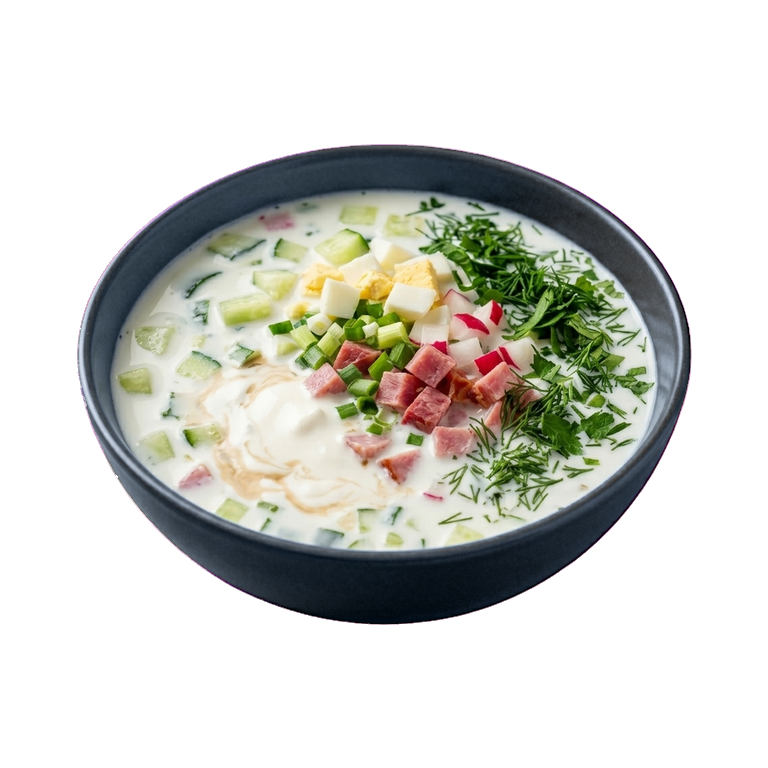
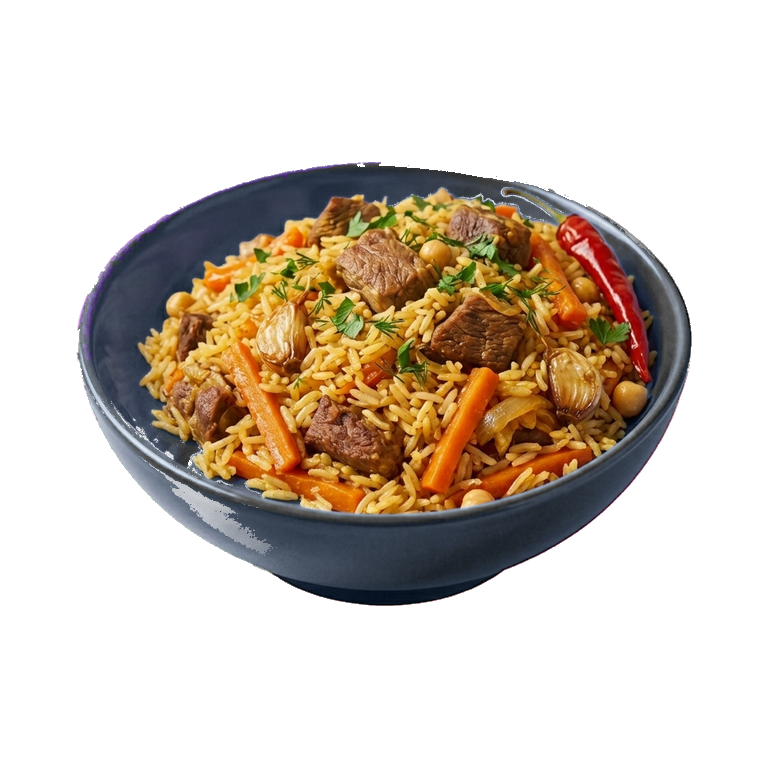
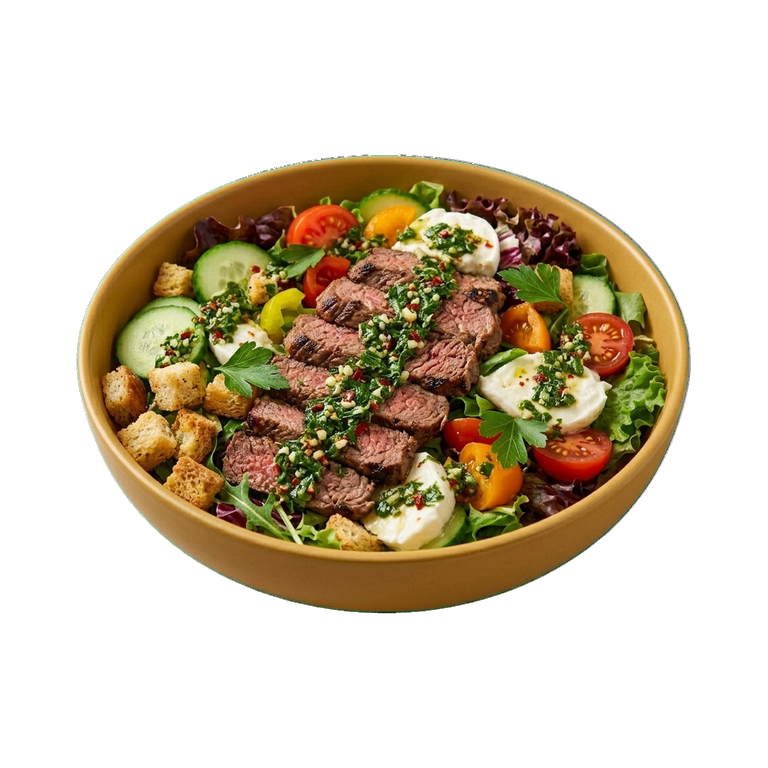
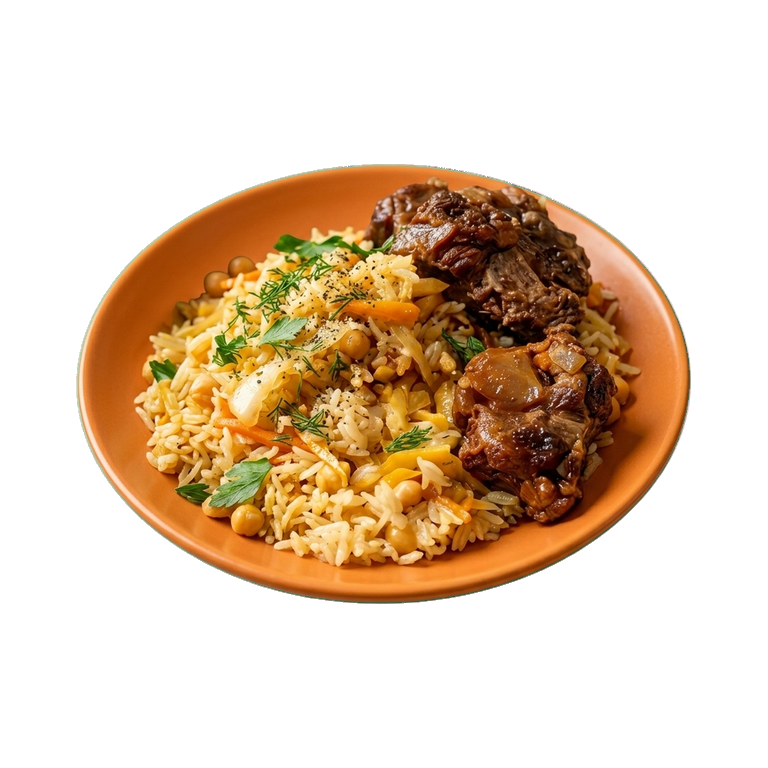
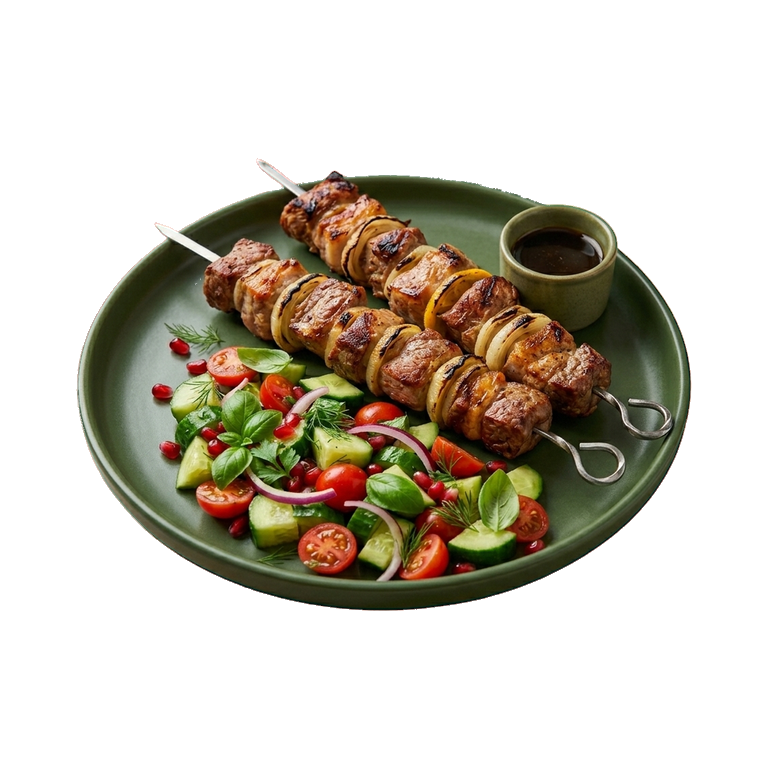
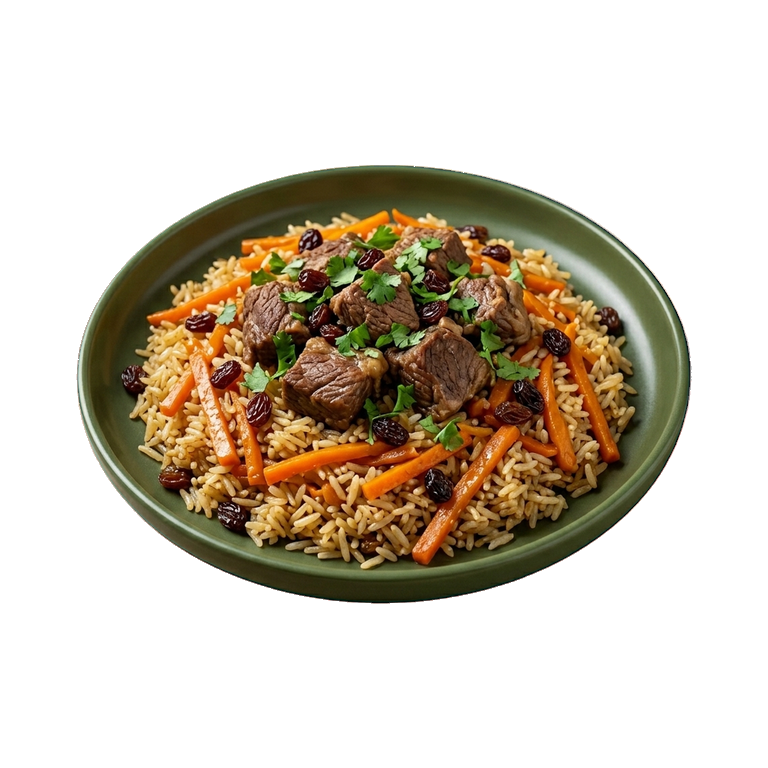
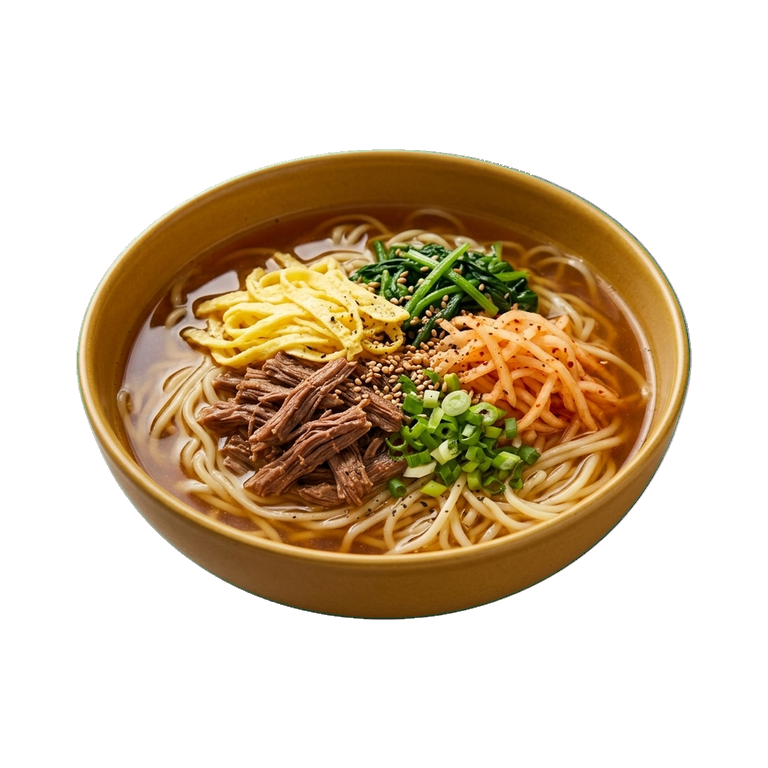
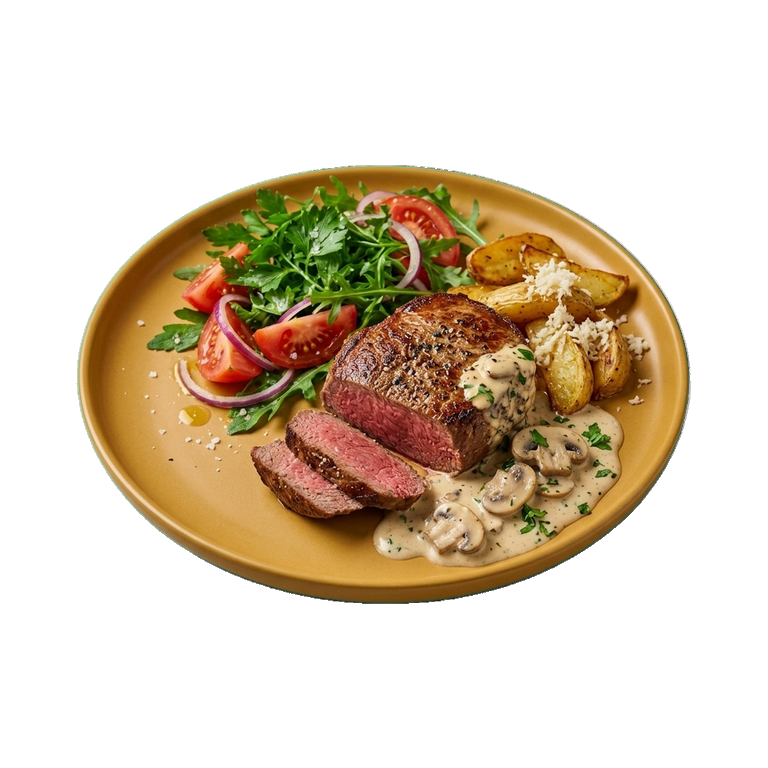
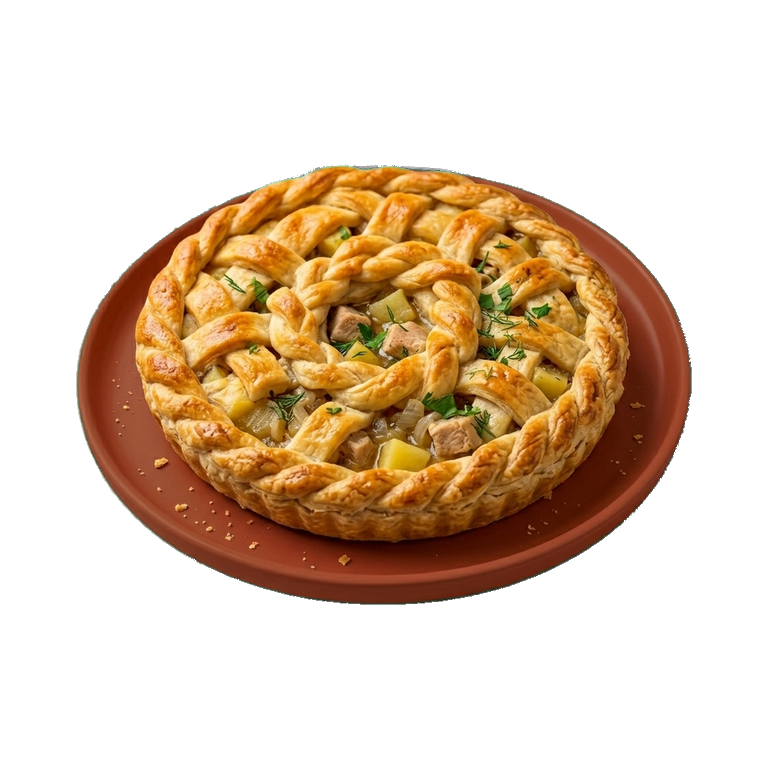
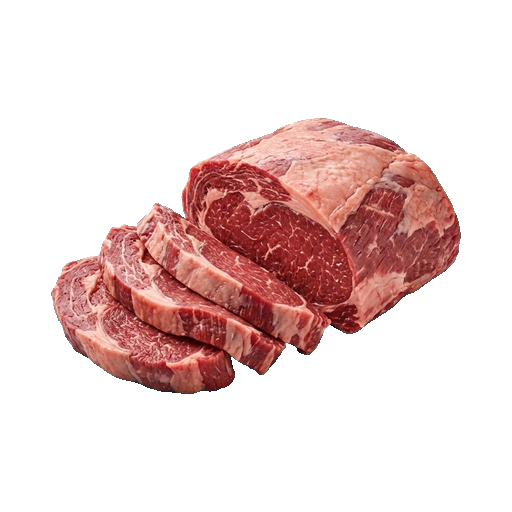
Meat is the primary source of protein and iron in cooking, used in cuisines around the world. Each type of meat has its own flavor profile: beef is denser and richer, pork is more tender, poultry is more delicate, lamb has a characteristic piquancy. When choosing meat, pay attention to color, smell, and fiber structure, and when cooking, consider the cooking time and cutting method — the final texture of the dish depends on these factors.
About
Meat is one of the most versatile and nutritious ingredients in the kitchen. Its role in cooking is difficult to overestimate: it serves as the basis for soups, sauces, stews, ground meat, and hot dishes. Each type of meat has its own character, its own fiber structure, and its own potential in a dish. Understanding these differences is the key to cooking confidently and deliciously.
Which meat for which dish
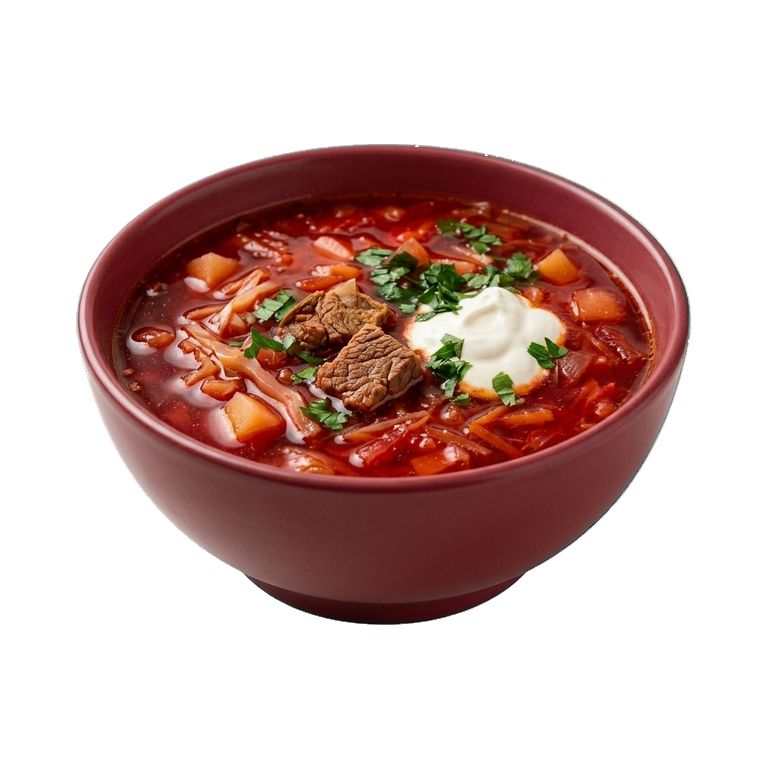
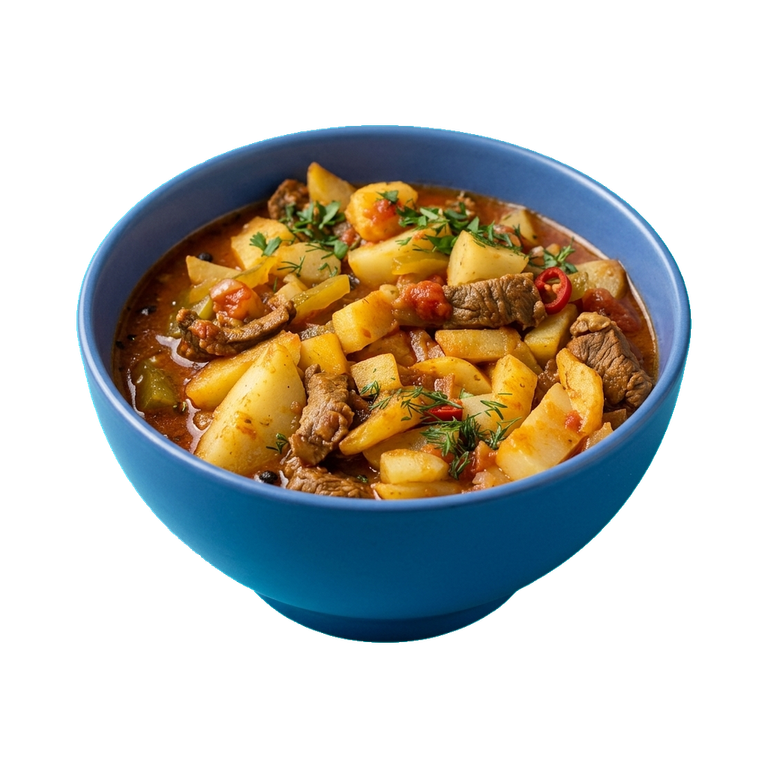
- Beef — a universal choice for soups, stews, and steaks. Dense meat holds its shape well during prolonged cooking.
- Pork — softer and fattier, ideal for cutlets, rolls, and quick frying. Fat helps preserve juiciness.
- Chicken — tender and dietary, cooks quickly. White meat is drier, so it's often cooked with sauce or marinade.
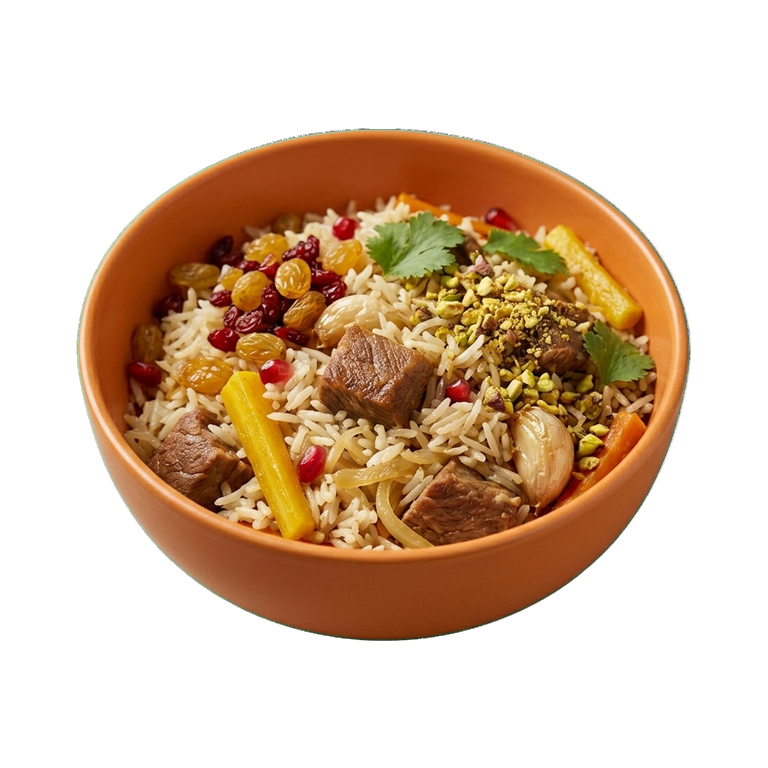
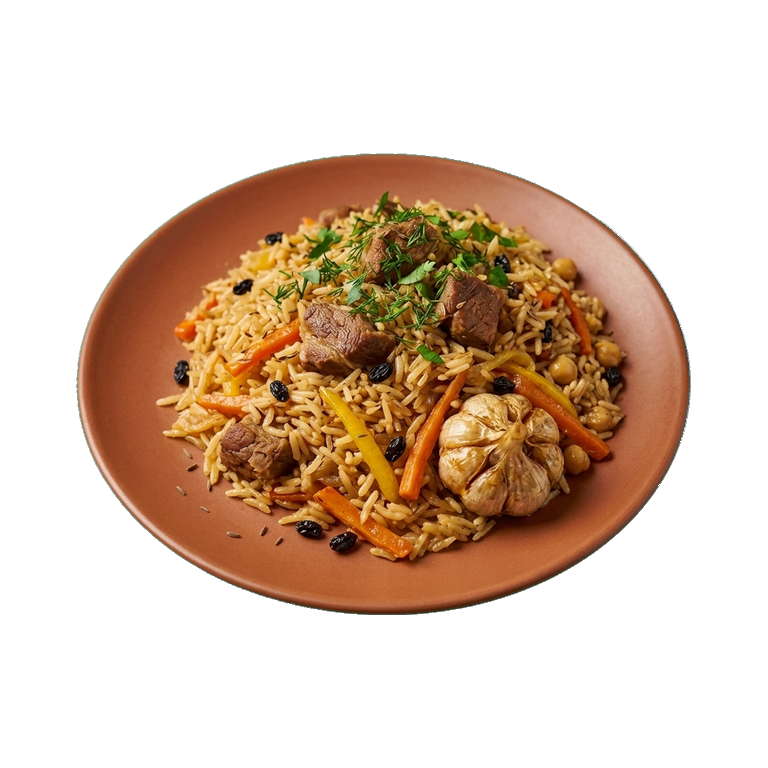
- Lamb — with a distinctive flavor, requires spicy spices and prolonged stewing. Suitable for pilaf and oriental dishes.
- Rabbit and game — delicate in taste, cook quickly, pair well with white wines and mushrooms.
How to choose and prepare
When purchasing, pay attention to the color — it should be uniform, without gray spots. The meat should be firm; when pressed, the indent should quickly level out. The smell should be fresh and pleasant, without a sour note. If you're buying frozen meat, make sure its surface is not covered with an icy crust — this is a sign of refreezing.
- Remove the meat from the refrigerator 20–30 minutes before cooking to let it warm to room temperature.
- Pat it dry with paper towels — a dry surface browns better.
- Remove excess fat and membranes with a sharp knife.
- Cut against the grain for greater tenderness — this is especially important for tough meat.
Basic Cooking Methods
High-heat searing creates a crust and seals the juices inside — suitable for steaks and quick dishes. Slow simmering with liquid breaks down the fibers of tough meat and makes it tender — ideal for stews and soups. Boiling in water or broth is suitable for soup bases and aspic. Oven baking allows you to cook large pieces evenly and preserve their juiciness.
Storage and shelf life
- Fresh meat is stored in the refrigerator for 3–5 days in the coldest part, usually on the bottom shelf.
- Frozen meat can be stored for 6–12 months depending on the type.
- Defrost in the refrigerator, not at room temperature — this will keep it safe.
- Use ground meat on the day of purchase or freeze it immediately.
Meat requires attention to detail: the right cut selection, proper temperature, and correct cooking time. Once you start noticing these nuances, your dishes will taste noticeably better. Don't be afraid to experiment with different types and methods — each discovery makes you more confident in the kitchen.
Nutrition
per 100 g
- Carbs
- 0 g
Measure calculator
- Weight
- 100 g