Usuba
Usuba
Pesto
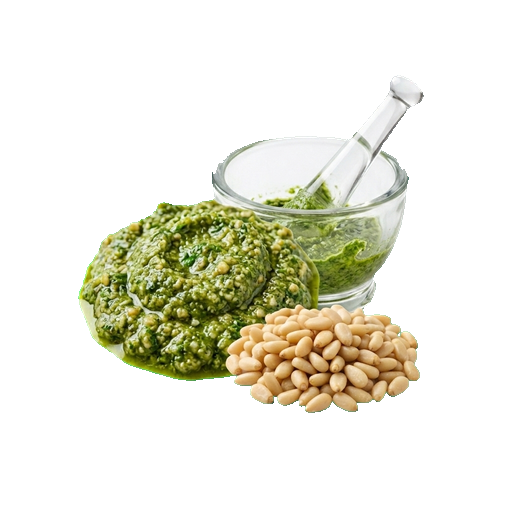
Pesto is a thick sauce made from fresh basil, garlic, pine nuts, parmesan, and olive oil that is easy to prepare in a mortar or blender. The sauce has a bright herbaceous aroma with nutty and creamy notes, and a piquant taste thanks to the garlic and cheese. Pesto is perfect for pasta, adding to soups, spreading on bread, or using as a marinade for meat and fish, but it's important to remember that basil loses its aroma when heated, so the sauce is best added at the end of cooking.
About
Pesto is not just a sauce, but a concentrated flavor that transforms a dish with a single spoon. It is a paste made from ground ingredients, where each component works to enhance the others. In its classic form, it consists of basil, garlic, pine nuts, parmesan, and olive oil, but the essence of the method allows for experimentation without limits.
Aroma and Flavor
Fresh pesto smells like a summer garden — bright, green, with a sharp note of garlic. On the palate, it unfolds in layers: first the herbal freshness of basil, then the nutty depth, followed by the saltiness of cheese. If pesto has been sitting in the refrigerator, it becomes softer, and the aromas blend into one harmonious taste. Finished pesto should be uniform, but not a puree — good texture preserves a slight graininess from the nuts and cheese.
Role in dishes
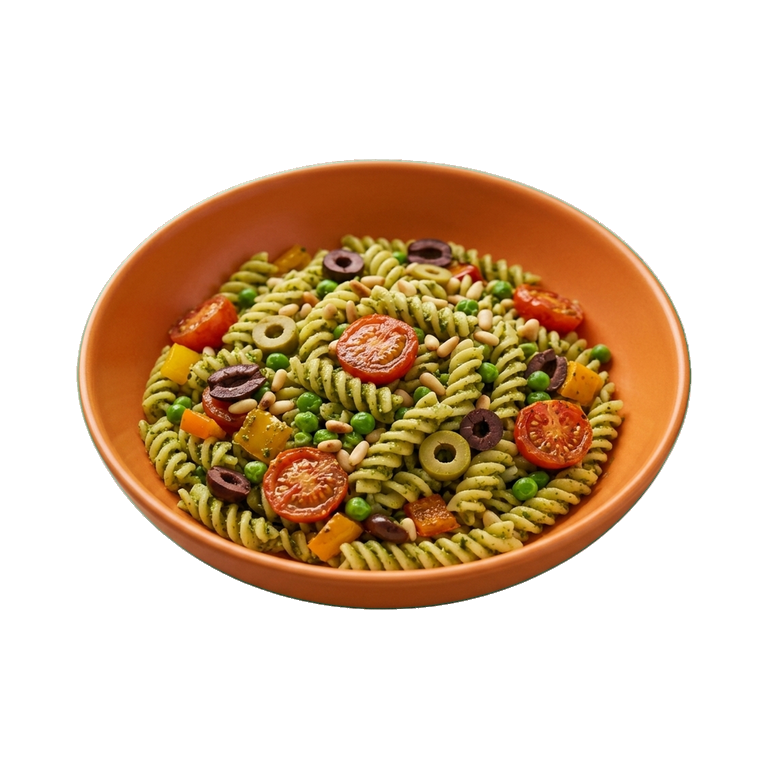
Pesto works everywhere you need brightness and depth of flavor without unnecessary ingredients. It's a lifesaver for pasta — simply mix it with hot pasta and oil, and the dish is ready. But that's not where the possibilities end.
- Add to soup a minute before serving — it will give it freshness and depth
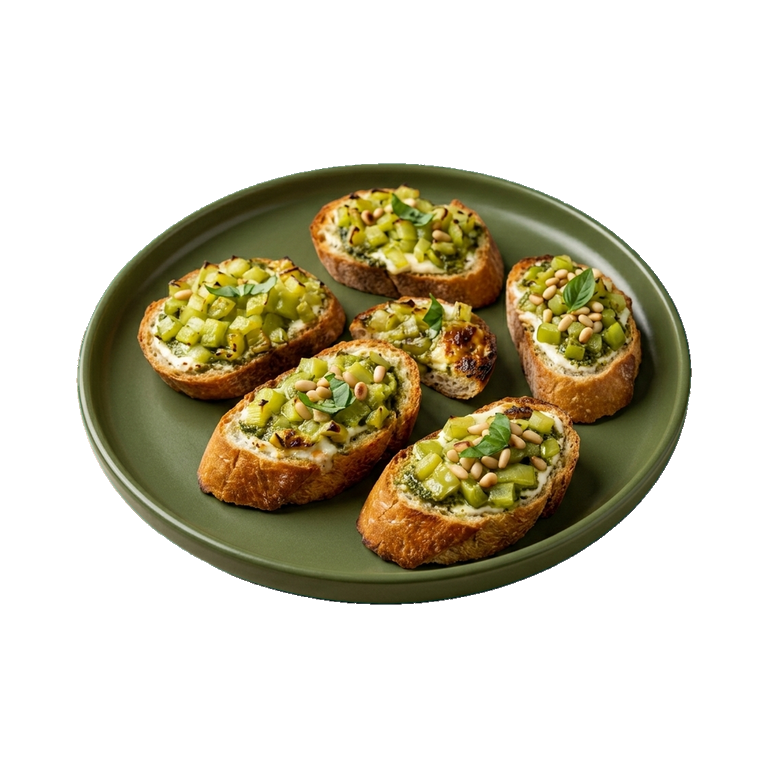
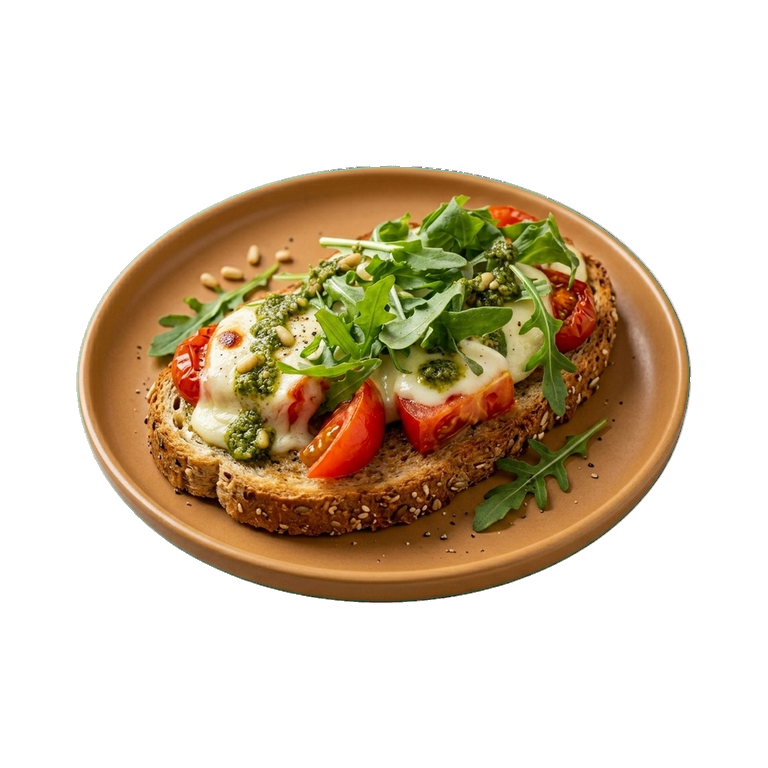
- Spread on bread instead of butter before making a sandwich
- Mix with yogurt or sour cream for a sauce for vegetables or fish
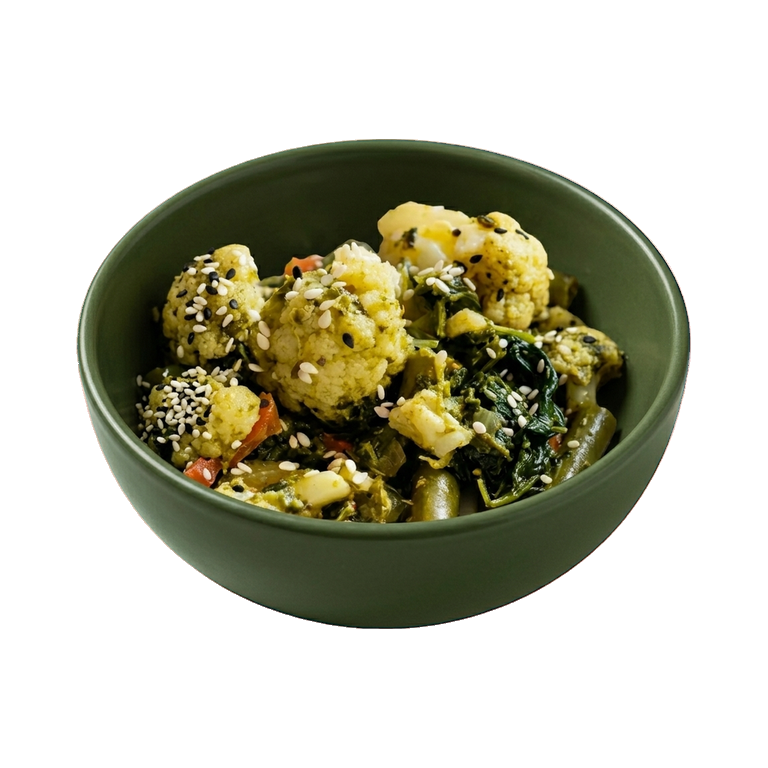
- Use as a marinade for chicken, fish or vegetables before grilling
- Add to an omelet or fried eggs at the end of cooking
- Mix with cottage cheese or cream cheese for an appetizer
Combinations and Variations
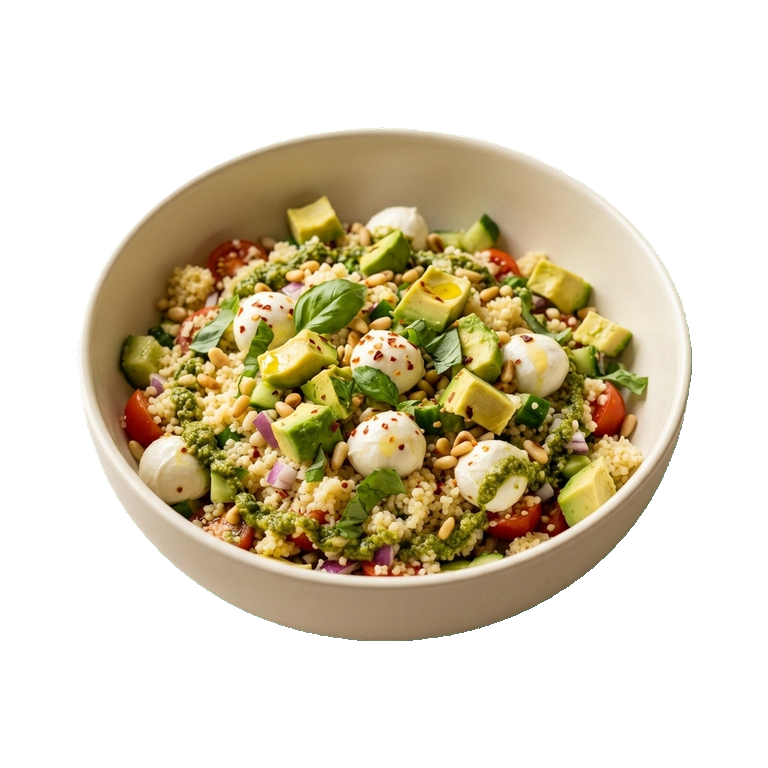
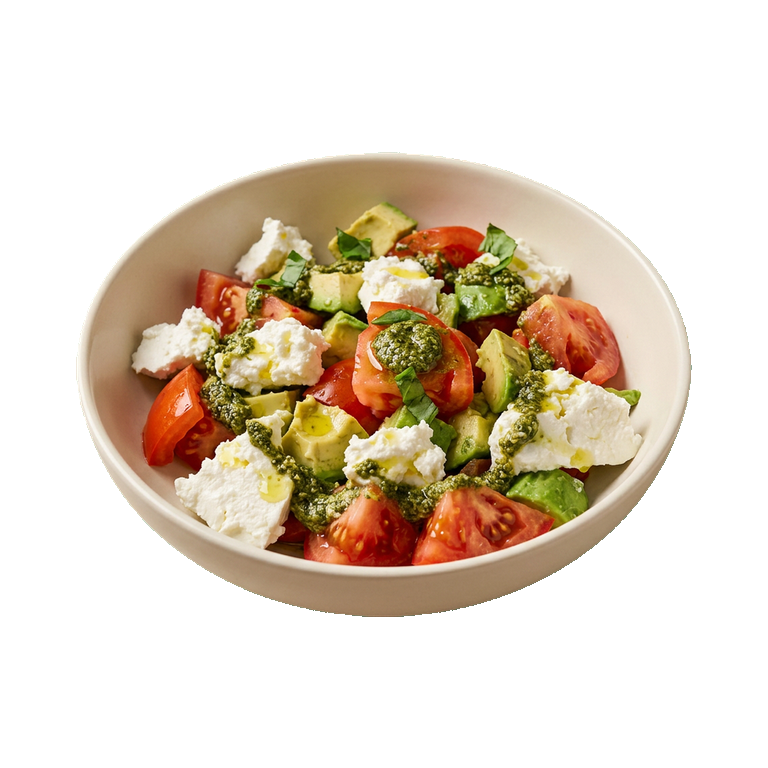
Classic pesto sounds great with soft cheeses, tomatoes, and mozzarella. It doesn't conflict with any pasta — from spaghetti to penne. It works flawlessly with fish, especially if the fish is tender and not overloaded with spices. For meat, it works as a marinade or a finishing touch.
If you don't have basil, the principle remains the same — use other herbs instead. Arugula will give you sharpness and bitterness. Parsley is a milder, more versatile option. Spinach is sweet and tender. You can replace pine nuts with walnuts, almonds, or even sunflower seeds. Parmesan is sometimes swapped for pecorino or another hard cheese. The main thing is to maintain the proportions and remember that pesto is about balance, not about one ingredient dominating.
Selection and Storage
Store-bought pesto is usually more stable, but fresh homemade pesto tastes noticeably brighter. If you buy ready-made, check the ingredients — they should be recognizable without preservatives and thickeners. The color should be bright green, not brownish. However, the best way is to make pesto yourself: a blender, five minutes, and you're done.
Fresh pesto keeps in the refrigerator for three to four days. To prevent it from darkening and oxidizing, you can place parchment paper on top or cover it with a thin layer of olive oil. If you need to store it longer, freeze it in ice cube trays — this makes it convenient to take out in portions. Thawed pesto loses some of its freshness but remains useful for hot dishes. Don't add pesto to a hot dish too early — it's better to add it at the end to preserve the aroma.
Nutrition
per 100 g
- Calories
- 340 kcal
- Protein
- 9 g
- Fat
- 32 g
- Carbs
- 3.7 g
Measures and weight
- 1 tbsp
- 15.8 g
- 1 tsp
- 5.3 g
- 1 cup
- 262.5 g
Measure calculator
- Weight
- 100 g
- Calories
- 340 kcal