Usuba
Usuba
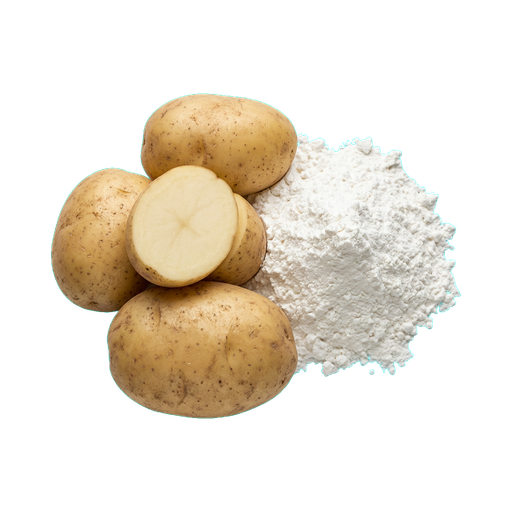
Potato starch
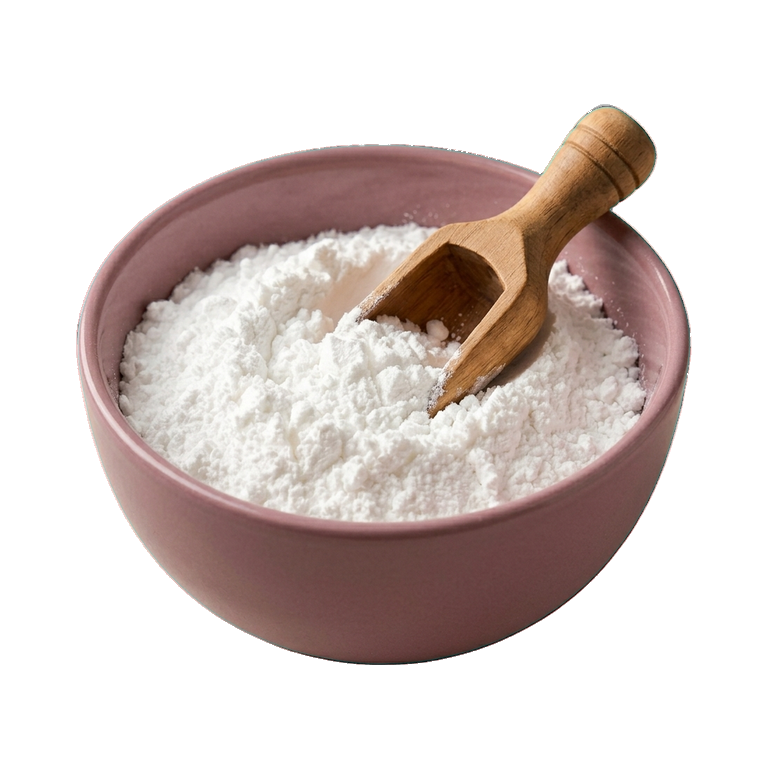
Potato starch is a white, odorless powder derived from potatoes that serves as a universal thickener in cooking. It quickly absorbs liquid and transforms sauces, gravies, and soups to the desired consistency, while also making baked goods lighter and airier. When choosing to use it, it's important to keep in mind that starch loses its thickening properties during prolonged boiling, which is why it should be added at the end of cooking, and that it may give a dish a slightly sticky texture if too much is used.
About
Potato starch is a fine white powder extracted from potato tubers. In cooking, it works like magic: it thickens sauces, makes baked goods more tender, and gives crispness to breading. Its main advantage over wheat flour is complete flavor neutrality and the ability to create transparent, glossy sauces instead of cloudy ones.
Starch works differently than flour. Its granules swell when heated and bind liquid, but do not absorb it like flour does. This is why sauces become silky rather than sticky. This is the key difference to remember when substituting one thickener for another.
When and how to use it
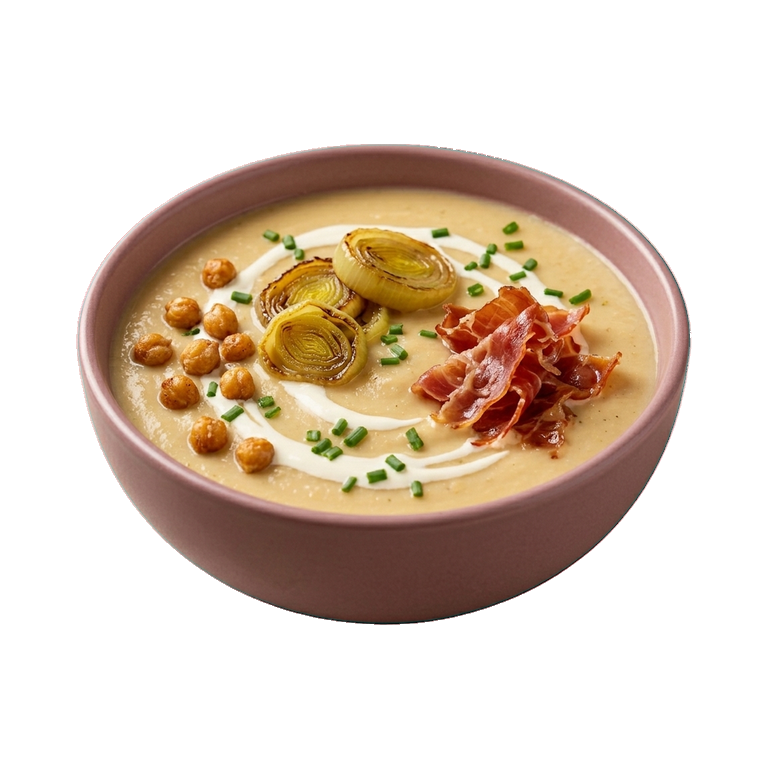
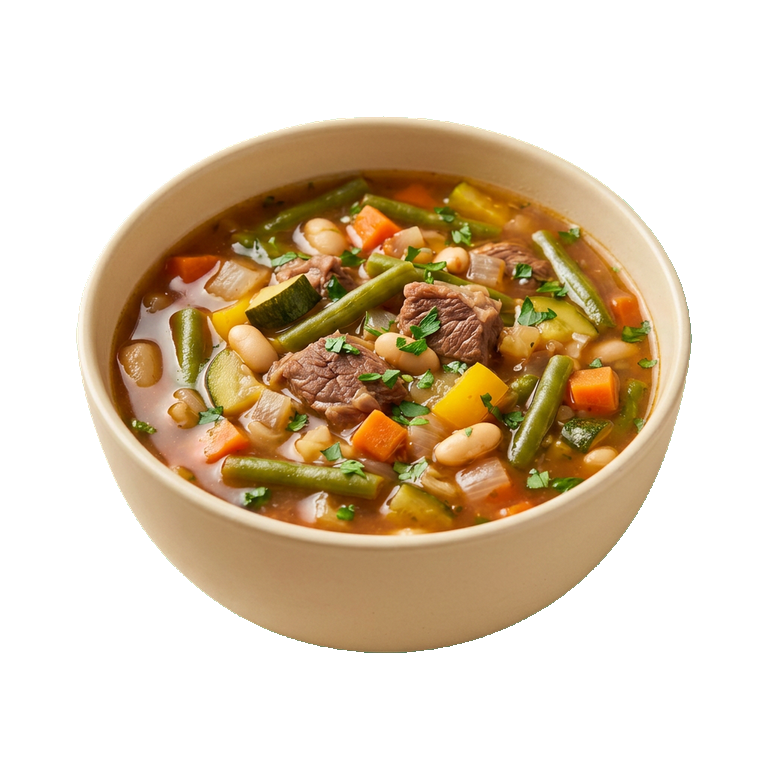
Potato starch is indispensable in Asian cuisine — it is the basis for glazes in sweet and sour dishes, marinades for meat before deep frying. In European cooking, it is added to sauces for meat and fish, and is used in the preparation of cream soups. Even in baking, it finds its place: mixed with flour, it makes sponge cakes and cookies more tender and crumbly.
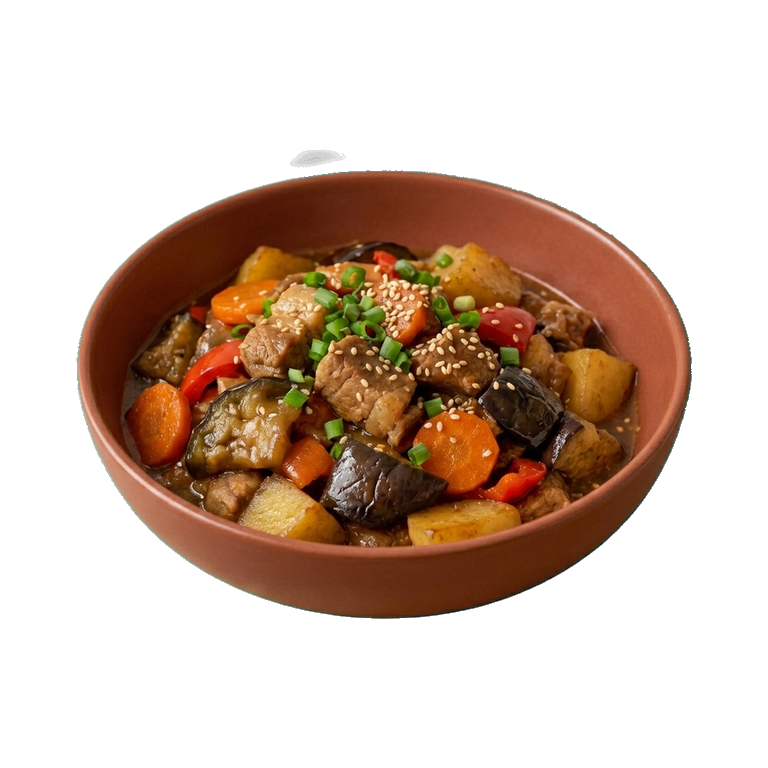
- Thickening sauces and gravies — add at the end of cooking, diluted with cold water
- Breading for frying — mix with flour and spices for a crispy coating
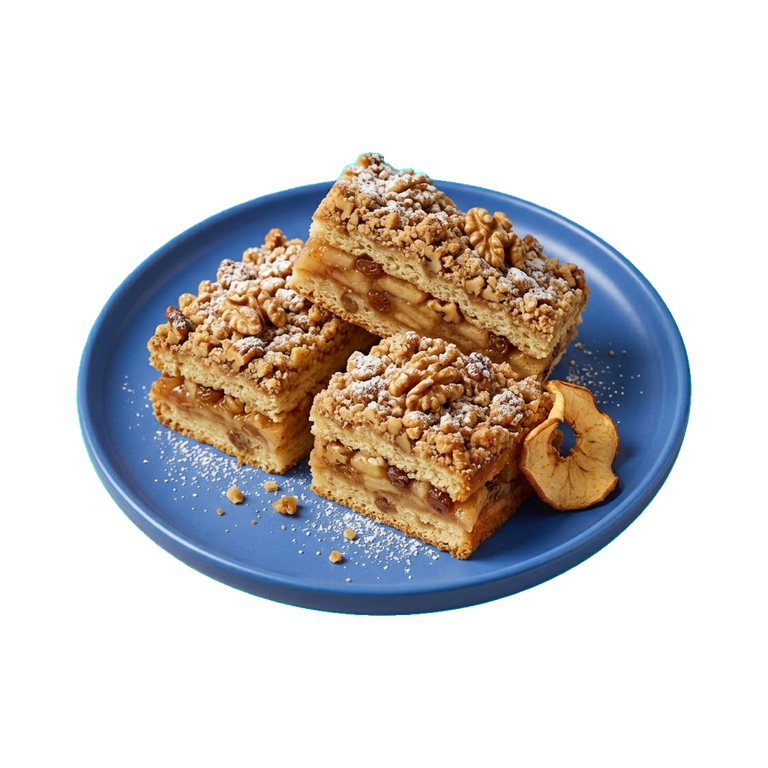
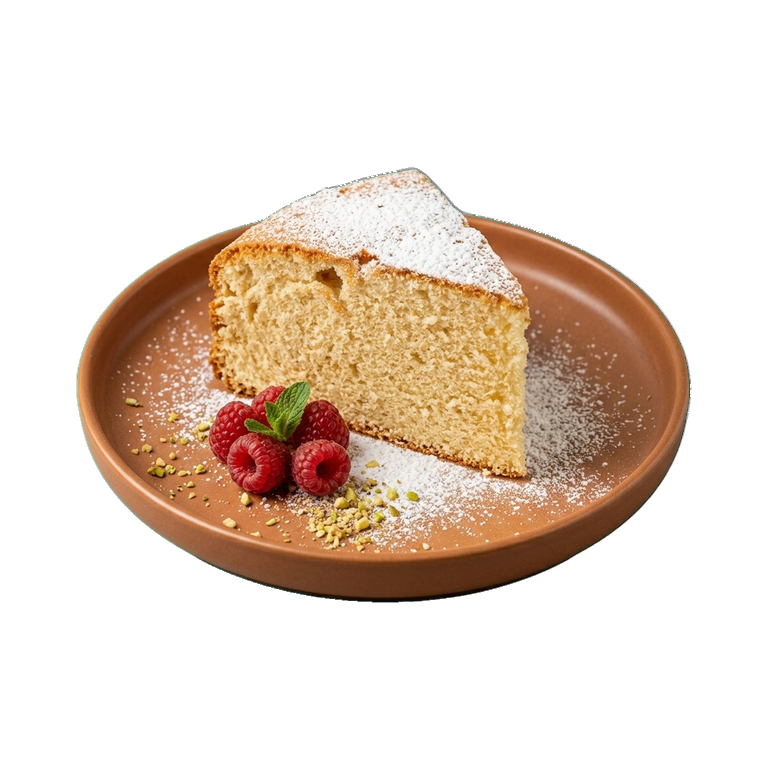
- Baking — replace 1–2 tablespoons of flour with starch in the recipe for tenderness
- Marinades for meat — creates a protective layer that retains juiciness when frying
- Creams and puddings — base for smooth, lump-free texture
Starch Handling Techniques
The golden rule: never throw dry starch directly into hot liquid. It will clump and won't dissolve. Always dilute it in cold water, milk, or broth in a 1:2 or 1:3 ratio (starch to liquid), mix well, and then pour it into the boiling sauce while stirring constantly.
The sauce will thicken almost instantly — this is normal. If it seems too thick, dilute it with hot liquid. Remember: starch-based sauce begins to thicken at 65 degrees and reaches maximum viscosity at 75–80 degrees. If overcooked, the sauce may separate — this is also normal, just stir it.
Selection and Storage
When buying, look for fine, uniform white powder without lumps or odor. The packaging should be intact and dry. Potato starch differs from corn starch with a finer texture and slightly more delicate action — if the recipe specifically calls for potato starch, don't replace it with corn starch without reason.
Store starch in an airtight container or tightly sealed package in a cool, dry place away from moisture. Humidity is starch's enemy: it will absorb it and turn into lumps. With proper storage, starch remains suitable for cooking for years. Check the expiration date on the package, but in practice starch rarely spoils.
Potato starch works best in a neutral or slightly acidic environment. In alkaline sauces, it can lose its thickening properties, so if you add baking soda or alkali, add the starch at the very end.
Potato starch is a simple and versatile helper in the kitchen. It requires no complicated preparation, works quickly, and doesn't spoil the taste of a dish. Anyone who wants to get smooth, glossy sauces and tender baked goods without extra fuss should have it on hand.
Nutrition
per 100 g
- Calories
- 381 kcal
- Protein
- 0.1 g
- Fat
- 0.1 g
- Carbs
- 91.3 g
Measures and weight
- 1 tbsp
- 22.5 g
- 1 tsp
- 7.5 g
- 1 cup
- 375 g
Measure calculator
- Weight
- 100 g
- Calories
- 381 kcal