Usuba
Usuba
Processed cheese
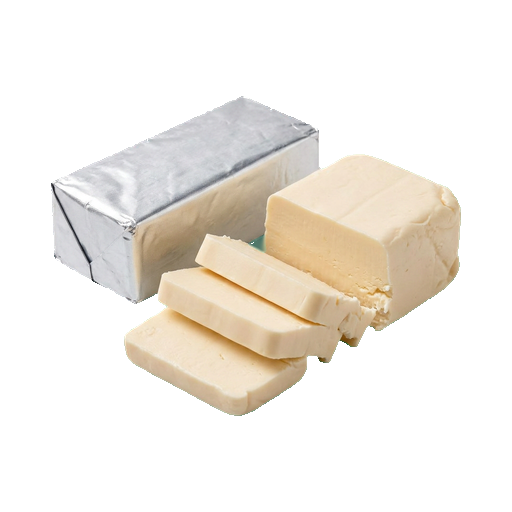
Processed cheese is a product made by melting natural cheeses with added emulsifiers and other ingredients, which gives it a uniform consistency and extends its shelf life. It has a soft, smooth texture, neutral buttery flavor with a slight saltiness, and melts well when heated, making it ideal for sauces, casseroles, sandwiches, and dishes requiring even cheese distribution. When choosing, pay attention to the composition — a quality product contains natural cheeses in the first positions of the ingredient list. In cooking, it's important to remember that it is less aromatic than hard cheeses, so it pairs well with spices and other flavor accents.
About
Processed cheese is a product that emerged as a result of processing natural cheeses with the addition of emulsifiers and other components. Unlike hard cheeses, it melts more easily, stretches better, and is simpler to integrate into hot dishes. This makes it an indispensable kitchen helper, especially when you need a uniform creamy consistency without lumps and uneven distribution.
Consistency and Taste
Processed cheese has a soft, creamy texture that literally melts in your mouth. The taste is usually neutral, buttery, with a slight saltiness — this allows it to complement other ingredients rather than compete with them. Some varieties have a pronounced cheese flavor, others have a barely perceptible one, which gives the cook freedom of choice depending on the recipe.
Where and how to use it
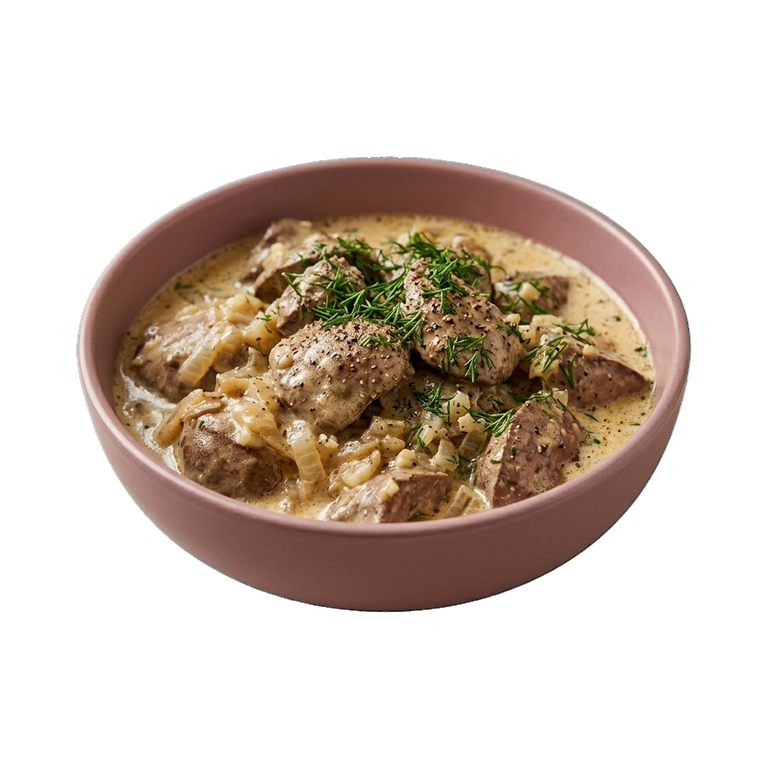
- In sauces — processed cheese quickly transforms into a smooth, uniform sauce without the need for prolonged stirring
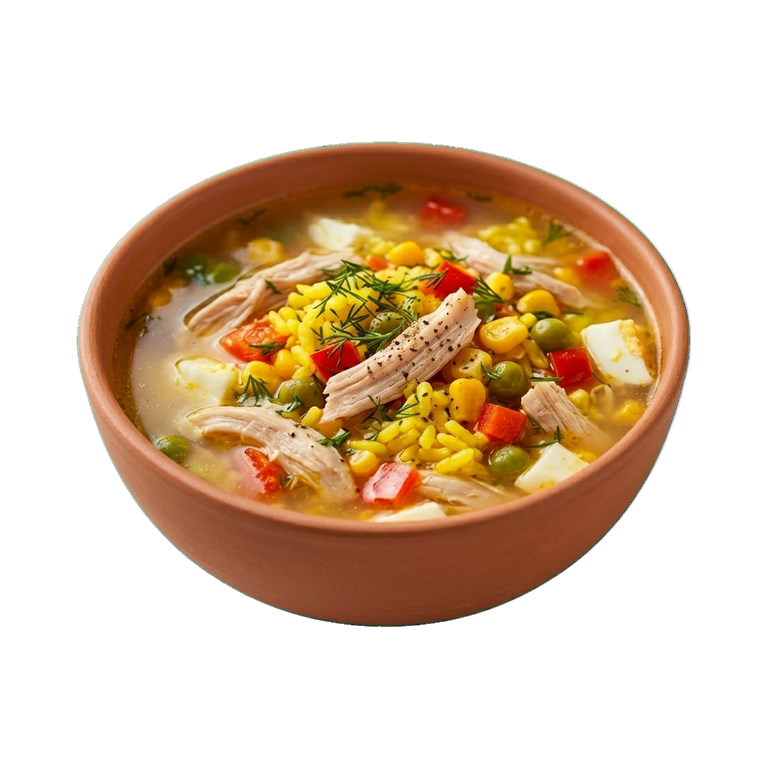
- In soups and stews — adds creaminess and binds ingredients into one cohesive whole
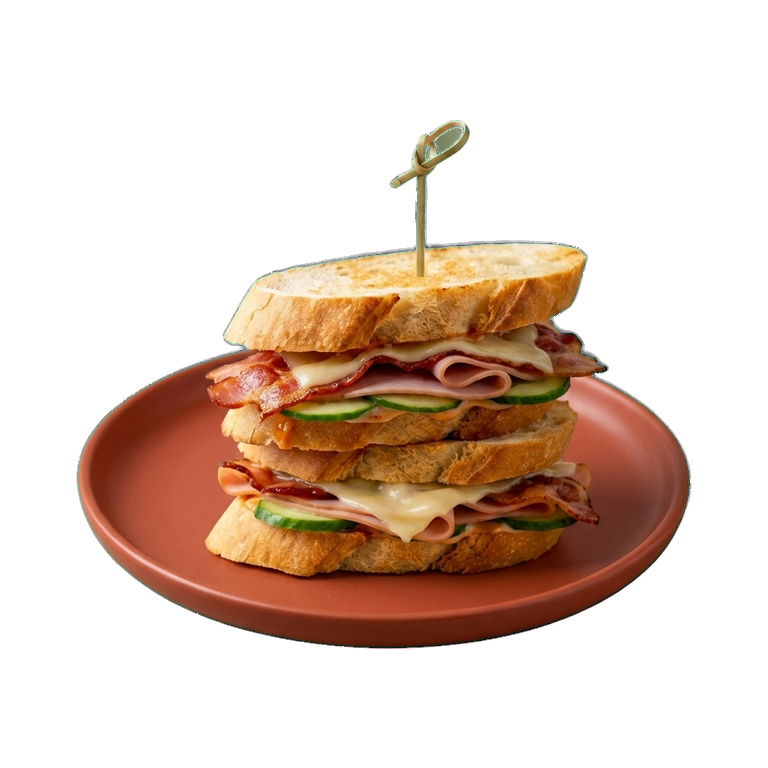
- On sandwiches and in wraps — holds its shape well and doesn't leak when heated
- In pasta dishes — creates a creamy coating around the pasta without lumps
- In casseroles and julienne — provides a golden crust and soft interior
Pairings and tips
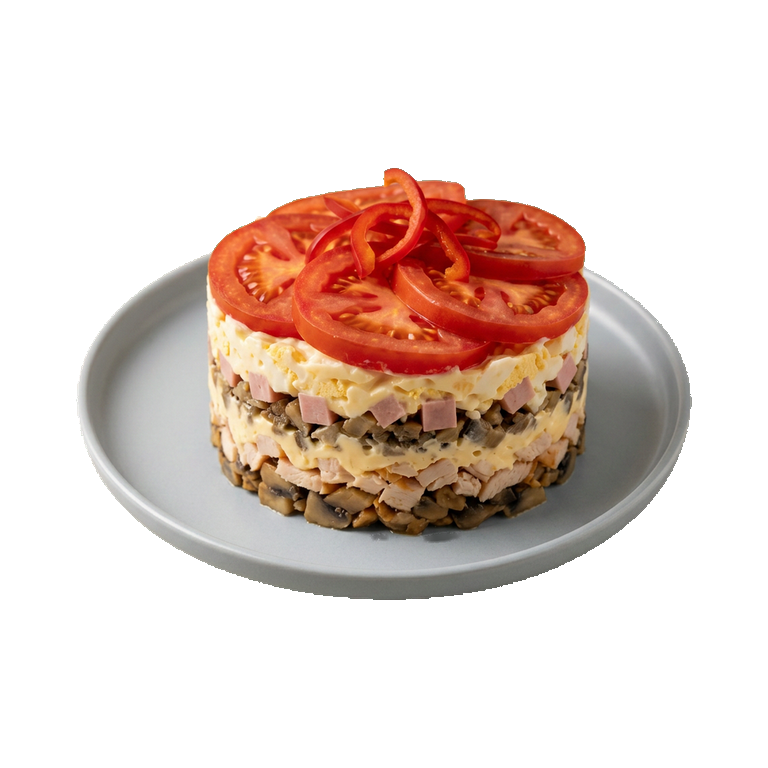
Processed cheese works well with bacon, ham, tomatoes, and herbs. It doesn't conflict with spicy seasonings and spices, so feel free to add it to dishes with garlic, pepper, or mustard. The main rule is not to overcook it: add it at the end of cooking or on low heat to avoid fat separation and loss of texture.
Selection and Storage
When choosing, pay attention to the composition: the fewer additives, the better. Sliced processed cheese is convenient for sandwiches, in paste form — for sauces, melted in jars — universal. Check the production date and expiration date. Store in the refrigerator in a closed package; once opened, it's best to use it within a week. At room temperature, the product spoils quickly.
Processed cheese is not a replacement for natural cheese, but a useful addition to your kitchen. When you need uniformity, quick melting, and stability in hot dishes, it becomes an indispensable helper. Experiment with different types and brands to find the option that suits your culinary style.
Nutrition
per 100 g
- Calories
- 220 kcal
- Protein
- 13.5 g
- Fat
- 16 g
- Carbs
- 3 g
Measures and weight
- 1 pcs
- 20 g
Measure calculator
- Weight
- 100 g
- Calories
- 220 kcal