Usuba
Usuba
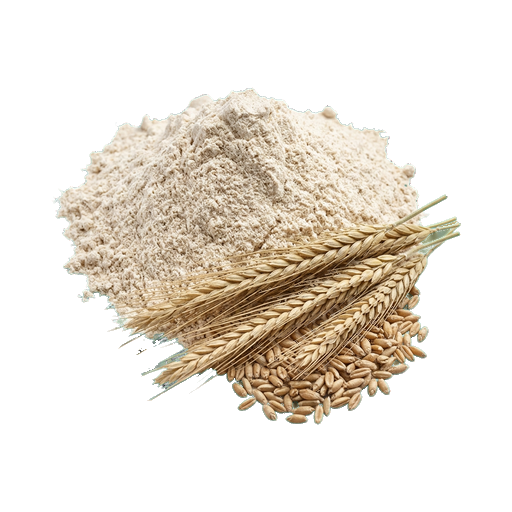
Rye flour, sifted
Rye sifted flour is produced by grinding and sieving rye grains, which removes large bran particles and husks. It has a lighter shade and finer structure compared to whole rye flour, while retaining the characteristic slightly sweet, subtly astringent taste with nutty notes. This flour is ideal for bread baking when better porosity and a more tender crumb are needed, and is also suitable for pancakes and baked goods where a balance between rye aroma and soft consistency of the finished product is required.
About
Rye sifted flour is sieved rye flour cleaned of most of the grain husks. It is lighter and more delicate than whole grain rye flour, but retains the characteristic deep flavor and nutritional value. Unlike wheat flour, rye sifted flour requires a completely different approach when working with dough — you need to understand its nature to achieve successful results.
Taste and Aroma
Rye sifted flour smells like bread — this dark, slightly sweet aroma is instantly recognizable. In taste, it is more expressive than wheat flour: you can feel a slight bitterness, nutty notes, and sometimes something reminiscent of malt comes through. This is not a neutral ingredient that simply holds its shape — it actively participates in creating the flavor profile of the dish.
How it works in the test
Rye flour contains less gluten than wheat flour, so the dough becomes more moist and sticky. It is harder to shape, and it doesn't stretch like wheat dough. However, rye flour absorbs water excellently, which gives bread better moisture and softness. It is usually mixed with wheat flour — this makes working with the dough easier and makes the bread more airy while preserving the rye character.
Where to use it
- Bread — a classic application. Even a small percentage of rye flour (20–30%) will give wheat bread depth and extend its freshness.
- Appetizers and cookies — rye flour adds an interesting flavor and a light crumbly texture.
- Pancakes and fritters — turn out denser and more aromatic, with a pleasant bitterness.
- Cupcakes and cakes — works as part of a flour blend, adding complexity to the flavor.
What to combine it with
Rye sifted flour works well with sour ingredients — sourdough starter, kefir, sour cream, yogurt. Acidity enhances its flavor and helps the dough rise. Wheat flour is its main partner, usually taking a ratio of 30–50% rye to wheat. With seeds, nuts, and dried fruits, it creates interesting combinations. The malty flavor is well supported by honey and molasses.
Selection and Storage
Rye sifted flour should be homogeneous, without lumps and foreign odors. The color ranges from light gray to cream. If the flour smells musty or burnt, it's better not to use it. Store in an airtight container in a cool, dry place — rye flour oxidizes faster than wheat flour, so the shelf life is shorter, usually 3–4 months. It can be stored longer in the freezer.
Start small: add 20–30% rye flour to wheat flour in your usual recipe. This way you'll feel how it changes the taste and consistency, and you'll be able to find your ideal percentage.
Nutrition
per 100 g
- Calories
- 305 kcal
- Protein
- 8.9 g
- Fat
- 1.1 g
- Carbs
- 64.6 g
Measures and weight
- 1 tbsp
- 8.3 g
- 1 tsp
- 2.8 g
- 1 cup
- 137.5 g
Measure calculator
- Weight
- 100 g
- Calories
- 305 kcal