Usuba
Usuba
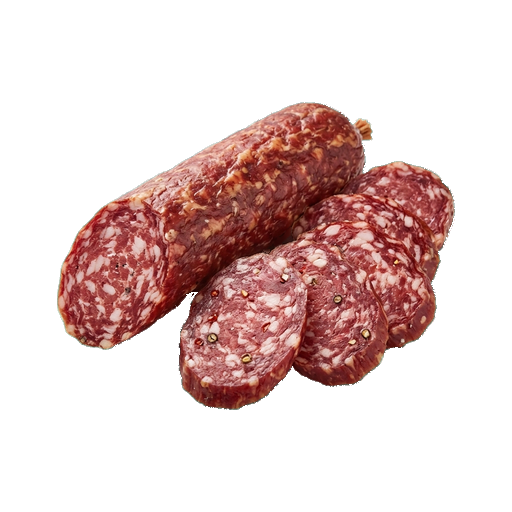
Salami
Spicy smoked sausage with a distinctive marbled pattern, made from a blend of pork and beef with the addition of garlic, spices, and curing salt. It has a firm texture, a pronounced smoky aroma, and a piquant flavor with a mild heat. In cooking, it is used for slicing as an appetizer, adding to pizzas, pastas, salads, and sandwiches. When selecting, pay attention to even fat distribution in the cross-section and the absence of a sticky surface.
Micronutrients
per 100 g
About
Salami is a dense sausage with characteristic marbling, which is achieved through even distribution of fat throughout the meat mass. It is recognized by its reddish-brown color, white mold spots on the casing, and a sharp, slightly tangy flavor. It is not just an appetizer, but an ingredient that transforms a dish by its presence.
Aroma and taste
Salami smells of garlic, black pepper, and smoke — these notes emerge thanks to the spices and fermentation process. The taste is rich, with a salty undertone and mild spiciness. The fat in the sausage melts on your tongue, creating a creamy texture, while the meat remains firm. Each slice leaves a lingering aftertaste that makes you reach for the next one.
Role in Dishes
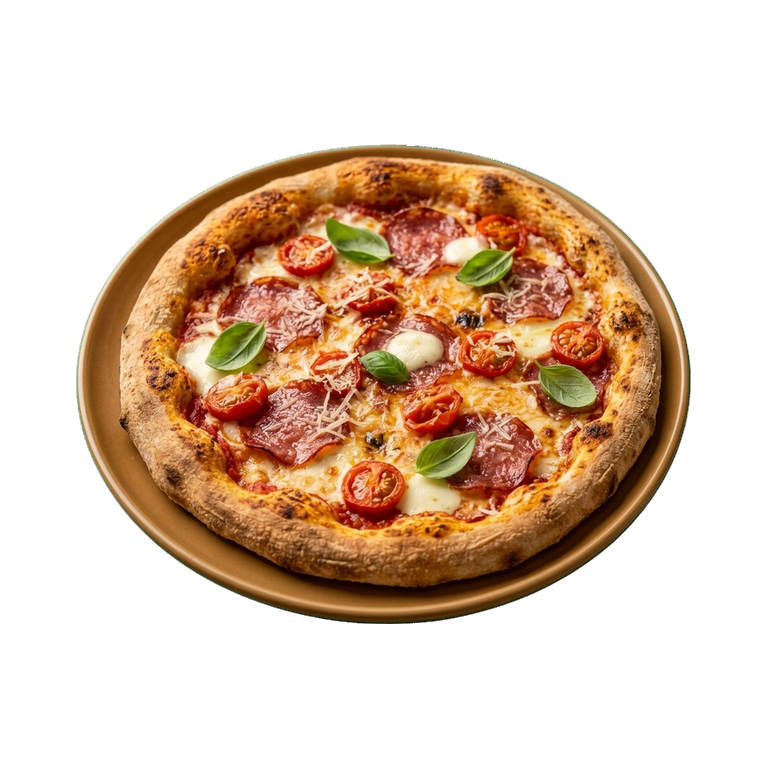
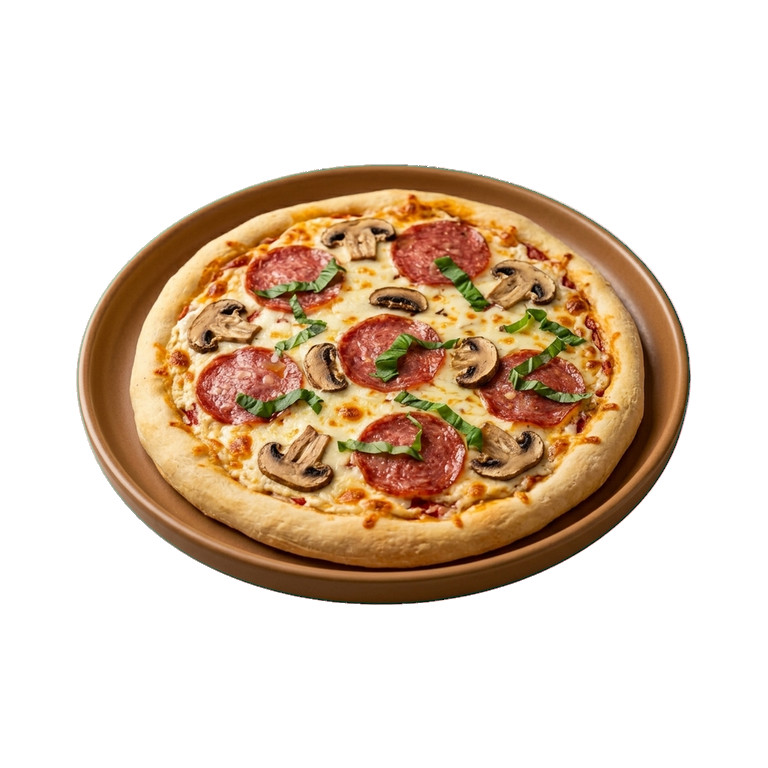
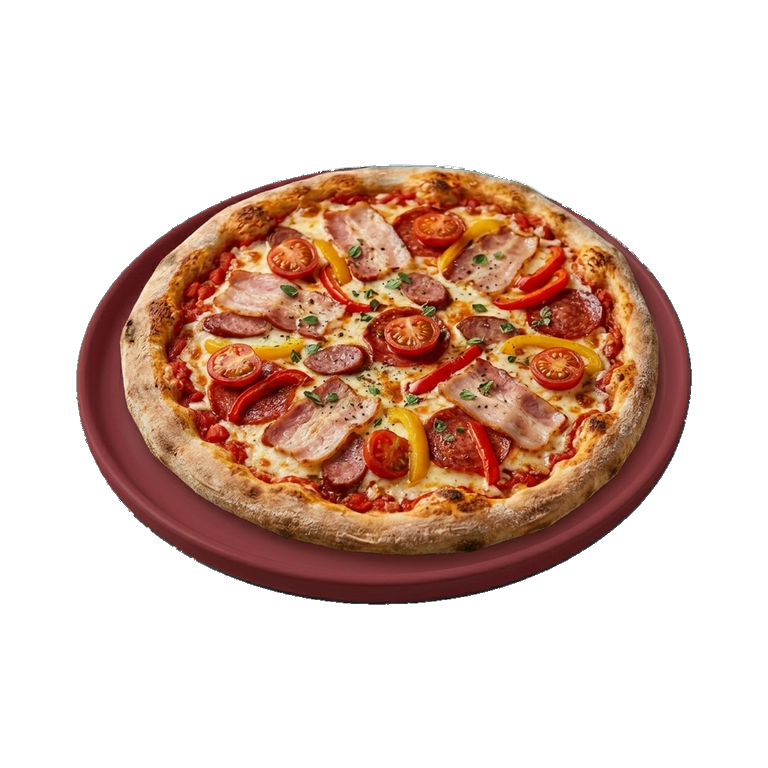
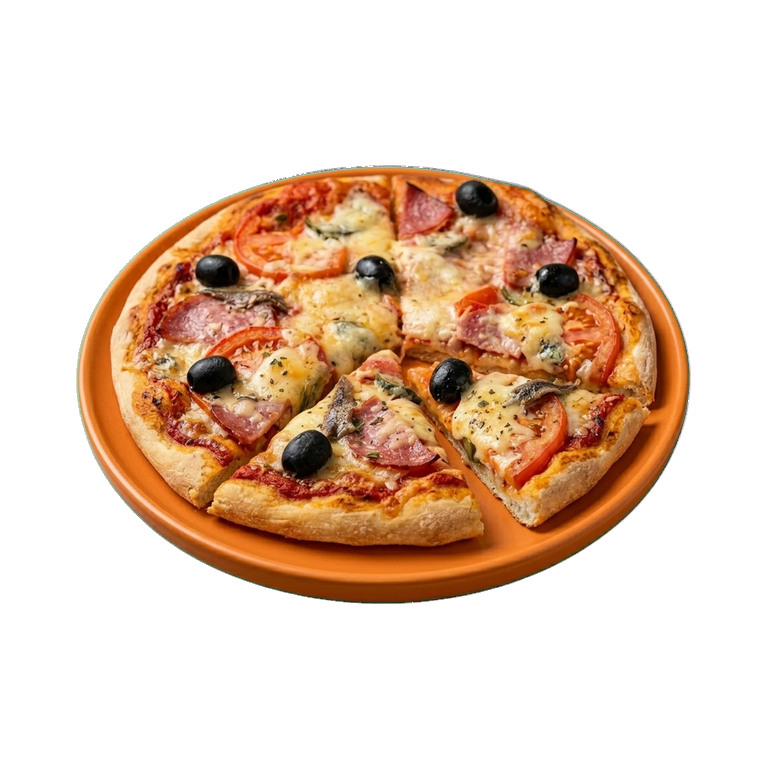
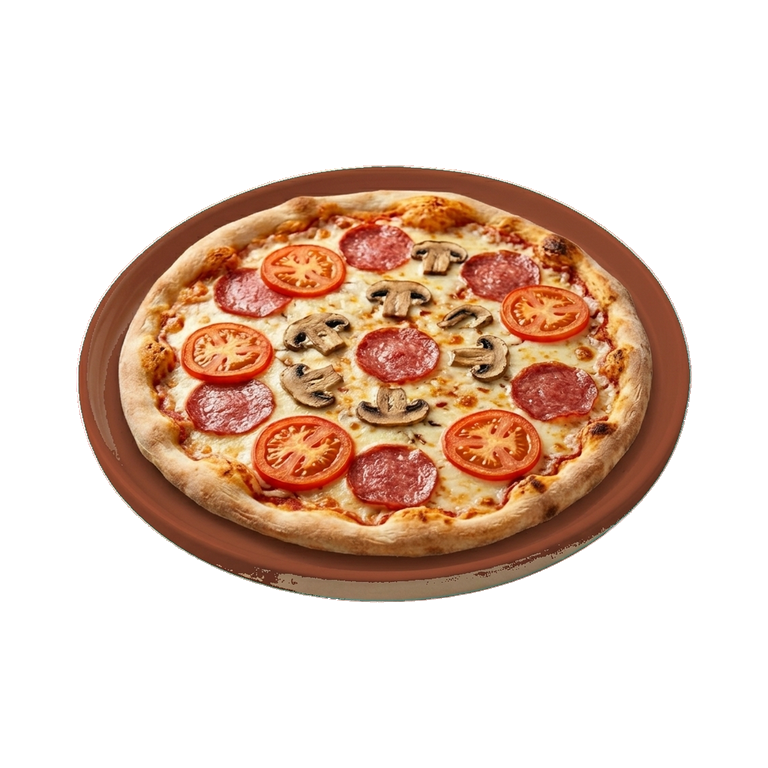
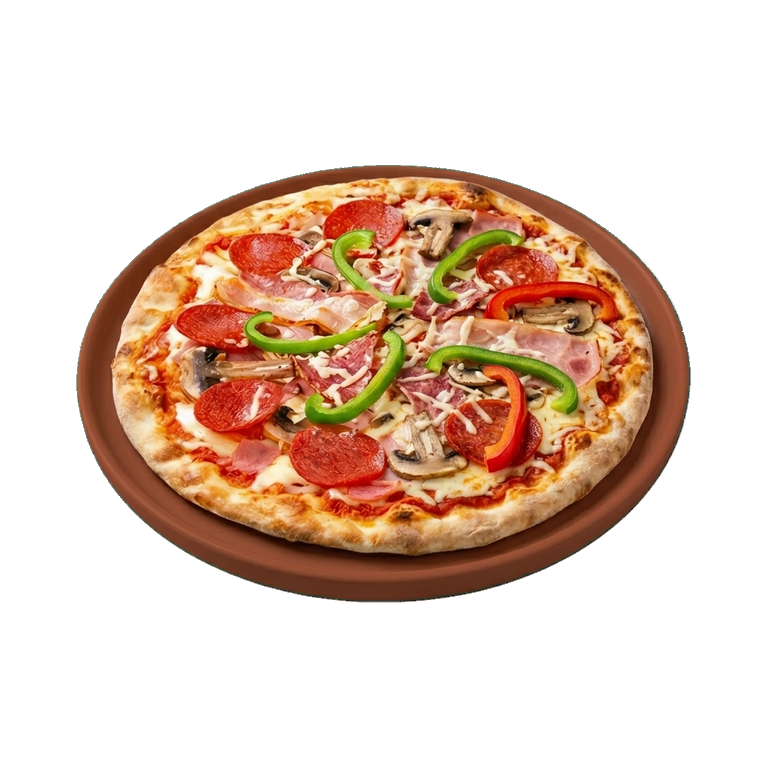
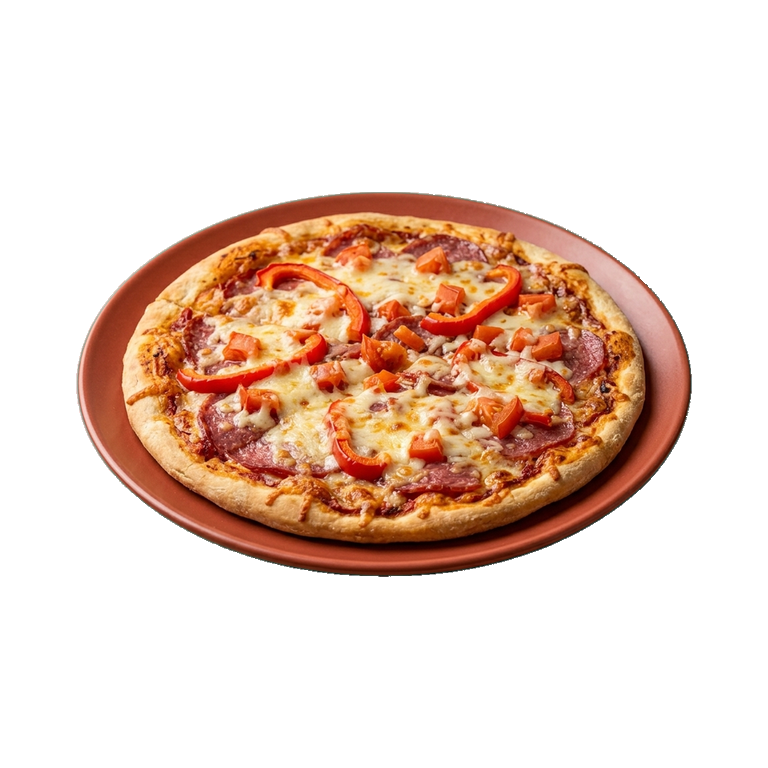
Sliced salami on a board works on its own — thinly sliced, it becomes the centerpiece of an appetizer. But its strength lies in how easily it fits into other roles: in pizza it adds saltiness and richness, in pastas it emphasizes meaty notes, in salads it creates a contrasting texture. Even a few slices in an omelet or in bread with butter change the impression of a simple dish.
Pairings and Partners
- Cheese — from soft mozzarella to hard parmesan, salami creates the perfect balance of saltiness and richness
- Bread — rye, wheat, ciabatta or Tuscan salt-free bread emphasize the flavor of the sausage
- Vegetables — tomatoes, olives, pickled peppers and cucumbers provide freshness that contrasts with the richness
- Wine and drinks — red wine, beer or strong tea pair well to cut through the saltiness
Selection and Storage
When choosing, pay attention to the color — it should be uniform, without gray spots. White coating on the surface is noble mold, it is normal and even desirable. The aroma should be pleasant, without mustiness. Sliced salami quickly loses moisture and oxidizes, so it is better to store it in a hermetic package in the refrigerator for no more than a week. A whole stick can be kept in a cool place longer.
Practical tips
- Slice salami immediately before serving — this keeps it juicy and aromatic
- For pizza, cut into slices or cubes and add towards the end of cooking so the fat doesn't render completely
- In hot dishes, salami releases its aroma more intensely, but can become bitter with prolonged heat exposure
- If salami is too salty for your taste, soak thin slices in cold water for a few minutes
Nutrition
per 100 g
- Calories
- 420 kcal
- Protein
- 22 g
- Fat
- 36 g
- Carbs
- 1 g
Micronutrients
per 100 g
Macronutrients
- Saturated fat
- 12.98 g
- Monounsaturated fat
- 14.99 g
- Polyunsaturated fat
- 4.058 g
- Water
- 35.43 g
Vitamins
- Vitamin B2 (riboflavin)
- 0.36 mg
- Vitamin B6
- 0.22 mg
- Vitamin B12
- 0.4 mcg
Measures and weight
- 1 slice
- 15 g
Measure calculator
- Weight
- 100 g
- Calories
- 420 kcal