Usuba
Usuba
Sweet paprika
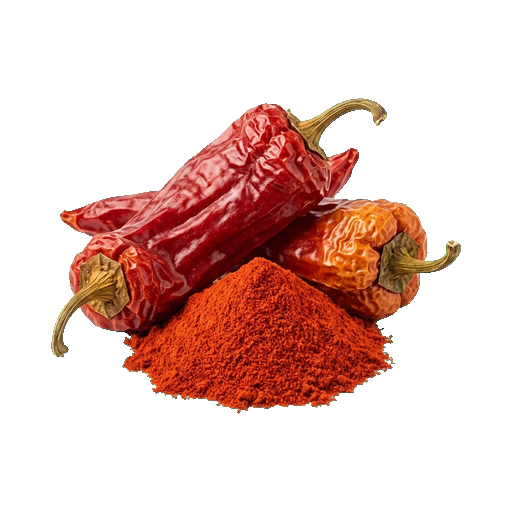
Sweet paprika is ground red pepper with a mild, slightly sweet flavor and a bright fruity aroma, without sharp heat. It is used to give dishes a rich red color and subtle sweetness, especially in Hungarian cuisine, stews, soups, and marinades. When selecting paprika, pay attention to the brightness of its color and freshness of its aroma, as paprika loses its fragrance over time. In cooking, it's best to add it at the end or at the beginning to avoid bitterness from overheating.
About
Sweet paprika is ground red pepper that gives dishes a mild, delicate flavor without heat. Unlike its spicy counterpart, it works as a flavoring agent and colorant rather than a source of heat. This very versatility makes it indispensable in any cook's kitchen, regardless of skill level.
Aroma and flavor
Sweet paprika smells of ripe tomatoes and smoke, with barely perceptible honey notes. It tastes slightly sweet, with a light astringency and a deep peppery undertone. Good quality powder should be bright red, uniform, without lumps or moisture — these are signs of freshness and quality.
Role in Dishes
Sweet paprika is the workhorse of the kitchen. It enhances meat in goulash and stews, gives a beautiful color to soups and sauces, and becomes the foundation for marinades and spice blends. In dishes with potatoes, vegetables, and sausages, it works as the main flavoring agent, not just a coloring agent.
Successful Combinations
- With garlic and onion — a classic trio for meat and vegetables
- With cumin and coriander — the foundation for Eastern and Hungarian dishes
- With turmeric and ginger — creates a deep, layered flavor
- With tomatoes — a natural partnership that enhances tomato taste
- With beef and pork — especially in long braises and smoked dishes
Selection and Storage
When buying, look for a bright red color and a fresh, slightly sweet aroma. A cloudy or brownish tint indicates age and loss of flavor. Store paprika in an airtight glass jar away from light and heat — this way it will retain its taste and color for up to a year. Ground paprika loses its properties faster than whole peppers, so buy small portions.
Practical tip
Add sweet paprika at the beginning of cooking so it reveals its aroma in hot oil. If you add it at the end, the flavor will remain superficial. For soups and sauces — approximately one teaspoon per liter of liquid, for dry dishes — to taste, starting with half a teaspoon per serving.
Nutrition
per 100 g
- Calories
- 282 kcal
- Protein
- 14.3 g
- Fat
- 12.9 g
- Carbs
- 53.9 g
Measures and weight
- 1 tbsp
- 13.5 g
- 1 tsp
- 4.5 g
- 1 cup
- 225 g
Measure calculator
- Weight
- 100 g
- Calories
- 282 kcal