Usuba
Usuba
Starch
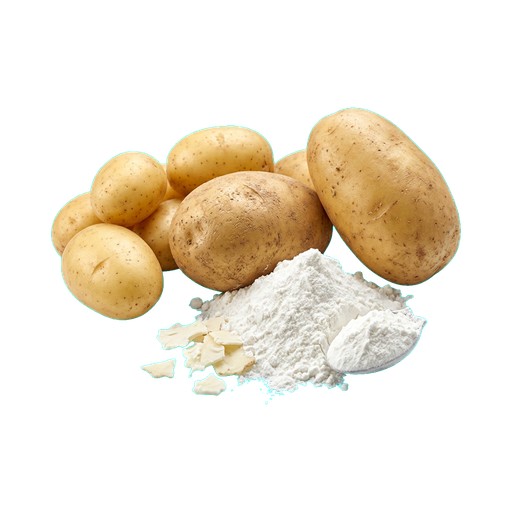
Starch is a white powder derived from grains, tubers, and other plant sources, used to thicken sauces, soups, and desserts. When heated with liquid, starch swells and creates a smooth consistency, but requires proper temperature — too high heat can destroy its thickening properties. When substituting one type of starch for another, keep in mind that potato starch yields a more transparent result, while cornstarch produces a denser one, and different amounts will be needed to achieve the same effect.
About
Starch is a polysaccharide derived from plants and used as a thickener, binder, and stabilizer. In the kitchen, it works unobtrusively, but the result of its presence is always noticeable: sauces achieve the right consistency, baked goods become fluffier, and breading turns crispy. It is one of the most versatile ingredients, without which modern cooking is hard to imagine.
Which starch to choose
- Wheat — the most common and affordable. Ideal for sauces and gravies, but gives a less transparent result than cornstarch.
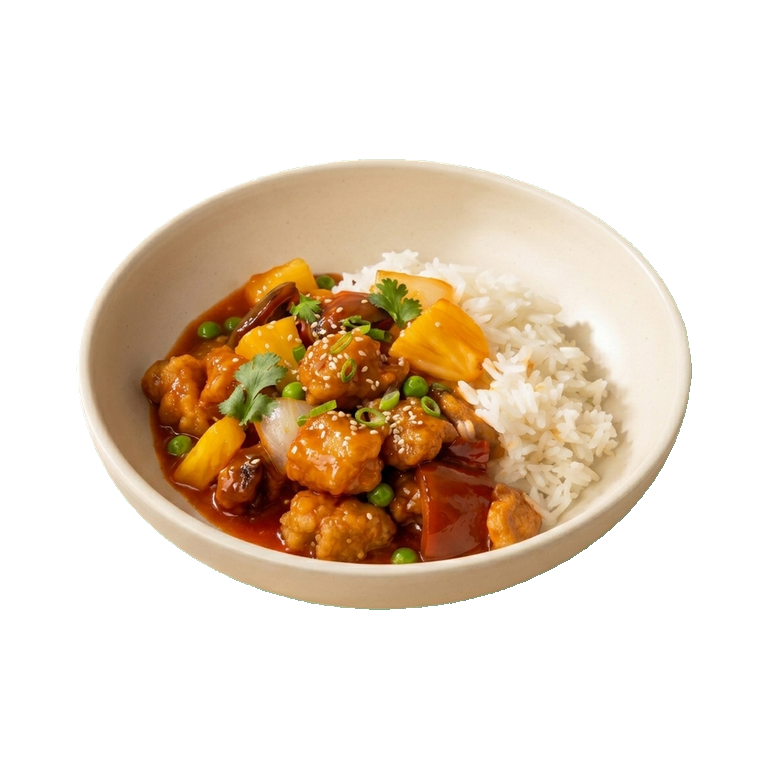
- Cornstarch — a more powerful thickener, creates transparent, glossy sauces. Good for Asian dishes and desserts.
- Potato starch — thickens quickly, gives a delicate texture. Often used in baking and for breading cutlets.
- Tapioca — gives an elastic, slightly gelatinous consistency. Popular in Asian desserts and puddings.
- Rice starch — a gentle thickener with a neutral taste. Suitable for delicate sauces and gluten-free baking.
How Starch Works in Dishes
Starch thickens by swelling its granules when heated. The main rule: dissolve it in cold liquid (water, milk, or broth) before adding to a hot dish, otherwise lumps will form. Approximately 1 tablespoon per cup of liquid gives a medium consistency, but the exact amount depends on the desired result and type of starch.
Remember: starch-based sauces should not be boiled for long, otherwise they lose their viscosity. Add the starch mixture at the end of cooking, bring to a boil while stirring, and remove from heat immediately. For breading or dusting, starch is used in dry form — it absorbs moisture and creates a crispy crust.
Where to use
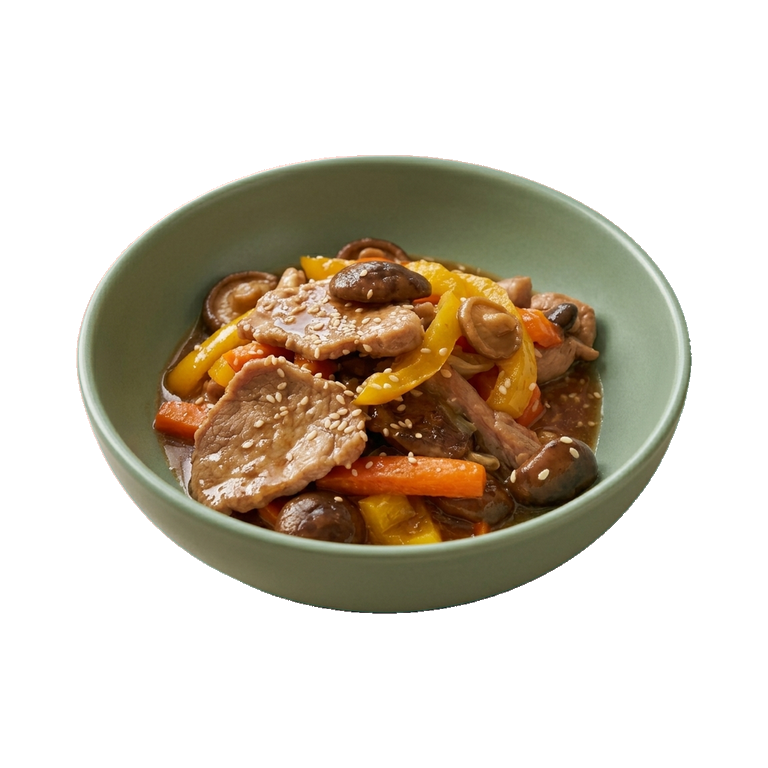
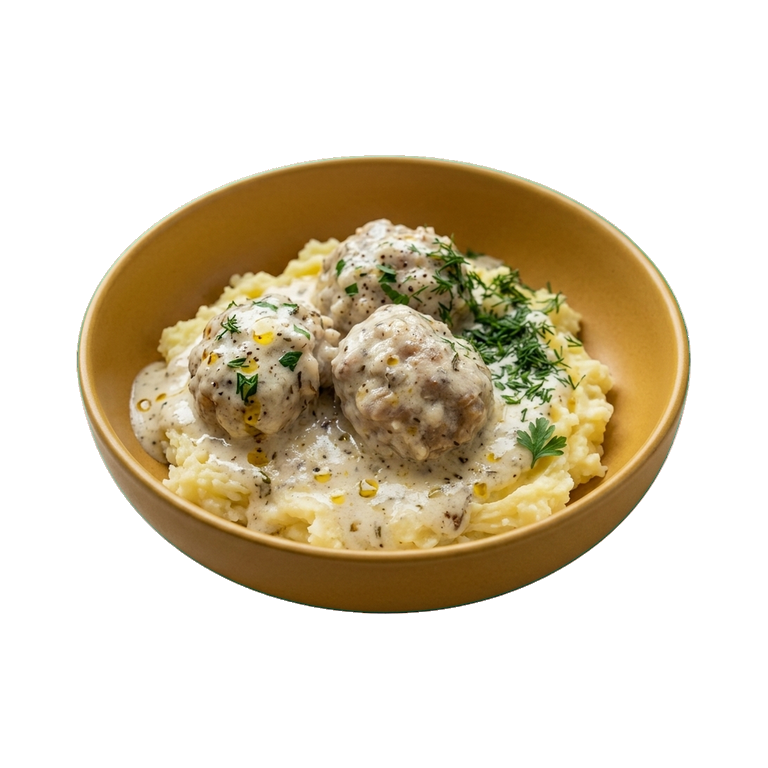
- Sauces and gravies — primary use. Starch provides the desired consistency without greasiness.
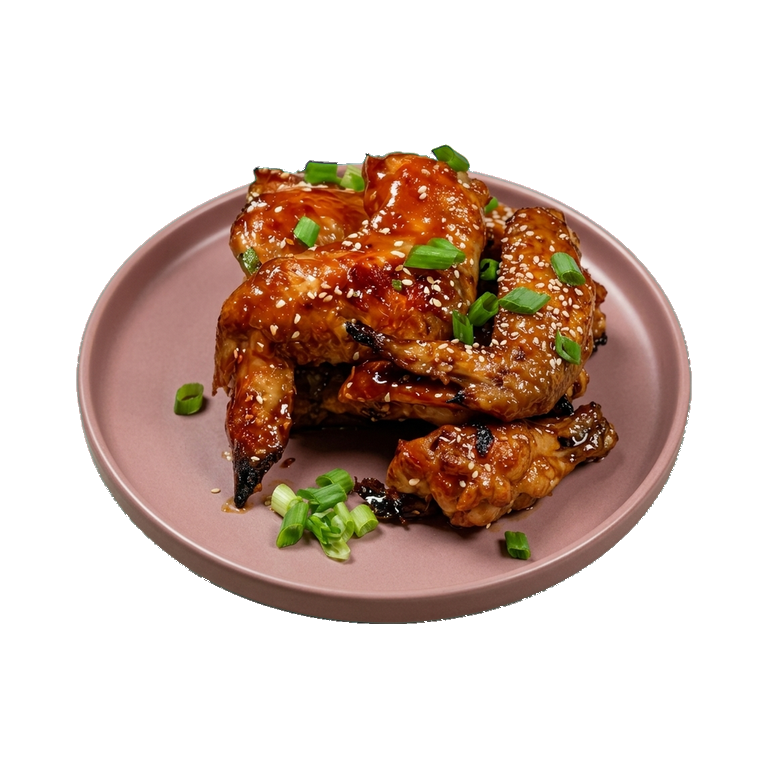
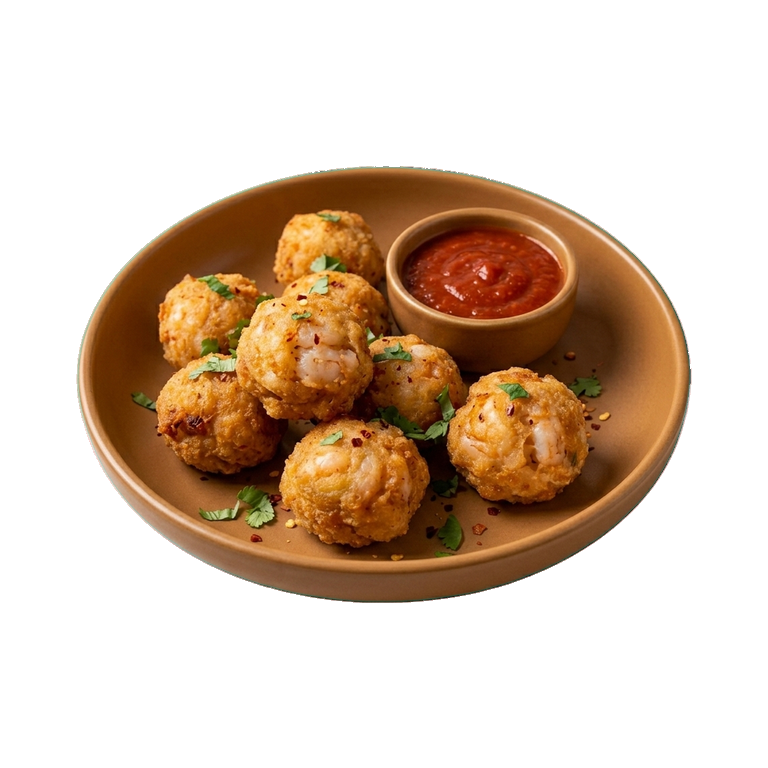
- Breading — mix with flour and spices for a crispy coating on meat and vegetables.
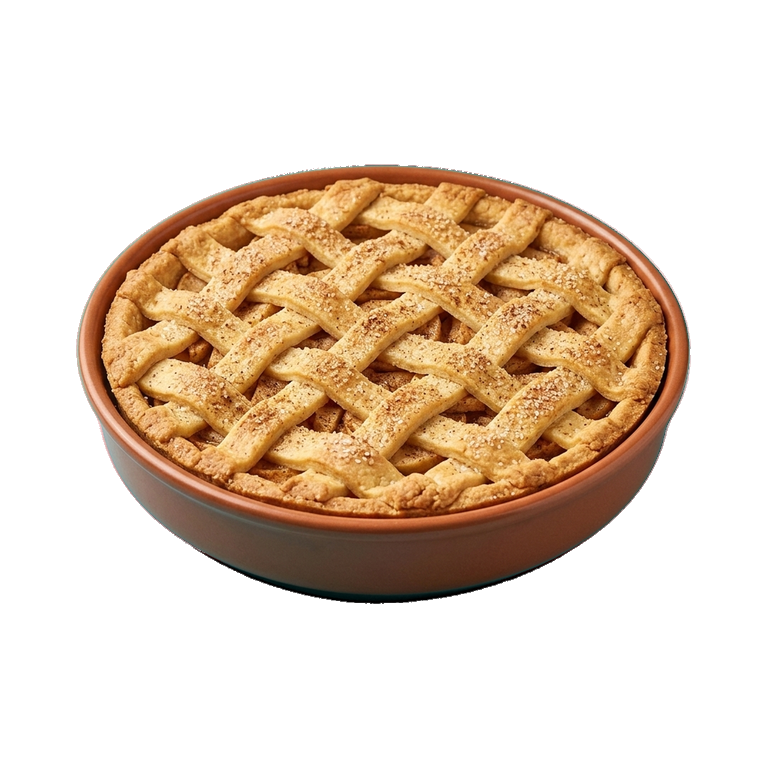
- Baking — adds softness and tenderness to cookies, pies, and sponge cakes.
- Soups and stews — thickens broth without changing the taste.
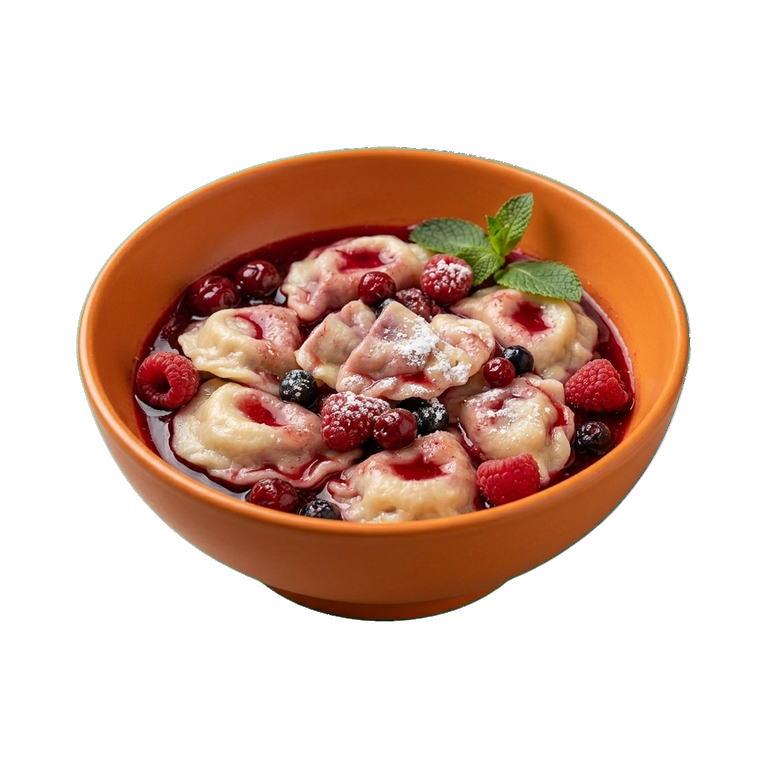
- Desserts — base for creams, puddings, and fruit fillings in pies.
- Marinades and dipping sauces — creates a glossy coating on the finished dish.
Selection and Storage
Starch is an unpretentious product. Choose packaging without damage or lumps. It keeps for years in a dry, cool place protected from moisture and odors. A hermetic container or a jar with a lid is an ideal solution. If starch has absorbed moisture and clumped, it can still be used, but first break up the lumps or pass it through a sieve.
In practice, it makes sense to keep two types on hand: potato or corn starch for sauces and baking, and wheat flour as a universal option. This way you'll be able to quickly adapt to any recipe and experiment with different dish textures.
Nutrition
per 100 g
- Calories
- 381 kcal
- Protein
- 0.1 g
- Fat
- 0.1 g
- Carbs
- 91.2 g
Measures and weight
- 1 tbsp
- 9 g
- 1 tsp
- 3 g
- 1 cup
- 150 g
Measure calculator
- Weight
- 100 g
- Calories
- 381 kcal