Usuba
Usuba
Sumac
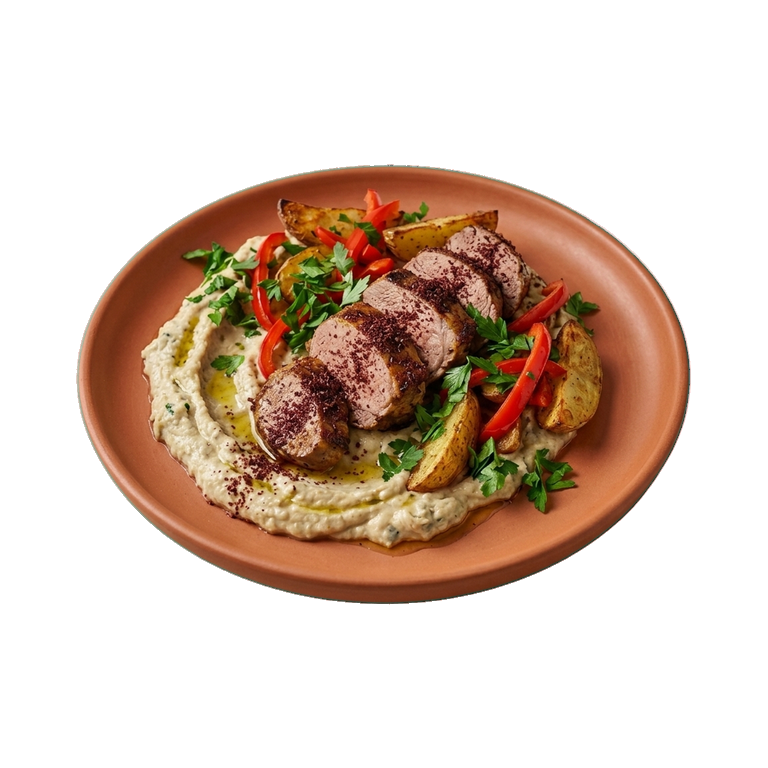
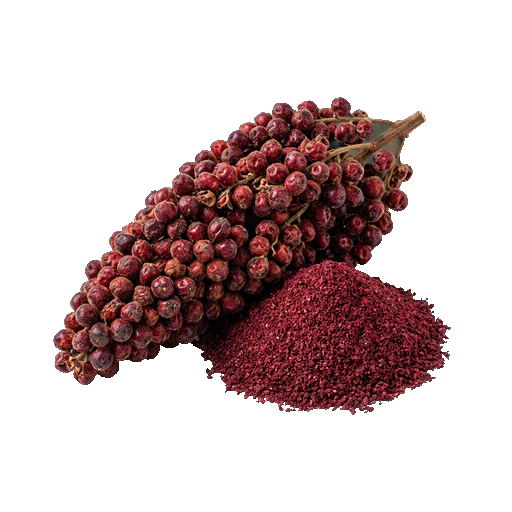
A sharp spice with a bright lemon aroma and tart flavor that brings acidity to dishes without using lemon juice. Sumac is added to salads, marinades, meat and fish dishes, and is also used in spice blends and as a finishing garnish. When selecting, pay attention to the red or burgundy color of ground sumac—this is a sign of freshness; over time, the spice loses its vibrancy and flavor intensity.
About
Sumac is a sharp and vibrant spice that gives dishes a deep sour taste without lemon or vinegar. If you're looking for a way to brighten your food with acidity, but don't want to add liquid, sumac becomes the perfect solution. Its dark red or brown color immediately catches the eye on the table, and the aroma is spicy, slightly astringent, with woody notes.
Aroma and taste
Sumac has a tart and slightly resinous aroma with fruity undertones. On the palate, it delivers a dry, almost astringent tartness — as if you've bitten into an unripe pomegranate. This acidity is not sharp, but soft and enveloping, unfolding gradually. The spice is neither hot nor spicy in the classical sense, but its presence is always noticeable.
Role in dishes
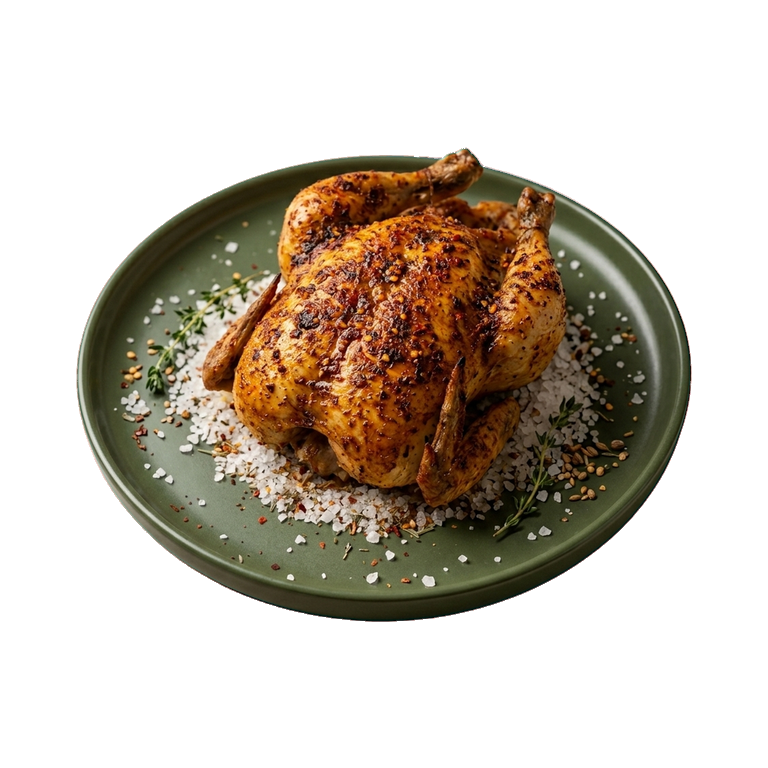
- Seasoning for meat and fish — sumac emphasizes the natural taste of proteins and adds piquancy without marinades
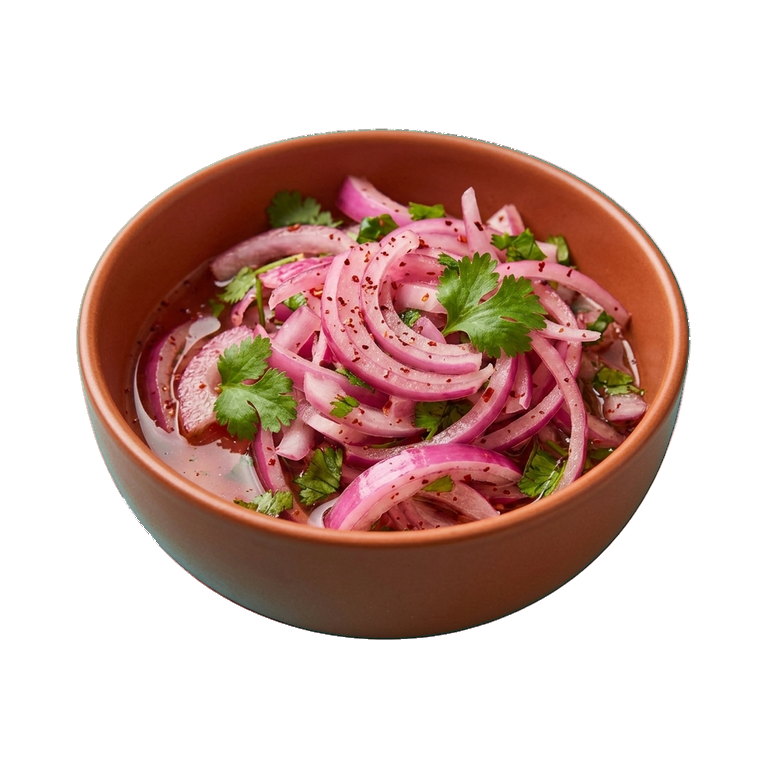
- Vegetable salads — especially with tomatoes, cucumbers and herbs, where sumac's acidity replaces lemon juice
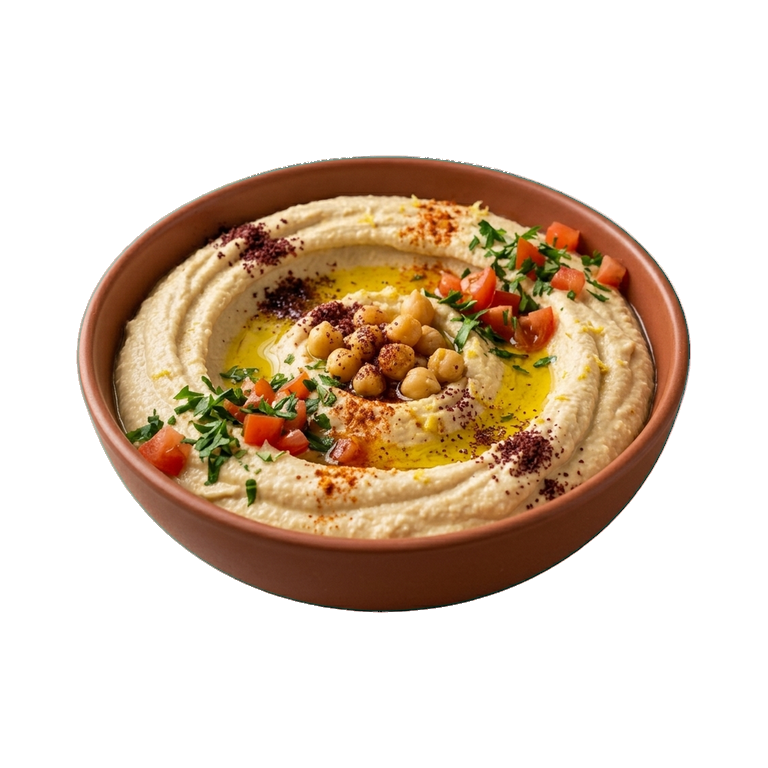
- Hummus and other legume pastes — the spice lightens their flavor and adds brightness
- Grains and cereals — a pinch of sumac turns a simple side dish into an interesting meal
- Yogurts and creamy sauces — contrasts with creaminess and creates balance
Combinations with spices and products
Sumac works well with cumin, coriander, and paprika — they enhance its Eastern character. Combined with garlic and onion, it creates a classic marinade combination. It pairs excellently with herbs: mint, parsley, and cilantro. It doesn't conflict with hot spices, but on its own doesn't require reinforcement — just a pinch is enough to feel its influence.
Selection and Storage
When purchasing, look at the color — the brighter the reddish-brown hue, the fresher the spice. Sumac should smell tart and tangy, without mustiness. If the smell is weak or musty, it's better to choose another package. Whole berries keep longer than ground powder, but ground powder is more convenient to use in cooking.
- Store in a tightly sealed container, protected from light and moisture
- A cool place without temperature fluctuations — an ideal dark kitchen cabinet
- Ground sumac retains its aroma for 6–8 months, whole berries — up to a year
- If sumac has dulled or smells weak, it has lost its potency — time to replace it
Practical Tips
Add sumac at the end of cooking or right before serving — this way it will retain its bright flavor and aroma. If you're cooking for guests unfamiliar with the spice, start with a quarter teaspoon per serving and adjust to taste. On meat, sumac works especially well combined with olive oil and salt — it's a minimalist yet powerful marinade. In cold dishes, sumac reveals itself more fully than in hot dishes, so don't hesitate to be generous with it in salads.
Sumac is a spice for those who want to add depth and tanginess without extra liquid and complexity. A single pinch can transform a simple dish, so it's worth keeping on hand in your kitchen.
Nutrition
per 100 g
- Calories
- 288 kcal
- Protein
- 5.5 g
- Fat
- 2.4 g
- Carbs
- 68.5 g
Measures and weight
- 1 tbsp
- 9.8 g
- 1 tsp
- 3.3 g
- 1 cup
- 162.5 g
Measure calculator
- Weight
- 100 g
- Calories
- 288 kcal