Usuba
Usuba
Wine vinegar
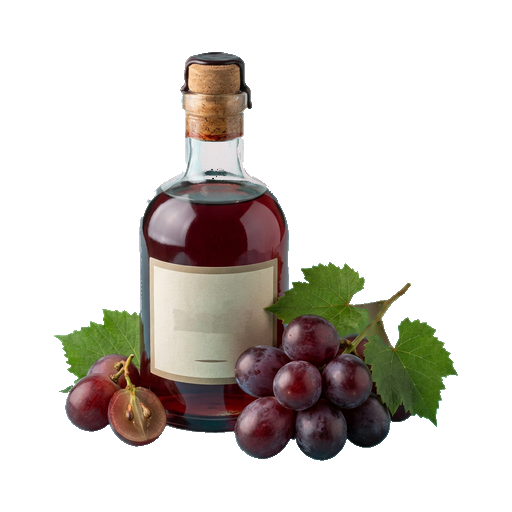
Wine vinegar is made from grape wine through fermentation with acetic acid and has a mild, slightly fruity flavor with pleasant acidity. It is versatile in cooking: suitable for dressings, marinades, sauces, and deglazing pans, adding depth and balance to dishes. When choosing, pay attention to the acidity strength — typically 5–7% — and remember that white wine vinegar is milder than red, so they cannot be completely substituted for each other in recipes.
About
Wine vinegar is not just an acidic product, but a full-fledged ingredient with its own character. It is produced from wine through natural fermentation, so it retains some of its aroma and complexity. Unlike ordinary table vinegar, it is not aggressive and does not sting the tongue — rather, it emphasizes and harmonizes the flavors of other products.
Aroma and Taste
Red wine vinegar has a rich, slightly fruity aroma with berry notes. The taste is milder than one might expect — acidity is present, but it doesn't bite, rather it caresses. White wine vinegar is more delicate: its aroma is lighter, the taste is more refined, with a barely perceptible sweetness. Both variants have a noble bitterness on the finish.
Role in Dishes
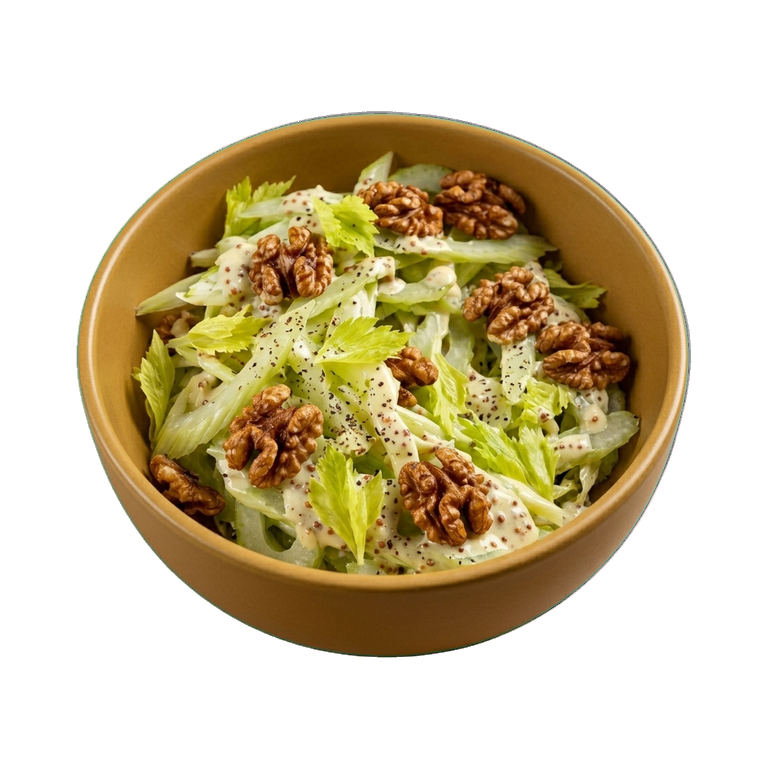
- Base for vinaigrettes and dressings: wine vinegar creates an emulsion with oil that coats ingredients rather than simply soaking them
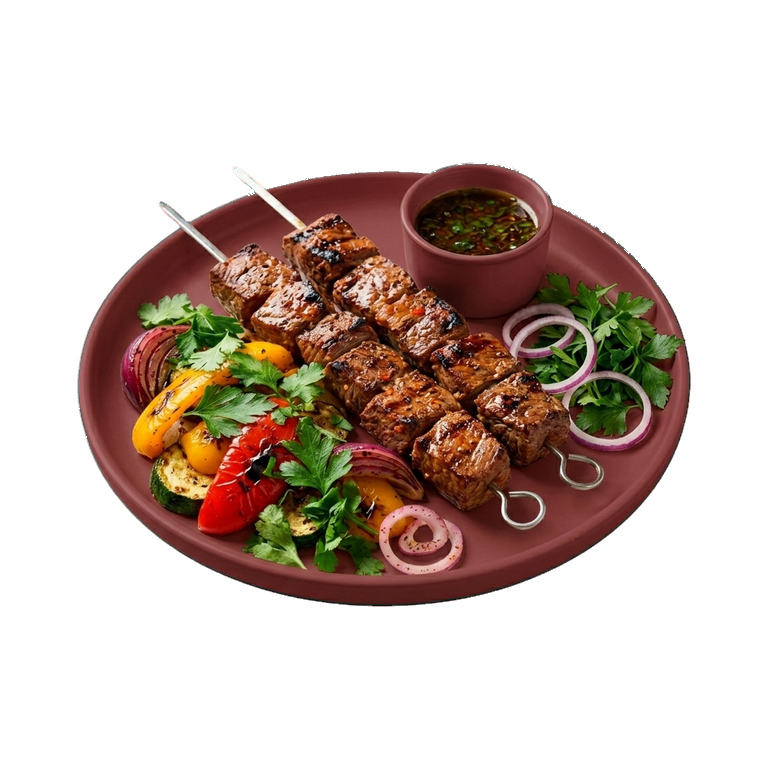
- Marinades: the acidity is sufficient to tenderize meat without drying it out like stronger vinegars do
- Sauces: adds depth and roundness, especially in classic French sauces
- Preservation: preserves vegetables while maintaining their texture and not overpowering their natural flavor
- Finishing touches: a splash directly into soup, stew, or sauce at the end of cooking brings the dish to life
Flavor Pairings
Wine vinegar is a companion to olive oil, mustard, and garlic. It works well with herbs: thyme, oregano, basil. The red variety pairs with meat, tomatoes, and dark vegetables. White vinegar prefers fish, seafood, delicate greens, and white vegetables. Both are suitable for salads with fruits — vinegar balances sweetness.
Selection and Storage
- Check the acidity: typically 5–7%. Less — it works poorly, more — too sharp
- The label should indicate that this is wine vinegar, not a synthetic product
- Sediment or cloudiness in the bottle is normal, it's a sign of authenticity, not spoilage
- Store in a dark bottle in a cool place away from sunlight — this will preserve the aroma
- Shelf life is usually unlimited: vinegar only improves over time
Practical Tips
If vinegar seems too acidic, dilute it with water — no one will stop you. Start small: it's better to add another spoonful than to overdo it. Add to hot dishes at the end of cooking to preserve the aroma. For marinades and dressings, prepare several hours before serving — the ingredients will have time to absorb the flavor.
Nutrition
per 100 ml
- Calories
- 18 kcal
- Protein
- 0 g
- Fat
- 0 g
- Carbs
- 0.9 g
Measures and weight
- 1 tbsp
- 15 g
- 1 tsp
- 5 g
- 1 cup
- 250 g
Measure calculator
- Weight
- 100 g
- Calories
- 18 kcal