Usuba
Usuba
Buckwheat groats
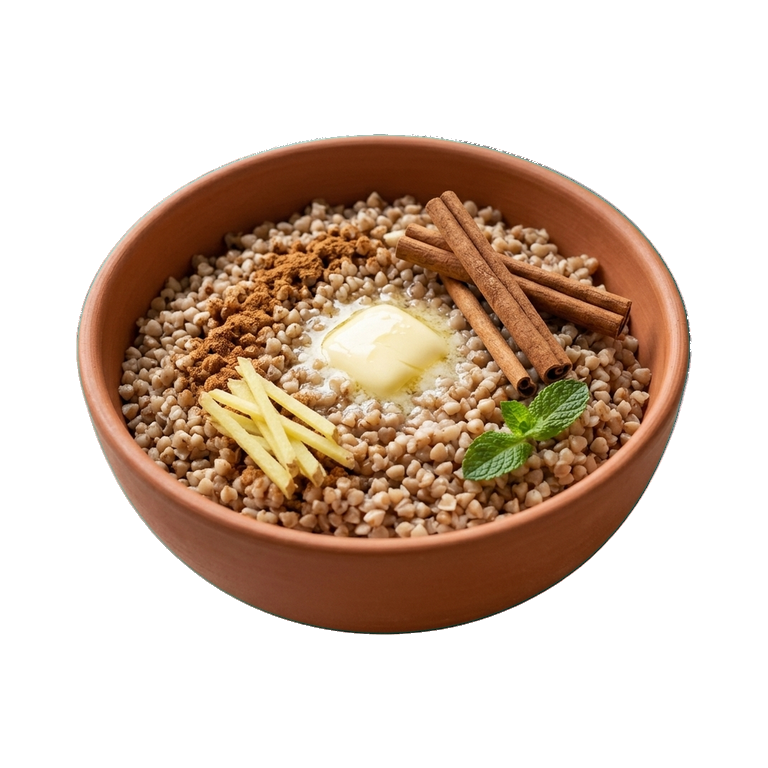
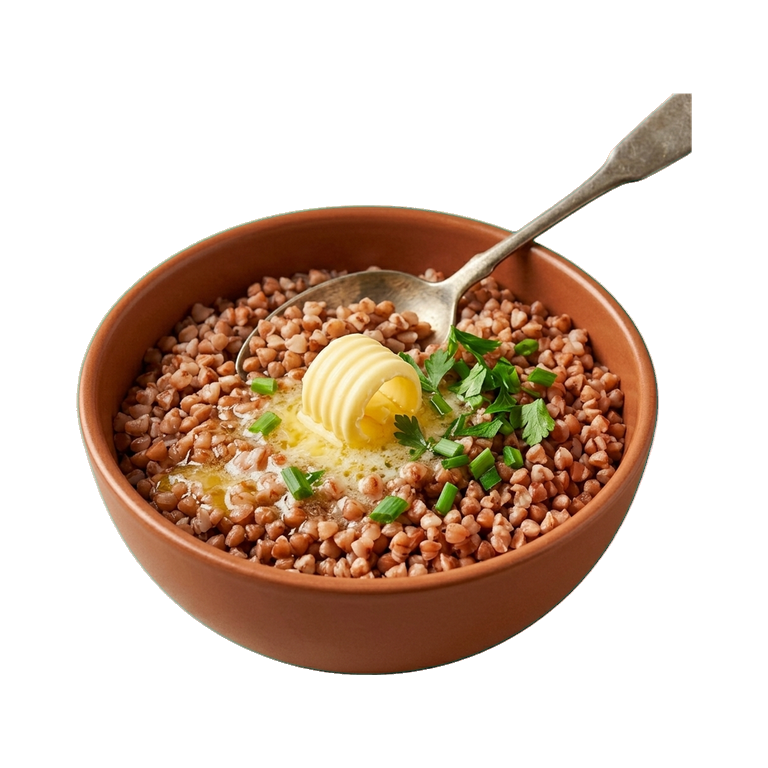
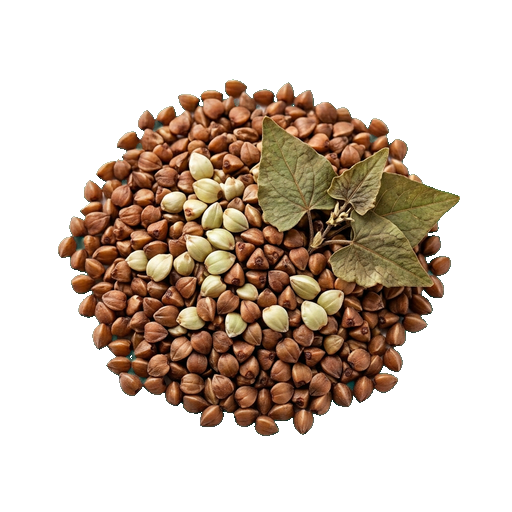
Buckwheat groats are hulled buckwheat grains with a nutty aroma and slightly sweet taste. The groats absorb broth and seasonings well, making them ideal for fluffy side dishes, porridges, and soups. When selecting, pay attention to color uniformity and the absence of a musty smell. When storing, protect from moisture and pests in an airtight container.
About
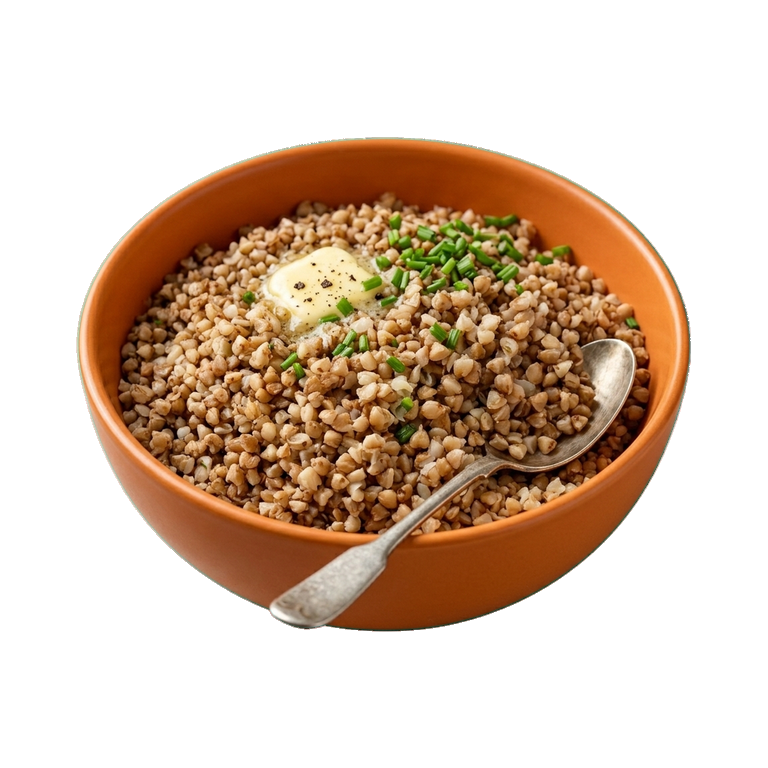
Buckwheat groats are one of the most rewarding grains in the kitchen. It cooks quickly, holds its shape, doesn't fall apart into mush, and remains crumbly. Its neutral, slightly nutty flavor easily adapts to any sauce, meat, or vegetables. It's not just a side dish — it's a foundation on which you can build a complete dish.
Aroma and Taste
Buckwheat smells of earth and grass, but not sharply — rather it has a subtle nutty undertone. When the groats are roasted before cooking (and quality buckwheat is sold already roasted), the aroma becomes more pronounced, almost like roasted seeds. The taste is slightly sweet, with a light bitterness that adds character and prevents the dish from being bland.
Role in dishes
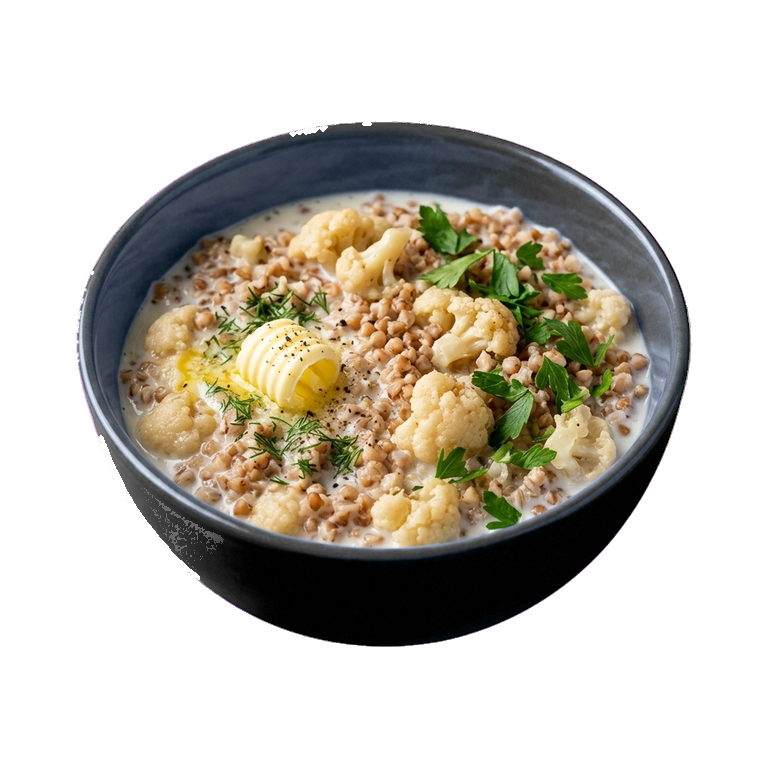
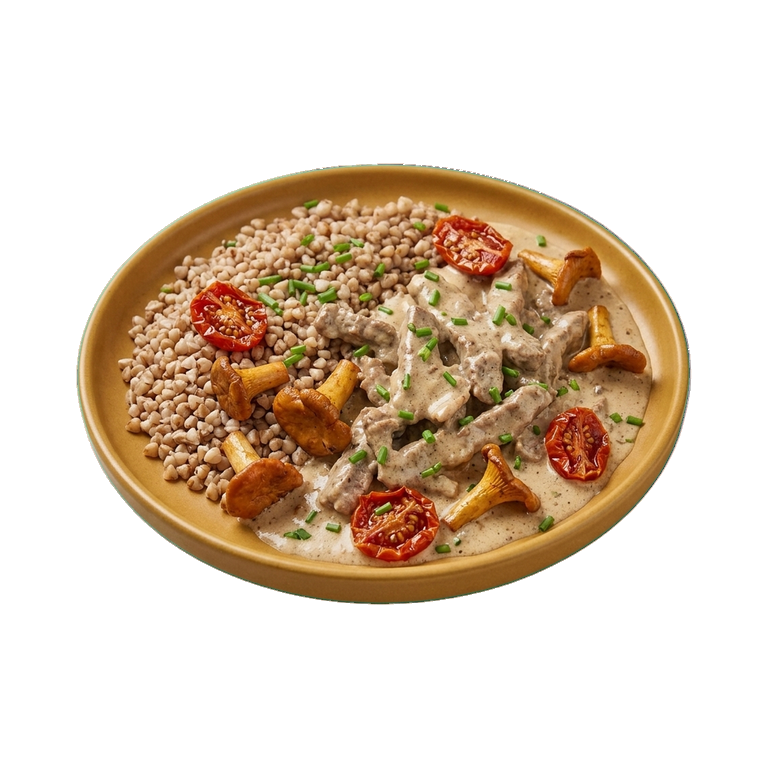
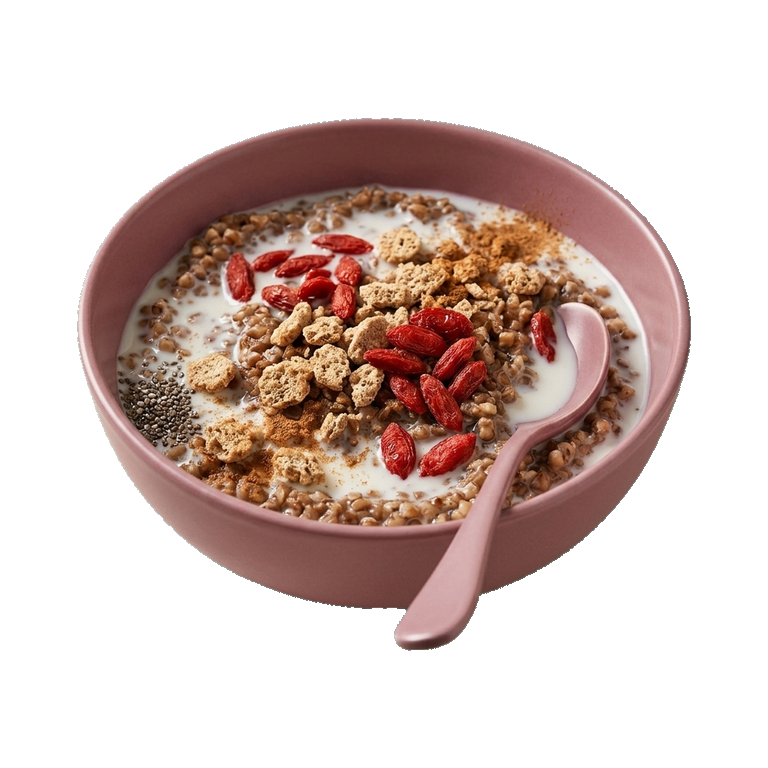
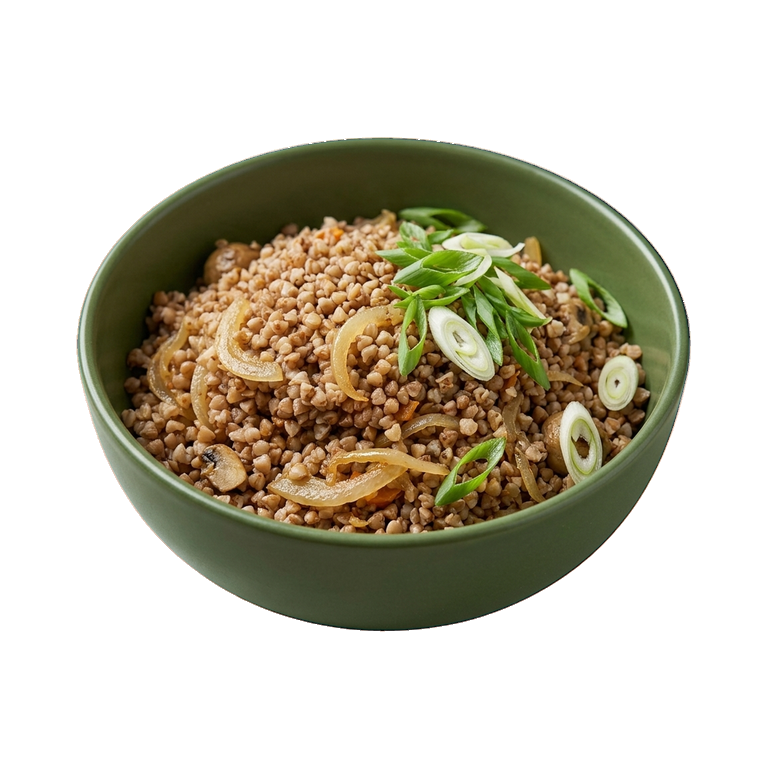
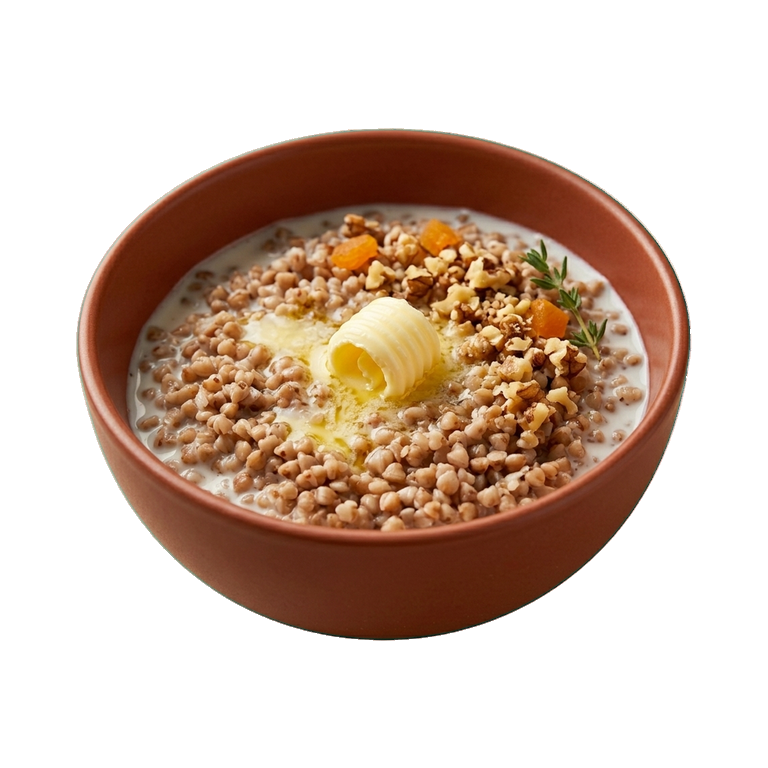
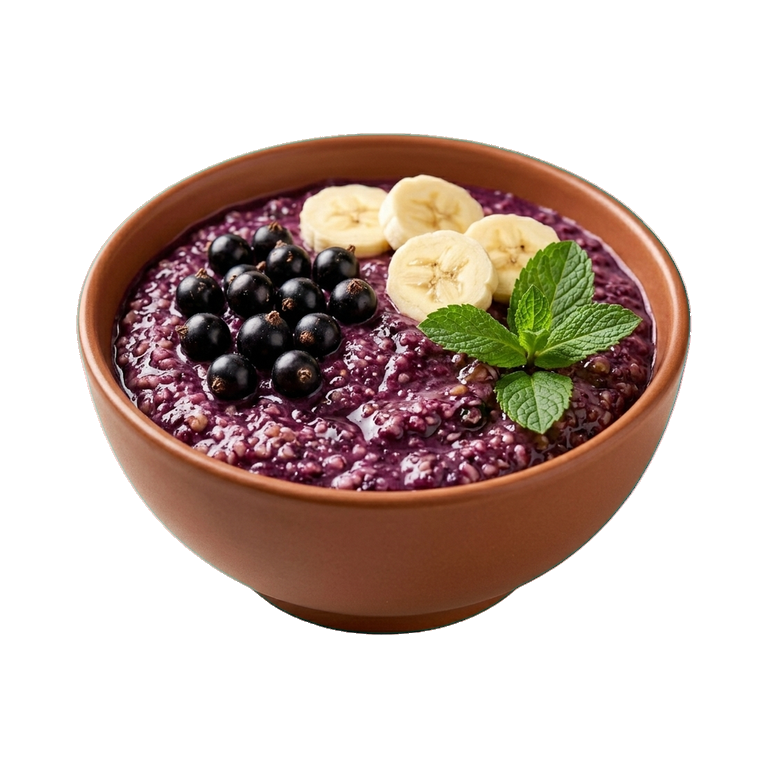
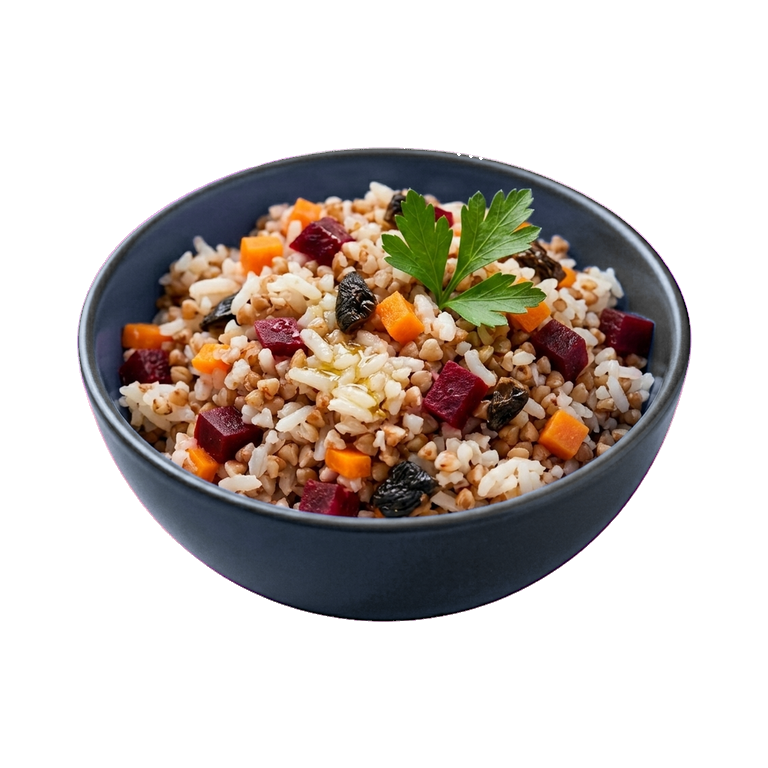
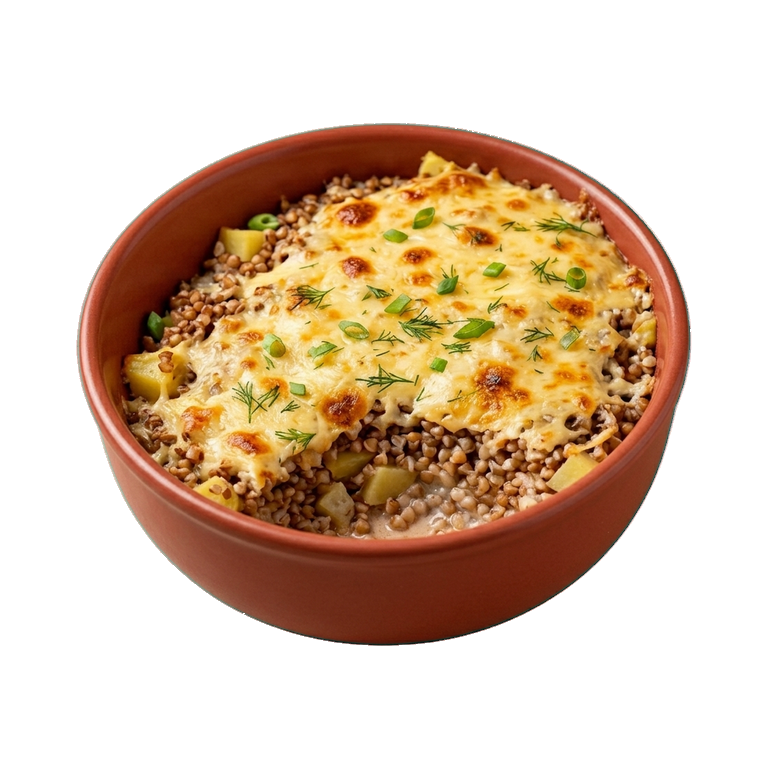
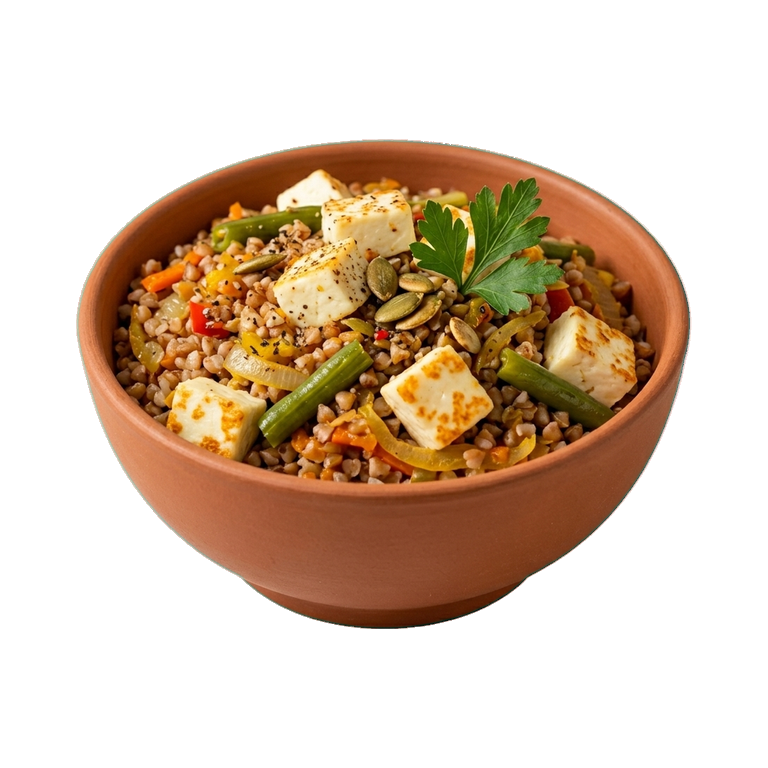
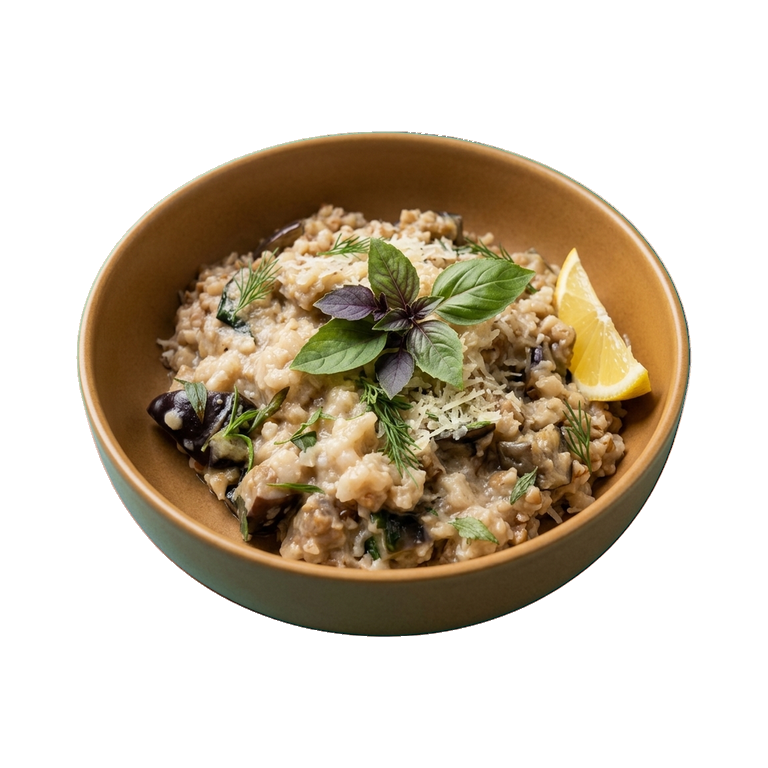
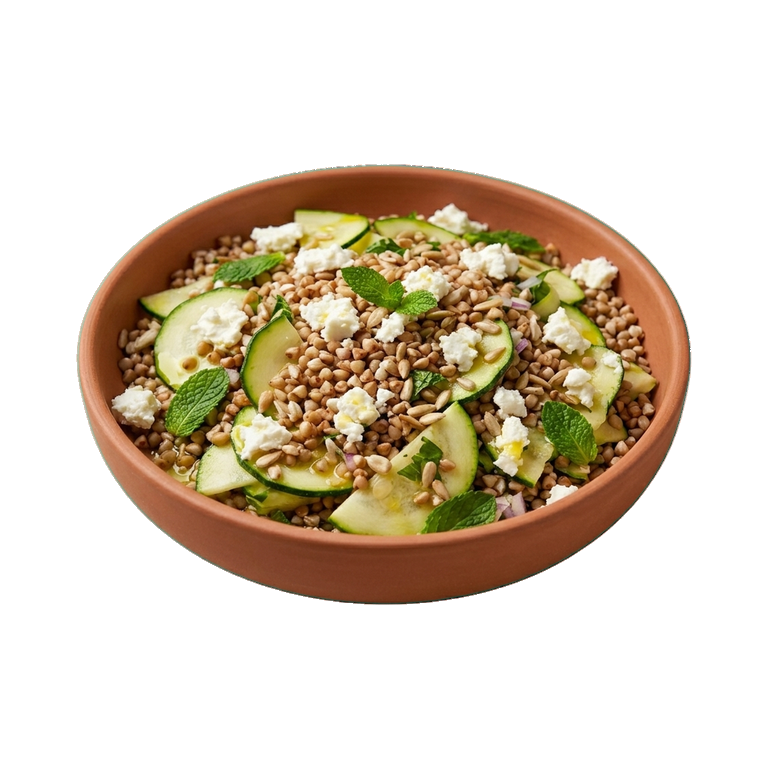
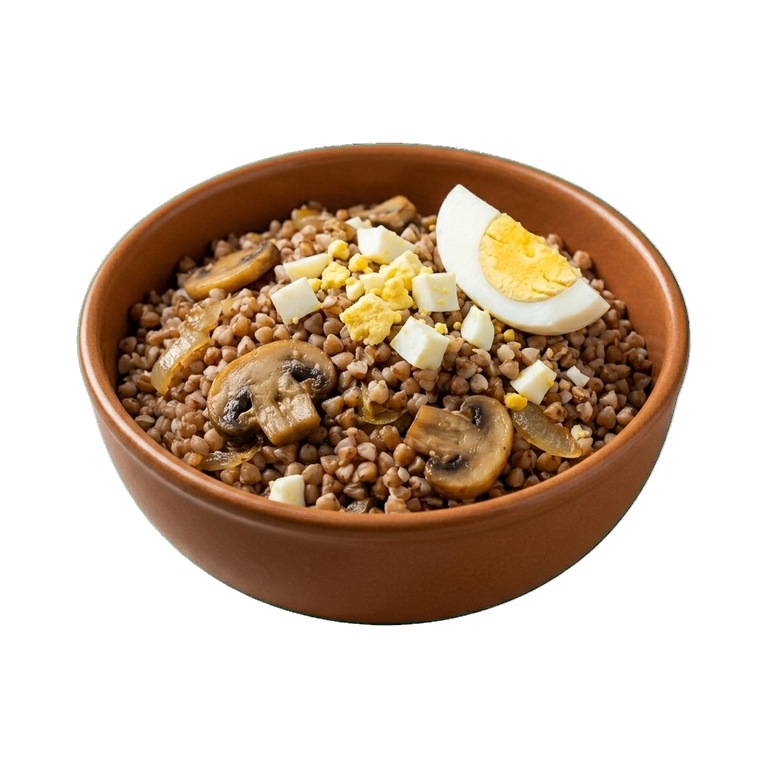
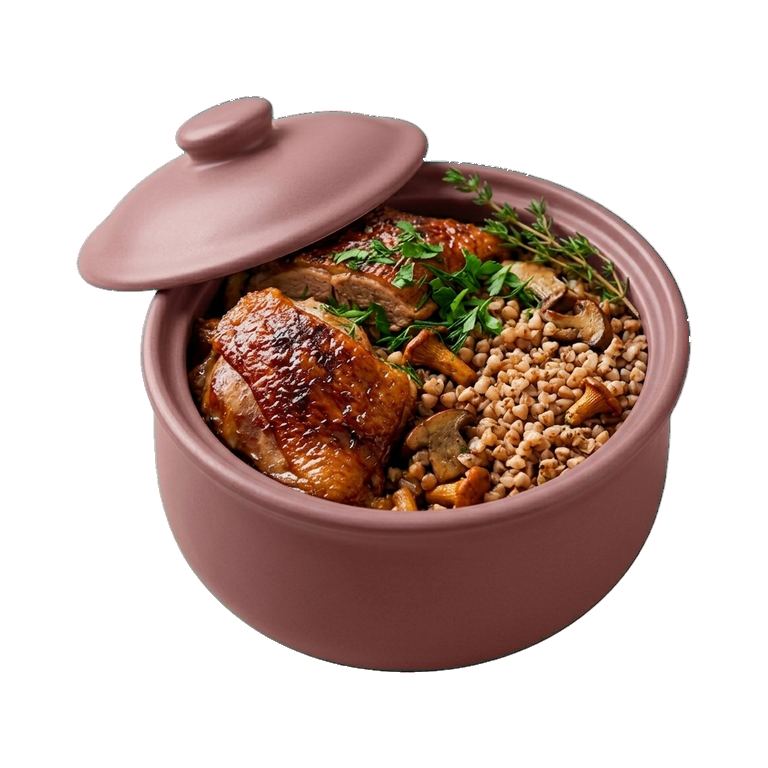
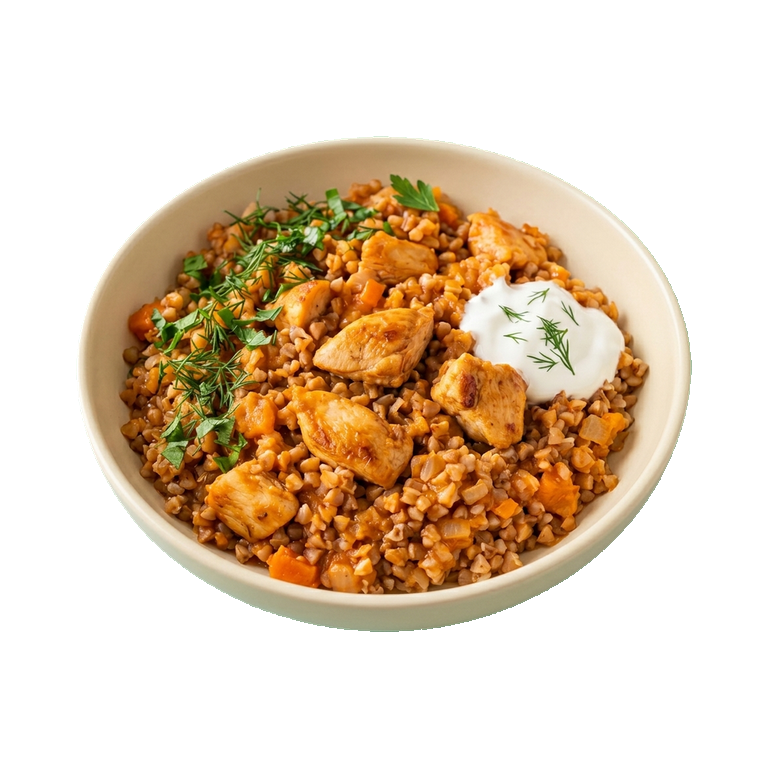
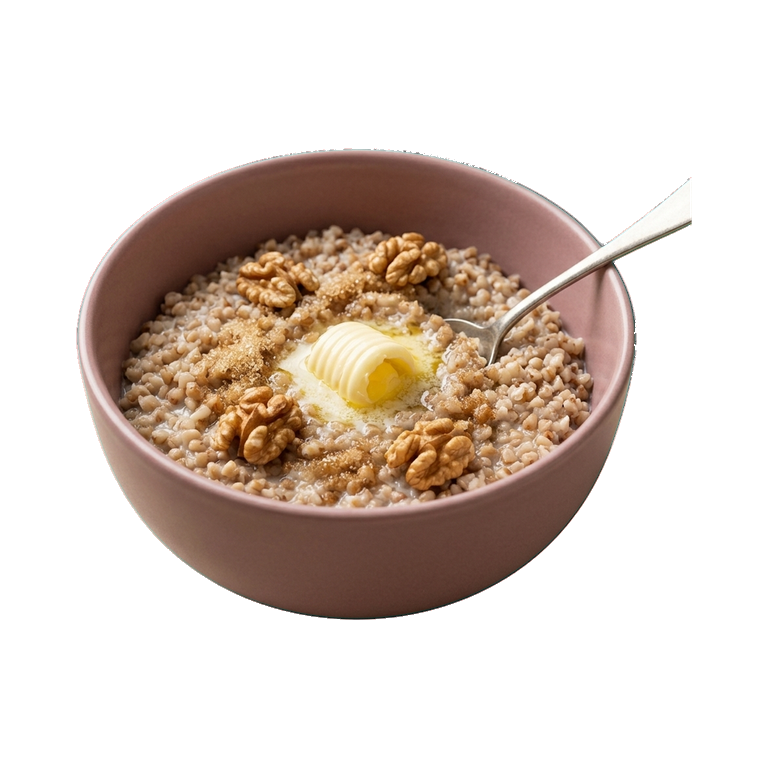
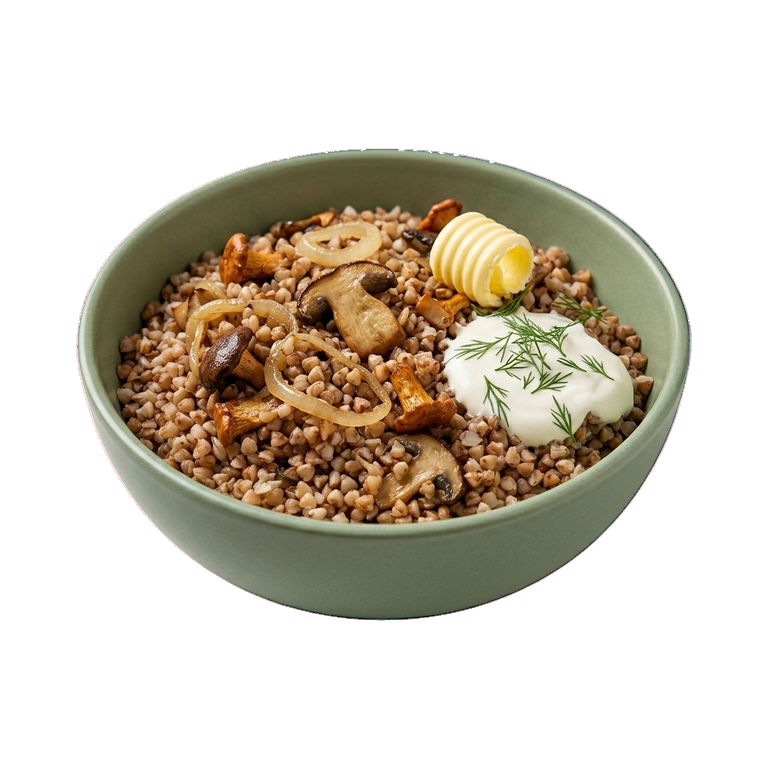
In Russian cuisine, buckwheat is a classic side dish for meat, poultry, and mushrooms. It is cooked until fluffy so that the grains remain separate, and served with butter and onions. However, it also works well in more complex compositions: in salads with vegetables and herbs, in soups (especially in shchi and rassolnik), in casseroles with cottage cheese, in pilaf together with rice or as a substitute for it.
What pairs well
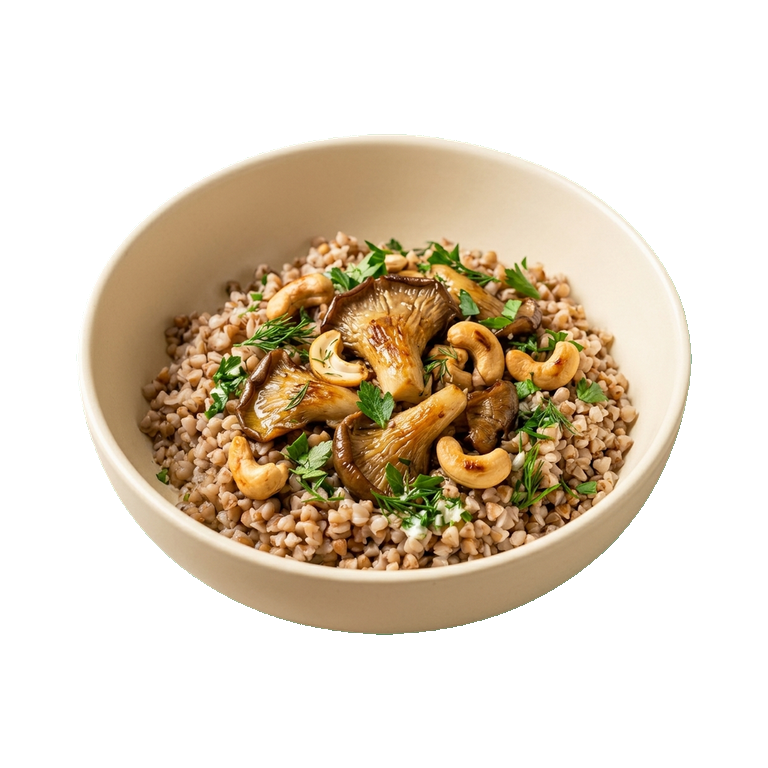
- Mushrooms — fried or in sour cream, a classic combination
- Onions — caramelized or simply sautéed, adds sweetness
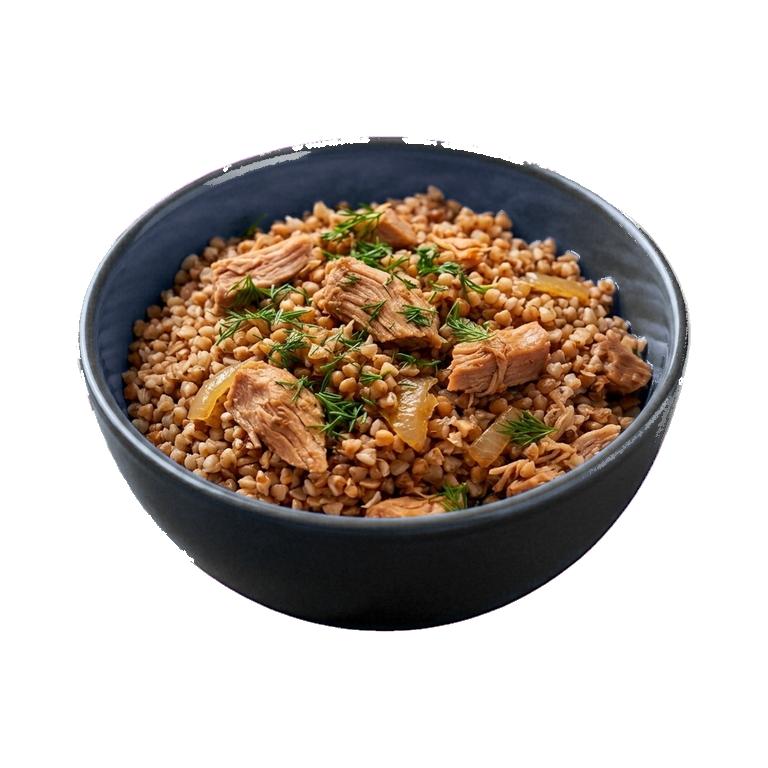
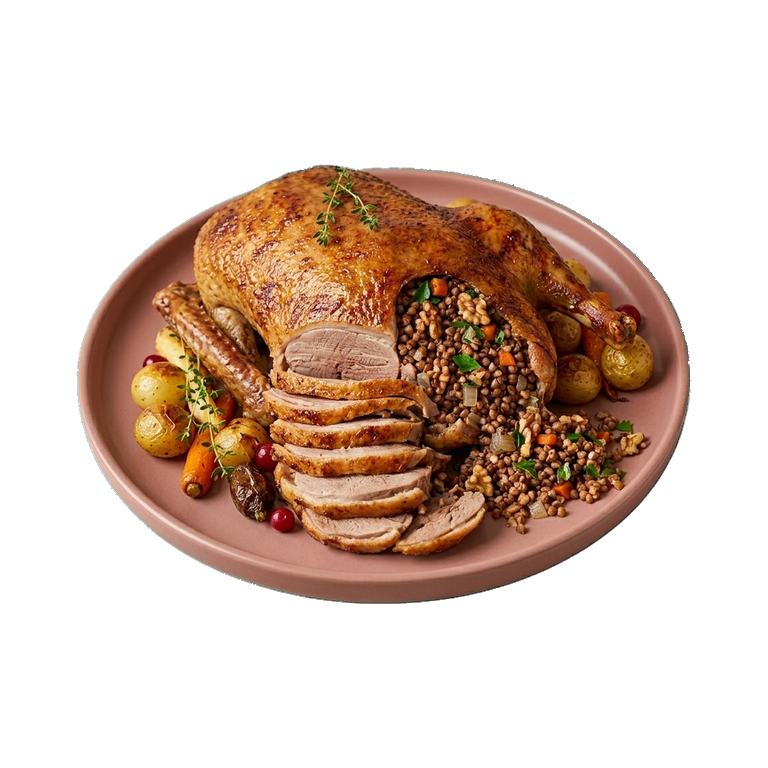
- Meat — beef, pork, duck, chicken — buckwheat absorbs sauces
- Herbs — dill, parsley, green onions — freshen up the buckwheat
- Egg — boiled or as an omelet on top of the porridge
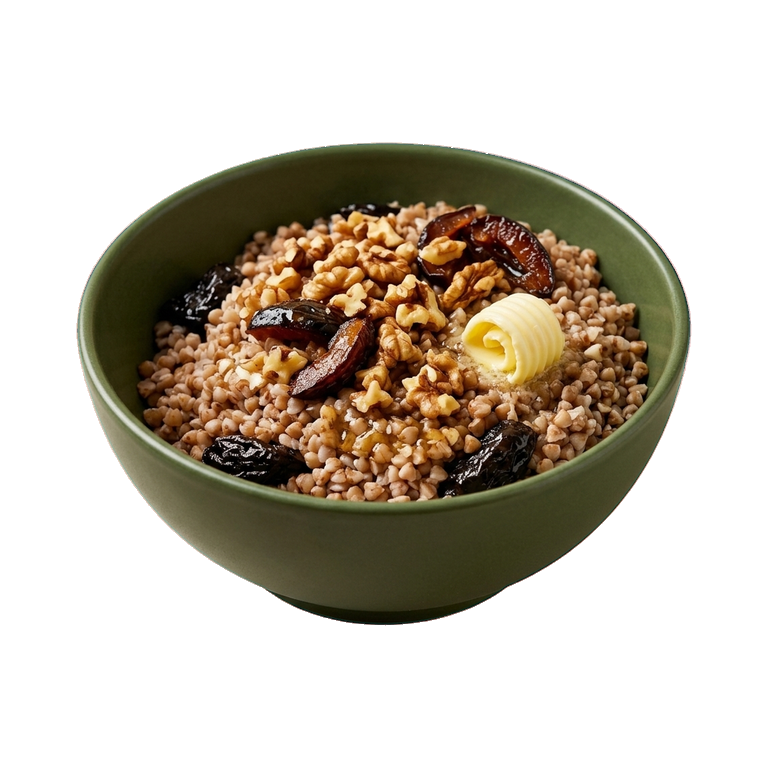
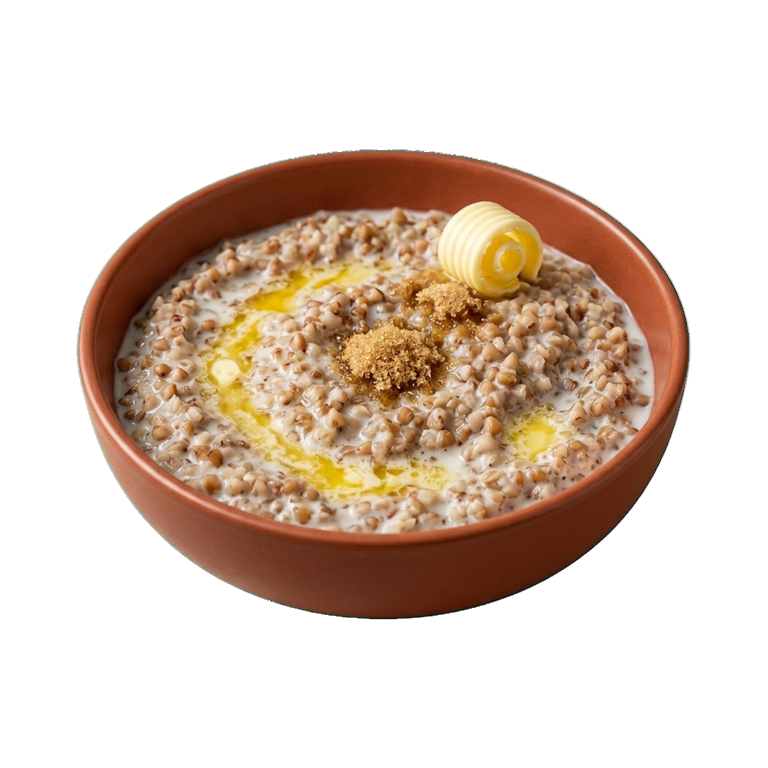
- Sour cream or butter — a classic finish
Selection and Storage
Buckwheat comes in two types: groats (whole grains) and crushed buckwheat (cracked). Groats are the choice for crumbly porridge as they hold their shape better. Crushed buckwheat cooks faster and is suitable for casseroles and thicker dishes. Pay attention to the color: good buckwheat is light brown, uniform, without dust and debris.
Store buckwheat in an airtight container in a dry place — it absorbs moisture and foreign odors. With proper storage, the cereal will keep for a year without any problems. Before cooking, sort through the buckwheat: sometimes there are small stones or black grains. Rinsing buckwheat before cooking is not necessary, but many cooks do it to wash away dust.
Cooking Tip
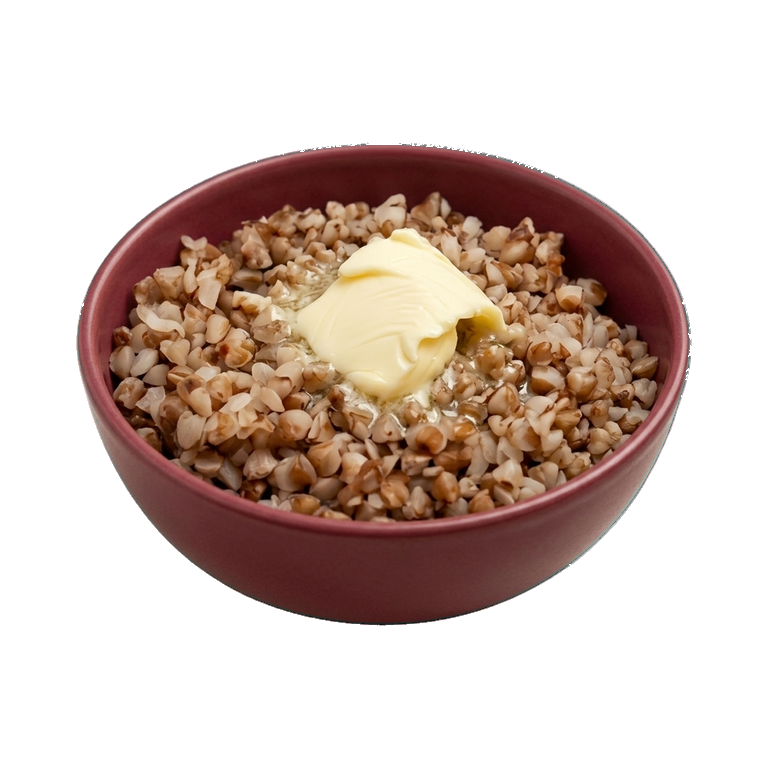
Main rule: the ratio of buckwheat to liquid is approximately 1 to 2. Cook over medium heat without stirring — this keeps the porridge crumbly. When the liquid is almost absorbed, reduce the heat to minimum, cover with a lid and let it stand for 5–10 minutes. Add butter and salt — and the side dish is ready.
Nutrition
per 100 g
- Calories
- 343 kcal
- Protein
- 12.6 g
- Fat
- 3.4 g
- Carbs
- 62.1 g
Measures and weight
- 1 tbsp
- 12 g
- 1 tsp
- 4 g
- 1 cup
- 200 g
Measure calculator
- Weight
- 100 g
- Calories
- 343 kcal