Usuba
Usuba
Cocoa
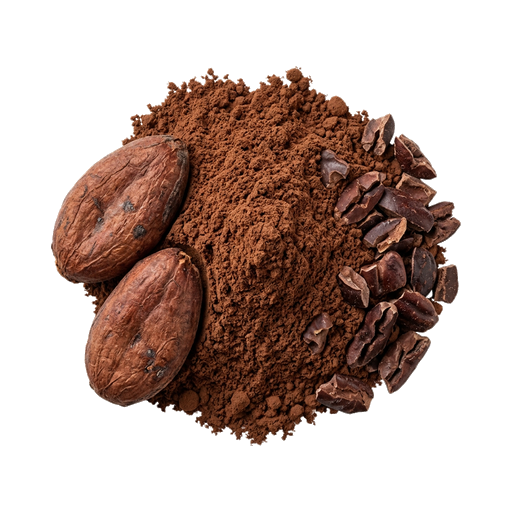
Cocoa is a powder made from processed and dried cocoa beans, characterized by an intense bitter taste with subtle fruity notes. It is used in baking, desserts, beverages, and sauces, giving dishes a rich chocolate flavor without added sugar. When selecting cocoa, pay attention to the percentage of cocoa butter and the absence of impurities, and remember that natural cocoa requires more sugar for flavor balance than sweetened blends.
About
Aroma and flavor of cocoa
Cocoa is not just the chocolate flavor we've known since childhood. In its pure form, it's a slightly bitter, deep powder with a rich earthy aroma and barely perceptible notes of tartness. When you open a jar of quality cocoa, you're greeted with an intense, almost spicy aroma — this is the result of fermentation and processing of cocoa beans. The taste depends on the origin of the raw material: one cocoa can give berry undertones, another — nutty or even fruity nuances. The higher the percentage of cocoa in the powder, the more pronounced the bitterness will be and the less sweetness you will feel without adding sugar.
Role in dishes and drinks
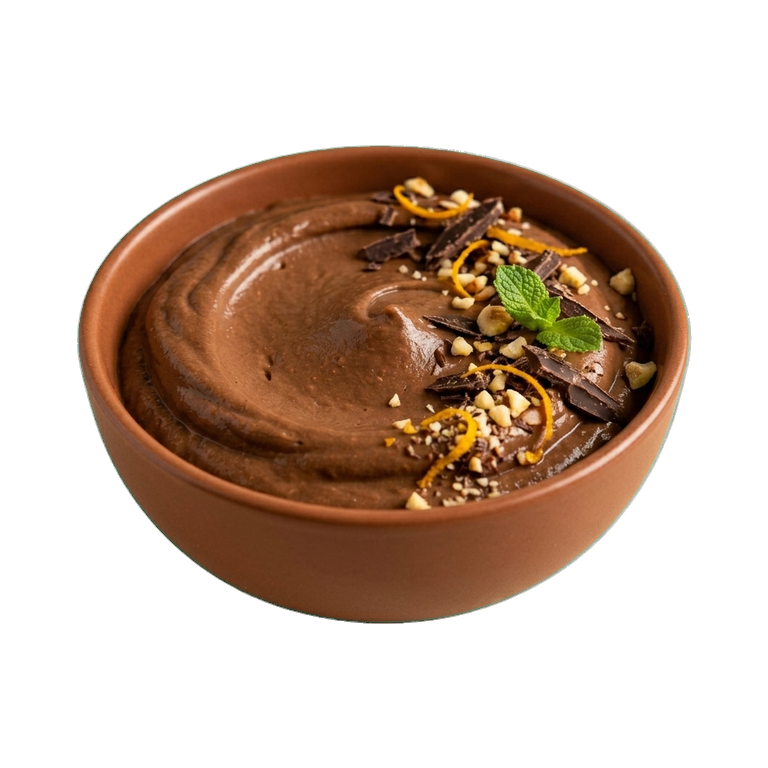
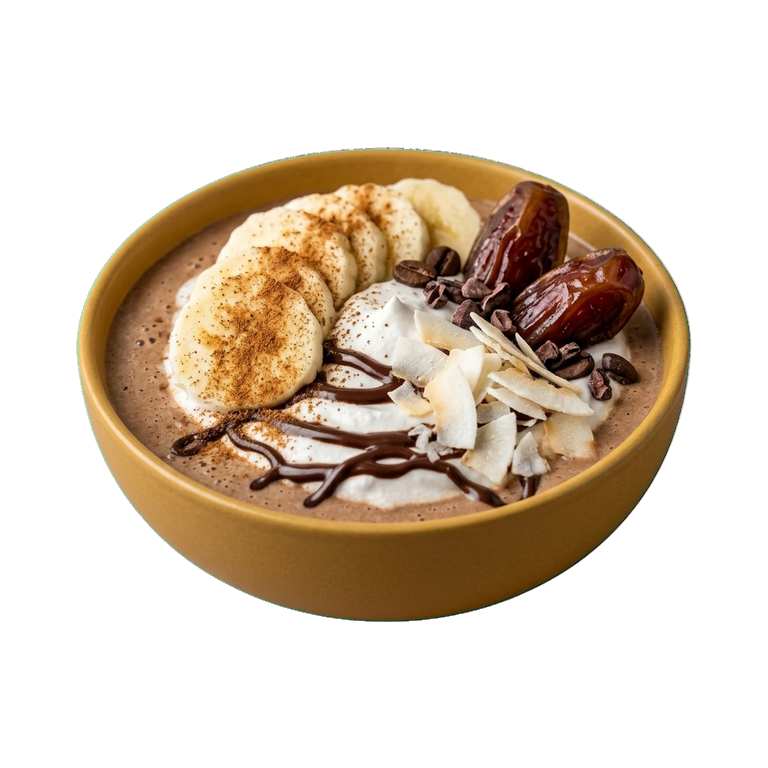
Cocoa works in two directions: as a main ingredient for beverages and as a subtle flavoring in baked goods, desserts, and sauces. In hot chocolate or cocoa drinks, the powder unfolds completely, especially if dissolved properly in hot liquid. To do this, it's best to first mix cocoa with a small amount of cold liquid to avoid lumps, then add hot milk or water.
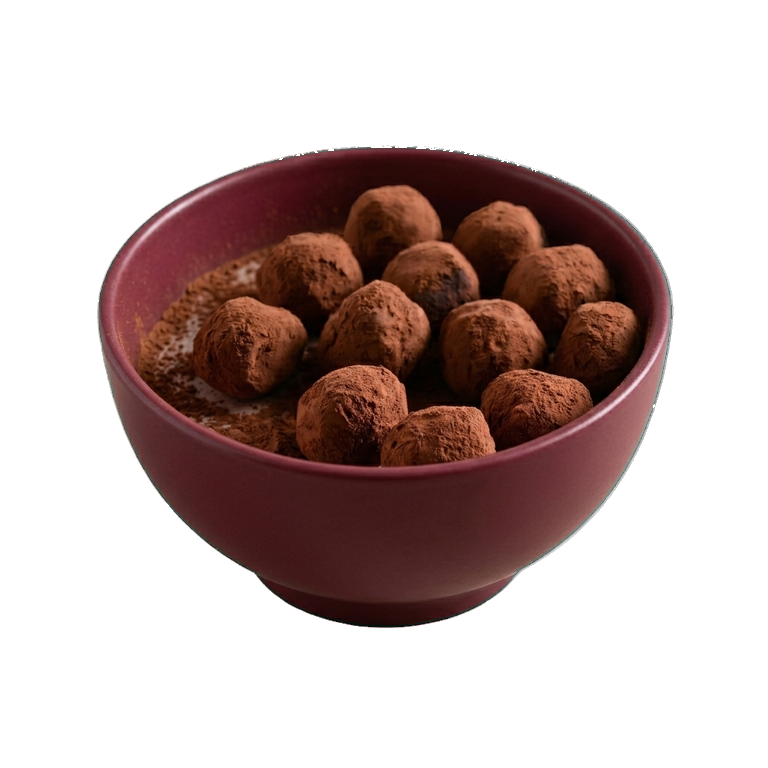
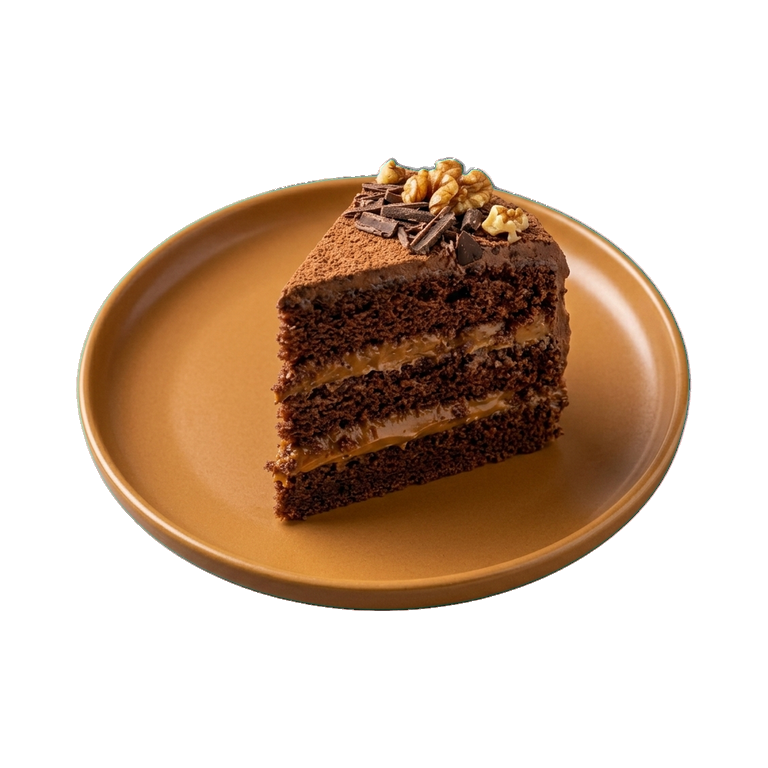
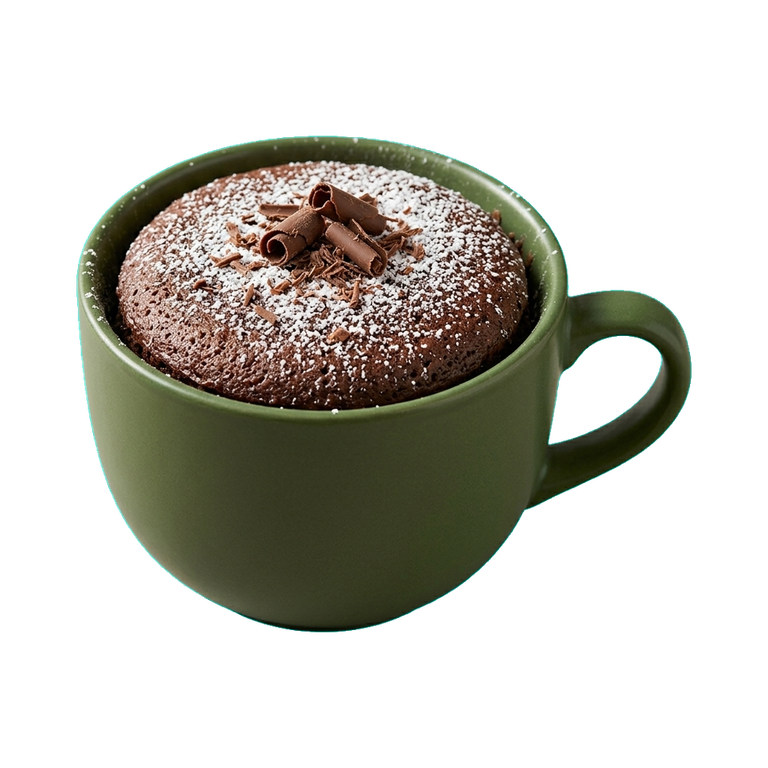
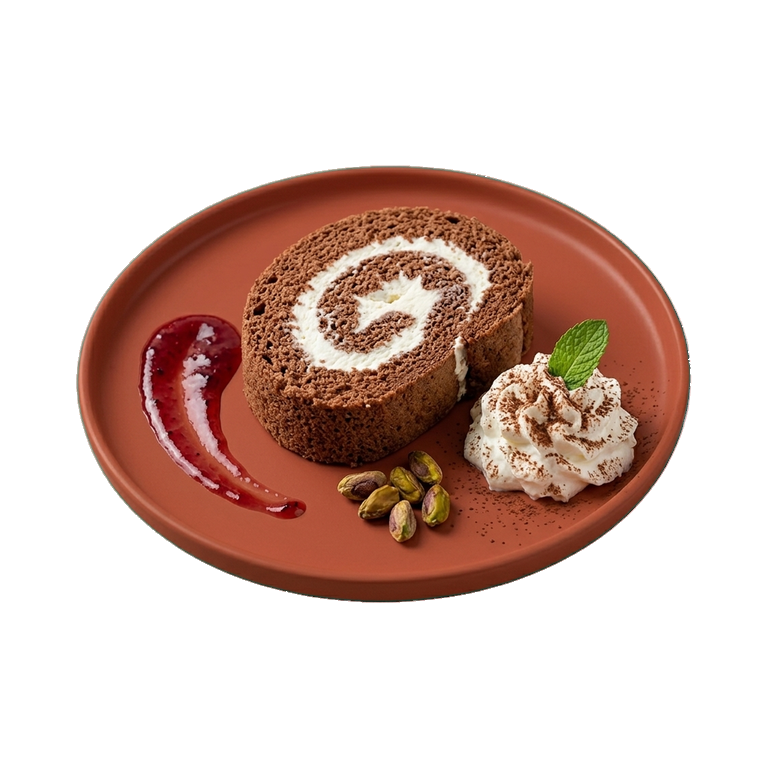
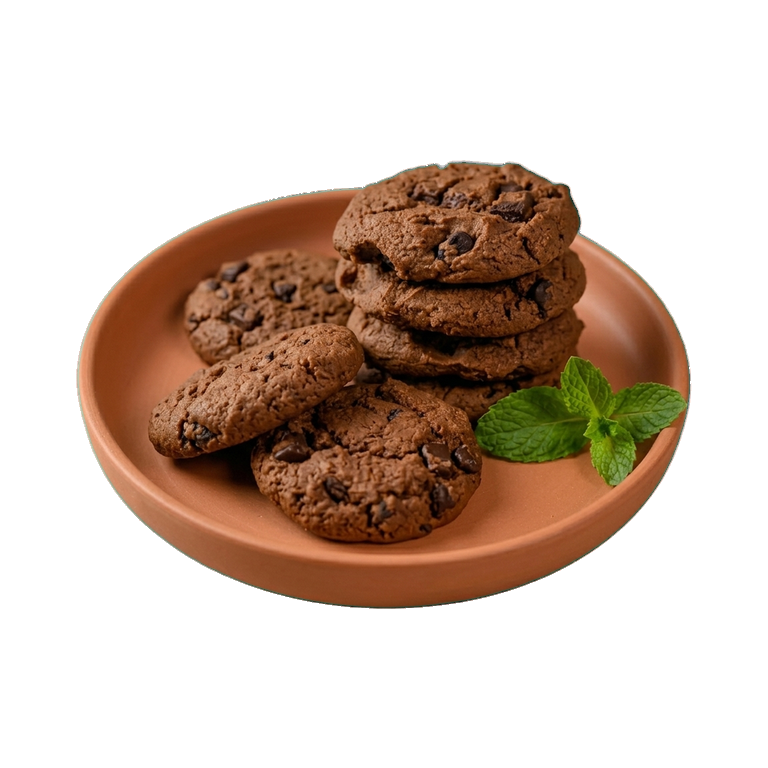
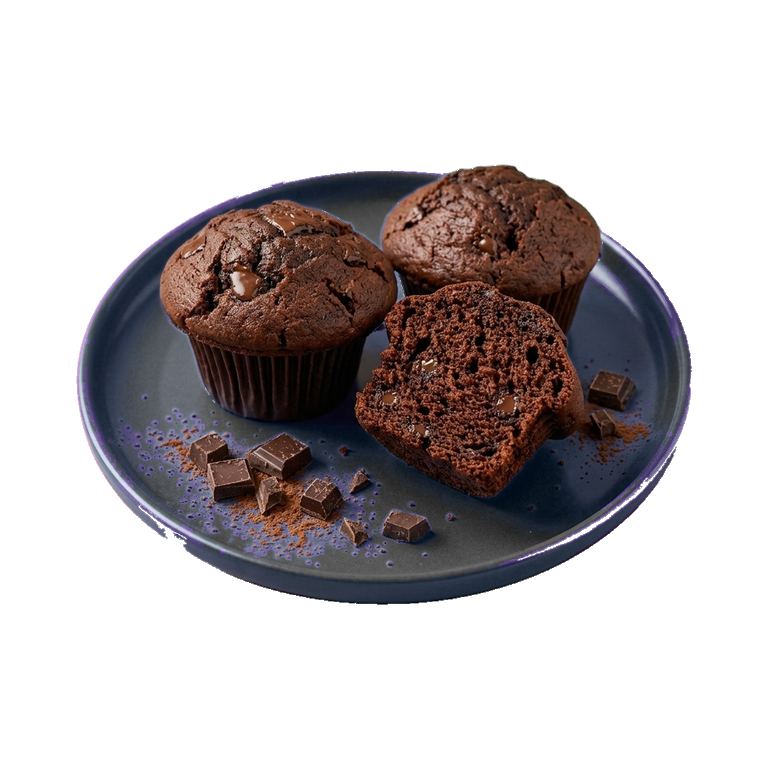
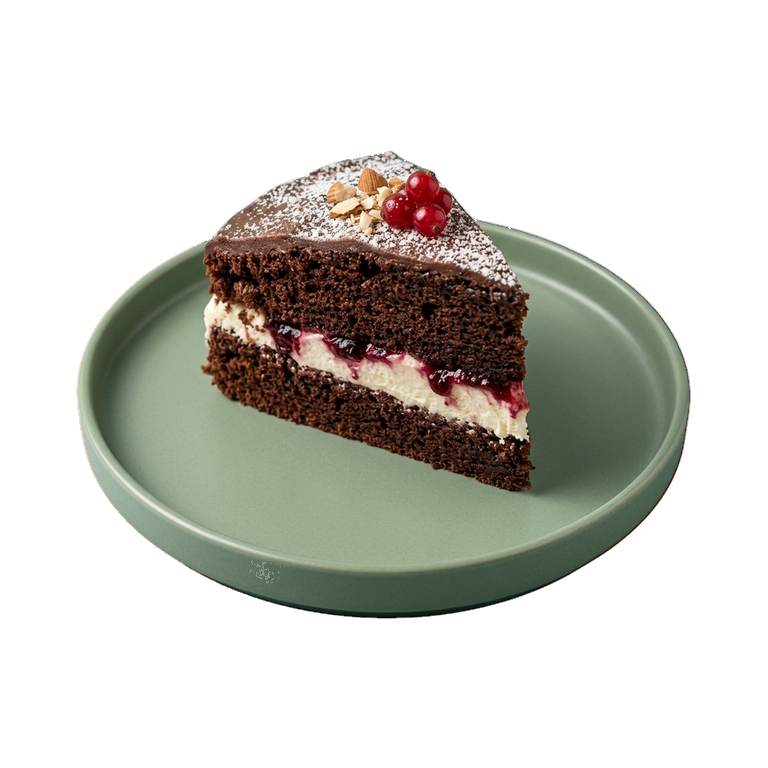
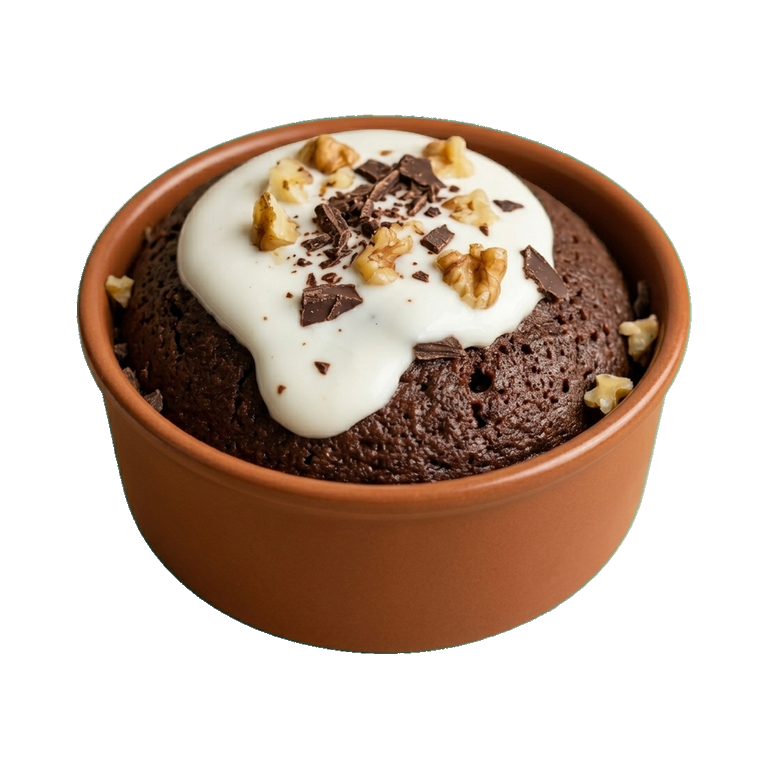
In baking, cocoa is added to cake, cookie, and cupcake batters — it imparts chocolate flavor without excess liquid. In sauces and glazes, cocoa acts as both a thickener and flavoring agent simultaneously. Even a small amount of cocoa can enhance the chocolate flavor of other ingredients, which is why it's often used in meat marinades and savory sauces to emphasize depth of flavor.
Successful Combinations
- With cinnamon and pepper — creates a warm, spicy profile in beverages and baked goods
- With vanilla — softens bitterness and adds a sweet aroma
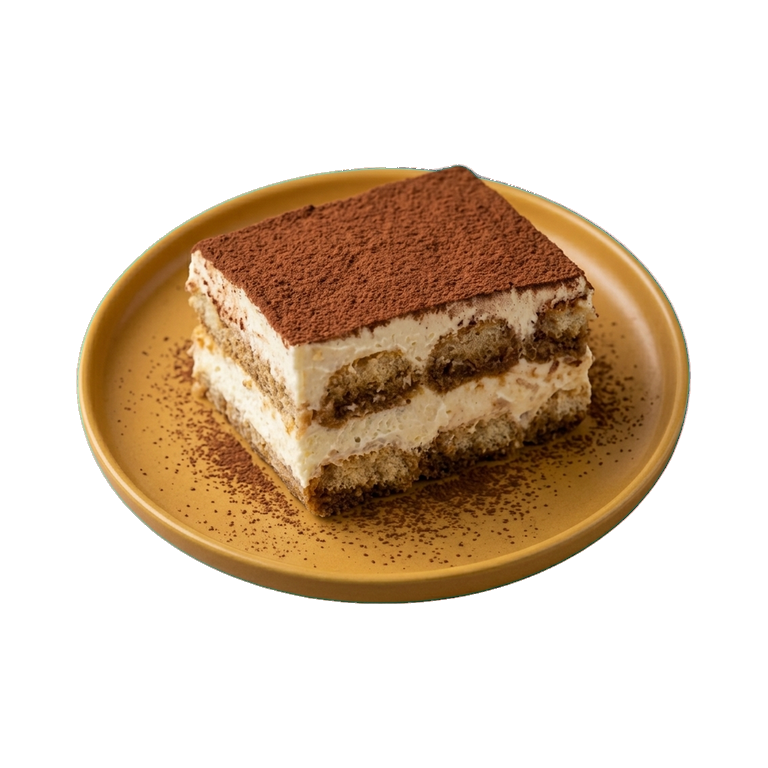
- With coffee — enhances depth and bitterness, ideal for cakes and mousses
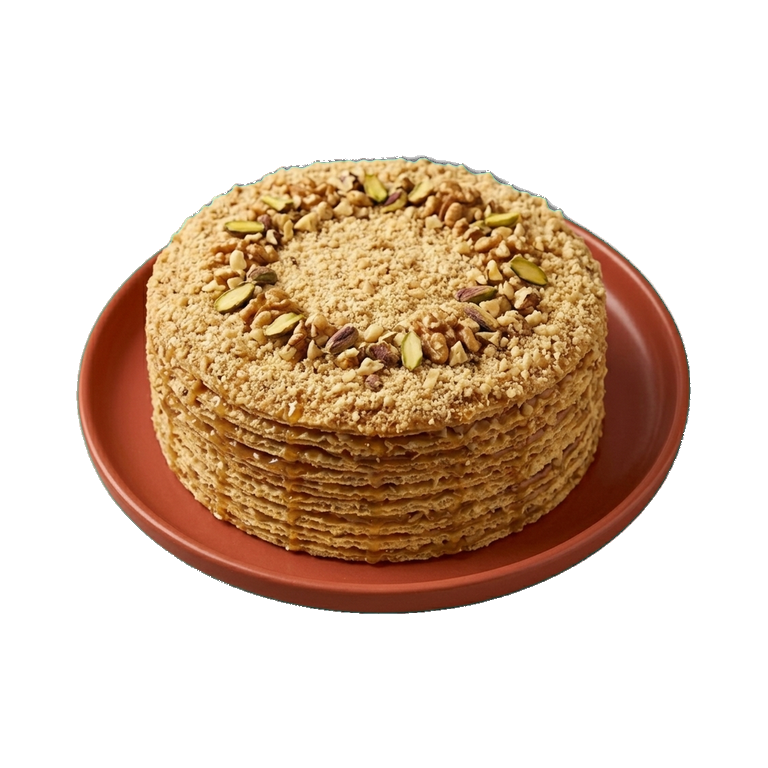
- With nuts (almonds, hazelnuts) — creates a rich texture in cookies and spreads
- With sea salt — contrasts with bitterness, emphasizing sweetness
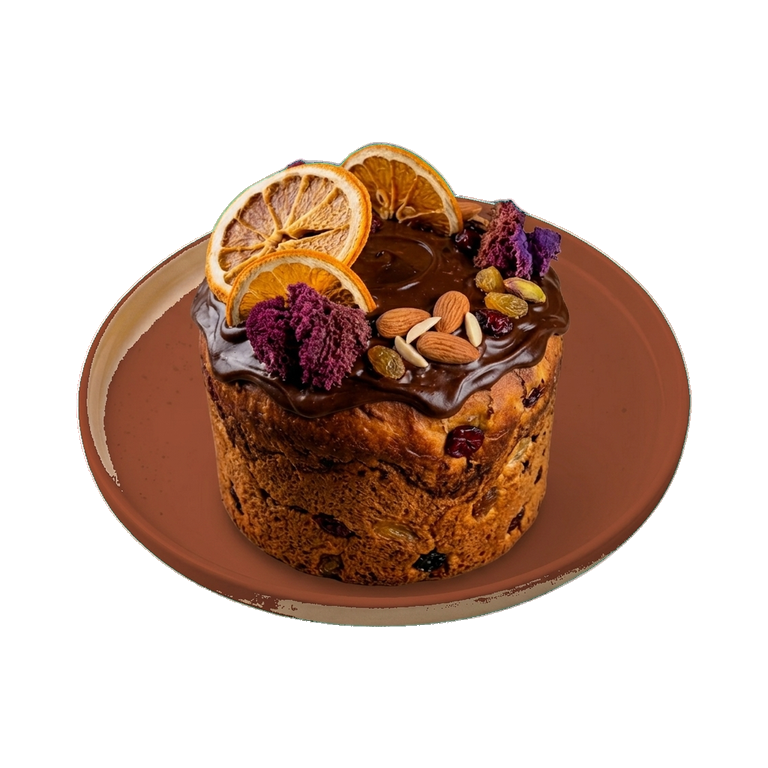
- With citrus zest — adds freshness and brightness to the heavy cocoa flavor
Selection and Storage
When choosing cocoa, pay attention to the percentage of cocoa butter in the composition — the more it contains, the creamier and softer the drink will be. Natural cocoa without additives has a more intense flavor than cocoa with sugar and dairy components. The color of quality cocoa powder should be brown, without gray or reddish tones. The aroma should be bright and pleasant, without mustiness or mold.
Cocoa should be stored in a tightly sealed container in a cool, dry place, away from light and strong odors — it easily absorbs foreign aromas. The optimal storage temperature is 15–20 degrees Celsius. When storage conditions are met, cocoa retains its properties for up to a year, but it is better to use it within 6–8 months while the flavor remains bright and rich.
Cocoa works best when you give it time to unfold: dissolve it slowly in hot liquid, don't rush to add sugar, let the bitterness and aroma fully reveal themselves.
Nutrition
per 100 g
- Calories
- 228 kcal
- Protein
- 19.6 g
- Fat
- 12.3 g
- Carbs
- 47.5 g
Measures and weight
- 1 tbsp
- 9 g
- 1 tsp
- 3 g
- 1 cup
- 150 g
Measure calculator
- Weight
- 100 g
- Calories
- 228 kcal